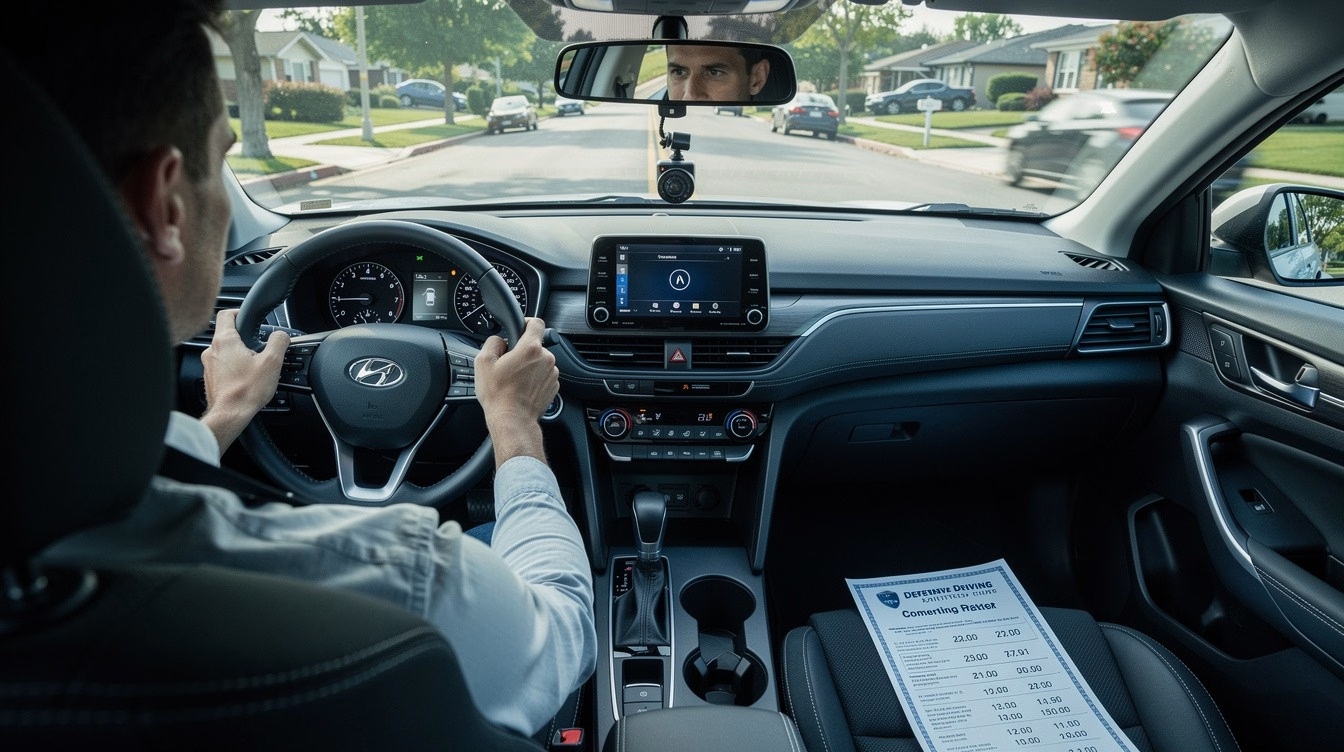
A Florida traffic ticket usually lands in the middle of an ordinary day. You were heading to work, picking up a child, or just trying to get home. Then the lights flashed, the officer handed you the citation, and now you’re staring at a paper full of deadlines, choices, and terms that don’t feel very clear.
Most drivers in this moment ask the same basic questions. Can I keep points off my record? Do I need traffic school? Is an online defensive driving course the right move, or is this something different?
The good news is that Florida’s process is manageable once you separate the situation into three parts: why you need a course, which course fits your case, and how to finish it correctly. That’s where many generic guides fall short. They talk about “defensive driving” as if it’s one product for every problem, when Florida drivers usually need a more specific answer.
Your First Step After a Florida Traffic Ticket
You see the flashing lights in the mirror. A few minutes later, you’re back in your car with a citation in your hand, replaying the stop and wondering what happens next.
For many Florida drivers, the first useful question isn’t “What did I do wrong?” It’s “What action do I need to take now?” If your citation allows it, traffic school can be the option that helps you respond calmly instead of react out of stress.

A lot of students arrive at traffic school thinking it’s just paperwork. In practice, it often serves three different purposes at once. It can help with point avoidance in eligible cases, satisfy a court or clerk requirement, and give you a structured refresher on safer driving habits.
What most drivers need to decide first
Before you enroll anywhere, check what your ticket says and what option you’ve chosen with the court or clerk.
Usually, drivers are trying to solve one of these problems:
- Point concern: You want to avoid points on your driving record if you’re eligible to elect a course.
- Court requirement: A judge or court notice ordered you to complete a specific class.
- Insurance question: You’re looking for a course that may help with an insurance-related purpose, which is often separate from a ticket case.
Practical rule: Don’t choose a course by name alone. Choose it based on the reason you need it.
That distinction matters because “online defensive driving course” is a broad term. In Florida, the right course depends on your exact situation.
Why the course is worth taking seriously
This isn’t just a box to check. A well-designed course can change how people drive after they complete it.
In a major national online training study, traffic violation rates decreased by as much as 74% per 100 drivers in the year after completion among over 30,000 drivers. That’s a strong reminder that the course isn’t only about the citation in front of you. It’s also about what happens the next time traffic gets fast, crowded, or unpredictable.
If you’re still sorting out your citation details, this guide to Florida traffic ticket options can help you understand the next move before you enroll.
What Exactly Is an Online Defensive Driving Course
An online defensive driving course is a state-approved web course that teaches safer driving habits, reviews traffic laws, and walks you through common risk situations in plain language.
The easiest way to think about it is this. It’s a digital tune-up for your driving record and your driving habits. You log in, move through short sections, answer questions as you go, and complete the course on your own schedule instead of sitting in a classroom for hours straight.
What you actually do in the course
Most students expect a long lecture. That’s usually not how modern online traffic school works.
Instead, the course is broken into manageable parts. You read or watch the lesson, complete a short quiz, then continue when you’re ready. That format helps working adults, parents, and drivers with irregular schedules because they can stop and restart without losing progress.
Here are the core ideas these courses usually cover:
- Hazard awareness: Spotting risky situations before they turn into sudden braking or a crash.
- Decision-making: Choosing the safer response when another driver speeds, tailgates, or cuts across traffic.
- Florida law refreshers: Reviewing rules that many drivers haven’t looked at since they first got licensed.
- Attitude behind the wheel: Noticing how frustration, hurry, and distraction affect judgment.
If you’d like a plain-language overview, this explanation of what defensive driving means is a helpful place to start.
Why online delivery became normal
Online traffic school isn’t a fringe option anymore. It’s become part of mainstream driver education.
For example, Texas course completion data reported by Defensive Driver Courses showed that drivers completed 552,124 defensive driving courses in 2019. That tells you something important even if you live in Florida. Drivers across large states already treat online delivery as a normal way to handle ticket dismissal and driving education.
Online learning works well for traffic school because drivers don’t need a classroom to practice recognition, judgment, and rule review. They need clear material, flexible access, and a course that satisfies the correct requirement.
The confusing part isn’t usually the format. It’s choosing the right Florida course.
Choosing the Right Florida-Approved Course for You
The biggest mistake I see is simple. A driver gets a ticket, searches for an online defensive driving course, and assumes any Florida-approved class will work.
That’s not how it works. In Florida, the course has to match the reason you’re taking it. A basic ticket election, a court order, an aggressive driving requirement, and an insurance refresher for an older driver are not the same thing.
Florida Online Defensive Driving Course Comparison
| Course Type | Length | Primary Purpose | Ideal For |
|---|---|---|---|
| Basic Driver Improvement (BDI) | 4 hours | Traffic school election for eligible moving violations | Drivers handling a standard ticket and trying to avoid points if eligible |
| Intermediate Driver Improvement (IDI) | 8 hours | Court-ordered or deeper corrective instruction | Drivers specifically ordered to complete a longer improvement course |
| Aggressive Driver | 8 hours | Behavior-focused course for serious driving pattern concerns | Drivers ordered into an aggressive driver program |
| Mature Driver | 6 hours | Safety refresher and possible insurance-related use | Drivers age 55+ seeking a refresher course |
When BDI is the right course
Basic Driver Improvement, often called BDI, is the course most Florida ticket holders are looking for.
If you received an eligible moving violation and want to elect traffic school, this is usually the course type people mean when they say “online traffic school.” It focuses on current traffic law, safe driving choices, and the administrative requirement tied to the citation.
Florida-specific eligibility is where many people get tripped up. According to Florida defensive driving eligibility guidance, you can elect a BDI course to avoid points once in any 12-month period and no more than five times in your lifetime, and it doesn’t apply to all violations.
If you’re not sure whether your ticket qualifies, verify that before paying for any course. Taking the wrong class won’t fix the wrong filing choice.
When the other courses fit better
IDI is for a different lane entirely. If the court ordered an 8-hour course, BDI won’t satisfy that requirement.
The Aggressive Driver course is more specific still. It’s used when a case involves a driving behavior pattern that requires a stronger corrective focus, not just a general refresher.
The Mature Driver course usually fits drivers age 55 and older who want a safety review and may be checking for an insurance-related benefit. That’s separate from handling a regular ticket in most cases.
For drivers comparing approved options, Florida-approved traffic school courses online shows the different course categories in one place, including the common 4-hour and 8-hour formats.
Your Step-by-Step Enrollment and Completion Guide
Once you’ve confirmed the right course, the process gets much easier. Most problems happen when drivers do the steps out of order, not because the course itself is difficult.
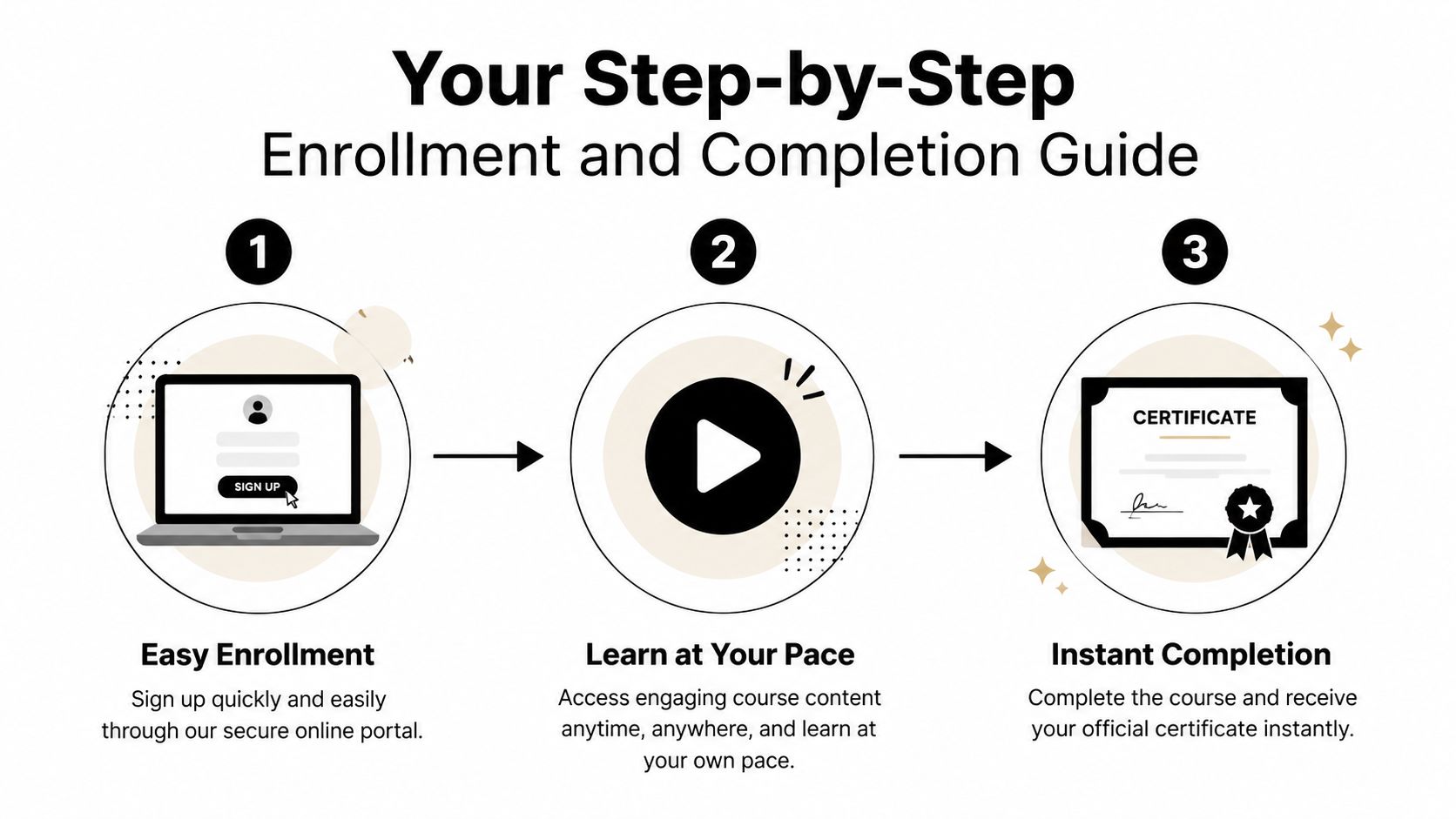
Step 1 and Step 2
-
Notify the clerk or follow the court instructions first.
If you’re electing traffic school for a ticket, make that election the correct way before assuming the course alone solves the problem. The course is part of the process, not the whole process. -
Enroll in the exact course your case requires.
Double-check the course title, length, and purpose before checkout. If you’re logging back into an active account, use your course login portal so your progress stays connected to the right enrollment.
Finish the paperwork side first. Then finish the education side. Drivers who reverse those steps often create avoidable delays.
Step 3 and Step 4
Florida-approved online courses are designed to be manageable for real schedules. This overview of what to expect in traffic school explains that approved courses are commonly broken into timed modules with short quizzes, and that a 4-hour BDI course is structured this way so students can work at their own pace while still meeting the state time requirement.
-
Move through the course in short sessions.
Don’t wait for a free half-day. Most students do better when they complete one or two modules at a time. -
Take the quizzes and final exam seriously.
The questions usually check that you understood the lesson, not that you memorized legal language. Read carefully and don’t rush just because you’re online.
Step 5
- Confirm certificate handling before you consider the case closed.
Completion matters only when the right office receives proof the right way. Some providers report electronically, while other situations may still require you to verify receipt with the clerk or court.
A smooth finish usually comes down to these habits:
- Check eligibility early: Make sure your citation qualifies for the course you chose.
- Use the same personal details throughout: Your name, license information, and case details should match your official records.
- Watch the deadline: A completed course after the deadline may not help.
- Save your completion confirmation: Keep a copy until you’ve confirmed the record was updated properly.
Key Features for a Seamless Learning Experience
A smooth online defensive driving course doesn’t just teach the material. It removes friction from the process.
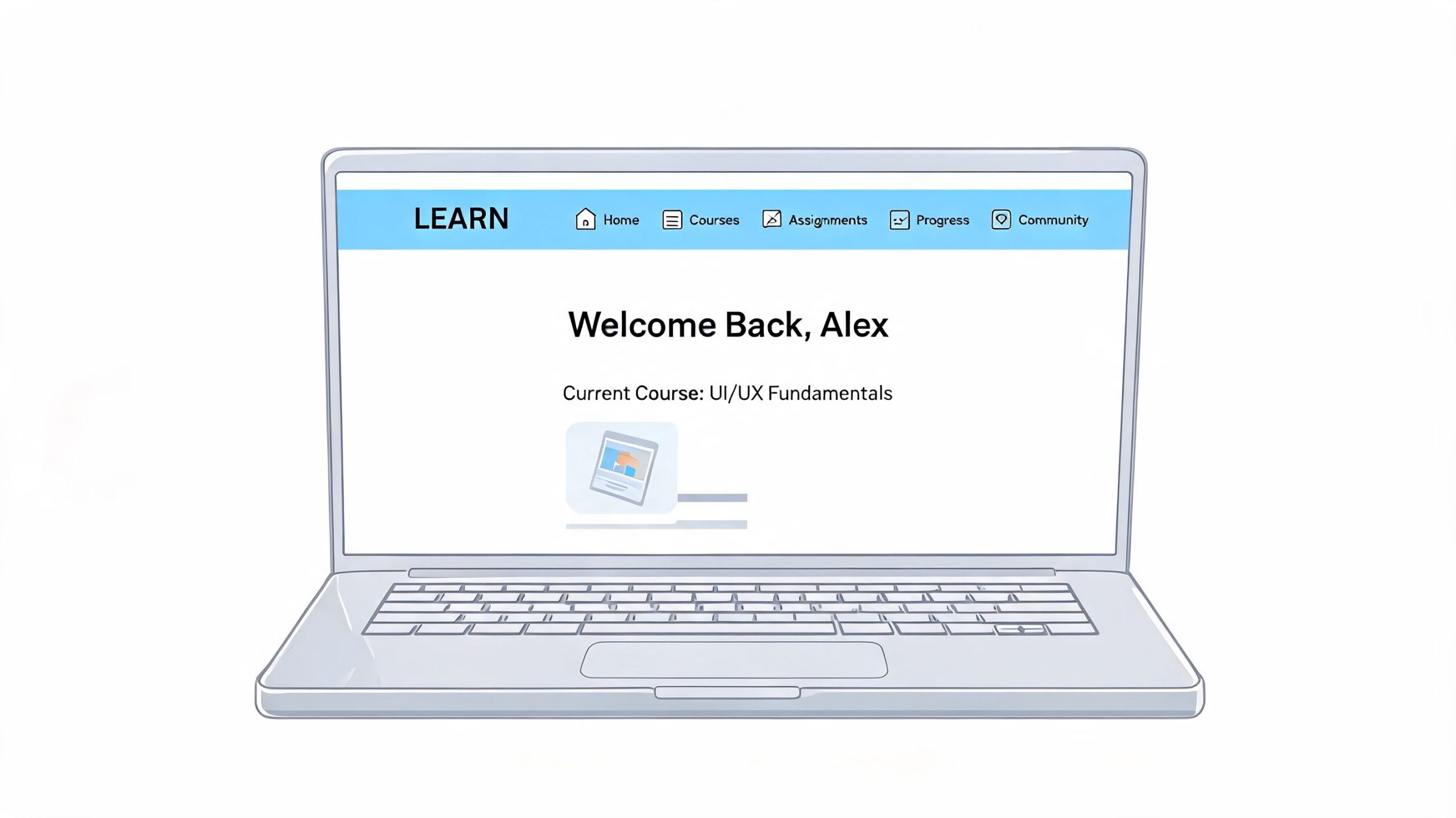
The first feature that matters is device flexibility. Many Florida students don’t sit down at a desktop computer for four straight hours. They start on a laptop, review a section on a phone during lunch, then finish on a tablet at home. A course that works across devices makes completion much more realistic.
The second is language access. Florida drivers come from different backgrounds, and traffic law is already stressful enough in your first language. Courses offered in English, Spanish, and Portuguese give more students a fair shot at understanding the material instead of just clicking through it.
Why reporting matters so much
The third feature is the one students worry about most. Certificate reporting.
If a provider reports completion electronically to the Florida system, that’s one less administrative step for you to manage. It reduces the chance of missed paperwork, wrong uploads, or a certificate sitting in an email while your deadline gets closer. BDISchool offers fully online Florida-approved traffic school with electronic certificate reporting to the FLHSMV, along with multilingual access and self-paced study.
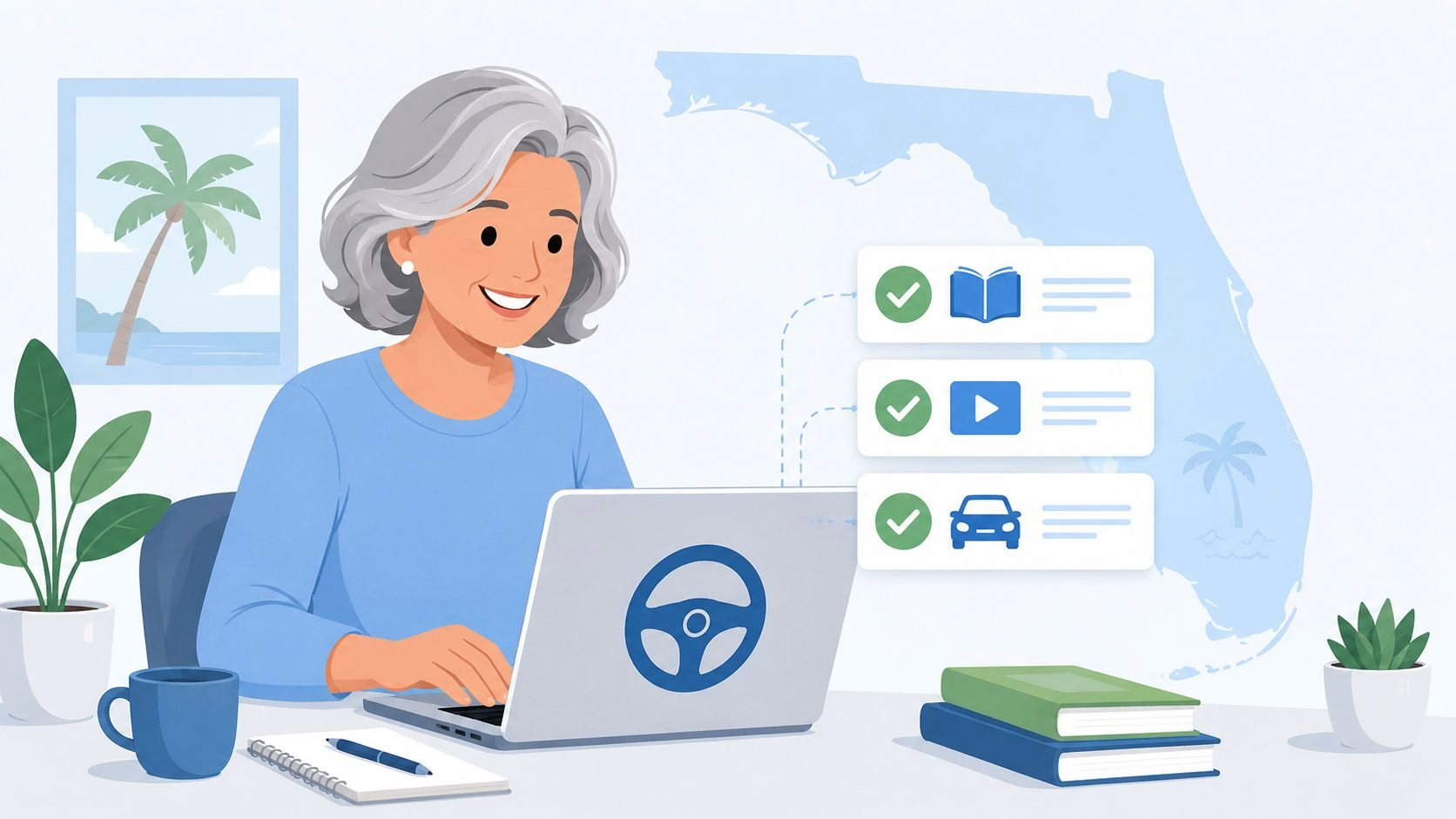
Here’s a quick visual summary of how online course access typically feels for a student:
A good course experience feels boring in the best way. You log in, understand what to do, complete the lessons, and don’t spend your time chasing paperwork.
Frequently Asked Questions About Florida Courses
Does an online defensive driving course make me a safer driver
It can help, yes. But it’s important to be realistic.
These courses are designed to teach safer habits such as hazard recognition, following distance, speed judgment, and decision-making. The immediate result most drivers notice is administrative, such as satisfying a requirement tied to a ticket. The long-term value is that the course can reinforce safer choices in ordinary traffic.
Can I take the course for any Florida ticket
No. Eligibility depends on the violation and your record.
Some drivers assume traffic school is available for every citation. It isn’t. If the violation isn’t eligible, or if you’ve already used your election too recently, the course may not provide the point-avoidance result you’re expecting.
How often can I use a BDI course to avoid points
Florida places limits on that option.
According to the Florida guidance linked earlier, you may elect a BDI course to avoid points once in any 12-month period and no more than five times in your lifetime. That’s why checking eligibility before enrollment is so important.
Is a ticket course the same as an insurance course
Usually, no.
A ticket-related BDI course and a Mature Driver insurance-focused refresher serve different purposes. If your goal is insurance-related, ask your insurer what course type they accept before signing up.
What if I got a Florida ticket but live in another state
That can change the process.
The safest approach is to verify the exact requirement with the Florida court or clerk handling the citation before you enroll. Out-of-state drivers often assume the same course rules apply automatically, and that’s where mistakes happen.
If you need a straightforward place to start, BDISchool offers Florida-approved online traffic school options for common situations like BDI, court-ordered improvement, aggressive driver requirements, and mature driver refreshers. Match the course to your exact reason for taking it, confirm your eligibility first, and you’ll make the process much simpler on yourself.