Anxiety behind the wheel stops many learners before they even start. Driving lessons for anxious students require a different approach-one built on patience, understanding, and proven techniques that actually work.
At floridadetscourse.com, we’ve seen firsthand how the right instruction transforms nervous drivers into confident ones. This guide walks you through the methods that make the difference.
What Triggers Driving Anxiety in New Learners
The Root Causes of Anxiety Behind the Wheel
About 12.5% of drivers experience some form of driving anxiety, and the triggers vary widely depending on each person’s background and experience. Fear of losing control sits at the top for many anxious learners, often rooted in past accidents, near-misses, or simply the weight of responsibility that comes with operating a vehicle. Others fixate on what-if scenarios-mechanical failure, sudden traffic changes, or misjudging distances-and this overthinking spirals into panic before they even turn the key.
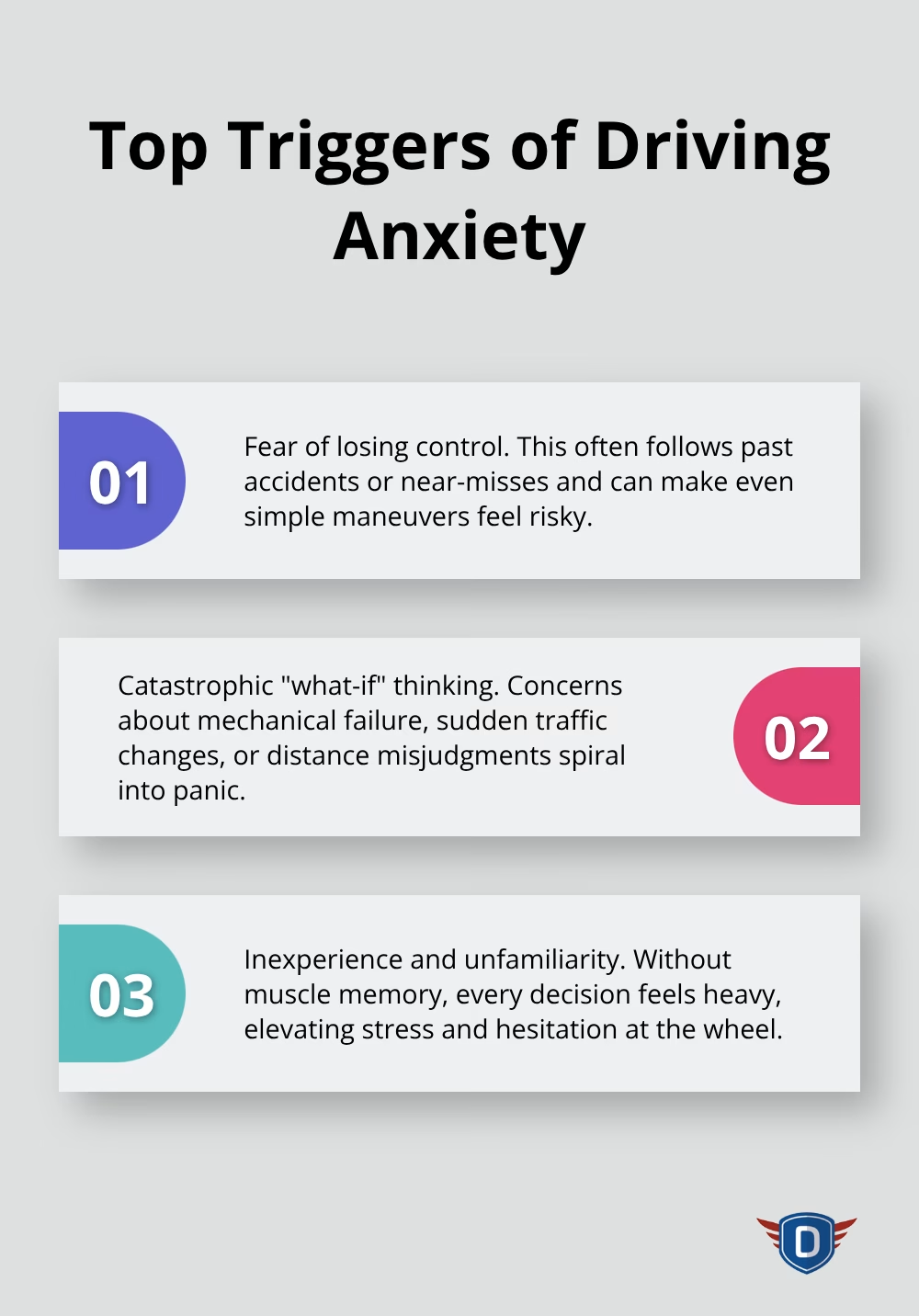
For new drivers, inexperience compounds everything. They lack the muscle memory and pattern recognition that come with hours behind the wheel, so every decision feels heavy. Physical symptoms kick in fast: racing heart, sweating, shaking, shortness of breath, or numb hands. These aren’t signs of weakness or unsuitability for driving. They’re signals that the nervous system needs a different teaching approach, one that builds competence in manageable steps rather than throwing learners into complex traffic scenarios.
How Anxiety Blocks Learning and Skill Development
Anxiety directly sabotages learning because fear floods the brain with stress hormones that impair memory performance and learning. A learner who panics can’t absorb instructions about smooth steering or mirror checks. Their attention narrows to survival mode, not skill development.
This is why patient instruction matters. When instructors move slowly, explain each maneuver clearly, and practice basic techniques in quiet parking lots before touching busier roads, anxious learners actually retain what they’re taught. Instructors who specialize in nervous drivers understand that confidence builds through small wins.
Why Specialized Instruction Changes Everything
Starting in low-traffic areas, breaking complex maneuvers into separate steps, and offering genuine praise for incremental progress shifts the learner’s mindset from fear to competence. Drivers who receive structured, patient instruction progress faster and develop safer habits than those rushed through lessons (research consistently shows this pattern across driving education programs).
The key difference lies in pacing. Anxious learners need instructors who recognize that anxiety isn’t a barrier to overcome quickly-it’s a condition that responds to thoughtful, deliberate instruction tailored to each student’s pace and concerns. This specialized approach transforms how nervous drivers experience the learning process itself.
Building the Right Foundation With Specialized Instructors
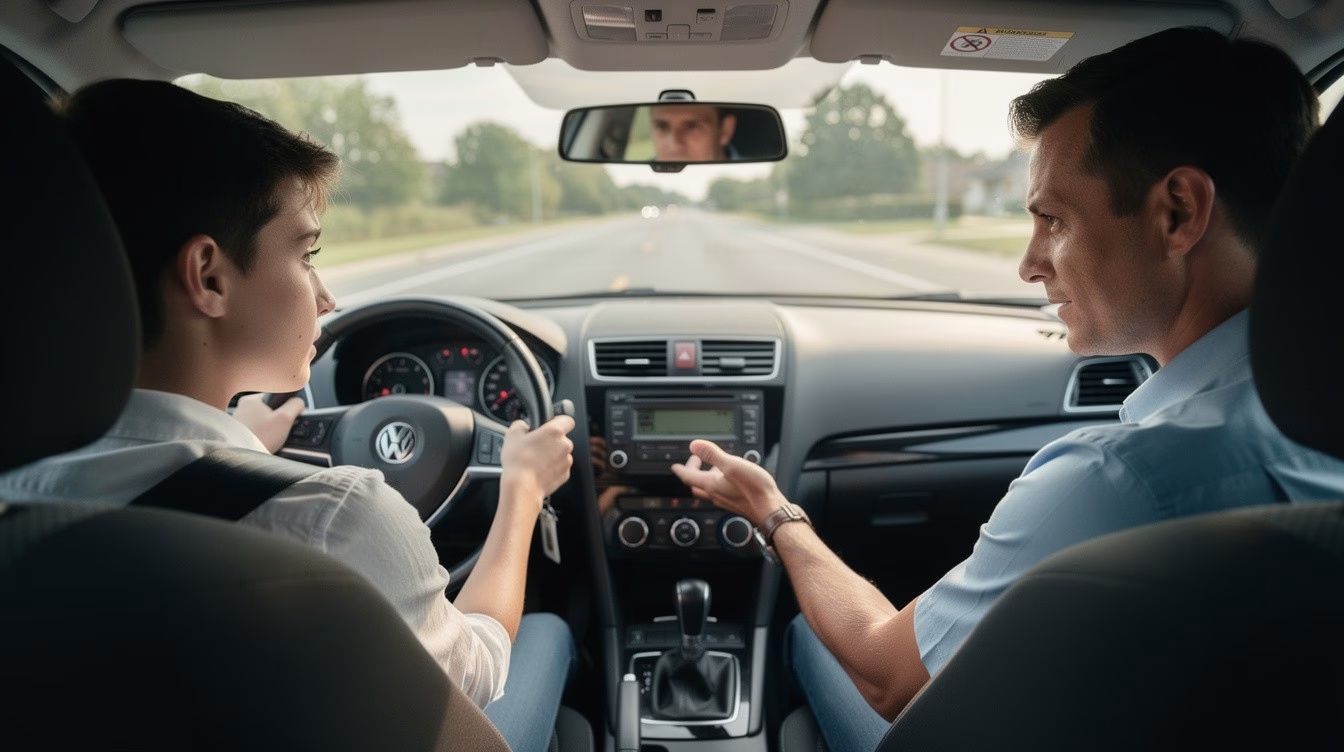
The instructor you choose determines whether an anxious learner progresses or stalls. Not all driving instructors understand anxiety, and some actively make it worse through impatience or dismissive attitudes. Look for instructors with explicit experience teaching nervous drivers, not just general experience. Ask directly during your first conversation: How many anxious or nervous students have they taught? What methods do they use to keep learners calm? Do they start in quiet areas before moving to traffic? Their answers reveal whether they’ve developed a structured approach or simply wing it based on personality.
What Specialized Instructors Do Differently
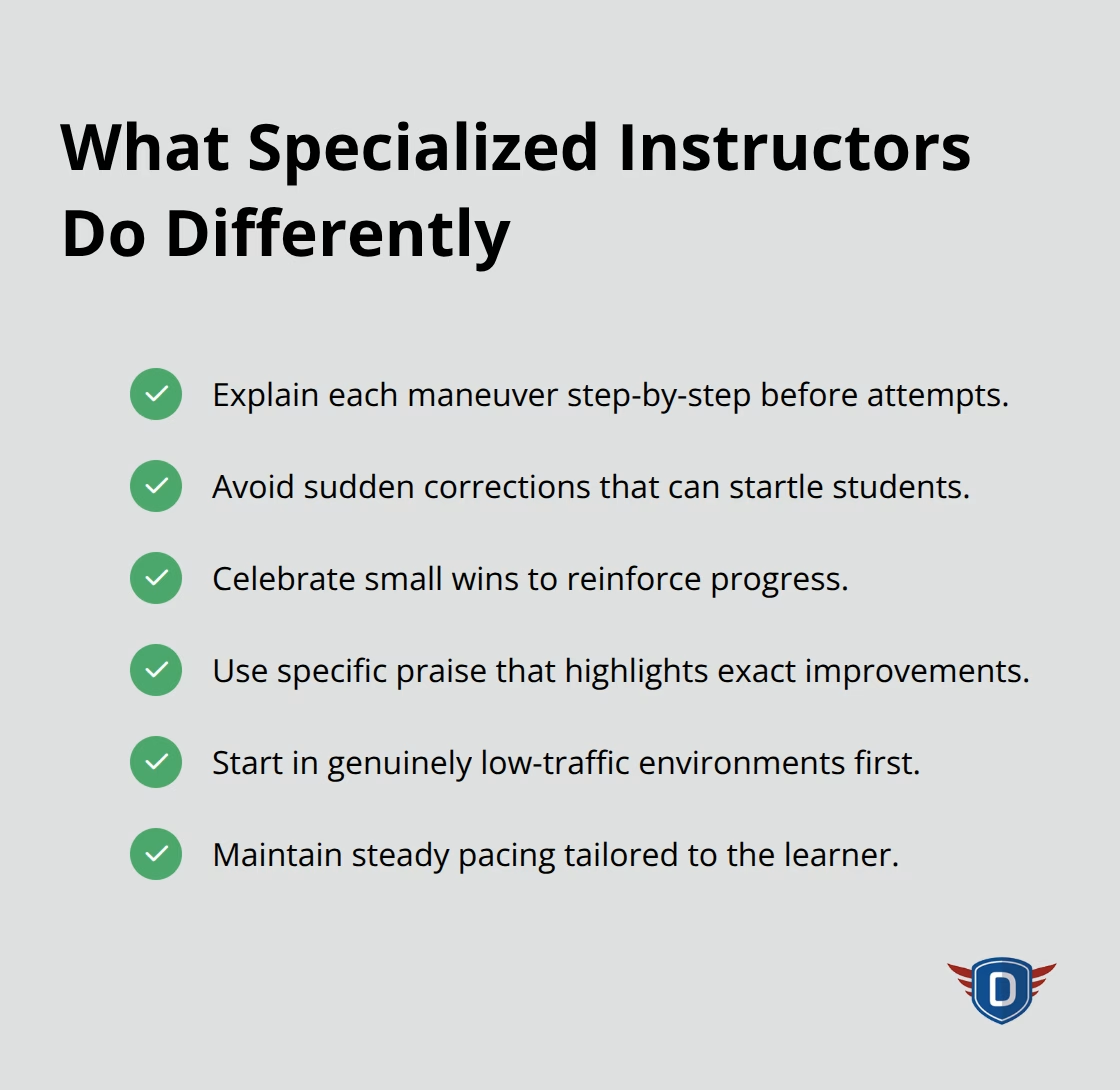
Specialized instructors recognize that anxiety requires different pacing and communication. They explain each maneuver step-by-step before you attempt it, they avoid sudden corrections that startle you, and they celebrate small wins like smooth lane changes or confident parking attempts. This positive reinforcement rewires how anxious learners perceive their own capability. Research on learning and stress shows that praise for specific improvements builds neural pathways faster than criticism or pressure. When an instructor says you executed that turn smoothly, your brain registers competence, not fear. This matters because anxious learners often default to self-doubt-an instructor who actively counters that pattern accelerates progress significantly.
Start in Low-Traffic Zones, Progress to Highways Later
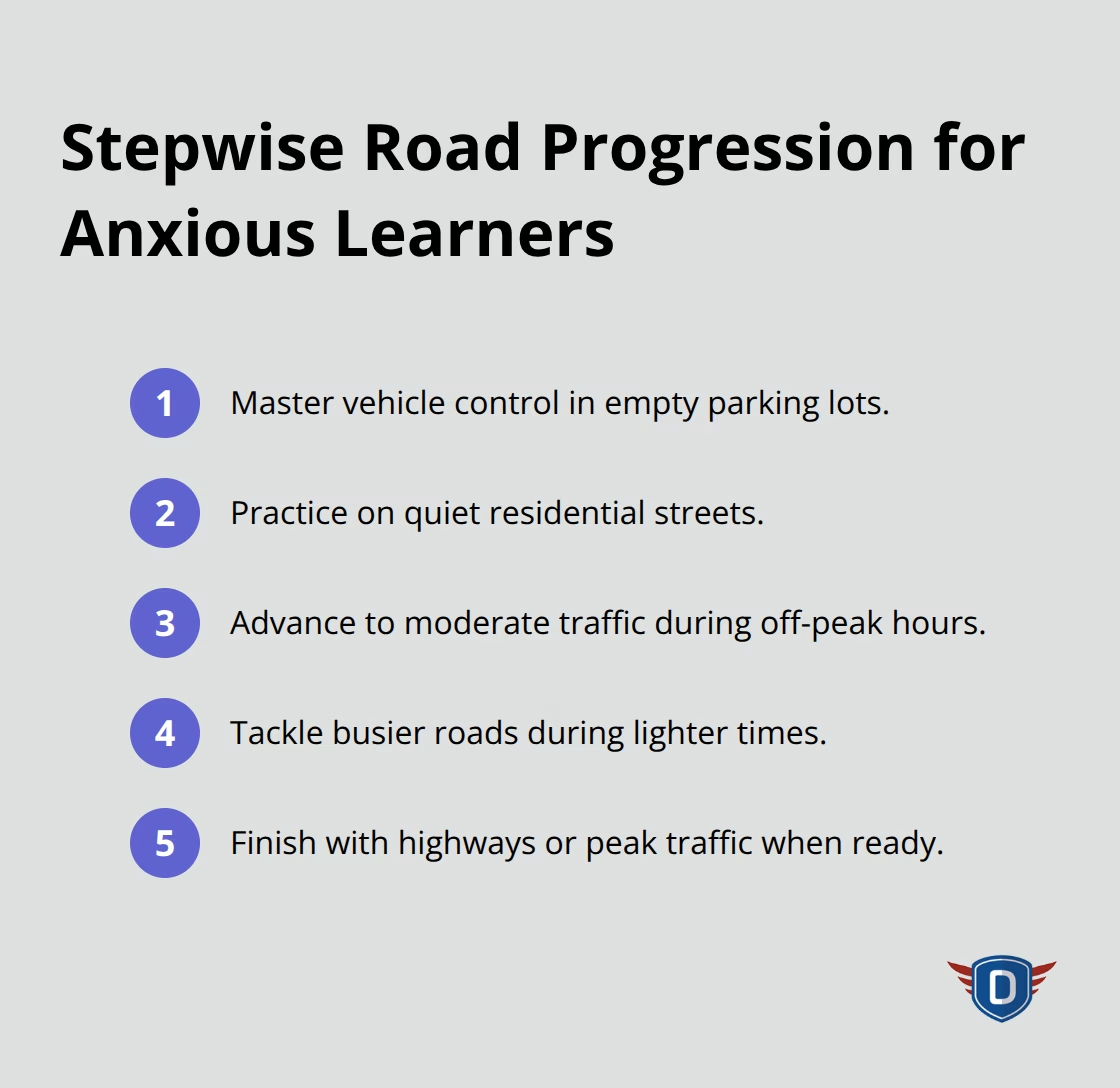
Empty parking lots or quiet residential streets aren’t wasted time; they form essential foundation work. Many anxious learners skip this phase because they feel rushed or embarrassed, but that mistake compounds their anxiety. Parking lots offer space to practice steering, acceleration, braking, and basic mirror checks without the threat of traffic. Your nervous system needs exposure to vehicle control in a genuinely safe setting before it can handle the complexity of other cars nearby.
Spend at least three to five lessons in low-traffic environments before touching busier roads. This isn’t arbitrary pacing-it’s how learning actually works under stress. Once basic maneuvers feel automatic, progression happens gradually, not in jumps. Move from quiet residential streets to streets with moderate traffic during off-peak hours, then to busier roads during lighter times, then finally to highways or peak traffic. This incremental approach prevents the panic that comes from sudden overwhelming stimuli.
Instructors who rush this progression create exactly the opposite of their intention: deeper anxiety and slower overall learning.
Track Real Progress Through Meaningful Milestones
Track actual progress, not just hours behind the wheel. Meaningful milestones for anxious learners look different than for confident ones. Early wins include driving a full route without physical panic symptoms, successfully merging without freezing, or handling a minor mistake calmly instead of spiraling into self-criticism. These matter far more than how many miles you’ve covered.
Set specific, achievable targets with your instructor before each lesson: today you’ll practice three left turns at intersections with light traffic, or you’ll complete this neighborhood route without verbal guidance. Specific goals reduce the open-ended anxiety that comes from vague practice sessions. Note when you feel less dread before planned drives or when you successfully navigate a route you previously avoided. These psychological wins predict long-term success better than test scores. After six to eight lessons with proper pacing, most anxious learners report noticeably reduced physical symptoms and increased willingness to drive independently.
The next step involves learning specific techniques that calm your nervous system while you’re actually behind the wheel-methods that work in real time, not just in theory.
How to Calm Your Nervous System While Driving
Interrupt Physical Panic Before It Escalates
Anxiety lives in your body before it lives in your mind. Racing heart, sweating palms, and shallow breathing all signal your nervous system that you’re in danger, even when objectively you’re sitting in a parked car or moving slowly through a quiet street. The most effective anxious drivers don’t wait for confidence to arrive-they interrupt the physical panic response in real time.
Box breathing, a technique used by military personnel and emergency responders, works by extending your exhale longer than your inhale, which activates your parasympathetic nervous system and literally slows your heart rate. Practice this before lessons start: breathe in for four counts, hold for four, exhale for six, hold for four. Repeat five times. Do this in the car before you start driving, not after panic hits. Your instructor should know you’re using this technique so they don’t misinterpret your focused breathing as a sign something’s wrong.
Use Grounding Techniques to Stay Present
Many anxious drivers benefit from grounding techniques during drives-noticing five things you see, four you can touch, three you hear, two you smell, one you taste keeps your brain anchored in the present moment instead of catastrophizing about what might happen. These aren’t feel-good platitudes; they’re neurological interventions that reduce amygdala activation, the part of your brain that processes fear.
Break Maneuvers Into Teachable Components
Complex maneuvers transform into manageable practice when you break them into component steps. Instead of learning to merge on a highway, separate it into distinct skills: check mirrors, signal, check blind spots, accelerate smoothly, and position in the new lane. Practice each step individually in low-traffic conditions before combining them. Your instructor should explain exactly what they’re watching for during each step-smooth mirror checks without jerking your head, signal activated three seconds before moving, eyes checking the actual blind spot not just the mirror.
Specificity matters because anxious learners often catastrophize about performance, imagining they’re doing everything wrong when really they’ve nailed three of five components. Positive reinforcement works best when it’s concrete: instead of saying you did great, say you checked your mirrors smoothly without rushing, and that’s exactly what safe merging requires.
Leverage Specific Feedback to Build Competence
Research on specific praise shows that it activates different neural pathways than generic praise. When your instructor identifies precisely what you did right, your brain encodes that as a replicable skill, not luck. Most anxious drivers receive vague feedback that leaves them uncertain about what actually worked, which perpetuates self-doubt.
After eight to ten lessons with this structured, specific approach, anxious learners report handling mistakes without spiraling into panic-they view errors as information about what to practice next, not evidence of incompetence. This shift in perspective, built through consistent specific feedback, is what separates drivers who overcome anxiety from those who stay stuck.
Final Thoughts
Tailored instruction transforms how anxious learners experience driving for life. When instructors slow down, break skills into manageable pieces, and offer specific feedback, nervous drivers stop viewing the road as a threat and start viewing it as a space they can navigate competently. This shift happens because anxiety responds to structure and evidence of progress, not willpower or time alone.
Drivers who learn through patient, specialized methods develop safer habits because they practice them deliberately, not rushed. They handle unexpected situations calmly because they build genuine confidence, not false bravado. They continue driving independently because the learning process itself doesn’t traumatize them further (research consistently shows that drivers trained with this approach maintain lower accident rates and report higher satisfaction with their driving abilities years after lessons end).
Finding instructors who specialize in nervous drivers, starting in genuinely low-traffic environments, and tracking real progress through meaningful milestones rather than arbitrary hour counts matters far more than standard pacing. Driving lessons for anxious learners work when the instruction matches the learner’s needs, and reaching out to a driving school that understands anxiety as a condition responsive to the right approach represents your first step toward confident, independent driving.