Aging doesn’t mean you have to give up driving. But it does mean your skills need updating to match how roads, traffic laws, and your own abilities have changed.
A mature driver refresher isn’t about proving you can still drive-it’s about learning the defensive techniques that keep you safer in today’s traffic. We at floridadetscourse.com built our course specifically for drivers like you, with practical strategies that work in real conditions.
Why Your Driving Skills Need Updating
Vision Changes and Reaction Time
Your eyes and reflexes have changed since you first earned your license, and the roads have changed too. Vision problems common in older adults directly affect driving safety. According to the National Institutes of Health and National Institute on Aging, drivers over 60 experience increased difficulty reading signs from a distance, recognizing lane markings, and handling glare at night. A dilated eye exam every one to two years after age 60 catches conditions like cataracts and macular degeneration before they compromise your safety.
Your reaction time also slows with age-not dramatically, but measurably. The time between spotting a hazard and applying the brake increases with each decade after 50, according to NHTSA research. That difference matters at highway speeds.
New Technologies and Traffic Laws
New technologies on today’s roads demand updated knowledge. Backup cameras, automatic emergency braking, blind-spot monitoring, and lane-keeping assist work only if you understand how to use them. Traffic laws have evolved too. Speed limit enforcement, distracted driving penalties, and right-of-way rules in complex intersections differ from what many drivers learned decades ago.
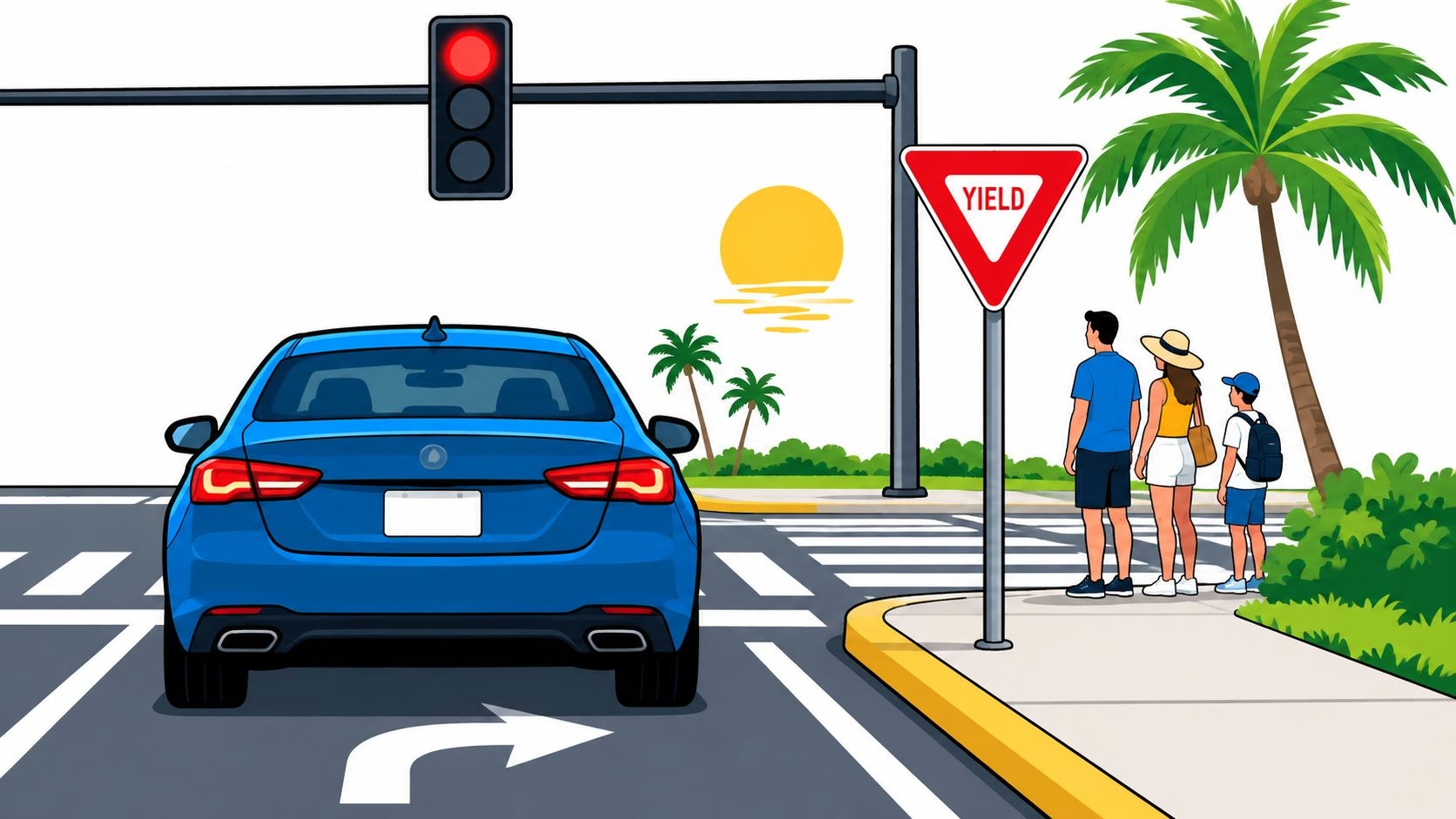
Florida’s traffic laws specifically require updated knowledge about new road designs, roundabouts, and pedestrian safety zones that reshape how you navigate familiar routes.
Insurance Savings and Course Requirements
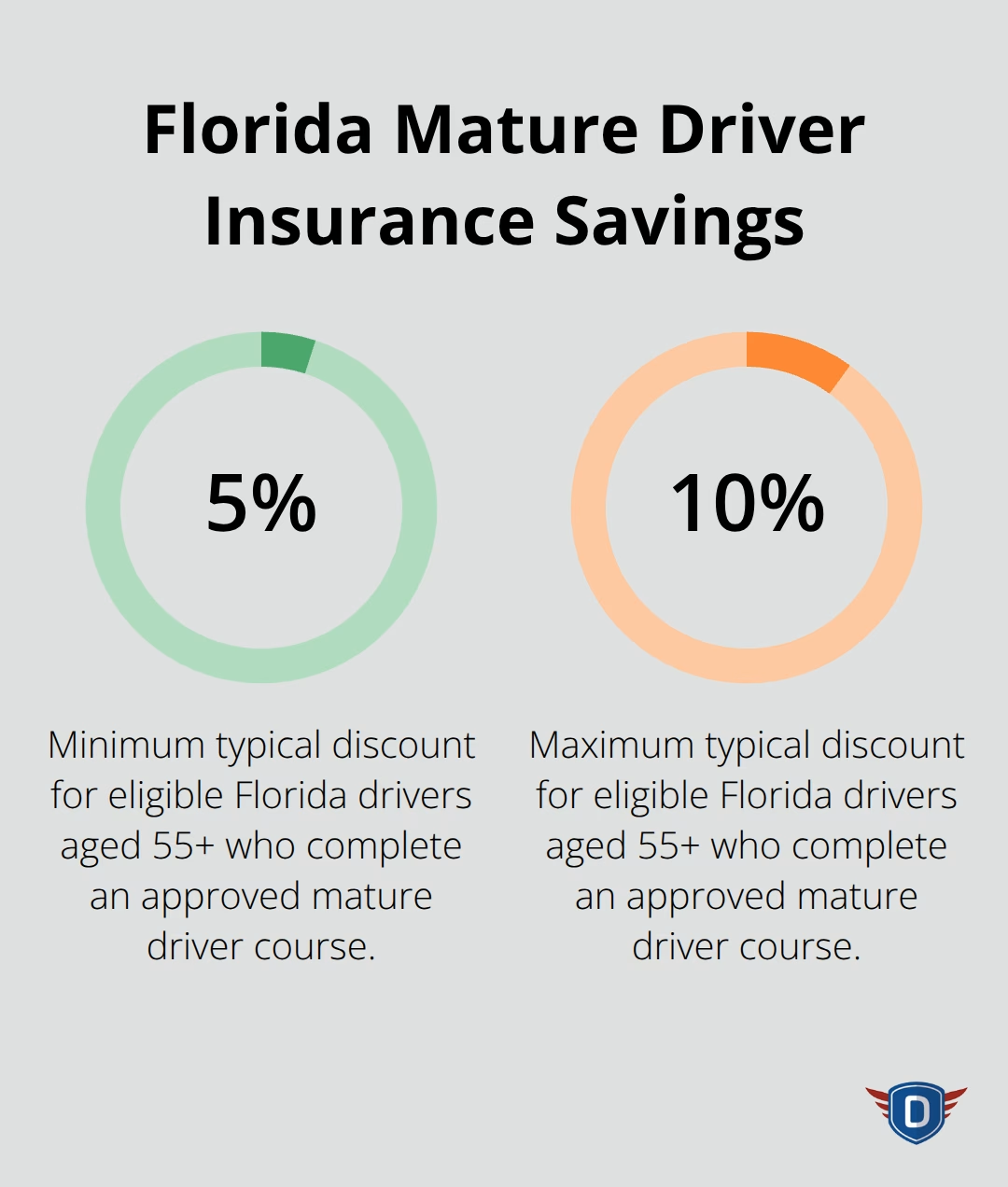
The practical benefit of refresher training extends directly to your insurance costs. Most Florida insurers offer a 5 to 10 percent discount on auto insurance premiums when drivers aged 55 and older complete an approved mature driver course. The course is available in English, Espa�ol and Portugues. That discount typically lasts three to five years, adding up to real savings on your policy.
Our Mature Driver Course at floridadetscourse.com covers exactly what Florida’s Department of Highway Safety and Motor Vehicles requires-six hours of instruction on age-related physical changes, defensive driving techniques, and how medications affect driving ability. Completing the course generates a certificate reported directly to the FLHSMV, so your insurer receives proof of completion automatically.
Real-World Hazards Mature Drivers Face
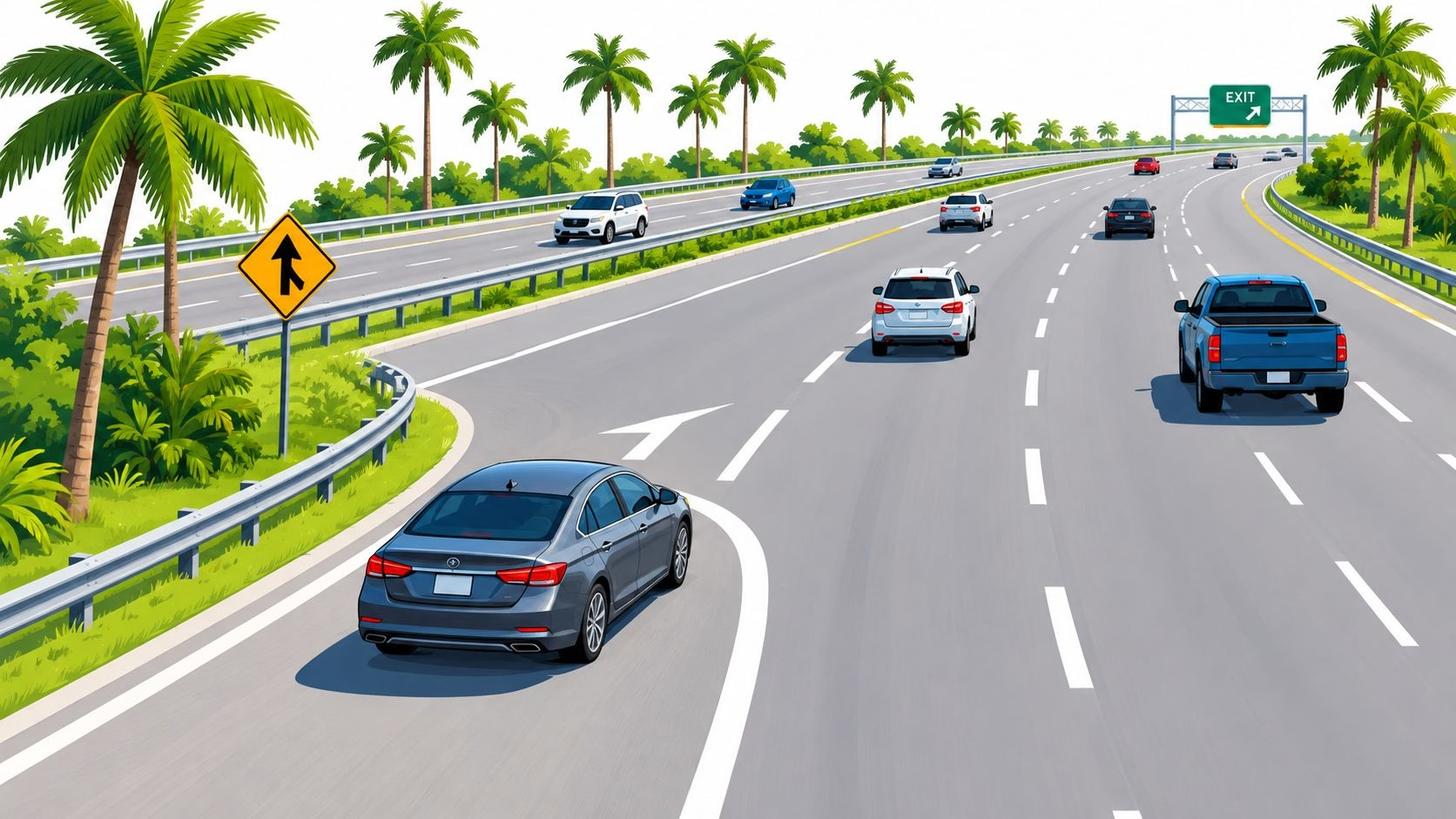
Refresher training addresses the specific hazards mature drivers face most often. Left turns at busy intersections, merging on highways, and night driving cause the majority of crashes involving older drivers, according to NHTSA data. A refresher course teaches you how to manage these situations with current defensive driving strategies, not outdated habits.
You learn how to adjust following distances based on road conditions, recognize when your reaction time needs compensation, and make honest decisions about when conditions exceed your comfort level. These practical skills form the foundation for the defensive techniques that protect you in today’s traffic-the focus of the next section.
Defensive Driving Tactics That Work in Real Traffic
Following Distance and Speed Control
The gap between knowing you should drive safely and actually handling hazardous situations separates confident drivers from anxious ones. Defensive driving for mature drivers isn’t about memorizing rules-it’s about developing specific reactions that protect you when conditions deteriorate or other drivers make mistakes.
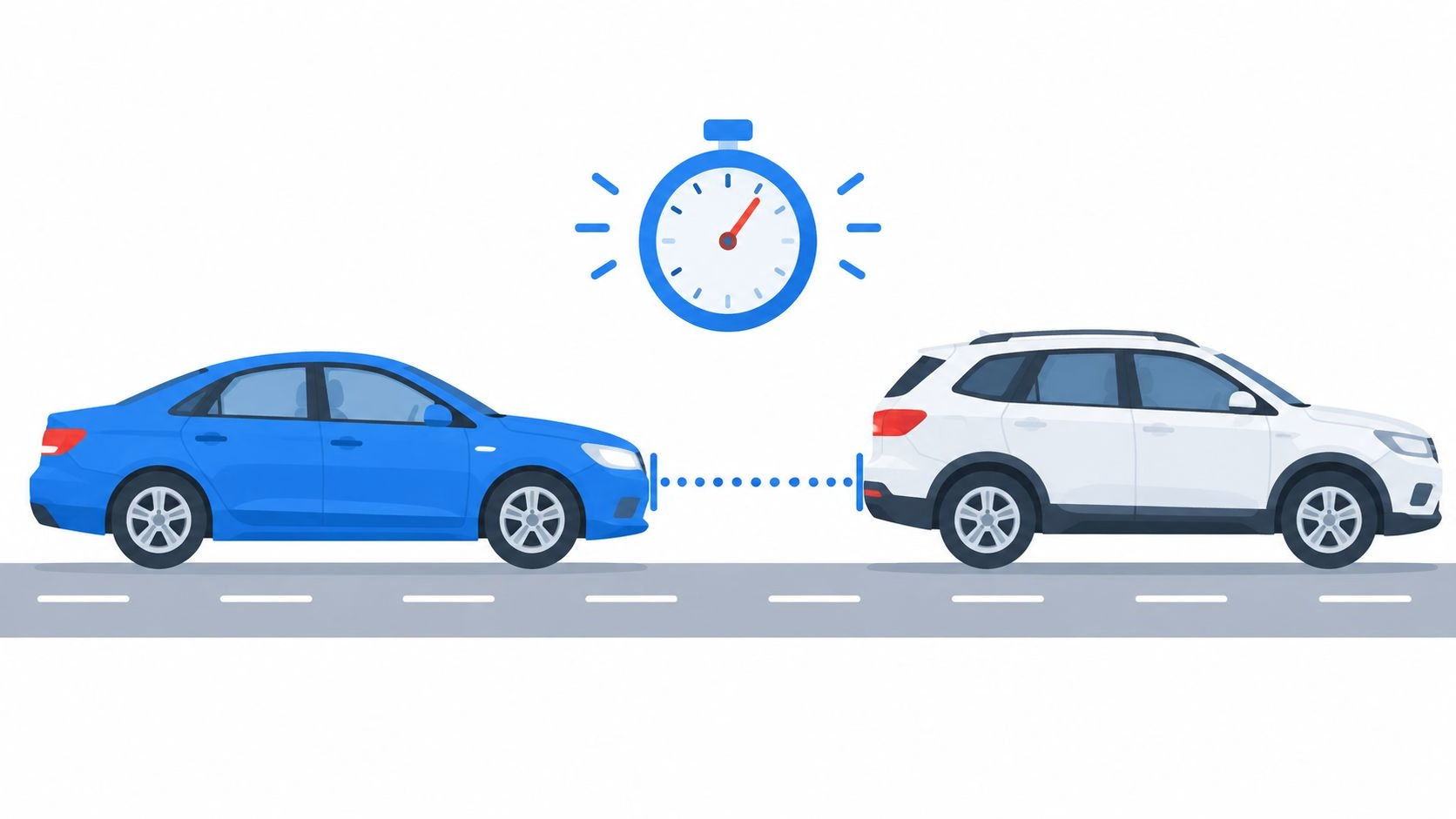
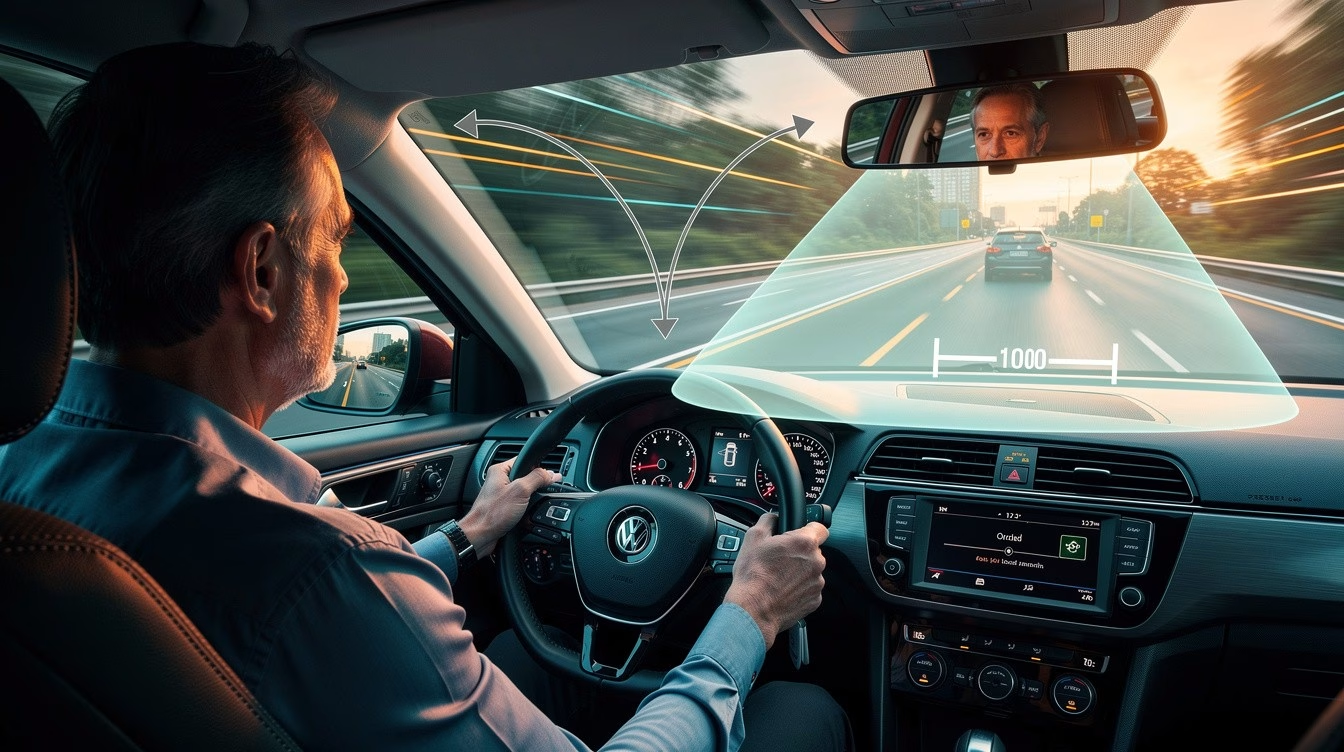
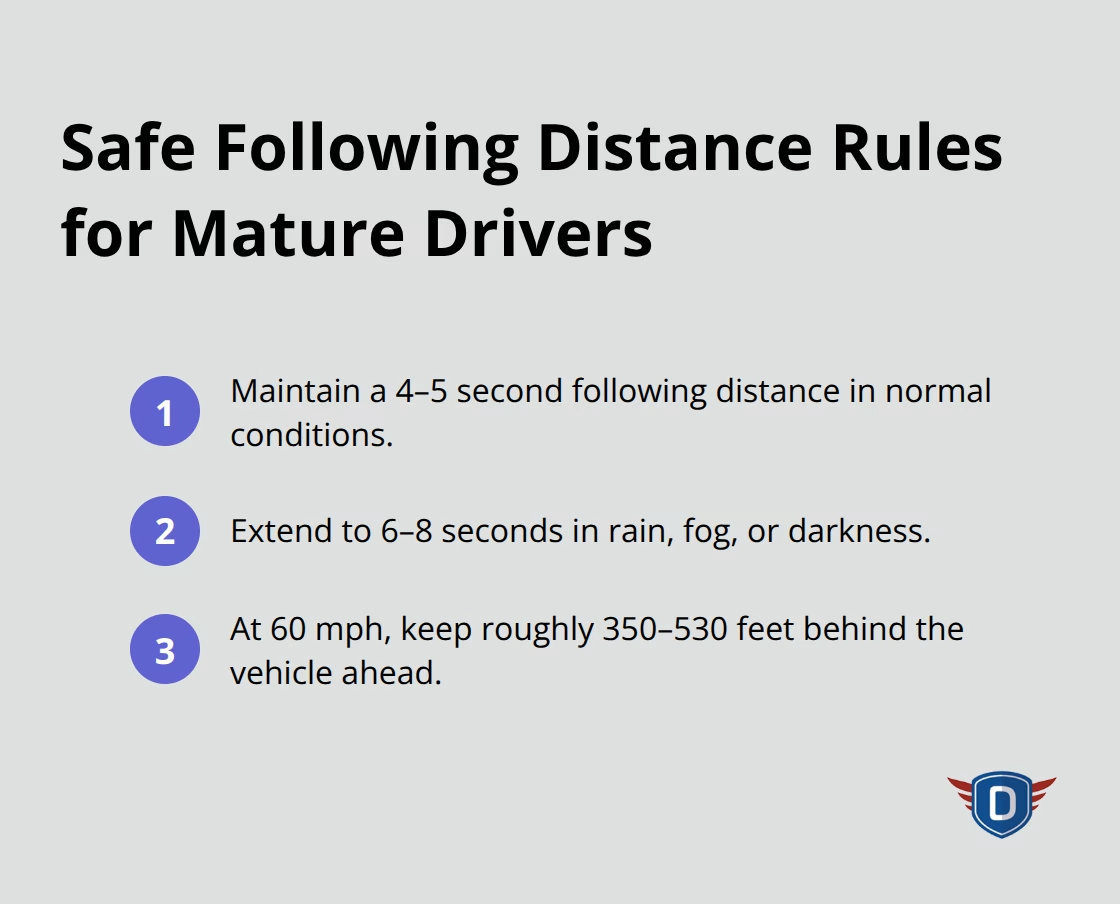
The most effective tactic is maintaining a following distance that matches your actual reaction time, not the three-second rule you learned decades ago. According to NHTSA research, drivers over 60 need four to five seconds of following distance in normal conditions, and six to eight seconds in rain, fog, or darkness. This means on a highway at 60 mph, you maintain roughly 350 to 530 feet behind the vehicle ahead-far more than most drivers practice.
Count the seconds by noting when the car ahead passes a road sign, then count until your car reaches that same sign. If you reach it before five seconds pass, you’re too close. Speed control matters equally. Mature drivers who reduce speed by just 5 to 10 mph in complex situations-heavy traffic, unfamiliar routes, or poor visibility-gain the extra processing time their brains need to recognize hazards and respond.
Left Turns and Intersection Navigation
Left turns at busy intersections cause crashes involving older drivers at higher rates, according to NHTSA data. The solution isn’t avoiding left turns; it’s executing them deliberately.
Wait for a gap in oncoming traffic that feels uncomfortably large-larger than what younger drivers would accept. Approach the intersection slowly enough that you can abort the turn if a vehicle appears unexpectedly. Use your passenger as a second set of eyes if one is available, asking them to watch for motorcycles or vehicles in your blind spot while you focus on the turning maneuver itself.
Night Driving and Glare Management
Night driving and glare present different hazards that demand specific adjustments. Keep your windshield and headlights clean, and have headlights aimed correctly by a technician-misaligned headlights reduce your effective sight distance dramatically. Sit slightly higher in your seat to improve forward vision over the hood.
Reduce speed at night more aggressively than you would during day. If you normally drive 50 mph on a rural road at midday, drop to 40 mph at night, giving your eyes more time to process what the headlights reveal. Avoid wearing sunglasses or tinted lenses at night, and don’t drive with darkened windows.
Highway Merging and Lane Changes
Highway merging requires a different defensive approach. Merge during lower-traffic periods when possible, and signal your intention well in advance-at least five seconds before changing lanes. Check your side mirrors and blind spot twice, not once, because vehicles move quickly in peripheral vision.
If a gap closes before you complete the merge, abort and try again rather than forcing your way into traffic. This deliberate approach takes longer but eliminates the pressure that causes mistakes.
Managing In-Vehicle Distractions
Managing distractions inside your vehicle matters more for mature drivers because your brain has less spare capacity to recover from momentary inattention. Program your GPS before driving, or pull over to adjust it. If you use a smartphone, mount it where you can glance at it without moving your head significantly, and use voice commands exclusively.
Don’t eat, adjust the radio, or reach for items while moving. Even a two-second glance away from the road at highway speed means you’ve traveled 176 feet blind. The specific hazards mature drivers face most often-left turns, merging, night driving, and complex intersections-all respond to deliberate speed reduction and extended reaction time. These aren’t restrictions on your driving; they’re the actual defensive techniques that keep you safer than drivers who maintain outdated habits and unrealistic speed choices. Understanding these tactics forms the foundation for how a structured refresher course reinforces these skills through comprehensive instruction tailored to your needs.
How Our Mature Driver Course Works
Curriculum Built for How You Learn
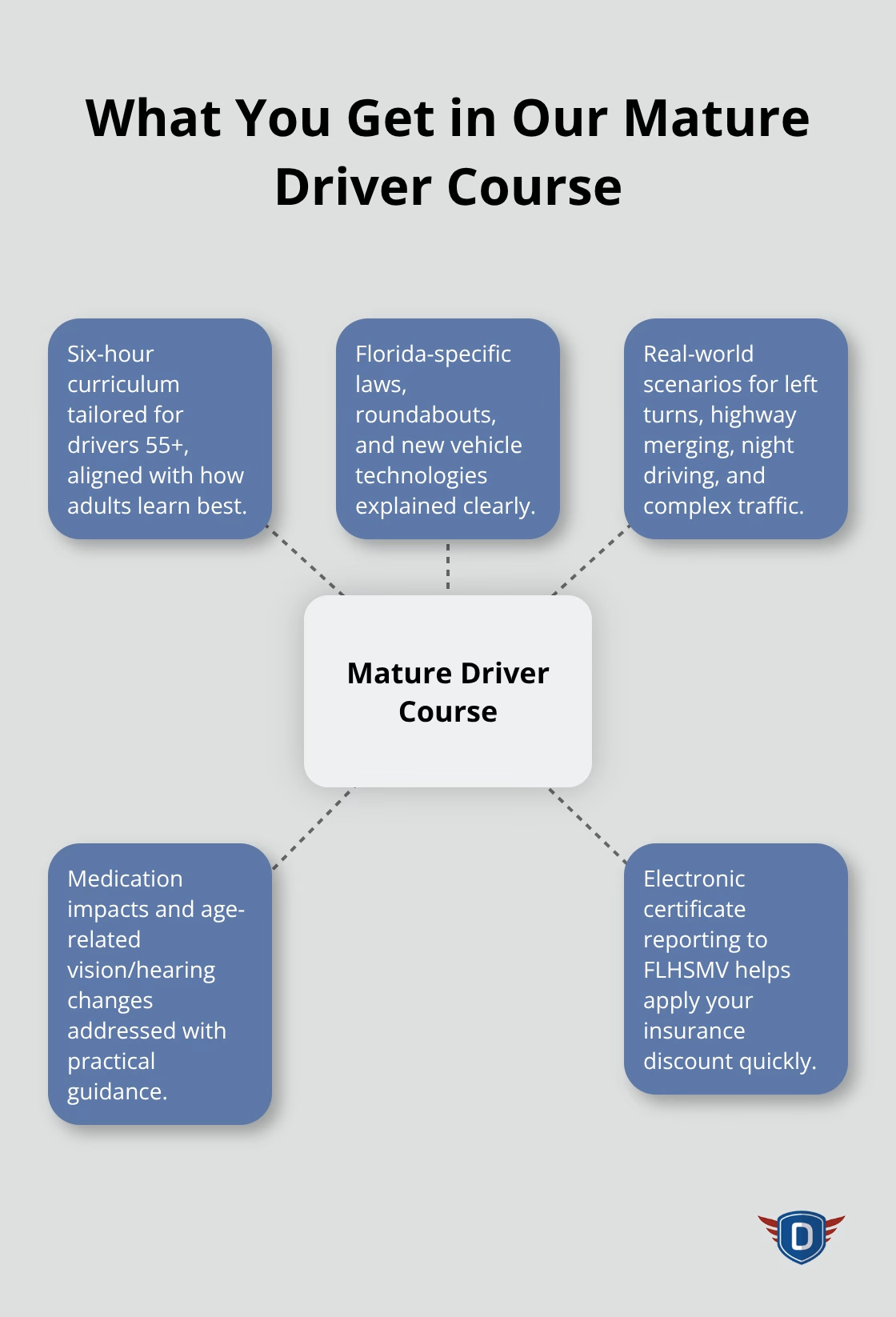
The defensive driving techniques from the previous section work best when you practice them consistently, which is why a structured refresher course outperforms random YouTube videos or outdated advice from friends. Our Mature Driver Course delivers six hours of instruction specifically designed around how drivers aged 55 and older actually process information and handle modern traffic situations. The curriculum covers age-related vision and hearing changes backed by research from the National Institutes of Health, explains exactly how medications affect your reaction time and coordination, and teaches you to recognize the specific hazards that cause crashes in your age group. You learn not just defensive techniques but when to apply them based on your own physical abilities and comfort level.
Florida-Specific Content and Real-World Scenarios
The course addresses Florida’s specific traffic laws, roundabout navigation, new vehicle technologies like automatic emergency braking and blind-spot monitoring, and how to honestly assess whether conditions exceed your capability on any given day. Each module uses real-world scenarios rather than hypothetical situations, so you practice making decisions in situations you actually encounter. You work through left turns at busy intersections, highway merging, night driving challenges, and complex traffic patterns that reflect what happens on Florida roads.
Learn at Your Own Pace, On Your Schedule
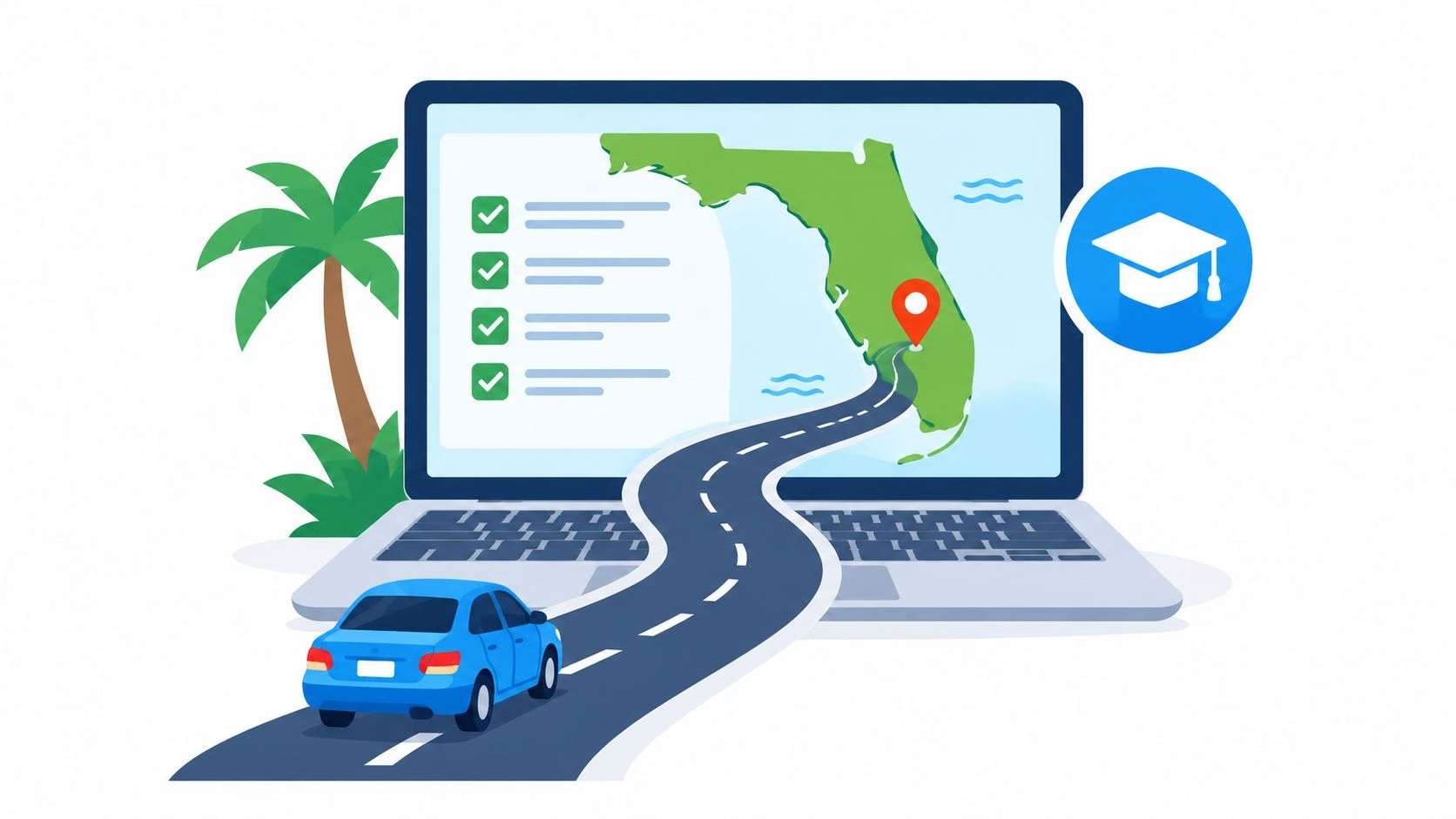
The flexibility of online learning matters more than many drivers realize. You can complete the course on your schedule, pausing to review sections that apply directly to your driving habits or the routes you use most often. Study on your computer, tablet, or smartphone from home without pressure to keep pace with a classroom full of other drivers. Most drivers complete the course over several days, spending an hour or two at a time rather than sitting through six consecutive hours.
Certificate Reporting and Insurance Savings
Once you finish, your certificate is reported electronically to the Florida Department of Highway Safety and Motor Vehicles, which means your insurance company receives notification automatically without requiring you to submit paperwork. The certificate qualifies you for an insurance discount that typically lasts three to five years, offsetting the course cost within months. That discount applies to your policy immediately once the FLHSMV receives your completion certificate, so you start saving on your next renewal without any additional steps.
Final Thoughts
A mature driver refresher provides the foundation for staying safe as roads, vehicles, and traffic patterns evolve around you. The defensive driving techniques covered in this guide work because they’re based on how your brain and body actually function at this stage of life, not on outdated assumptions about aging and driving ability. Drivers who complete a refresher course and apply these techniques consistently report greater confidence in complex situations, fewer near-misses, and the satisfaction of knowing they make deliberate choices rather than relying on habit.
Taking action now prevents the situation where health changes or a close call forces you to stop driving suddenly. A structured refresher course gives you the tools to adjust your driving proactively, maintaining control over when and how you drive rather than having that choice taken away by circumstances. Your insurance savings start immediately, but the long-term benefit proves far more valuable: staying independent behind the wheel for years to come.
We at floridadetscourse.com designed our Mature Driver Course specifically for this purpose. The six-hour curriculum addresses the exact hazards you face, teaches you to compensate for age-related changes, and provides the certificate your insurance company needs to apply your discount. You complete it entirely online at your own pace, fitting it into your schedule without disruption.