Florida’s roads demand more than basic driving skills. Every year, thousands of accidents happen on state highways, many preventable through defensive driving techniques Florida drivers can master.
At floridadetscourse.com, we’ve seen how proper training transforms drivers into safer road users. This guide shows you the techniques that work.
What Defensive Driving Really Means in Florida
The Legal Foundation and Your Responsibility
Defensive driving isn’t about paranoia on the road-it’s about recognizing that you can’t control other drivers, only your own actions. Florida Statute 316.183 requires all drivers to operate vehicles at a careful and prudent speed adapted to traffic and weather conditions, not just whatever the posted limit says. This legal standard forms the foundation of defensive driving: you anticipate problems before they happen and adjust your behavior accordingly. In Florida, where over 1.8 million vehicles travel daily on peak days during tourist seasons, defensive driving separates drivers who arrive safely from those who don’t.
The data backs this up. According to the National Highway Traffic Safety Administration, speeding contributes to a significant share of traffic fatalities nationwide, and Florida sees thousands of preventable accidents each year. When you master defensive driving, you actively prevent crashes through the Three-Second Following Rule, continuous mirror sweeps, hazard anticipation, and speed management that accounts for rain, wet roads, and sudden visibility changes.
Florida’s Unique Weather Challenges
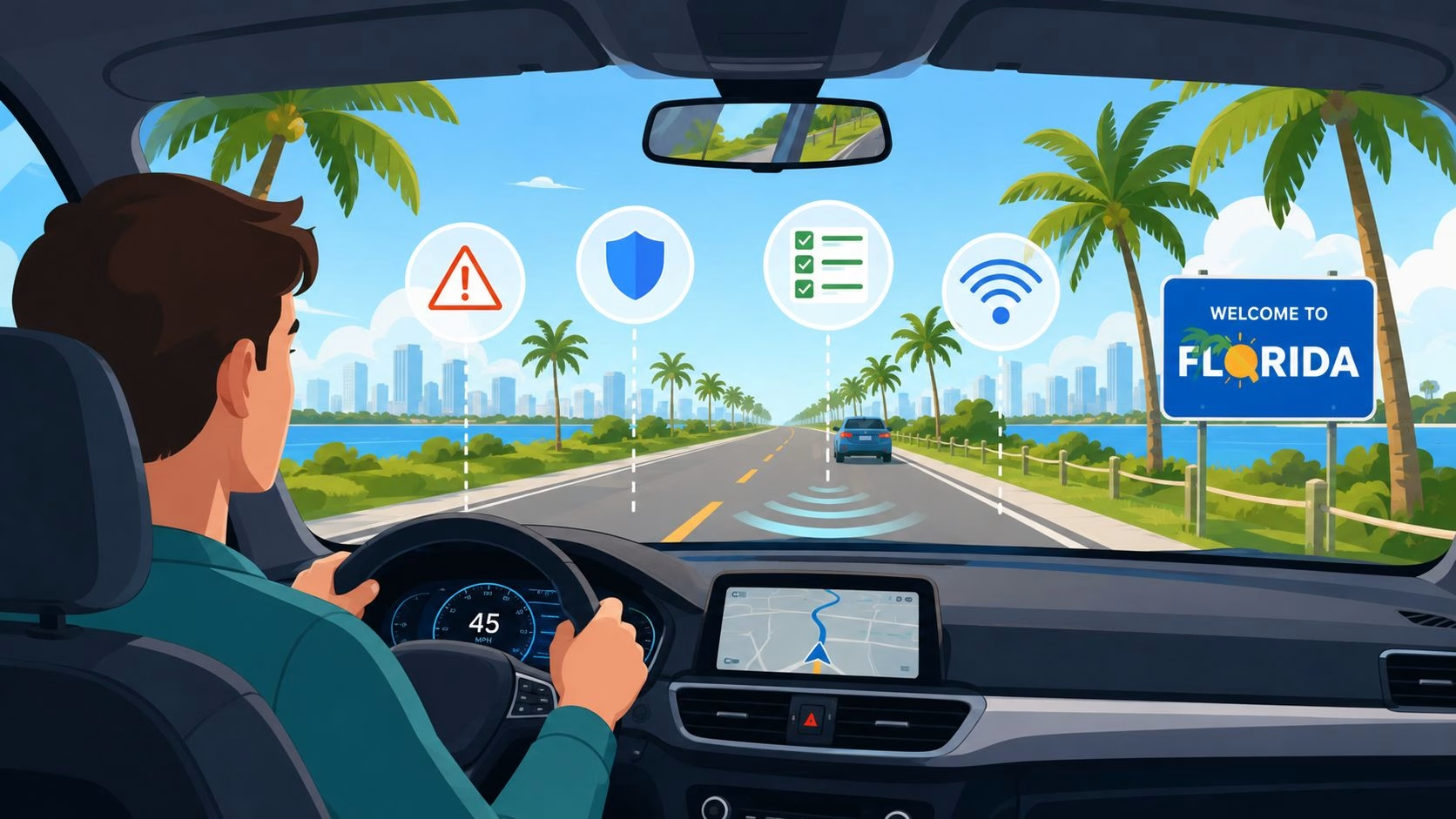
Florida’s climate creates unique hazards that demand constant adaptation. Rain can appear without warning, reducing traction dramatically, and hydroplaning becomes a real threat when drivers maintain highway speeds on slick pavement. Defensive drivers reduce speed by 5 to 10 mph in rain and extend their following distance to four to six seconds, giving themselves reaction time that prevents rear-end collisions. This adjustment isn’t optional-it’s essential for survival on Florida roads.
The Financial Rewards of Safe Driving
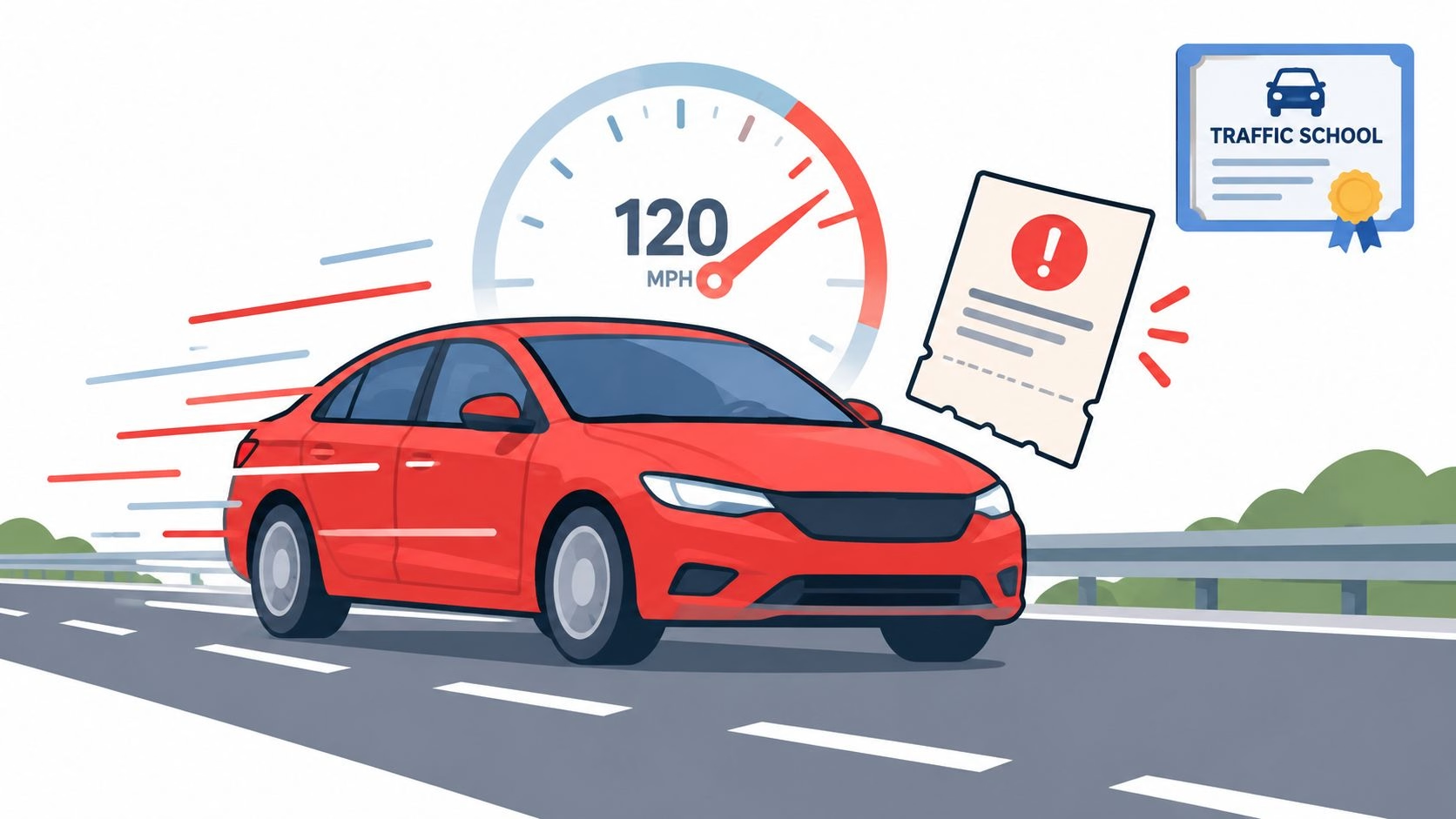
The financial incentive to drive defensively is substantial. Completing a Florida-approved Basic Driver Improvement course can prevent points on your license, stopping insurance rate increases that typically cost drivers hundreds of dollars over three years. Many major auto insurers offer premium discounts for completing defensive driving or mature driver courses, and the certificate can be submitted immediately after passing to apply eligible savings. Beyond insurance discounts, defensive driving reduces ticket risk by teaching you to recognize high-risk zones like schools, busy intersections, and construction areas where enforcement is heavy.
Building Situational Awareness Through SIPDE
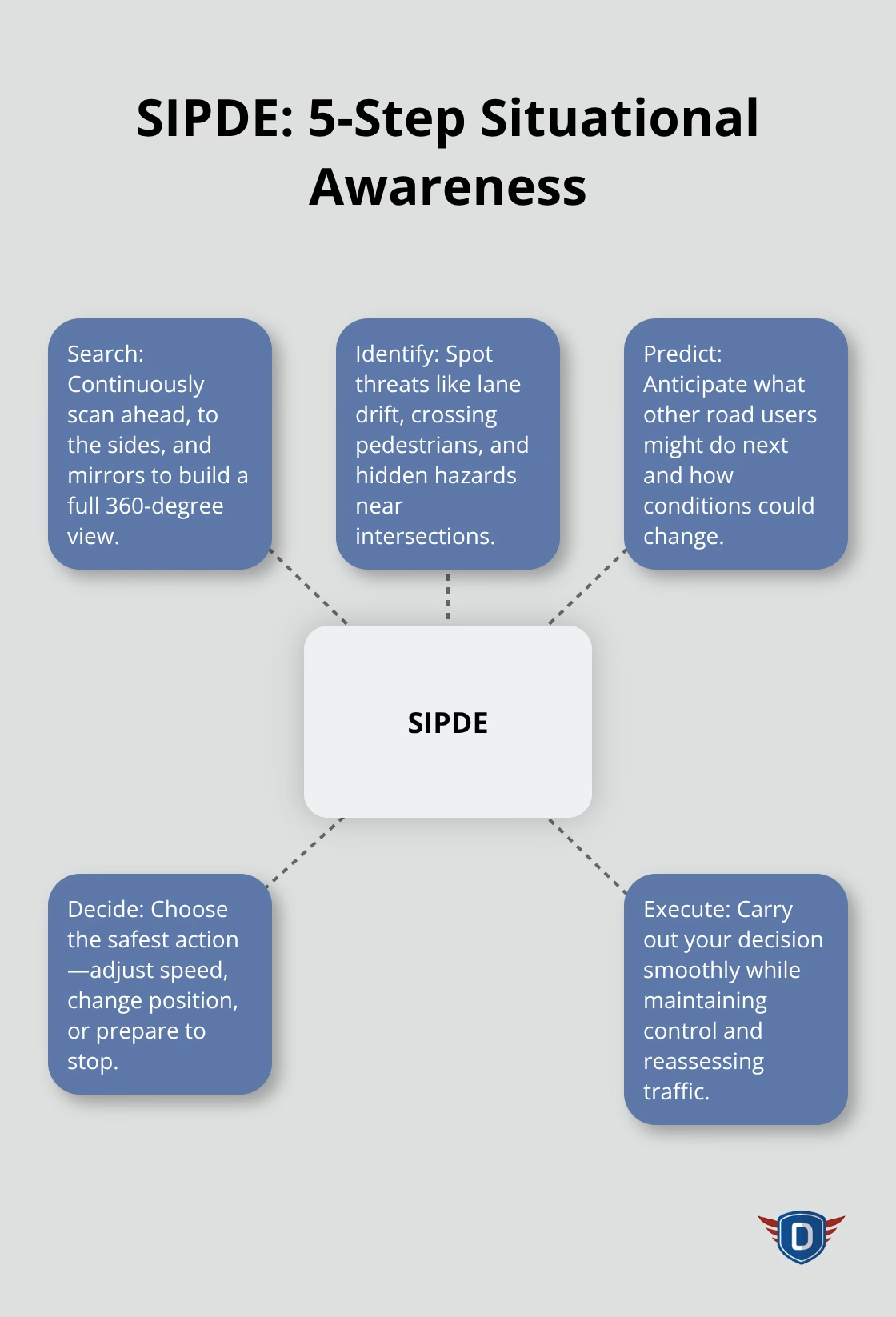
The SIPDE method-Search, Identify, Predict, Decide, Execute-builds the 360-degree situational awareness that keeps you out of trouble. This means you scan left, right, and left again at intersections to prevent T-bone crashes, adjust your lane position to create buffer space around parked cars and cyclists, and make eye contact with pedestrians before proceeding through green lights. A green signal doesn’t guarantee safety; red-light runners and crossing pedestrians create hazards that defensive drivers anticipate.
Developing Automatic Safety Habits
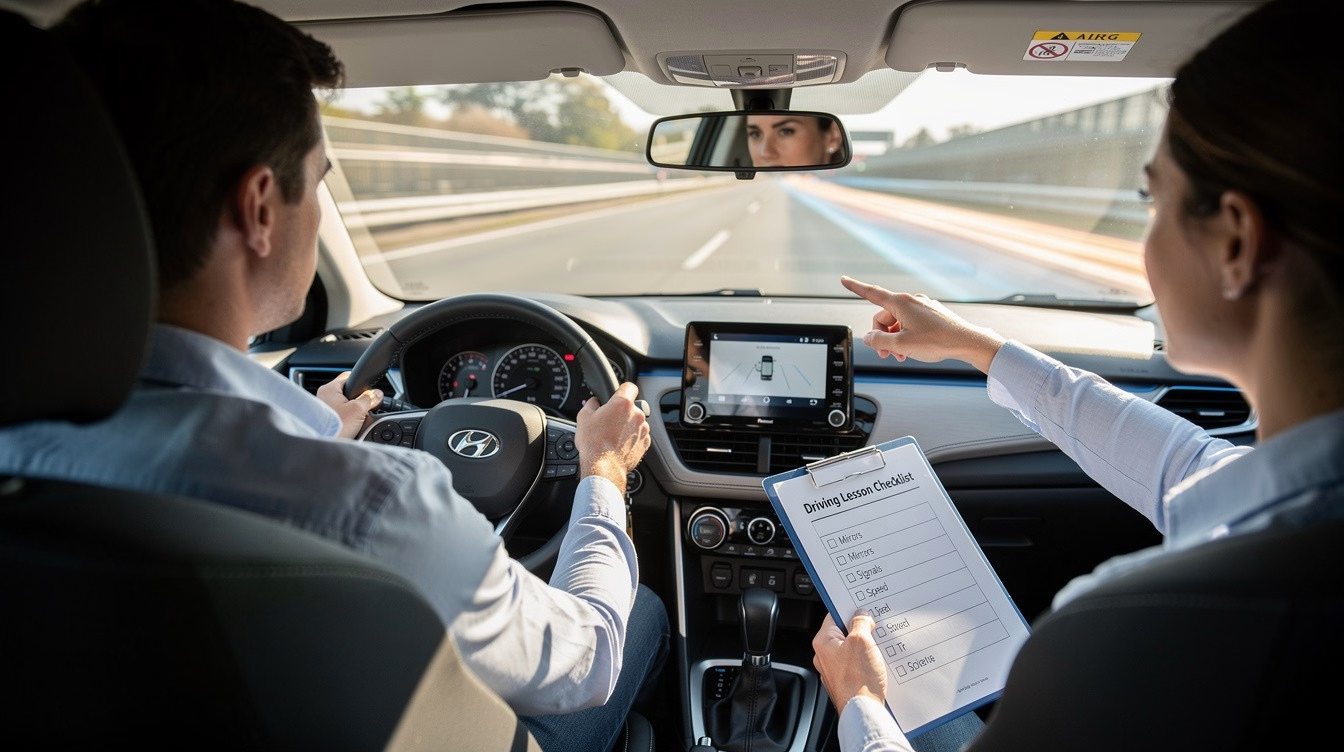
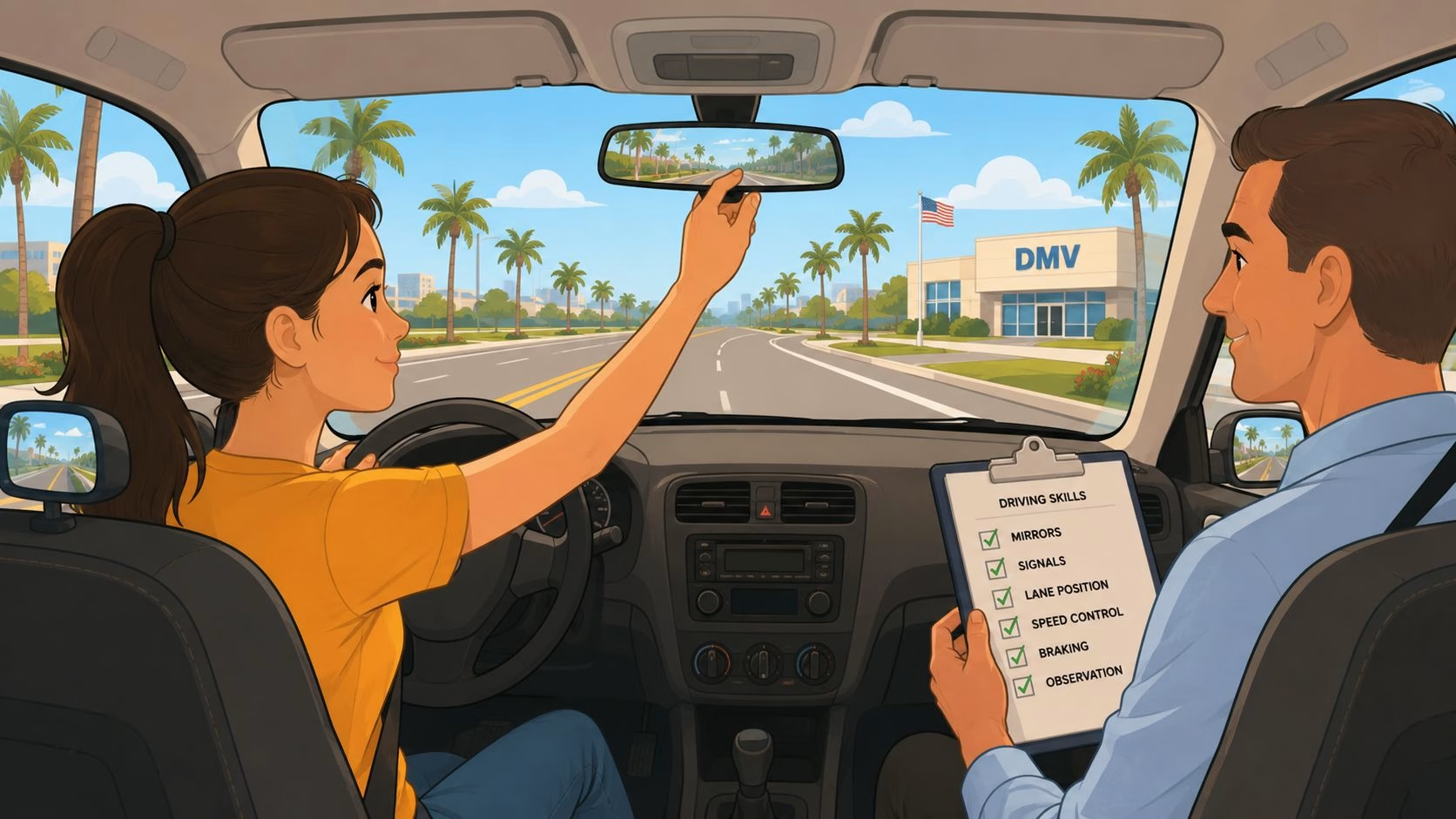
The mirror routine becomes automatic with practice: adjust mirrors before driving, perform continuous sweeps every few seconds, and execute a shoulder check before every lane change. These habits take weeks to develop but become second nature, transforming your driving from reactive to proactive. Once these techniques become automatic, you’ll find yourself naturally positioned to handle the unexpected moves that other drivers make on Florida’s congested highways.
The Four Techniques That Stop Crashes Before They Happen
Following Distance: Your First Line of Defense
Following distance determines whether you collide or stop safely. The Three-Second Rule works on Florida highways at any speed: pick a fixed object ahead and count the seconds between when the vehicle in front passes it and when you reach it. Three seconds gives your brain time to process danger and your foot time to brake.
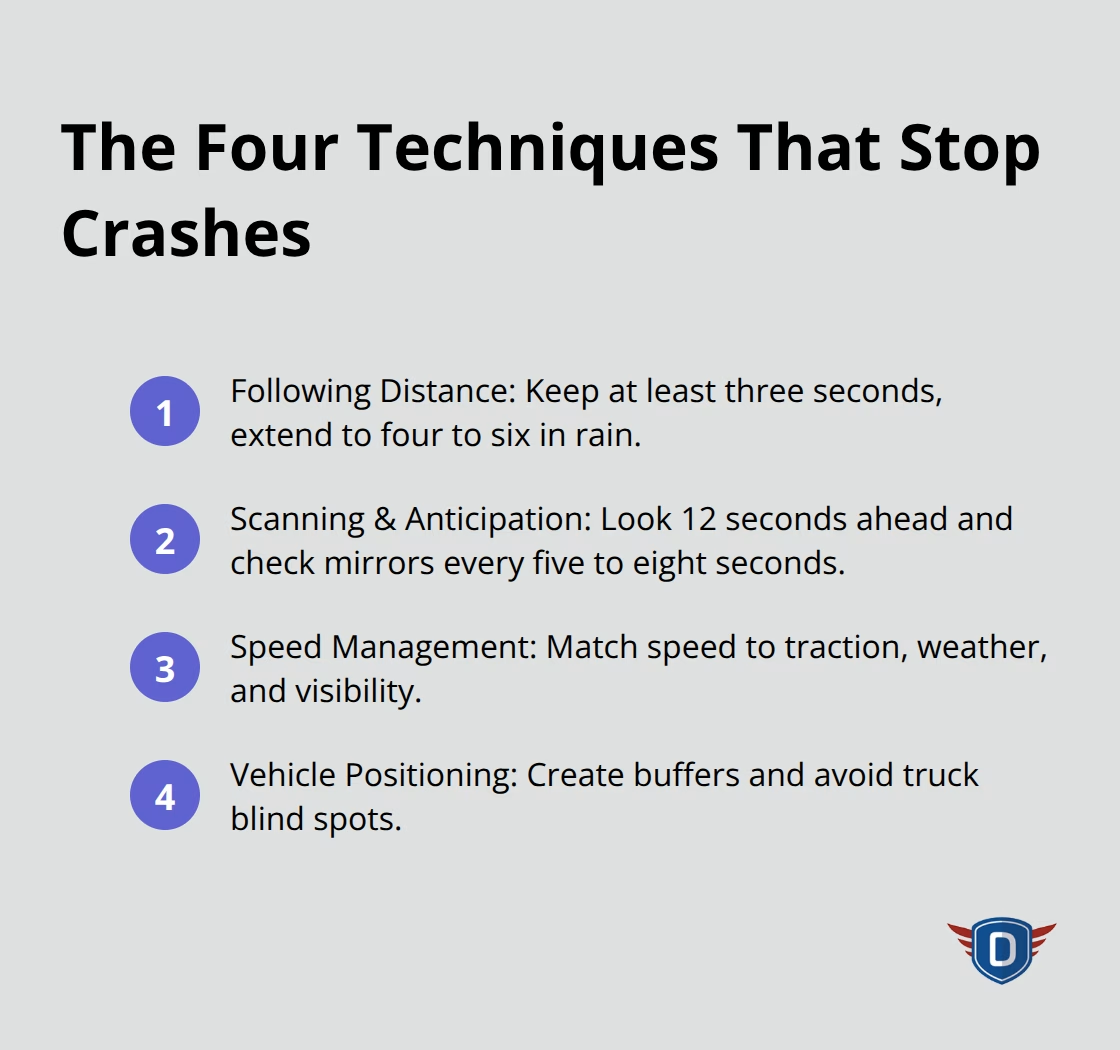
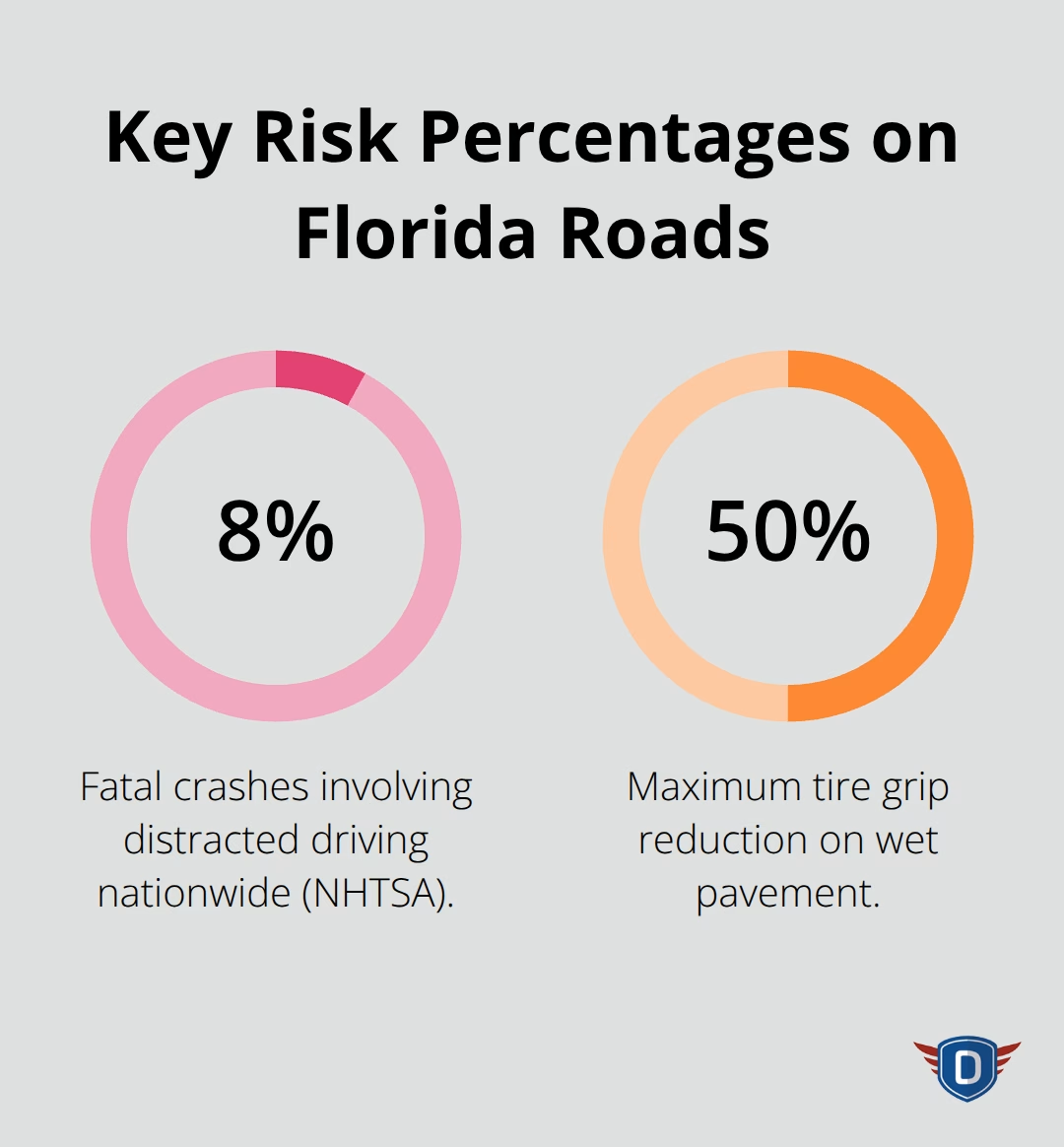
In rain, this becomes inadequate-extend to four to six seconds because wet pavement reduces tire grip by up to 50 percent. During heavy downpours on I-75 or I-95, most drivers maintain three seconds and pay for it with rear-end collisions. You extend following distance first, before speed becomes a problem. This single adjustment prevents more crashes than any other defensive technique.
Scanning and Anticipation: Eyes That Catch Danger Early
Your eyes must move constantly in a pattern, not fixed on the vehicle ahead. Look 12 seconds ahead on highways (roughly a quarter-mile at 55 mph) to spot brake lights, lane drift, or debris before they force emergency reactions. Check your mirrors every five to eight seconds-this habit catches vehicles entering your blind spots before they create hazard. At intersections, scan left-right-left before crossing on green, because red-light runners pose a serious threat.
Anticipating hazards requires you to identify cues that signal danger. A vehicle drifting between lanes signals an inattentive or impaired driver, so increase distance and prepare to brake. A pedestrian stepping toward the curb might enter your path, so reduce speed in school zones and residential areas where these situations occur constantly.
Speed Management: Matching Conditions to Road Reality
Speed management in different conditions isn’t about following the posted limit-it’s about matching speed to what the road surface allows. Reduce speed 5 to 10 mph in rain, and further in standing water where hydroplaning becomes possible. Wet sand on coastal roads after storms reduces traction dramatically, requiring even slower speeds. Construction zones demand speed reduction not because signs say so, but because stopped vehicles ahead appear suddenly and your stopping distance increases on unpredictable pavement.
Vehicle Positioning: Creating Safety Buffers
Vehicle positioning creates safety buffers that prevent crashes before they develop. When parked cars line a street, shift toward the center line to increase distance from doors opening suddenly-this shift must happen before you reach the cars, not as a reaction. Large trucks have blind spots extending 20 feet behind and 10 feet to the side, so never linger beside them or immediately behind them. Position yourself in the right lane on multi-lane roads and pass only when you have clear visibility ahead for the distance required to complete the maneuver safely. After passing, return to the right lane only when you see the passed vehicle’s headlights in your mirror, ensuring complete clearance.
These four techniques work together to transform how you interact with Florida’s roads. The next chapter explores the specific hazards that threaten drivers daily and shows you exactly how to recognize and avoid them before they escalate into dangerous situations.
What Hazards Threaten You Most on Florida Roads
Distracted Driving: The Silent Killer
Distracted driving kills more people on Florida roads than weather or impaired driving combined. The National Highway Traffic Safety Administration reports that distracted driving accounts for roughly 8 percent of all fatal crashes nationwide, and Florida’s congested highways during tourist season amplify this risk dramatically. When a driver checks their phone at 55 mph, the vehicle travels 242 feet before they refocus on the road, and that distance expands to 330 feet at 70 mph.
You cannot control whether the vehicle ahead stops suddenly or swerves into your lane while the driver’s attention is elsewhere, but you can recognize the cues that signal distracted driving. A vehicle drifting between lanes without signaling, inconsistent speed, or delayed reactions to brake lights all indicate an inattentive driver. When you spot these behaviors, increase your following distance immediately to five or six seconds and prepare to brake hard. Never assume a distracted driver will maintain their lane or speed.
Aggressive Drivers: Unpredictable and Dangerous
Aggressive drivers pose a different threat because their actions are deliberate and unpredictable. Road rage incidents spike during rush hour on I-95 and I-4, where drivers tailgate, cut off other vehicles, and respond to perceived slights with dangerous maneuvers. Your response to aggressive driving must remain passive and strategic.
If another driver tailgates you, do not brake suddenly or match their aggression. Instead, ease off the gas gradually, slow your vehicle safely, and let them pass. Make eye contact with aggressive drivers only if absolutely necessary for safety, and never escalate through honking or gestures. This approach removes you from the conflict and keeps you alive.
Weather Hazards: Rain and Hydroplaning
Florida’s weather creates immediate hazards that demand split-second responses. Wet roads reduce tire traction, making braking less effective and increasing stopping distances. Standing water on highways can cause hydroplaning at speeds as low as 35 mph if tires lack sufficient tread depth. When rain begins, turn your headlights on immediately and reduce speed by at least 5 to 10 mph before conditions worsen.
If your vehicle begins to hydroplane, resist the instinct to brake hard. Instead, ease off the accelerator and steer straight until traction returns. This technique (maintaining steering control while reducing power) prevents the vehicle from spinning and gives tires time to regain contact with the road surface.
Impaired Drivers: The Most Unpredictable Threat
Impaired drivers create the most unpredictable hazard because their vehicle control is compromised at every moment. Impaired driving remains a critical safety issue on Florida roads, particularly during evening hours and weekends when alcohol consumption peaks. Identify impaired drivers through their erratic lane positioning, sudden speed changes, difficulty maintaining straight paths, and delayed responses to traffic signals.
When you suspect an impaired driver, do not attempt to stop them or engage them. Instead, create maximum distance by slowing down and allowing them to move ahead, then contact law enforcement with their vehicle description and location. Your job is to avoid them, not to intervene. This approach (reporting to authorities while maintaining distance) protects you and other road users from serious harm.
Final Thoughts
Defensive driving techniques Florida drivers master through formal training transform how you respond to hazards on the road. The methods covered in this guide work only when they become automatic, and that automation requires structured practice under expert guidance. At floridadetscourse.com, we provide Florida-approved traffic school courses that embed these techniques into your driving habits permanently, and our Basic Driver Improvement course takes four hours to help you avoid points on your license while learning the defensive skills that prevent future crashes.
Insurance companies recognize that drivers who complete state-approved courses demonstrate commitment to safe driving, and most major insurers offer premium discounts for course completion. A driver who reduces their crash risk through defensive driving saves hundreds of dollars over three years in avoided rate increases and accident-related costs. Your certificate arrives electronically upon completion and you can submit it to your insurer immediately to apply eligible discounts.
Real-world application of safe driving habits requires instruction that shows you exactly how to recognize the specific hazards that appear on Florida highways daily, then practice responding to those hazards until your reactions become instinctive. Start your training at floridadetscourse.com and transform your driving from reactive to proactive, protecting yourself and everyone sharing Florida’s roads.