Taking a DETS course is one of the smartest decisions a new driver can make. This overview walks you through exactly what to expect, from the course structure to the support you’ll receive along the way.
At floridadetscourse.com, we’ve designed this guide to answer your questions before you start. You’ll learn how the modules work, what skills you’ll gain, and how this course prepares you for real roads.
What DETS Covers and How Long It Takes
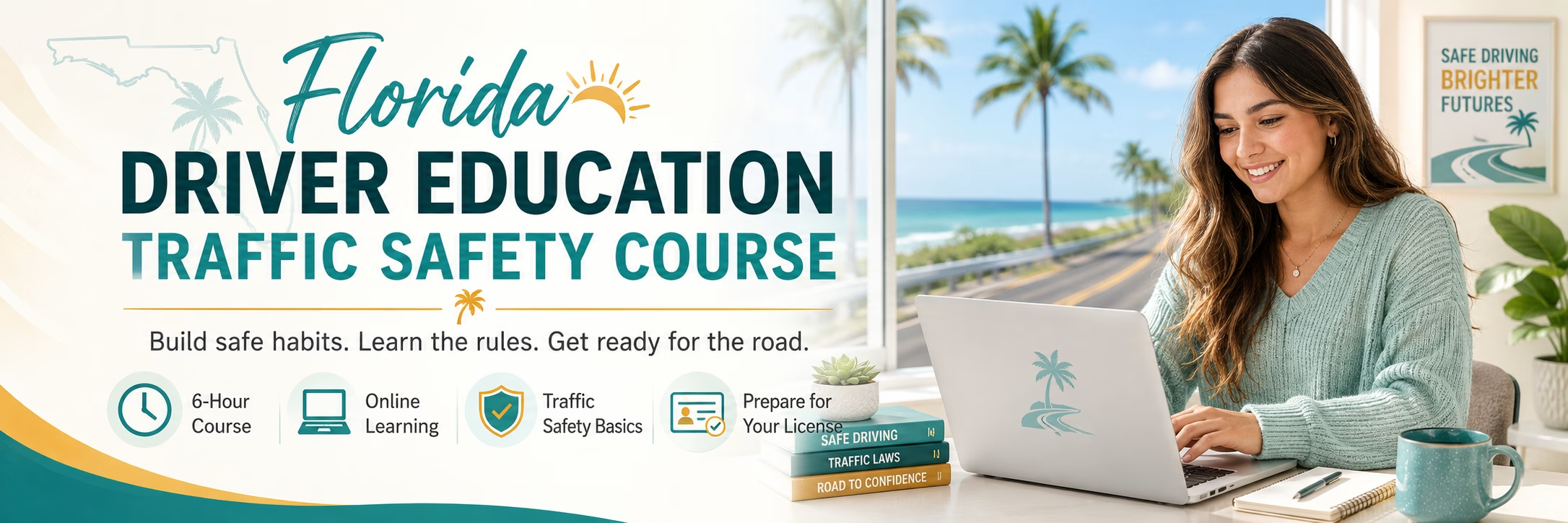
DETS stands for Driver Education Traffic Safety, and it’s a 6-hour mandatory course that Florida requires for all teens under 18 applying for a learner’s permit starting July 1, 2025. The course replaces the older TLSAE program because Florida recognized that teen drivers needed more than just substance abuse education and traffic law basics. DETS goes deeper into decision-making, real-world hazards, and practical safety strategies that actually stick with drivers long-term. The state’s goal is straightforward: fewer teen crashes and more confident, educated drivers on Florida roads.
The Eight Core Topics You’ll Master
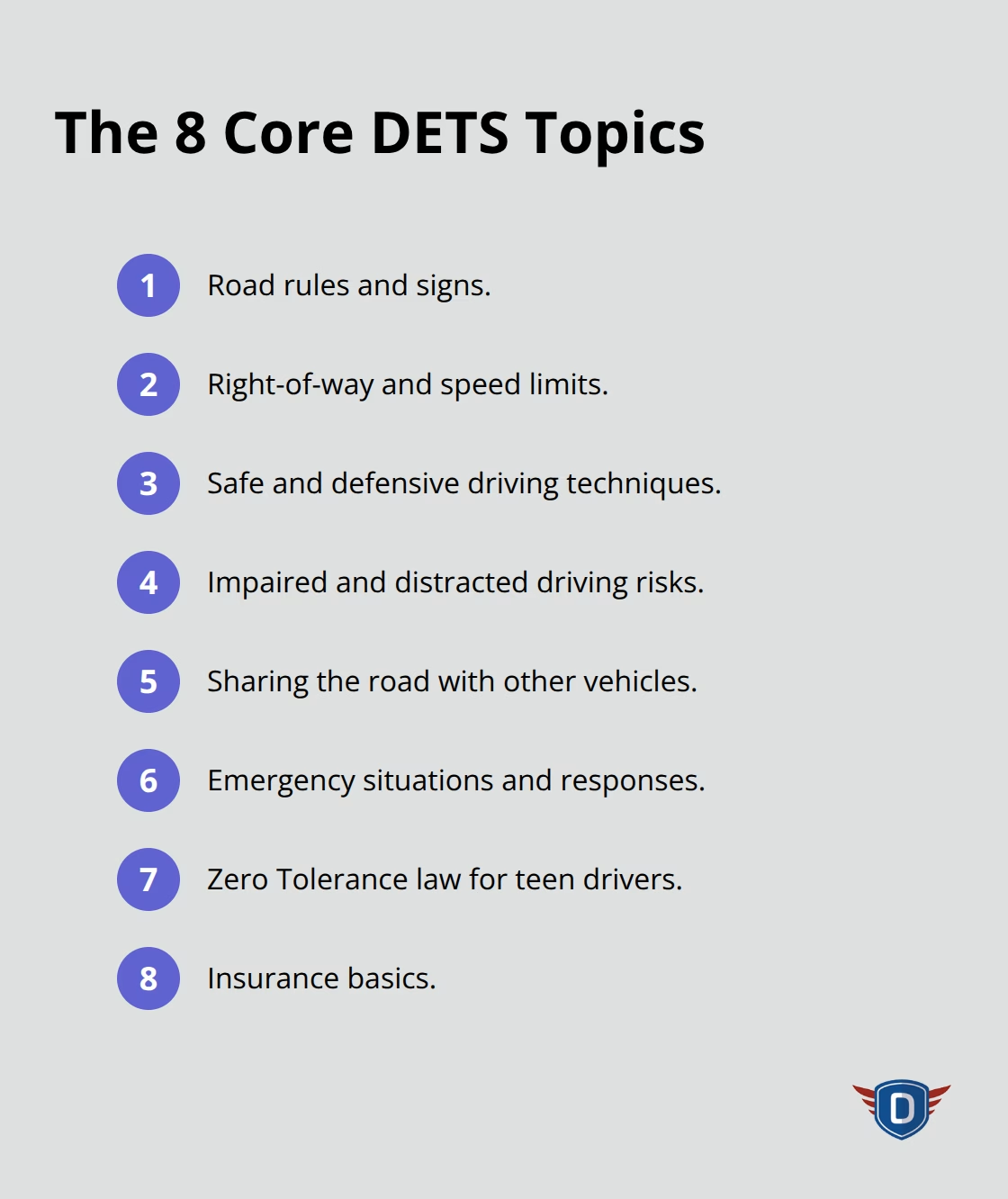
Florida structured the 6-hour requirement to cover what matters most: road rules and signs, right-of-way and speed limits, safe and defensive driving techniques, impaired and distracted driving risks, sharing the road with other vehicles, emergency situations, Zero Tolerance law for teen drivers, and insurance basics. You won’t encounter filler content. Each topic connects directly to decisions you’ll make behind the wheel. The course translates classroom concepts into real scenarios, so you understand not just what the rules are but why they exist and what happens when you ignore them.
Complete It in One Day or Spread It Out
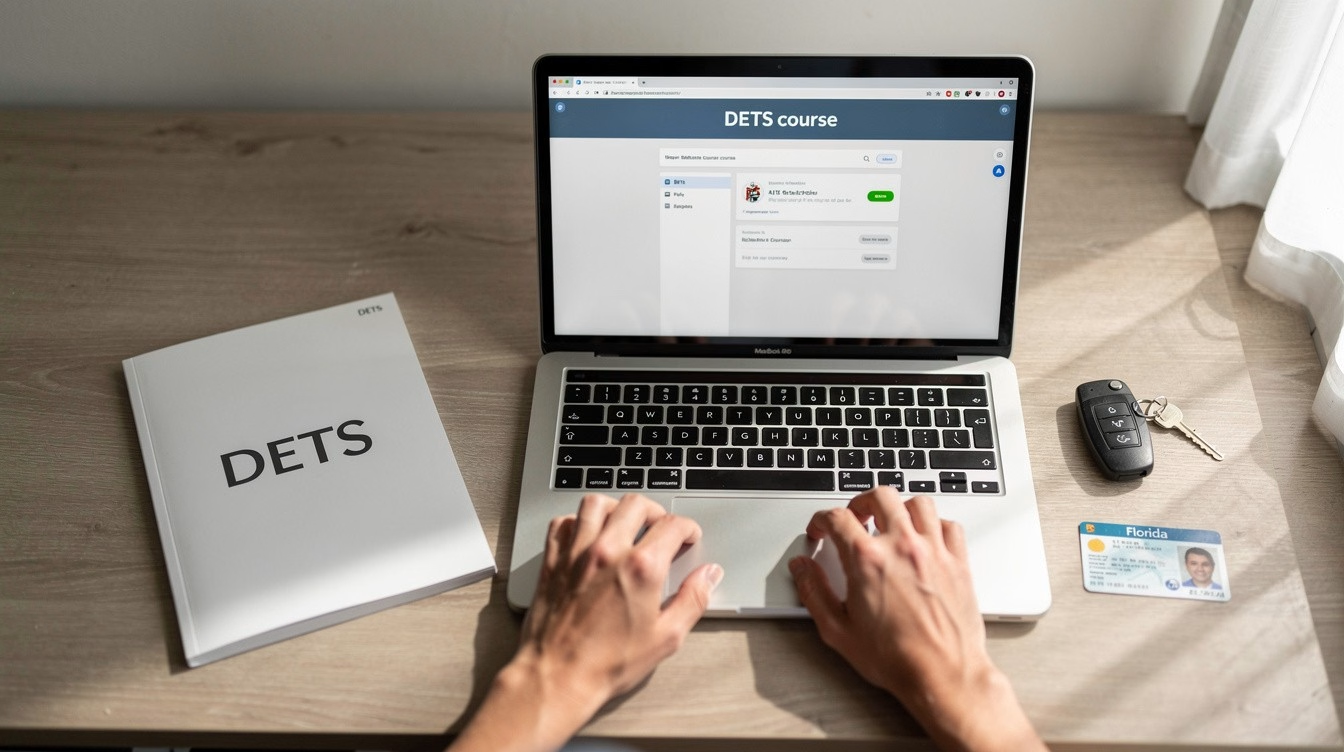
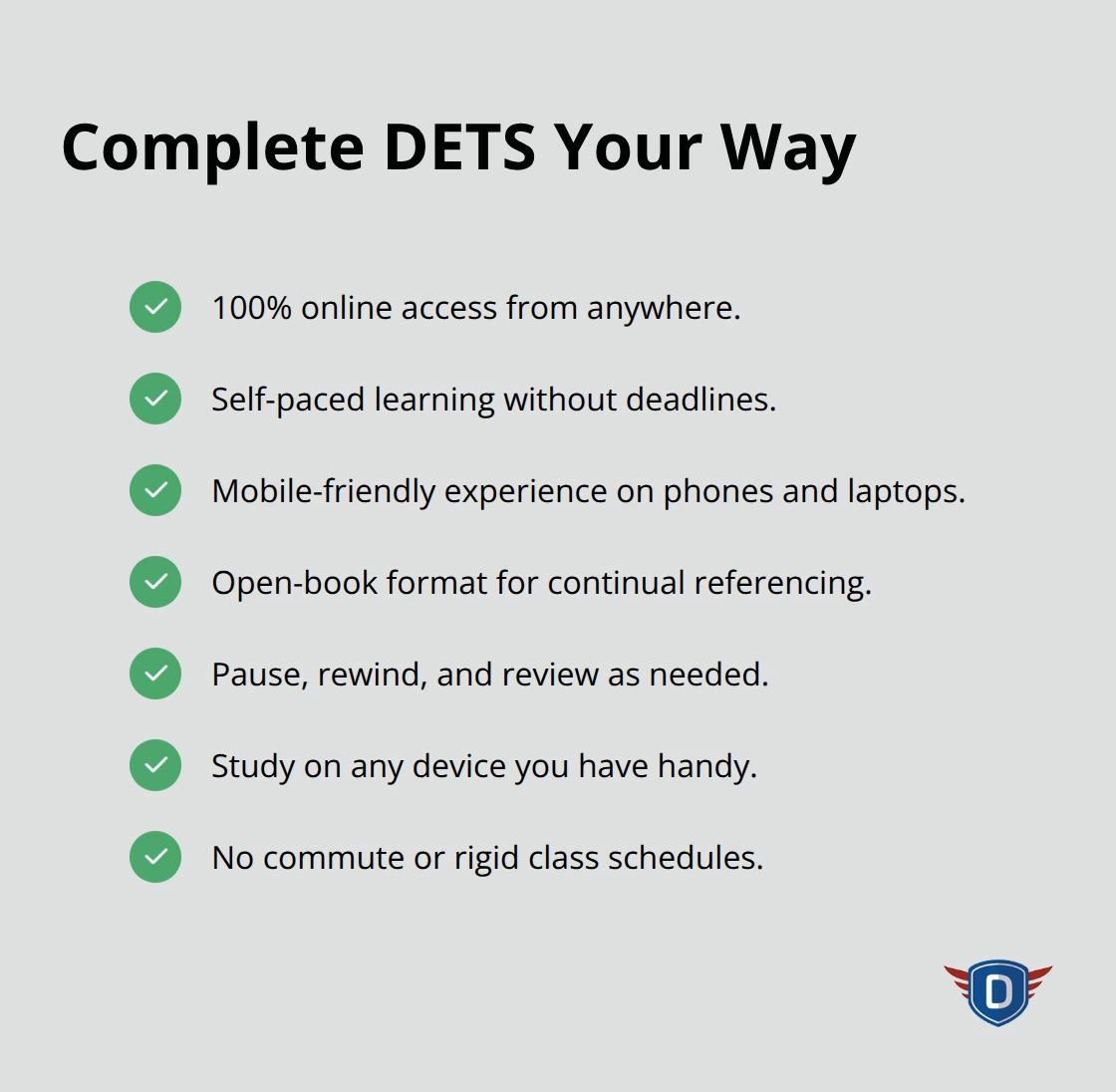
Here’s what makes DETS practical: it’s 100% online, self-paced, mobile-friendly, and open-book. You can complete it in a single day if you focus, or spread it across a few weeks. Most providers deliver the course through an intuitive platform where you progress through modules at your own speed. You can pause, rewind, and review content without pressure. The flexibility matters because you’re balancing school, work, and other commitments (no rigid class schedules, no commute to a classroom).
You study when it works for you, on whatever device you have handy.
Study on Your Schedule, Not Ours
The self-paced format puts control in your hands. You don’t race through material to keep up with classmates or sit idle waiting for others to catch up. Mobile-friendly design means you can work through a module during lunch, between classes, or at home in the evening. The open-book approach lets you reference materials as you learn, reinforcing concepts rather than testing your memory under pressure. This structure works because it acknowledges that teen drivers have packed schedules (school, jobs, sports, family obligations). You fit DETS into your life, not the other way around.
What Happens After You Finish
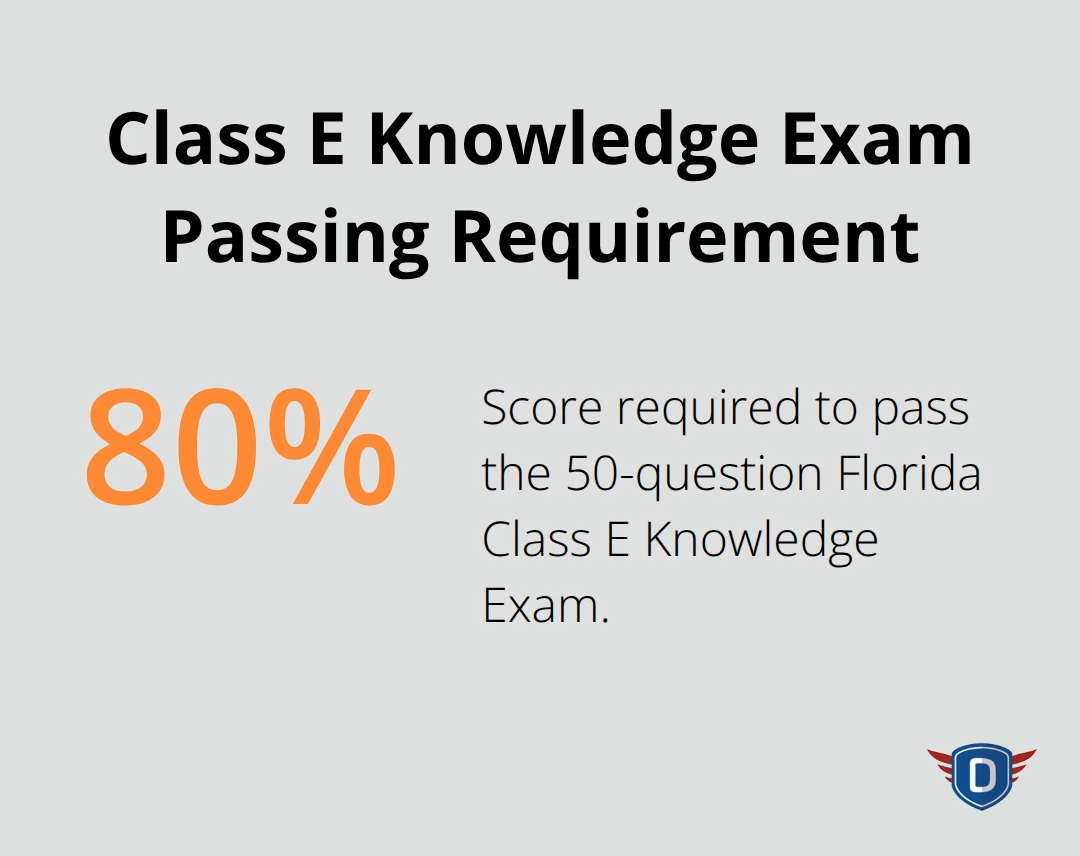
Once you complete all six hours and pass the course, you receive a Certificate of Completion. This certificate is your ticket to the next step: taking the Florida Class E Knowledge Exam at your local DMV office. That 50-question test covers the material you learned and requires an 80% score to pass. After you pass the exam, you’re ready to gather your documents and schedule your DMV appointment to officially obtain your learner’s permit.
What Skills You’ll Actually Use on the Road
Traffic Laws That Prevent Real Collisions
The DETS course focuses on decisions you face every time you drive, not abstract concepts or outdated material. Florida built this program around what matters most on the road. You’ll learn traffic laws and regulations as practical tools rather than memorization exercises. Right-of-way rules prevent collisions at intersections. Speed limits in school zones exist because pedestrian fatality risk increases dramatically when drivers exceed posted speeds. Zero Tolerance law applies specifically to teen drivers in Florida, and you need to understand how it affects your driving record and future.
The course shows you real consequences. A teen driver who causes a crash faces license suspension, court involvement, and insurance rates that can double or triple for years. These aren’t scare tactics-they’re facts that shape your financial and legal future.
Defensive Driving Techniques That Save Lives
Defensive driving techniques receive equal weight because they’re what actually saves lives on the road. You’ll study how to scan the road ahead, position your vehicle to avoid hazards, and react when other drivers make mistakes. The course emphasizes a critical truth: you can’t control what other drivers do, but you can control your speed, following distance, and attention.
Statistics from the National Highway Traffic Safety Administration show that teen drivers have the highest crash rates of any age group, mainly because of immaturity, lack of skills, and lack of experience. DETS addresses both directly through scenarios where you practice identifying hazards before they become emergencies. You work through situations that test your decision-making and build confidence in your ability to respond correctly.
Real Scenarios That Stick With You
Real-life scenarios form the backbone of what makes this course effective. You won’t just read about impaired driving; you’ll see how judgment deteriorates and response times slow. Then you work through scenarios where you decide whether to drive, call for a ride, or ask someone else to drive. The same applies to distracted driving: the course shows you actual reaction times when your eyes leave the road for even three seconds at highway speed.
Insurance basics get covered because you need to understand liability, coverage types, and how claims work when accidents happen. Emergency situations-skids, brake failure, hydroplaning-are presented with step-by-step responses so you know what to do rather than panic. You’re not absorbing information passively; you’re thinking through decisions and building muscle memory for safe choices.
Why Scenario-Based Learning Works Better
Research shows that scenario-based learning produces better retention and transfer to real driving than traditional lecture formats. The course structure means you engage actively with material instead of sitting through lectures. You face realistic situations, make decisions, and understand the outcomes. This approach works because your brain retains information better when you participate in solving problems rather than just receiving information.
The next chapter covers the interactive features and support systems that make your learning experience smooth and manageable.
How to Navigate DETS and Get Support When You Need It
The Dashboard Puts You in Control
The DETS platform opens with a clear dashboard that shows your progress through the six hours of content. Each module appears in order, with a progress bar that updates as you complete sections. The navigation requires no hunting for buttons or figuring out hidden menus. You move forward, pause, or jump back to review specific topics without friction. Most providers structure the interface so a first-time user starts the course within seconds of logging in. The mobile design adapts to whatever screen size you use, whether you work on a phone during a break or a laptop at home. This straightforward design matters because you focus on learning, not troubleshooting software.
Support Arrives When You Need It
Technical issues do arise, and providers typically offer support through email, phone, or live chat. When you contact support with a problem, they respond quickly because they understand that a student stuck on a login issue or frozen video wastes time and loses momentum. Many providers also include a help section within the platform itself, with FAQs and video tutorials for common questions like password resets, device compatibility, or browser requirements. You receive assistance without delays.
Your Pace, Your Learning Style
The real advantage of DETS is that you control your pace without sacrificing guidance. Unlike a traditional classroom where an instructor moves through material on a fixed schedule, you progress through modules at whatever speed works for your learning style. Some students absorb concepts quickly and move through sections in 20 minutes. Others need more time to process information and take 45 minutes per module. Both approaches work equally well because the course accommodates different learning speeds.
You can rewatch videos or reread explanations as many times as needed without judgment or delays. If you feel confused about right-of-way rules, you rewind that section and watch it again until it clicks. In a classroom setting, you would raise your hand and interrupt the teacher or wait until after class. The self-paced format removes that friction entirely.
Flexibility That Fits Your Life
You can pause mid-module to take a break, handle a work call, or attend to family obligations, then resume exactly where you left off. This flexibility matters because you are a teenager with a full life, not someone whose only responsibility is driver education. Most students complete the course without feeling rushed or stressed because the structure respects their reality.
When you finish and earn your Certificate of Completion, you move forward to the Class E Knowledge Exam with actual confidence in the material rather than anxiety about what you might have forgotten.
Final Thoughts
DETS gives you concrete skills that transfer directly to the road. You learn how to identify hazards, make split-second decisions, and understand the real consequences of poor choices. The eight topics Florida identified as essential for teen driver safety-from traffic laws to emergency situations-shape your behavior behind the wheel for years to come.
The practical scenarios throughout this DETS course overview stick with you because your brain retains information better when you actively solve problems rather than passively receive lectures. You work through situations involving impaired driving, distracted driving, and hazard recognition that reflect actual decisions you’ll face on Florida roads. The knowledge you gain becomes instinct, which is exactly what safe driving requires.
Start your DETS course today and take control of your driving future through floridadetscourse.com. After you complete the course and pass the Class E Knowledge Exam, you’ll walk out of your DMV appointment with your learner’s permit and the confidence that comes from real preparation.