
A DUI conviction in Florida comes with serious consequences-hefty fines, license suspension, and mandatory substance abuse education programs. These requirements aren’t just bureaucratic hurdles; they’re designed to keep impaired drivers off the road and protect everyone.
At floridadetscourse.com, we help drivers understand what substance abuse education in Florida actually involves and why completing it matters for your driving future. This guide walks you through the legal requirements, enrollment process, and real benefits of getting properly educated.
What Happens When You Get a DUI in Florida
Immediate Penalties and License Suspension
A DUI conviction in Florida triggers immediate and lasting consequences that extend far beyond the courtroom. First-time offenders face fines ranging from $500 to $1,000, plus mandatory jail time of up to six months.
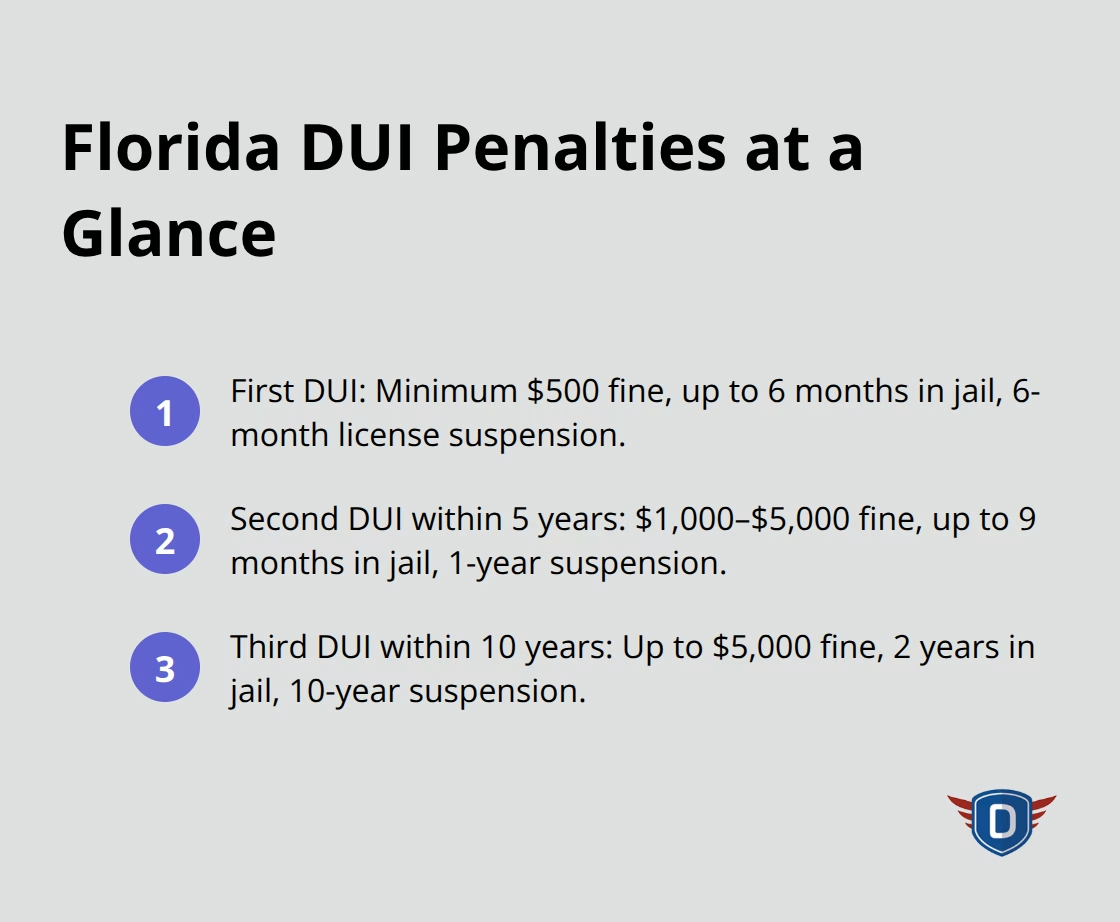
License suspension hits hard: you lose driving privileges for six months minimum, and that suspension appears on your driving record for 75 years under Florida law. The Florida Department of Highway Safety and Motor Vehicles enforces these suspensions strictly, and driving with a suspended license adds criminal charges on top of your original conviction.
Special Rules for Drivers Under 21
Drivers under 21 face a different path when their blood alcohol level falls between 0.02 and 0.05. You face license suspension paired with mandatory substance abuse education just to regain a hardship license for work or school. This stricter standard reflects Florida’s commitment to protecting young drivers from impaired driving risks.
Escalating Penalties for Repeat Offenses
Repeat offenders face exponentially steeper penalties that transform your legal situation. A second DUI within five years means fines up to $2,000, up to nine months in jail, and a one-year license suspension. A third DUI becomes a felony in Florida, fundamentally changing your criminal record and future opportunities.
Mandatory Education and Insurance Consequences
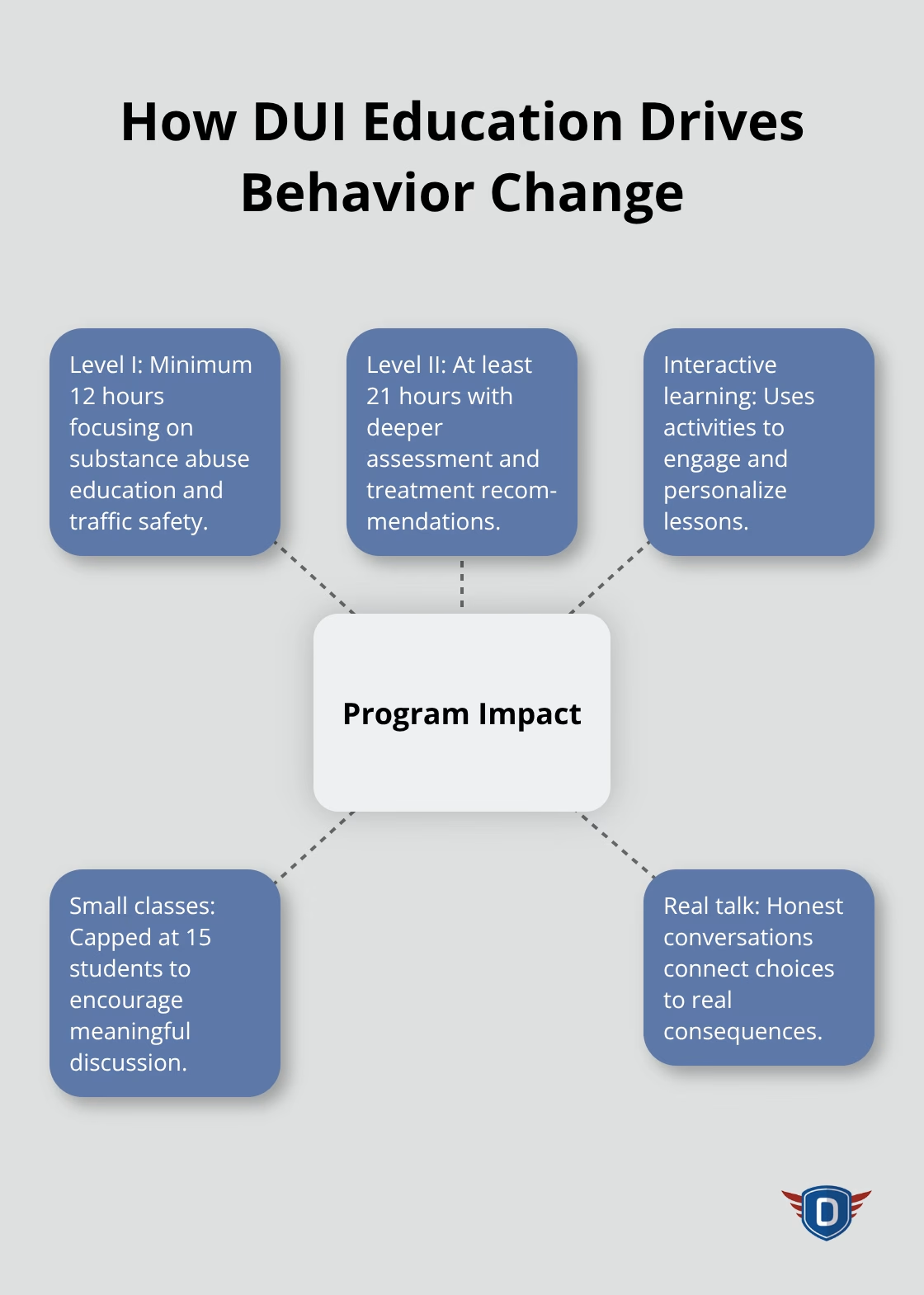
Florida’s substance abuse education requirement isn’t optional-it’s the price of compliance. First-time DUI offenders must complete a Level I program (minimum 12 hours), which focuses on substance abuse education and traffic safety. Repeat offenders within five years must complete Level II, a more intensive 21-hour minimum program that examines addiction assessment and often includes treatment recommendations from Department of Children and Families licensed providers. These programs use interactive techniques to maximize learning, and class sizes are capped at 15 students to ensure meaningful discussion. The FLHSMV maintains a statewide directory of certified DUI providers across all Florida counties, so you can find an approved program near you.
Insurance companies view DUI convictions as high-risk behavior, and your rates don’t just increase-they can triple or quadruple for three to five years after conviction. A single DUI adds approximately $1,500 to $2,500 annually to your insurance costs, compounding over time. Your driving record carries this conviction permanently in Florida’s system, affecting employment opportunities, professional licensing, and housing applications for decades. Understanding these financial and legal consequences makes clear why substance abuse education programs exist-they offer a structured path to address the root causes of impaired driving and help you avoid repeating these costly mistakes.
Why Substance Abuse Education Actually Changes Driver Behavior
How Impairment Breaks Down Your Driving Ability
Alcohol and drugs don’t just impair your reflexes-they fundamentally break down the cognitive processes that keep you safe on the road. When you drive impaired, your brain struggles to process visual information quickly, judge distances accurately, and make split-second decisions. According to the National Highway Traffic Safety Administration, drivers with a BAC of .08 are approximately 4 times more likely to crash than drivers without impairment.
You lose the ability to steer smoothly, brake in time, and anticipate hazards ahead. Stimulants like methamphetamine increase reckless decision-making, while depressants like opioids slow your entire cognitive system. The dangerous part is that impaired drivers consistently overestimate their ability to drive safely, creating a false confidence that leads directly to crashes.
Florida’s Substance-Related Crash Statistics
Florida’s substance abuse accident data reveals the real cost of this impairment. The FLHSMV reports that alcohol-related crashes continue to devastate communities across the state, and drug-involved crashes continue climbing as opioid and methamphetamine use spreads. These numbers represent families destroyed, communities fractured, and preventable tragedies that education programs aim to stop.
How Substance Abuse Programs Address Root Causes
Completing a substance abuse education program-whether it’s the Level I 12-hour course for first-time offenders or the Level II 21-hour program for repeat offenders-forces you to confront how your decisions behind the wheel affect real people. These programs don’t lecture from a distance; they use interactive techniques and small class sizes capped at 15 students to create honest conversations about the choices that led to your DUI and the choices you’ll make moving forward.
The structured content examines how addiction develops, how impairment actually works physiologically, and what treatment options exist if substance use is a genuine problem in your life. You’re not just checking a legal box; you’re gaining practical knowledge about your own risk factors and learning concrete strategies to avoid driving impaired.
Measurable Outcomes and Behavioral Change
Long-term outcomes matter: drivers who complete these programs show measurably lower recidivism rates than those who skip them. The education forces behavioral change because it addresses the psychology of why you drove impaired in the first place, not just the legal consequences of getting caught. Understanding how your decision-making behind the wheel connects to your overall life choices transforms how you approach every drive.
The next step involves understanding exactly what these programs require and how to enroll in one that fits your schedule and learning style.
Getting Started With Florida Substance Abuse Education
Understanding Your Program Requirements
Florida law mandates two distinct substance abuse education tracks depending on your offense history. First-time DUI offenders must complete a Level I program lasting a minimum of 12 hours, which covers substance abuse education, traffic safety, and the physiological effects of impairment. Repeat offenders within five years face a Level II program requiring at least 21 hours, with more intensive assessment and treatment recommendations from Department of Children and Families licensed providers.
Finding and Verifying Approved Providers
The FLHSMV maintains an official approved provider list across all Florida counties, and you must enroll only with a certified provider. Attempting to complete the requirement elsewhere wastes time and money because the state won’t recognize it. When you contact a provider, ask directly about their delivery format since options vary significantly: some operate classroom-only programs, others offer purely online courses, and many provide both.
Comparing Delivery Formats and Costs
Online programs typically cost less than in-person classes and let you complete coursework on your schedule. Classroom formats create accountability through set meeting times and direct instructor interaction.
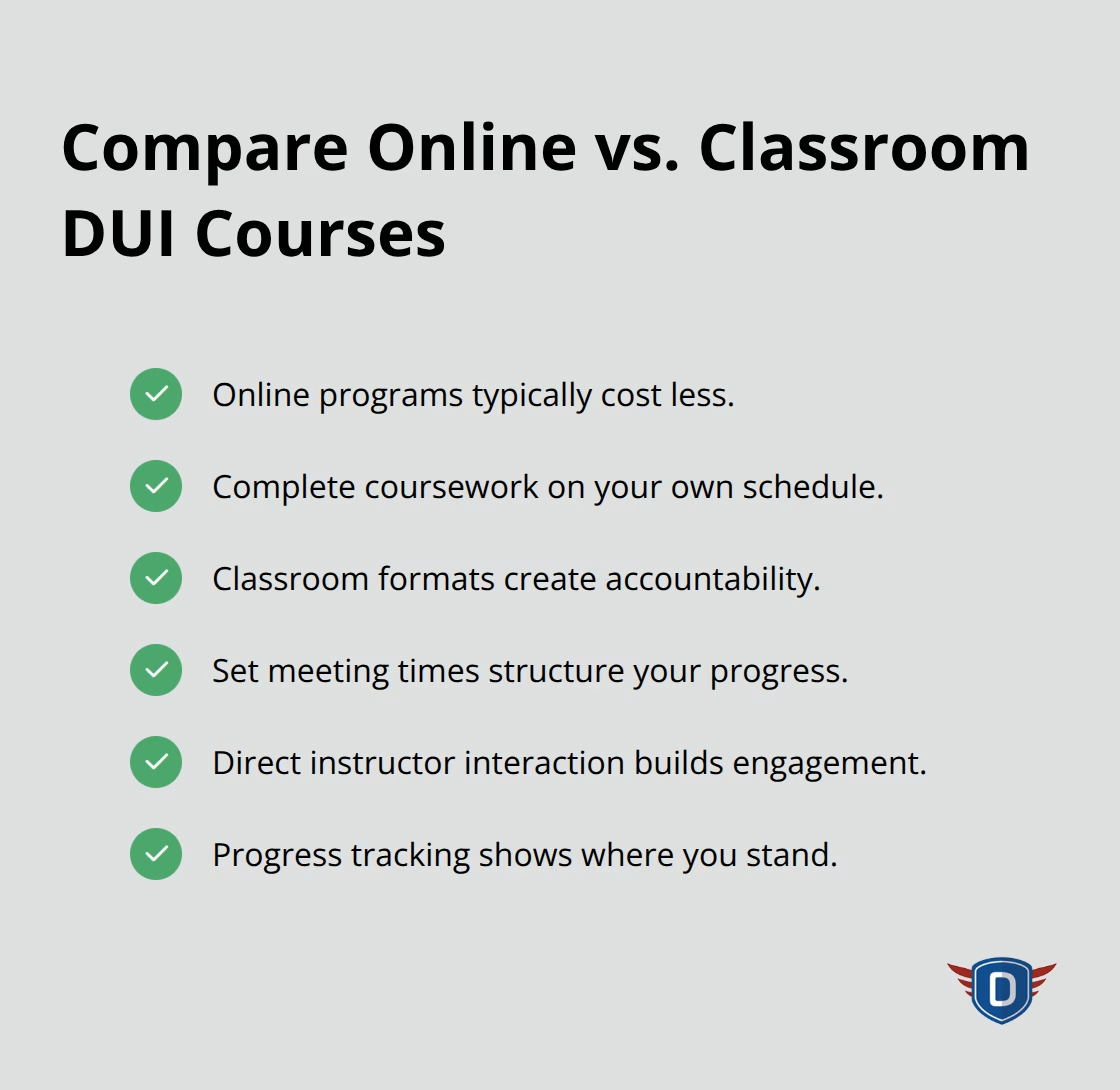
Online substance abuse education offers flexibility and speed-you can study from home, work, or anywhere with internet access. Progress tracking shows exactly where you stand in the course at any moment.
Completing Your Course and Obtaining Certification
Upon completing all required hours and passing the final exam, you receive an electronic completion certificate immediately with a confirmation code. You submit this confirmation code to FLHSMV when applying for license reinstatement or meeting court requirements. The state processes these certificates quickly when they come from approved providers, typically within days, so you’re not waiting weeks to move forward with your license restoration. Verify before enrolling that your chosen provider appears on the official FLHSMV approved provider roster-this single step prevents the frustration of completing a course only to discover it doesn’t count toward your legal requirement.
Final Thoughts
Substance abuse education in Florida programs force honest reflection on how impairment affects your judgment, your safety, and everyone sharing the road with you. This reflection creates lasting behavioral change because you confront the specific choices that led to your DUI and build concrete strategies to avoid repeating them. Drivers who finish these programs show measurably lower rates of future violations, and the interactive format with small class sizes means you learn from instructors and peers who understand the real consequences of impaired driving.
Your knowledge about personal risk factors and how to manage them sticks with you every time you get behind the wheel. The state requires these courses because they work-substance abuse education in Florida addresses the root causes of impaired driving, not just the legal consequences of getting caught. When you complete your Level I or Level II program through an approved provider, you invest in your future and protect others on Florida’s roads.
Complete your substance abuse education requirement with floridadetscourse.com and move forward with the knowledge and confidence that comes from genuine understanding. Our flexible online courses fit your schedule while covering the physiological effects of impairment, decision-making strategies, and real-world scenarios that prepare you for safer driving ahead.