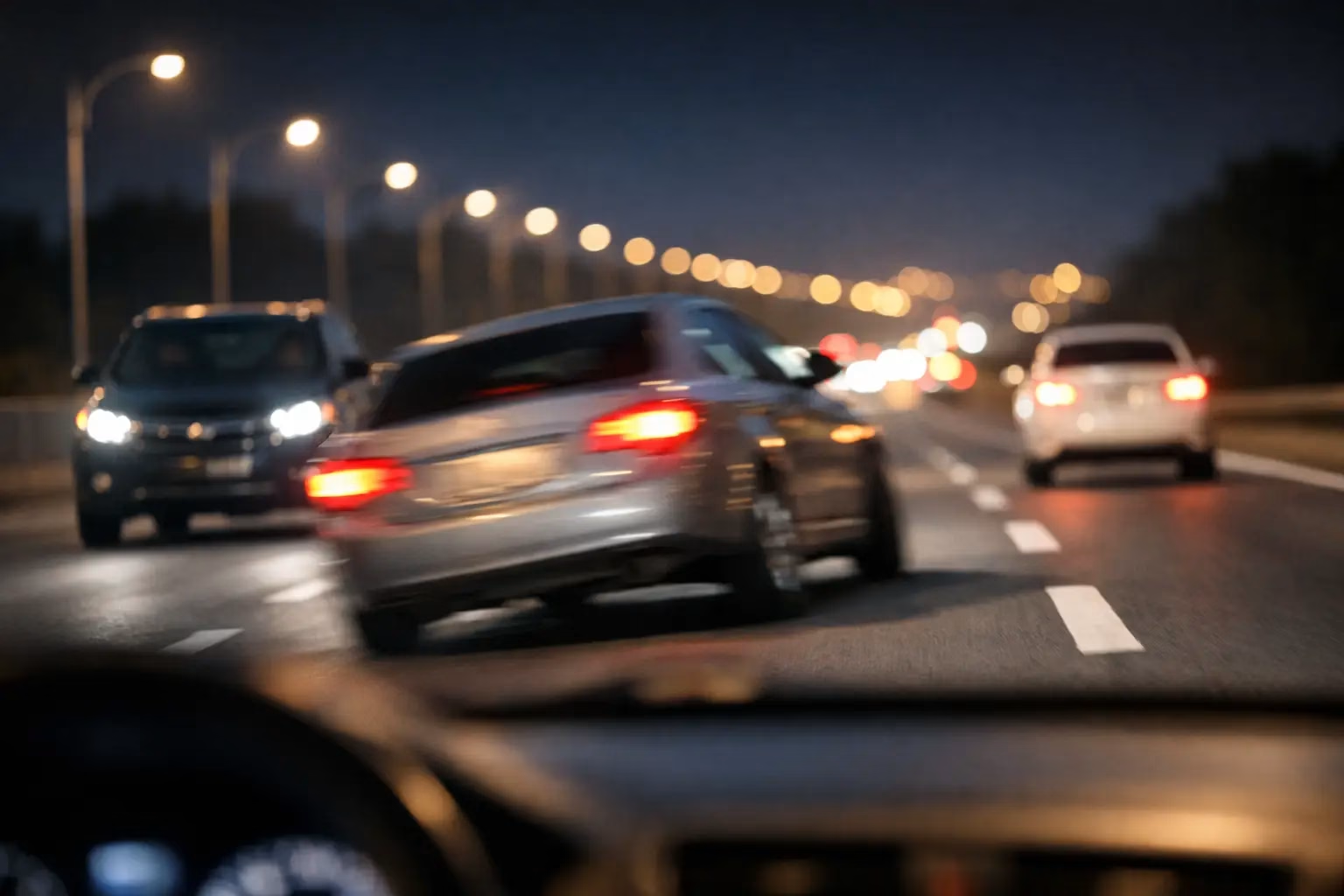
A vehicle drifting over the center line at 11 p.m. may be a warning sign, but it is not proof that the driver has been drinking. The safest approach is to know how to recognize impaired driving through patterns of behavior, then create distance and report an immediate danger without trying to investigate it yourself.
Impairment can result from alcohol, cannabis, illegal drugs, prescription medication, fatigue, illness, or a combination of factors. Regardless of the cause, the risk is the same: a driver may have reduced judgment, slower reaction time, poor coordination, or trouble maintaining attention behind the wheel.
What impaired driving can look like
A single mistake does not always mean a driver is impaired. People can miss a turn, react to an unexpected hazard, or become distracted for a moment. Concern increases when you see repeated, unusual, or escalating behavior that makes the vehicle difficult to predict.
Trouble staying in a lane
Frequent weaving, drifting across lane markings, driving on the shoulder, or repeatedly correcting the steering wheel can signal impaired control. Watch for a vehicle that straddles two lanes, makes very wide turns, or nearly hits curbs, parked cars, barriers, or other vehicles.
A driver may also brake suddenly for no visible reason or vary speed dramatically. These actions can indicate delayed perception, poor coordination, or difficulty judging distance.
Unusual speed and spacing
Impaired drivers may travel far below the speed limit without an obvious reason, accelerate and slow down repeatedly, or follow another vehicle too closely. They may also stop well before an intersection, remain stopped after a light changes, or fail to respond to normal traffic movement.
Speed alone is not enough to identify impairment. A cautious driver may be moving slowly because of weather, road conditions, or an unfamiliar area. Look for speed changes combined with lane-position problems or missed traffic cues.
Missed traffic signals and unsafe decisions
Failure to use headlights after dark, driving without lights in rain, ignoring turn signals, or signaling inconsistently can be concerning. So can stopping in an active lane, making an illegal turn, driving the wrong way on a one-way street, or entering an intersection against a red light.
These behaviors matter because they create immediate hazards for other road users. A driver who does not notice a signal or cannot process a routine traffic decision may not react in time to avoid a crash.
Delayed or confused responses
Watch for a vehicle that sits through a green light, starts late after traffic begins moving, or reacts too slowly to braking vehicles ahead. A driver may also make abrupt, last-second turns after missing an exit or swerve toward a destination without checking surrounding traffic.
This pattern can occur with alcohol or drug impairment, but it can also be caused by drowsiness, a medical emergency, or severe distraction. You do not need to determine the cause before taking safe action.
Alcohol, drugs, fatigue, and illness can appear similar
From outside a vehicle, it is usually impossible to know why someone is driving unsafely. Alcohol can affect balance, coordination, judgment, and vision. Cannabis, opioids, sedatives, and some prescription medications can slow reactions or reduce attention. Stimulants may contribute to aggressive, erratic decisions.
Drowsy driving can look especially similar to intoxication. A fatigued driver may drift, miss exits, brake late, and struggle to stay centered in a lane. A medical issue, such as low blood sugar, a seizure, or a sudden health emergency, can also cause dangerous driving behavior.
For drivers sharing the road, the practical response does not change: avoid the vehicle, do not assume facts you cannot confirm, and contact emergency services when there is a clear, active threat.
How to respond without increasing the danger
Your priority is not to stop the driver or prove impairment. Your priority is getting yourself, your passengers, and other road users out of harm’s way.
First, increase following distance. If the vehicle is ahead of you, slow down safely and leave enough room to react if it brakes or changes direction suddenly. If it is behind you, do not brake-check, gesture, challenge the driver, or try to force them to pass. When safe, change lanes, take a different route, or pull into a well-lit public location.
Avoid driving beside a suspected impaired driver for longer than necessary. Passing may be appropriate only when traffic conditions allow it and you can complete the maneuver without speeding or lingering in the vehicle’s blind spot. Do not attempt to block the vehicle, follow it closely, or confront the driver at a stoplight, parking lot, or gas station.
If there is an immediate danger, call 911 or the emergency number used in your area. A vehicle traveling the wrong way, repeatedly crossing into oncoming lanes, striking objects, or nearly causing a crash warrants urgent reporting. If the concern is less immediate, use the nonemergency law enforcement number when available.
When reporting, provide useful observations rather than a diagnosis. State the road name, direction of travel, nearby mile marker or cross street, vehicle make or color if known, license plate if you can get it safely, and the behavior you observed. For example: �A dark SUV is northbound on Route 8 near Exit 14, weaving across lanes and braking abruptly.�
Do not use your phone while driving to collect details. If you have a hands-free option and can make the call safely, use it. Otherwise, pull over before calling or ask a passenger to report the situation.
If you are riding with a driver who may be impaired
The best time to prevent impaired driving is before the vehicle moves. If someone appears impaired, offer a ride, arrange a rideshare, call a sober friend or family member, or help them stay where they are. Be direct and calm: �I am not comfortable riding with you. Let�s find another way home.�
If you are already in the vehicle and you feel unsafe, ask the driver to pull over in a public place. If they refuse and the danger is immediate, call 911 when you can do so safely. Avoid grabbing the steering wheel or taking actions that could cause a loss of control.
Passengers can make a real difference. Speaking up may feel uncomfortable, but temporary discomfort is far better than a preventable crash, arrest, injury, or loss of life.
Safer habits that prevent impairment before it starts
Planning is more reliable than relying on judgment after alcohol, drugs, or fatigue have already affected it. Before a social event, decide who will drive, arrange a ride home, or plan to stay overnight. If you take medication that may cause drowsiness, read the warning label and ask a pharmacist or health care provider how it may affect driving.
Fatigue deserves the same seriousness. Coffee, open windows, loud music, and short bursts of energy do not restore safe driving ability. If you are struggling to keep your eyes open, missing signs, or drifting in your lane, stop driving and rest in a safe location.
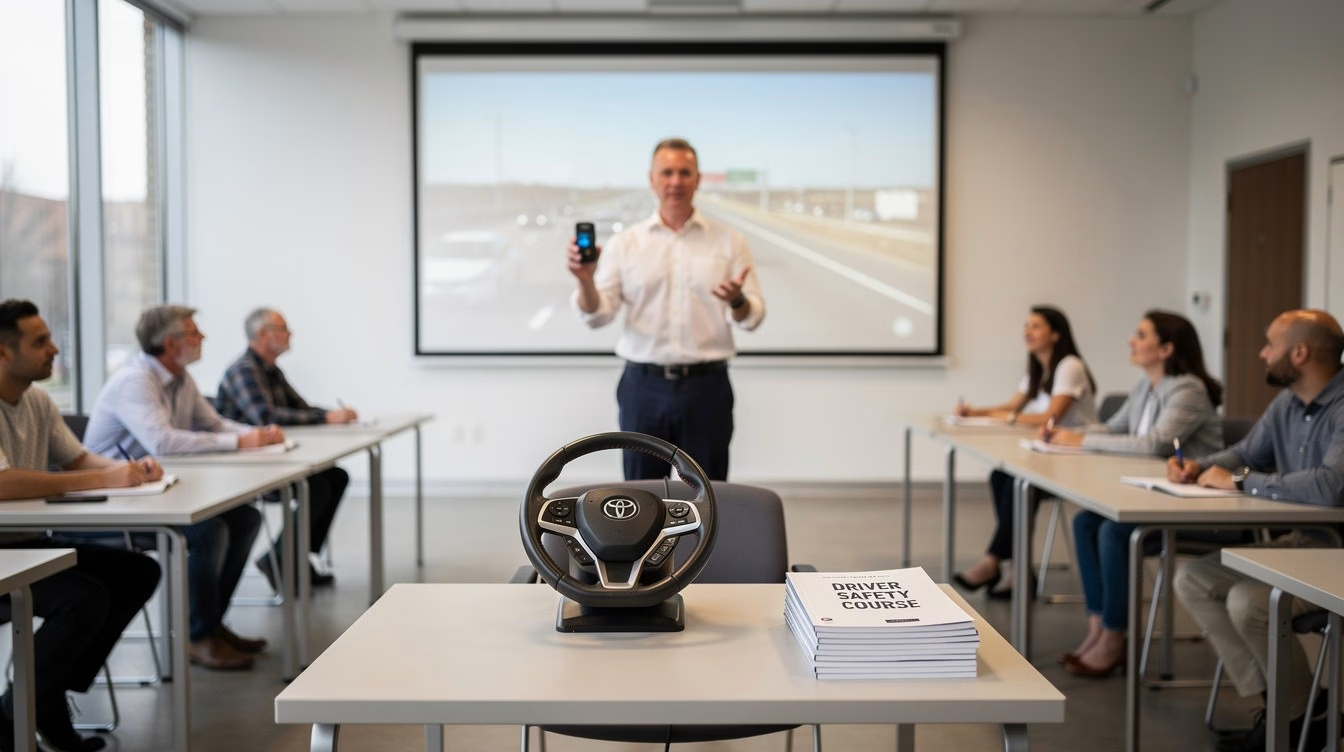
Driver education reinforces these choices because safe driving depends on recognizing risks early. The goal is not only avoiding a citation or meeting a course requirement. It is building the judgment to prevent one dangerous decision from affecting many lives.
Frequently asked questions
What is the most common sign of impaired driving?
Repeated lane drifting is one of the clearest warning signs. It is more concerning when paired with erratic speed, late braking, or missed traffic signals.
Should I follow an impaired driver until police arrive?
No. Do not follow or confront the driver. Report the location and direction of travel, then keep a safe distance or continue on your route.
Can I report dangerous driving if I am not sure the driver is impaired?
Yes. Report the unsafe behavior you observed, not an assumption about the cause. Dispatchers and law enforcement can assess the situation.
Is drowsy driving considered impaired driving?
Yes. Drowsiness can slow reaction time, reduce attention, and cause lane drifting much like alcohol or drug impairment.
What details should I give when reporting a dangerous driver?
Share the location, direction, vehicle description, license plate if safely available, and specific behavior. Do not endanger yourself trying to get more information.
The road is safer when drivers respond early and calmly. Give an unpredictable vehicle room, avoid turning concern into confrontation, and make the call when dangerous behavior puts people at risk.