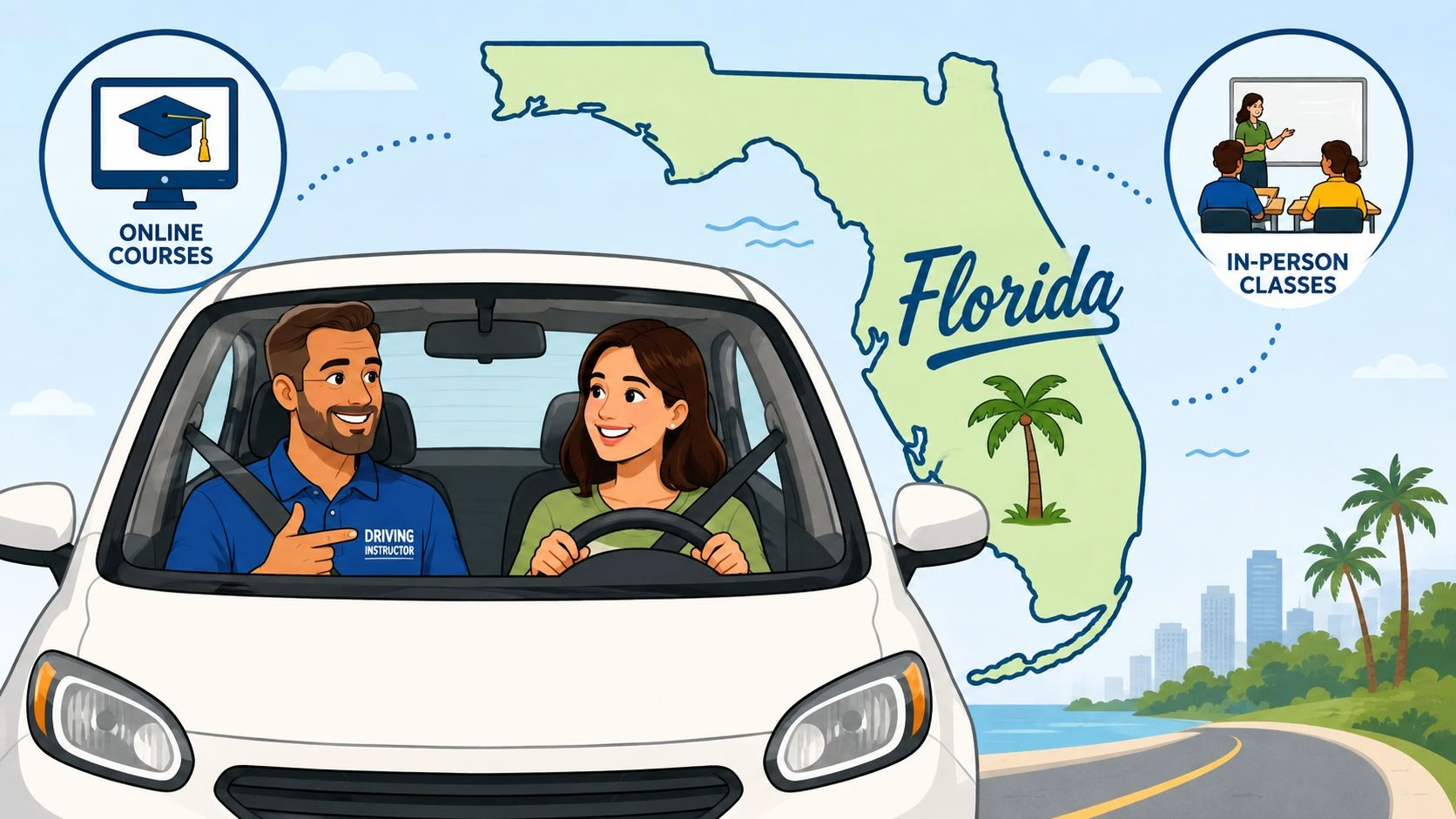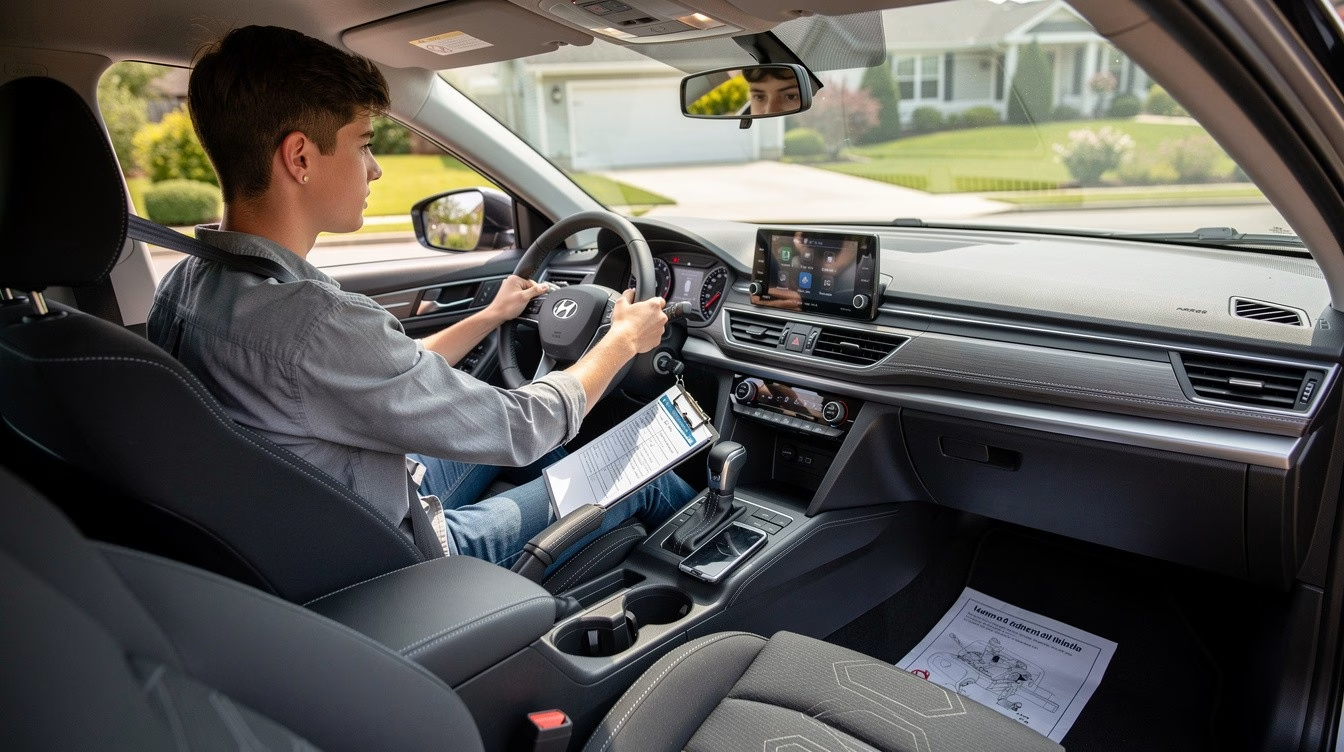
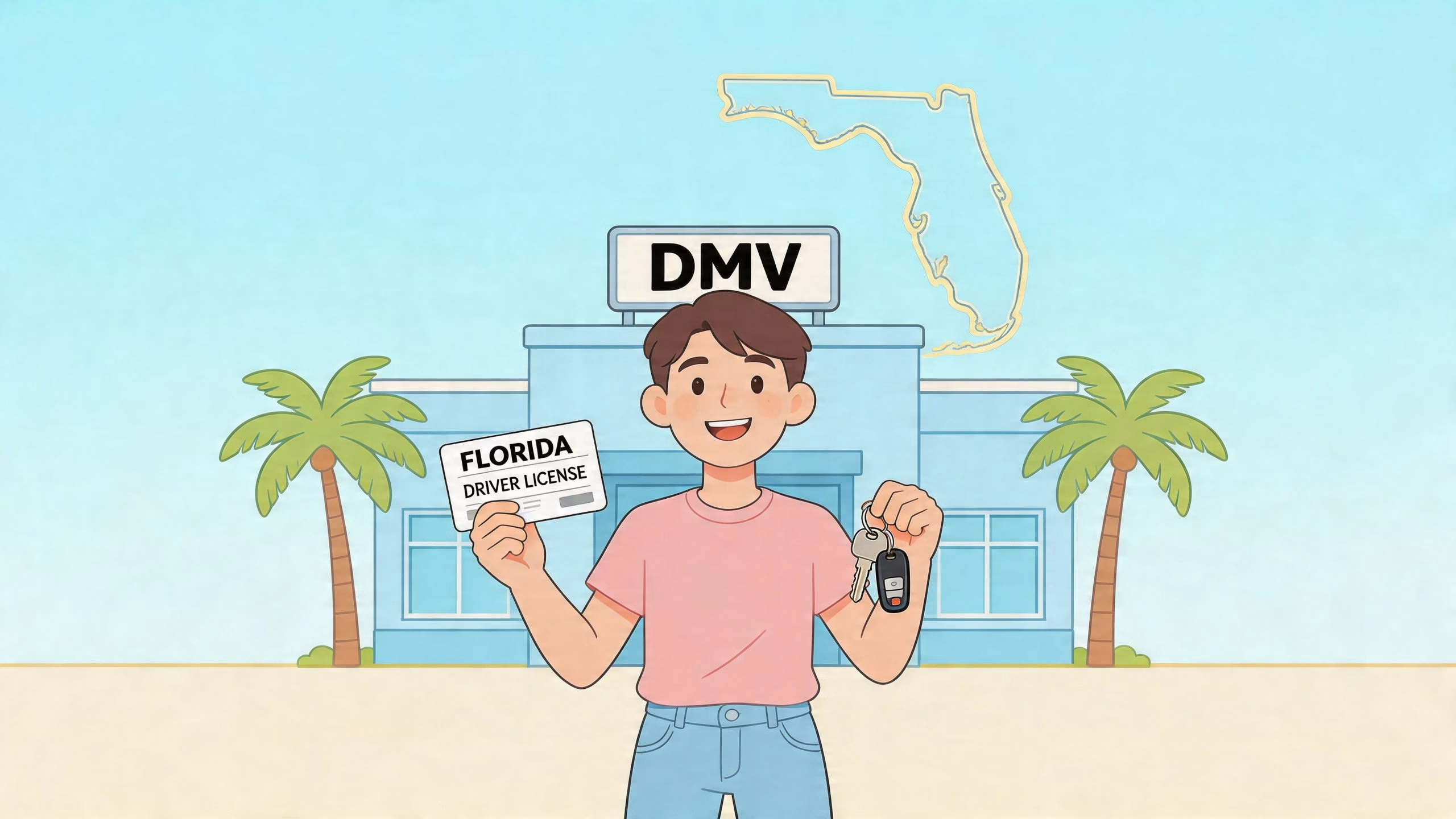
You�re probably here because you want the same thing most new drivers want. A license that gives you freedom, makes work or school easier, and lets you stop depending on rides from other people.
Florida�s process is manageable, but it can feel confusing at first because the steps are spread across classes, tests, paperwork, and driving practice. Teens, adult first-time drivers, and people moving from another state often get stuck on different parts of the process. The good news is that once you know the order, it gets much simpler.
This guide walks through how to get a license in Florida in the same order a driving instructor would explain it to a new student. We�ll keep it practical, plain, and focused on what you need to do next.
Your First Steps Before Visiting the DMV
Before you think about a DMV appointment, make sure you�re starting from the right place. In Florida, your path depends mostly on your age and whether you�re applying for a learner�s permit first or going straight to a license as an adult.
If you�re 15 or older, you can begin the learner�s permit process. If you�re an adult getting your first Florida license, the testing path is different in a few places, but the early preparation still matters. Many people rush to book an appointment before finishing the required education, and that usually creates delays.
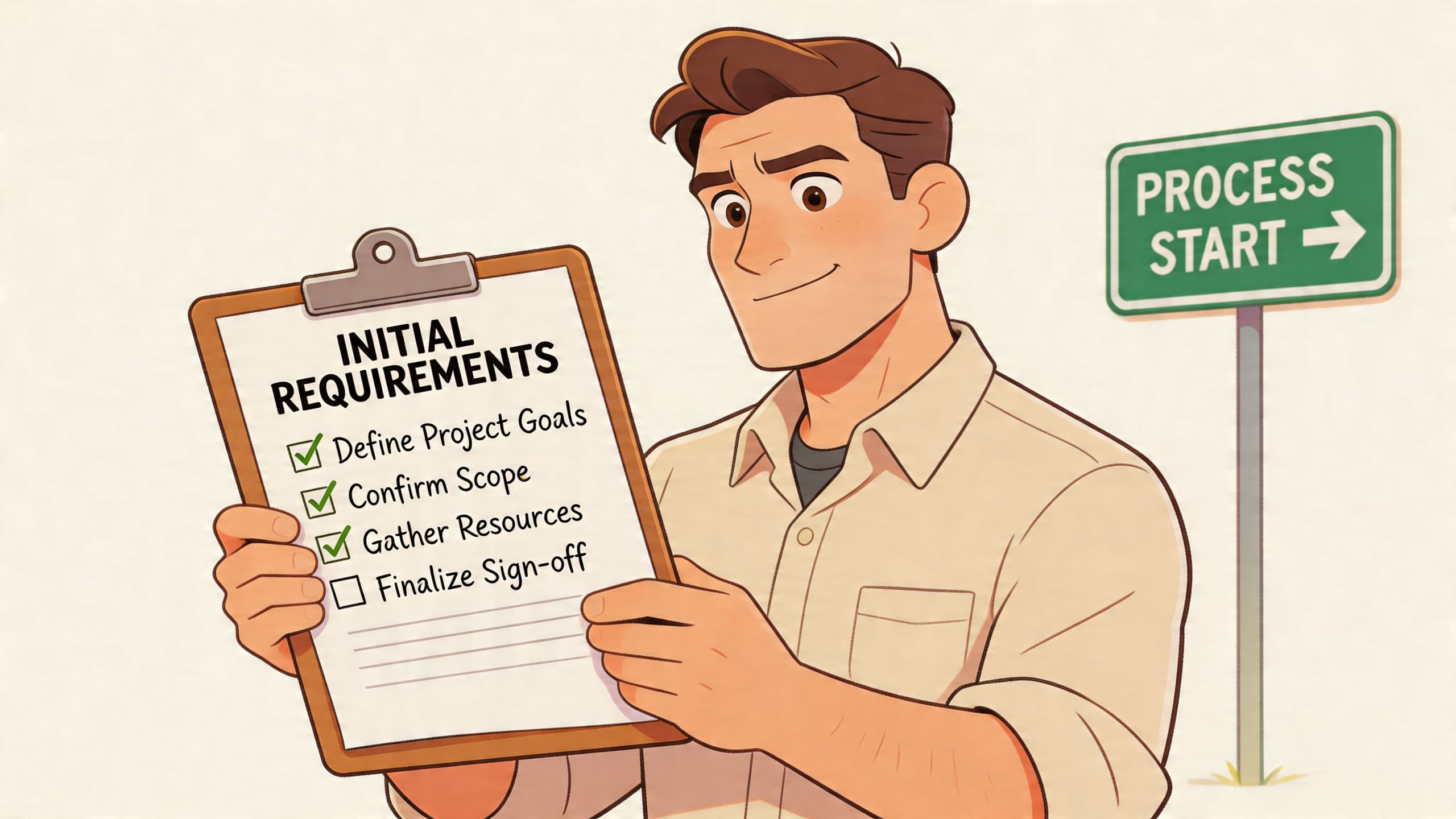
Start with the required education
Florida requires applicants for a learner�s permit and Class E driver�s license to complete a 4-hour Drug, Alcohol, Tobacco Education (DATE) and TLSAE course or DETS course through an approved provider, according to the Florida what-to-bring guidance from FLHSMV. The same source notes that structured education programs can reduce teen crashes by up to 30%.
That course matters because it introduces the rules and risks many beginners overlook. New drivers often think the hard part is steering or parking. In reality, the early mistakes usually come from judgment, right-of-way decisions, and misunderstanding how alcohol, drugs, and distractions affect driving.
What the course does for you
A good TLSAE or DETS course gives you a foundation before you ever sit for the knowledge exam. It usually helps you:
- Learn Florida traffic basics so road signs, lane markings, and right-of-way rules feel familiar instead of random
- Understand impairment laws so you know how alcohol, drugs, and even poor decisions affect safety
- Get ready for testing because the permit process makes more sense after you�ve seen the core topics once
- Study on your schedule if you choose an approved online option
Practical rule: Finish your education requirement before you start hunting for test appointments. It removes one of the most common scheduling headaches.
Know your starting point
Florida applicants usually fall into one of these groups:
-
Teen starting with a permit
You�ll complete the required course, gather documents, take the knowledge exam, and begin supervised practice before the road test. -
Adult first-time driver
You may not need the same supervised-hour path as a teen, but you still need to prepare for the written and driving requirements carefully. -
New Florida resident
If you already hold a valid license from another state, your process may be shorter, but document requirements still matter.
For a cleaner pre-appointment checklist, this Florida DMV document guide helps organize what people often forget before test day.
Many students don�t fail because they can�t learn. They get delayed because they miss a prerequisite, bring the wrong paper, or assume the DMV will sort it out for them.
If you handle the education step first and confirm which category you�re in, you�ll avoid the most frustrating kind of mistake. Showing up before you�re eligible to move forward.
Assembling Your Documents for a Florida Real ID
The paperwork side of getting licensed frustrates people more than the driving itself. Most DMV turnarounds happen because someone brought one good document, one outdated document, and one item that doesn�t count.
Florida licenses are issued as Real ID-compliant credentials, so the state needs documents that prove who you are and where you live. The safest way to think about this is in three buckets: identity, Social Security, and Florida address.
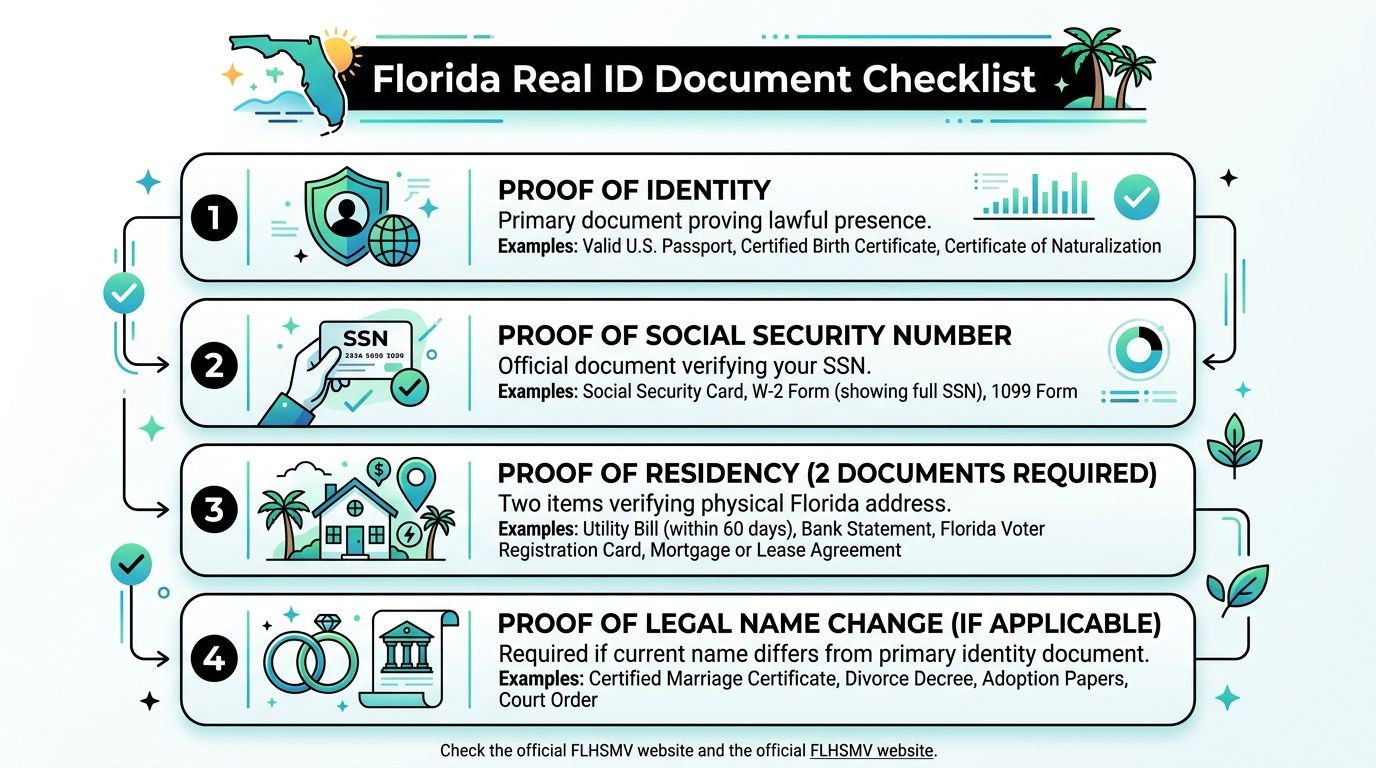
The three document categories
Bring originals or accepted official records whenever possible. A clear document that matches your current legal name saves time and questions.
Here�s the simple checklist most applicants should build from:
-
Proof of identity
Common examples include a certified U.S. birth certificate or a valid passport. -
Proof of Social Security number
This is often your Social Security card or another accepted official record showing the number. -
Two proofs of residential address
Think utility bill, lease agreement, bank statement, or similar mail showing your Florida address.
If you�re preparing for your permit rather than the full license, this Florida permit requirement guide can help you sort the basics before your appointment.
Where people get tripped up
The trouble usually isn�t the main ID. It�s the details around it.
A student may bring a passport with one version of their name, a bank statement with a shortened name, and a piece of mail addressed to an old apartment. Another common issue is a teen bringing strong documents, but the parent address paperwork doesn�t line up cleanly.
Use this mental checklist before you leave home:
- Names match across documents as closely as possible
- Addresses are current and show where you live now
- Paperwork is readable, not torn, cropped, or blurry
- You have two address proofs, not one
If your documents aren�t in English
Some applicants have foreign birth records, passports, or licenses that need translation before the DMV or another agency can review them clearly. In those cases, a professional driver’s license translation service can help you prepare translated documents in a format people commonly need for DMV and related use.
If your paperwork situation is unusual, don�t guess. Review the document list carefully before your visit so you don�t lose the appointment over one missing item.
For immigrants and non-English speakers, this part can feel especially uncertain. There�s still limited plain-language guidance on documentation pathways, and that�s one reason many applicants benefit from getting help before they go in. Clarity matters here more than speed.
From Permit Test to Supervised Practice
A lot of students feel confident right up until they open the study guide. Then they realize the permit test isn�t just common sense. It asks about signs, lane use, right-of-way, and rules that many passengers have never paid attention to.
That�s why I tell beginners to treat the permit phase like a real training period, not a quick formality. The students who do well usually study in short, repeated sessions and connect the material to real traffic situations they�ve seen.
What the knowledge exam is really testing
Florida�s knowledge exam has 50 questions, and you need 80% to pass, according to the FLHSMV Class E knowledge exam practice information. The same source says about 35% of first-time takers fail, often because they misread right-of-way rules and road signs, and that practice tests can push pass rates to over 90%.
That tells you something important. Most failures don�t come from impossible questions. They come from casual preparation.
A beginner might know what a stop sign means but still miss a question about who goes first at a four-way stop. Or they�ll recognize a yield sign but hesitate on a scenario involving pedestrians and turning traffic. Those are the details that separate �I�ve seen that before� from �I can answer this correctly.�
For extra study support, many learners use Florida permit prep resources to review signs, rules, and exam-style questions before test day.
A study routine that works
Instead of cramming, try this approach for a week or two:
-
Read a small section at a time
Focus on signs one day, right-of-way another day, then parking, lane markings, and penalties. -
Take practice questions after each topic
This helps you catch misunderstandings early instead of discovering them on exam day. -
Explain the rule out loud
If you can explain who yields at an intersection in plain language, you�re more likely to answer correctly. -
Review the misses, not just the score
The wrong answers teach you more than the easy ones.
Students often say, �I thought I knew that.� That sentence usually means they recognized the topic but didn�t know the exact rule.
What happens after you pass
Once you complete the knowledge portion and the required screenings, you can receive your learner�s permit if you meet the other eligibility requirements. Then your actual learning begins.
For teen drivers, Florida requires 50 hours of supervised driving, including 10 hours at night, before moving to the next stage of licensing. Don�t log those hours randomly if you can help it. Practice works better when you spread it across different conditions.
A balanced practice plan should include:
- Neighborhood driving for turns, stop signs, and low-speed control
- Busy local roads for lane changes and traffic timing
- Parking lots and curb work for precision and patience
- Night driving for glare, visibility, and slower decision-making
- Rainy-day sessions if conditions are safe and supervision is strong
Make the supervised period count
The strongest new drivers don�t just �get hours.� They repeat useful routines.
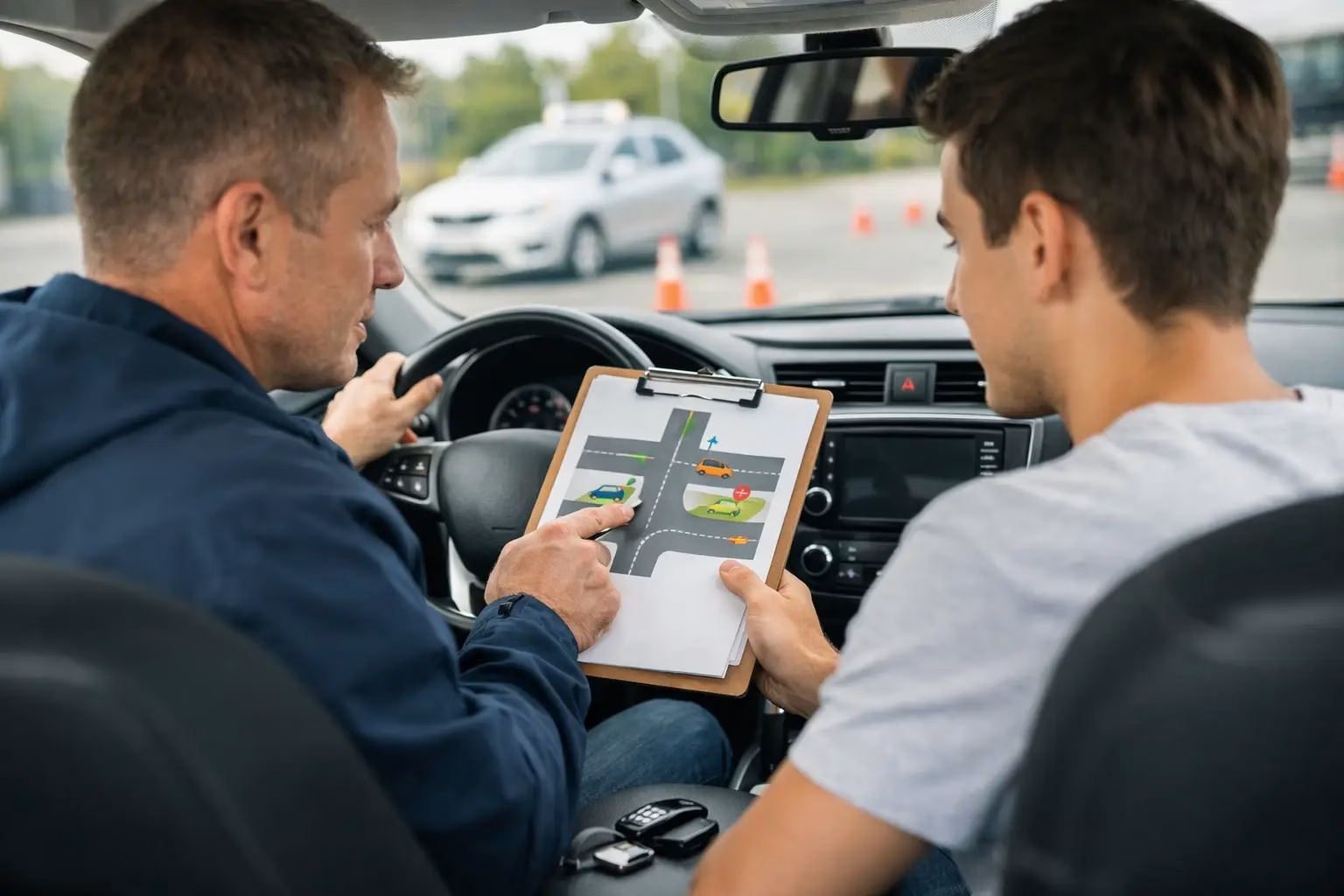
Have the supervising adult give one focus for each drive. Maybe today is smooth braking. Tomorrow is scanning intersections early. The next drive could be lane position and mirror checks. That keeps practice from turning into aimless laps around the block.
By the time you reach your final few practice sessions, you should be doing ordinary Florida driving calmly. Not perfectly, but predictably. That�s the standard examiners want to see later.
Conquering the Florida Road Test
By the time students reach the road test, the biggest problem usually isn�t skill. It�s nerves.
They�ve done the turns, stops, backing, and parking before, but the pressure changes how they move. They brake too late, rush a turn, forget to check mirrors, or stop thinking ahead. The road test rewards steady habits more than flashy driving.
What examiners are looking for
Examiners want to see that you control the car safely, follow directions, and make sound decisions. They�re paying attention to things like stopping fully, checking traffic before moving, staying in your lane, and keeping an appropriate speed.
Many students focus too much on the �big� maneuvers and forget the basics. A clean three-point turn doesn�t help much if you roll through a stop sign or drift during a lane change.
Here are the habits that matter on nearly every test route:
- Full stops behind the line, not slow rolling
- Mirror checks before braking, turning, or changing direction
- Smooth steering instead of abrupt corrections
- Controlled backing with careful observation
- Clear yielding decisions when pedestrians or traffic have the right-of-way
The maneuvers that deserve extra practice
Most applicants should rehearse these until they feel routine:
Three-point turn
Don�t rush the setup. Check traffic, signal if appropriate, and use the full space available without hopping the curb or overcorrecting. The key is control, not speed.
Backing up
Students often grip the wheel too tightly and turn too much. Back slowly, look where the car is going, and keep your corrections small.
Quick stop
This isn�t a panic slam unless directed otherwise. It�s a prompt, controlled stop that shows you can react safely.
Intersections and right turns
During these maneuvers, nerves frequently show up. People either stop too long and seem uncertain, or they turn too fast and cut corners. Aim for a complete stop, a calm scan, and a smooth turn into the proper lane.
A road test is easier when every move starts early. Early mirror check, early braking, early signal, early scan.
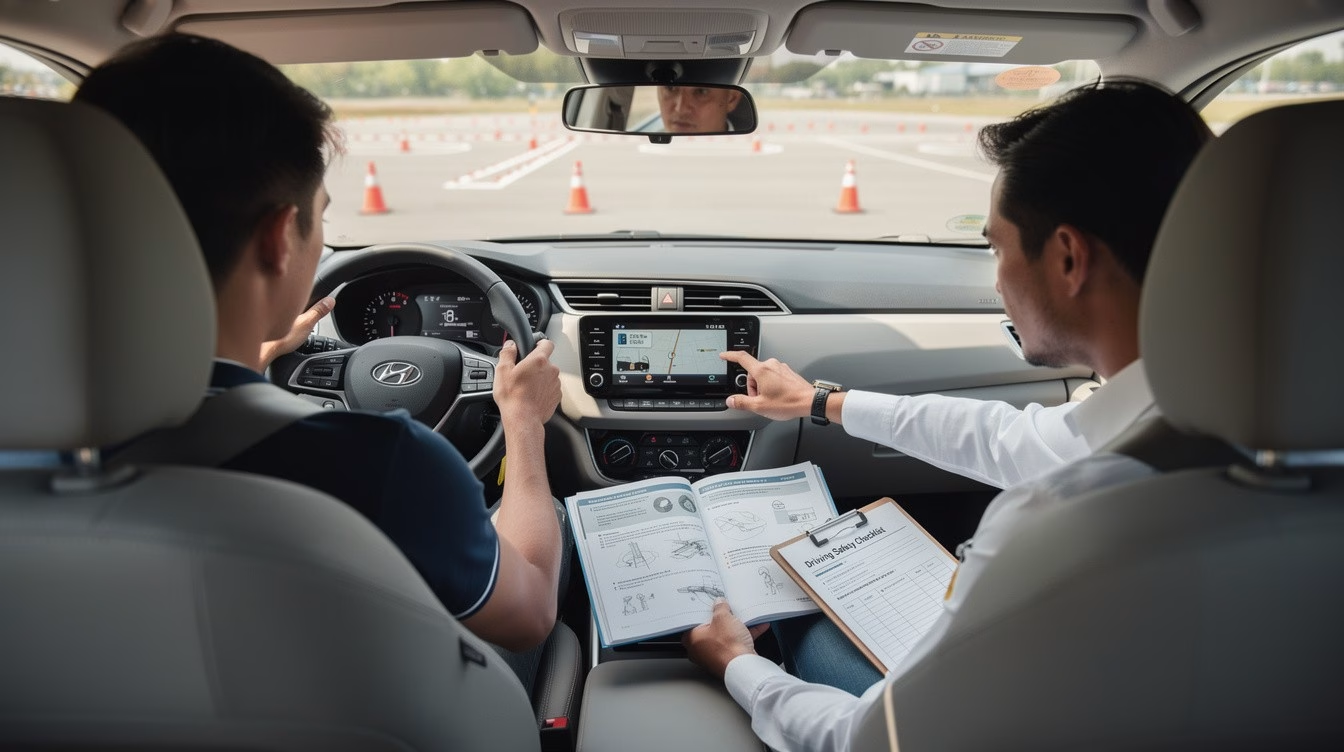
If you want to see the kinds of behind-the-wheel expectations Florida students prepare for, this road test preparation page is a useful reference.
A visual walkthrough can also help settle nerves before test day:
How to avoid preventable failures
Most road test mistakes come from tension and poor pacing. You can lower that risk with a short pre-test routine.
Try this checklist before the examiner gets in the car:
- Adjust your seat and mirrors before the test begins
- Take one full breath before shifting into gear
- Listen to the full instruction before moving
- Ask politely if you didn�t hear something rather than guessing
- Drive slightly slower than your panic wants you to
Also make sure the vehicle is test-ready. Clean windshield, working signals, valid paperwork, and no obvious warning signs of neglect. If the car feels unreliable to you, it won�t feel better to an examiner.
The students who pass most comfortably usually look ordinary. They�re not trying to impress anyone. They�re just showing they can drive with care.
Navigating Special Licensing Scenarios
Not everyone starts from the same place, and Florida�s licensing path makes more sense when you look at it by driver type rather than assuming one process fits everybody.
Florida teens follow a graduated path. Adults learning later in life usually need structure and confidence more than legal supervision hours. New residents often face a paperwork-heavy version of the process. Immigrants and non-English speakers may have extra document and language barriers layered on top.
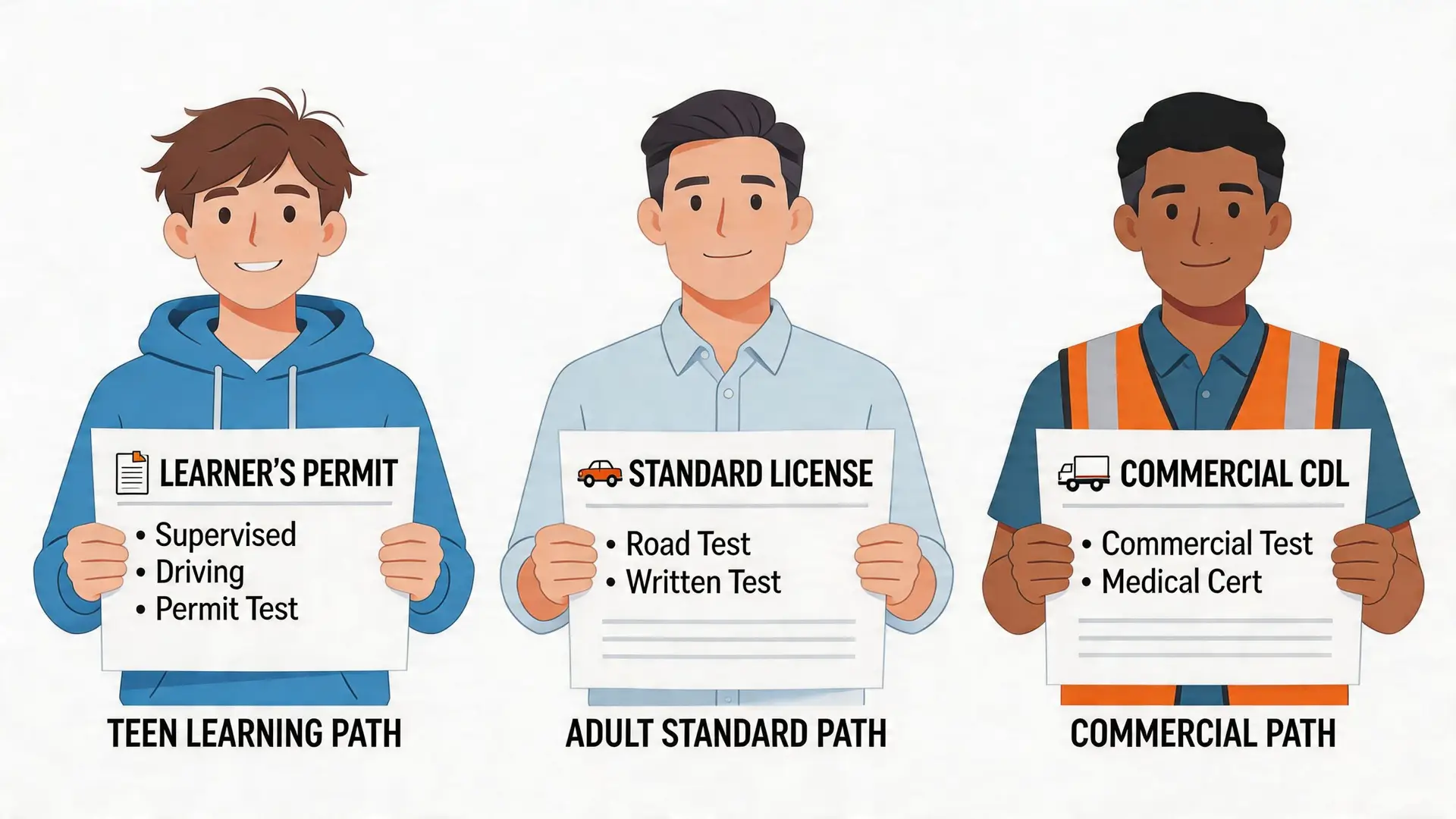
Teens and parents
Florida�s Graduated Driver Licensing law, enacted in 1997, reduced teen crash deaths by 26% within eight years, according to the FLHSMV teen driver GDL information. The reason is simple. New drivers do better when they build skills in stages instead of jumping straight into unrestricted driving.
For families, the lesson isn�t just �get the hours done.� It�s to use the staged process well.
The best parent supervisors stay calm, give one correction at a time, and save long feedback for after the car is parked.
A teen usually benefits from:
- Short early sessions in quiet areas
- Gradual exposure to busier roads
- Repeated parking practice
- Clear rules at home about passengers, phones, and night driving
Adult first-time drivers
Adult beginners often feel embarrassed for no reason. They may have delayed driving because of city living, anxiety, immigration transitions, family responsibilities, or never needing a car before now.
Adults usually learn fastest when they treat driving like a skill, not a talent. Break it down. Practice turns, then lane changes, then traffic timing. Don�t judge yourself against someone who started at sixteen.
A useful way to think about it:
| Driver type | Common challenge | Best approach |
|---|---|---|
| Teen learner | Inexperience and distraction | Consistent supervised practice |
| Adult beginner | Anxiety and self-consciousness | Calm repetition and focused lessons |
| New resident | State-specific rules and paperwork | Document prep and local rule review |
Drivers moving from another state
If you already hold a valid out-of-state license, you�re not learning from scratch. But Florida still expects you to establish identity and residency correctly.
The confusion here usually comes from assumptions. People think an existing license means they can skip all preparation. In practice, they still need to make sure their name, address, and supporting documents line up.
Common transfer mistakes include:
- Using old address documents
- Bringing a license but not enough identity support
- Assuming Florida procedures match their prior state
- Waiting too long after moving to handle the switch
Immigrants and non-English speakers
This group often faces the least clear guidance. Documentation rules can be hard to interpret, and there�s limited plain-language support on how immigration status affects licensing and related eligibility questions.
What helps most is preparing early, verifying every document requirement before the appointment, and getting language support where needed. Multilingual study materials can make the learning side much easier, especially when road rules are still new and legal vocabulary adds confusion.
If your situation is complex, it�s smart to get reliable clarification before testing day rather than relying on advice from friends or social media. That can save repeated trips and a lot of frustration.
Your Florida License Checklist Fees and Final Tips
A license feels like one event, but it�s really a sequence. Learn the rules. Bring the right documents. Pass the tests. Practice enough to stay calm behind the wheel. Do those in order, and the process becomes much more predictable.
Florida is far from alone in this. The United States has about 233 million licensed drivers, and Florida issues over 1.2 million new licenses annually, according to the Florida fee information from FLHSMV. The same source notes that the initial fee for a first-time Class E license is typically around $48, with additional smaller fees for permit-related steps and testing.
Florida Driver’s License Fee Schedule 2026
| Service | Estimated Fee |
|---|---|
| First-time Class E license | Around $48 |
| Learner-related permit and testing costs | Additional smaller fees apply |
| Other testing or DMV-related services | Vary by service |
Final reminders before your appointment
Bring more organization than confidence. Confidence helps, but complete paperwork and steady habits help more.
Use this short checklist the day before you go:
- Check your documents against the official list and make sure names and addresses match
- Confirm your appointment details and arrive early enough that you�re not rushed
- Review signs and right-of-way rules one last time if you�re taking a knowledge test
- Practice ordinary driving, not fancy driving, if your road test is coming up
- Use a reliable vehicle for the exam and inspect the obvious basics before leaving home
- Ask questions when something is unclear instead of guessing and hoping
Most students who struggle aren�t incapable. They�re underprepared in one narrow area. A missing paper. A weak understanding of signs. A rushed road test because they didn�t sleep well or practice the basics enough.
Take it one step at a time. That�s how to get a license in Florida without turning the process into a bigger problem than it needs to be.
If you want help from a Florida-approved provider, BDISchool offers online driver education and traffic school courses designed for teens, adults, busy professionals, and students who prefer English, Spanish, or Portuguese. If you�re working toward your first license or brushing up on the rules before testing, we�re here to help you move forward with clear instruction and flexible learning.