Driver safety meeting topics matter because they address the real behaviors and decisions that cause crashes. At floridadetscourse.com, we focus on what actually works to reduce accidents on the road.
This guide covers three critical areas: how to recognize hazards and drive defensively, how to combat impaired and distracted driving, and how attitude and decision-making affect safety. Each section includes practical strategies your team can implement immediately.
Defensive Driving Techniques and Road Hazard Recognition
Scanning and Anticipation: The Foundation of Defensive Driving
Defensive driving starts with what you actually see before a crash happens. Most drivers check their mirrors maybe once every 20 seconds, but NHTSA data shows you need to scan every 8 to 10 seconds to catch vehicles entering your blind spots. That simple habit cuts your reaction time in half. The second part of defensive driving is looking far enough ahead-about 15 seconds down the road, roughly a quarter-mile on highways. This gives you time to spot work zones, sudden traffic slowdowns, or hazards before they become emergencies. Too many drivers fixate on the car directly in front of them and miss the real picture.
Speed Adjustment for Real Conditions
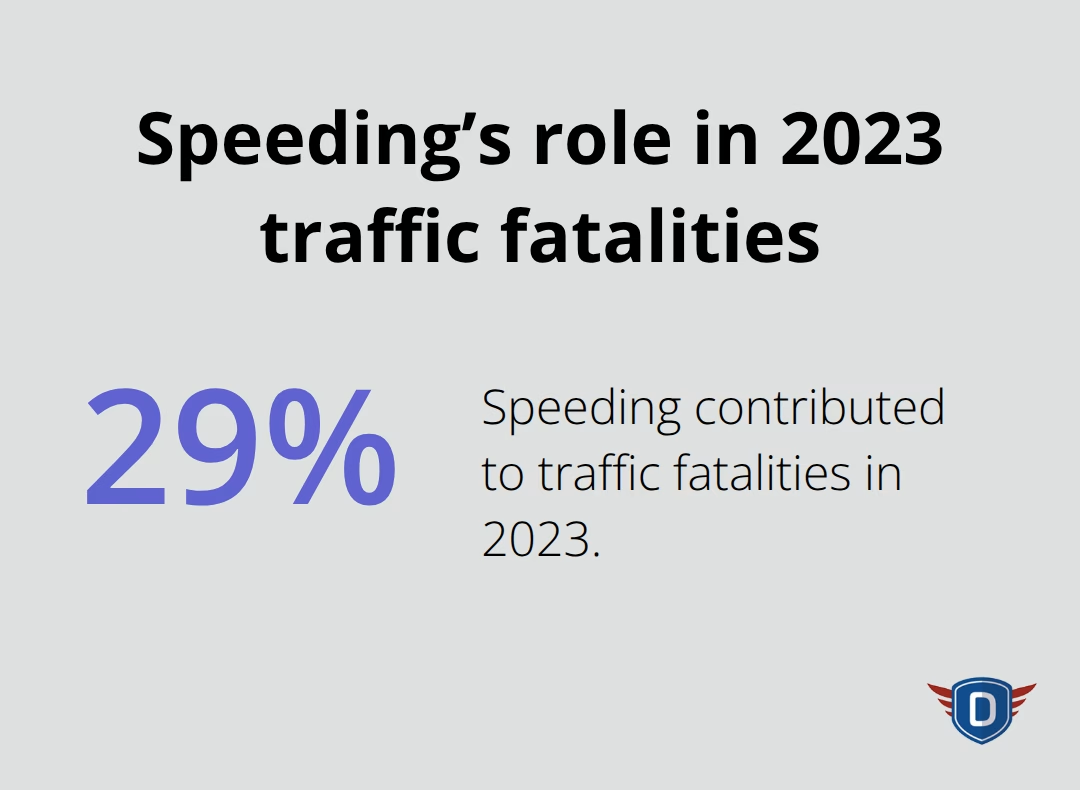
Speed is where most drivers fail the hardest. Speeding was a contributing factor in 29% of all traffic fatalities in 2023. The problem isn’t just going over the limit; it’s driving too fast for the conditions you’re actually in.
Rain, curves, and heavy traffic all demand slower speeds, yet drivers rarely adjust. Large trucks need significantly longer stopping distances in bad weather conditions-that distance increases due to reduced traction and the need for longer braking distances. If you’re not slowing down for rain or curves, you’re not driving defensively; you’re gambling.
Blind Spots and Lane Changes
Blind spots kill because drivers assume they can see everything. A vehicle can hide completely in the space beside your rear bumper or far ahead in your peripheral vision. The fix is simple but requires discipline: turn your head to check before changing lanes, and never linger in another vehicle’s blind spot. On highways, this means moving through passing zones quickly rather than cruising alongside trucks.
Work Zones and Fatigue Management
Road work zones demand respect because they combine unpredictable hazards-lane shifts, workers, uneven surfaces, and sudden stops. Reduce your speed significantly and increase your following distance. Work zone crashes often involve drivers who didn’t see warning signs until it was too late, so scan actively rather than coasting through. Fatigue ruins your ability to scan and anticipate. When you’re tired, your eyes stop moving as much, and your brain processes hazards slower. If you’re feeling drowsy, pull over immediately. Staying healthy on long drives means taking breaks every two hours, staying hydrated, and avoiding heavy meals that make you sluggish.
Moving Beyond Hazard Recognition
Defensive driving isn’t about being cautious or timid-it’s about gathering information faster than other drivers and making decisions before you need them. Once you master these scanning and speed techniques, your next challenge involves the behaviors and choices that put you at risk. Impaired driving, distracted driving, and fatigue create situations where even the best hazard recognition fails.
Impaired and Distracted Driving Prevention
How Alcohol and Drugs Destroy Defensive Skills
Alcohol and drugs destroy the exact skills you build through defensive driving. When you drink, your brain processes information slower, your eyes track hazards less effectively, and your judgment about speed and distance collapses. About one-third of all crash deaths involve alcohol according to the CDC, yet many drivers think they can handle it. Drugs create similar problems, sometimes worse because drivers don’t realize they’re impaired. Prescription medications cause drowsiness and dizziness that impair reaction time as much as alcohol does. The hard truth is that no amount of defensive driving technique saves you if your brain chemistry is compromised. The only acceptable choice is not driving at all when you’ve consumed anything that affects your mind.
The Real Danger of Distracted Driving
Distracted driving kills 3,275 people annually according to NHTSA data, and texting is the worst offender because it takes your eyes off the road for five seconds. At 55 mph, that’s the length of a football field driven blind. Your phone isn’t worth that risk, and hands-free systems don’t solve the problem because your mind is still split between the road and the conversation. Any non-driving activity-eating, adjusting controls, or checking maps-diverts your attention and increases crash risk significantly.
Fatigue: The Silent Performance Killer
Fatigue operates the same way as impairment, slowing your scanning speed and making hazard recognition nearly impossible. When you’re tired, your eyes stop moving as much, your brain processes slower, and you miss the warning signs that kept you safe during defensive driving. Drowsy drivers cause crashes that feel like they came from nowhere because fatigue steals your ability to anticipate.
Practical Actions That Work
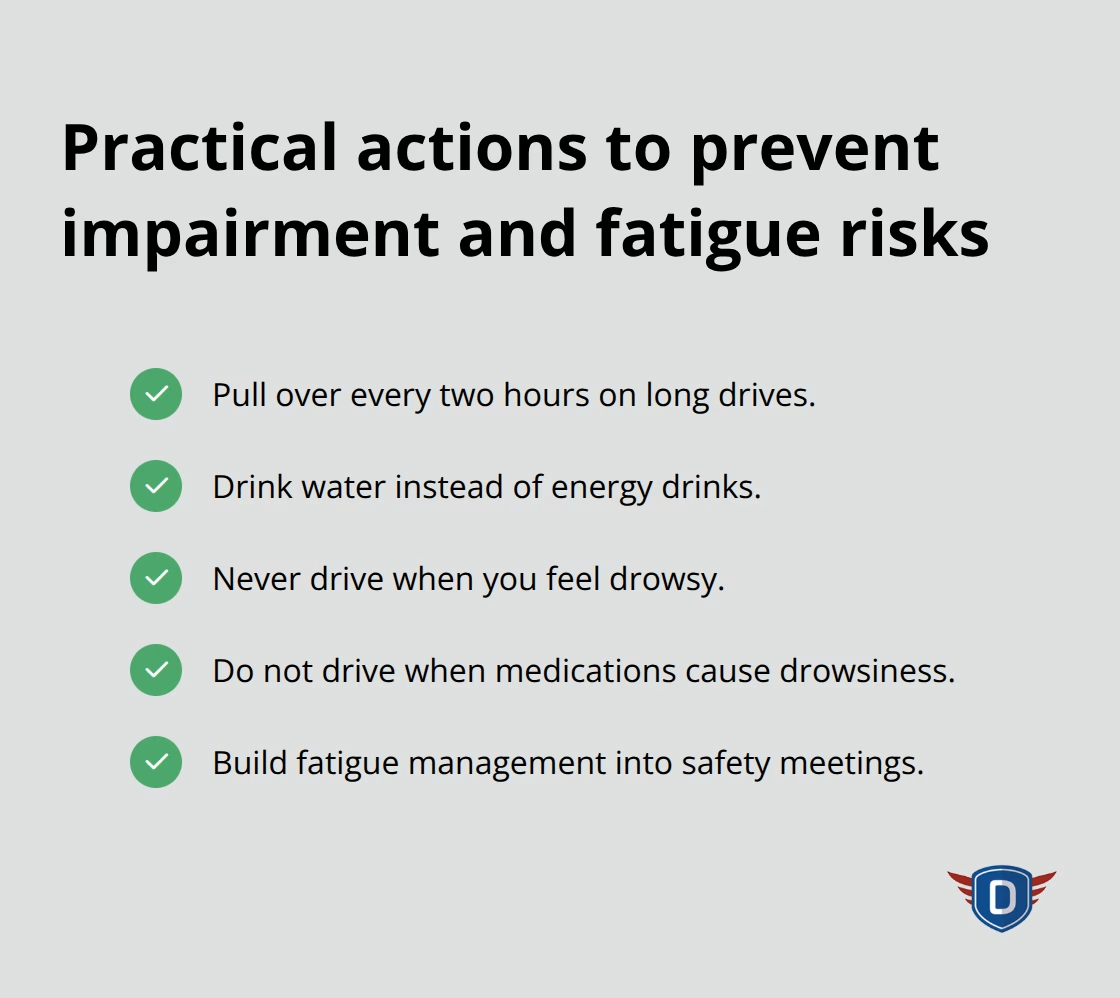
The solution isn’t willpower; it’s practical action. Pull over every two hours on long drives, drink water instead of energy drinks that create crashes later, and never drive when you feel drowsy. If you’re taking medications that cause drowsiness, you shouldn’t be driving at all during that period. Employers and safety leaders need to build fatigue management into their driver safety meetings as a non-negotiable topic, not an afterthought.
Moving Forward: Attitude and Decision-Making
The scanning and speed management techniques from defensive driving only work when your body and mind are actually capable of using them. This reality leads directly to the next challenge: how your attitude and the decisions you make under pressure determine whether you stay safe or become a statistic.
Behavioral Factors and Attitude Behind the Wheel
Aggressive Driving: The Choice That Escalates Conflict
Aggressive driving starts with a choice, and that choice happens in milliseconds when you’re frustrated, late, or angry. Road rage crashes kill and injure thousands annually, yet many drivers treat aggressive behavior as a normal response to traffic. It isn’t. Aggressive driving includes tailgating, cutting off other drivers, honking excessively, flashing headlights, and blocking lanes-all of which escalate conflict instead of resolving it.
The driver who cuts you off probably didn’t see you, but your aggressive response teaches nothing and only increases the chance of a collision. Your attitude and behavior behind the wheel determines whether you stay in control or become reactive. Drivers who acknowledge that mistakes happen on the road (that the person who cut them off made an error, not a personal attack) maintain focus on their own safety instead of revenge.
This mental shift matters because aggressive responses consume your attention and destroy the scanning habits that defensive driving requires. When you’re focused on punishing another driver, you’re not scanning for hazards, anticipating traffic changes, or managing your speed. Aggressive driving contributes to a significant portion of crashes, yet it’s entirely preventable through attitude adjustment. When someone cuts you off or drives poorly, treat it as their problem to solve, not yours to respond to. Let them pass, increase your distance, and refocus on the road ahead.
Decision-Making Under Pressure
High-stress situations-heavy traffic, bad weather, tight schedules-force rapid decisions with incomplete information, and most drivers make the wrong choice. A driver running late accelerates through a work zone instead of slowing down. A driver frustrated with traffic tailgates to pressure the car ahead. A driver tired from a long shift ignores the first signs of drowsiness. These aren’t character flaws; they’re predictable failures when pressure overrides judgment.
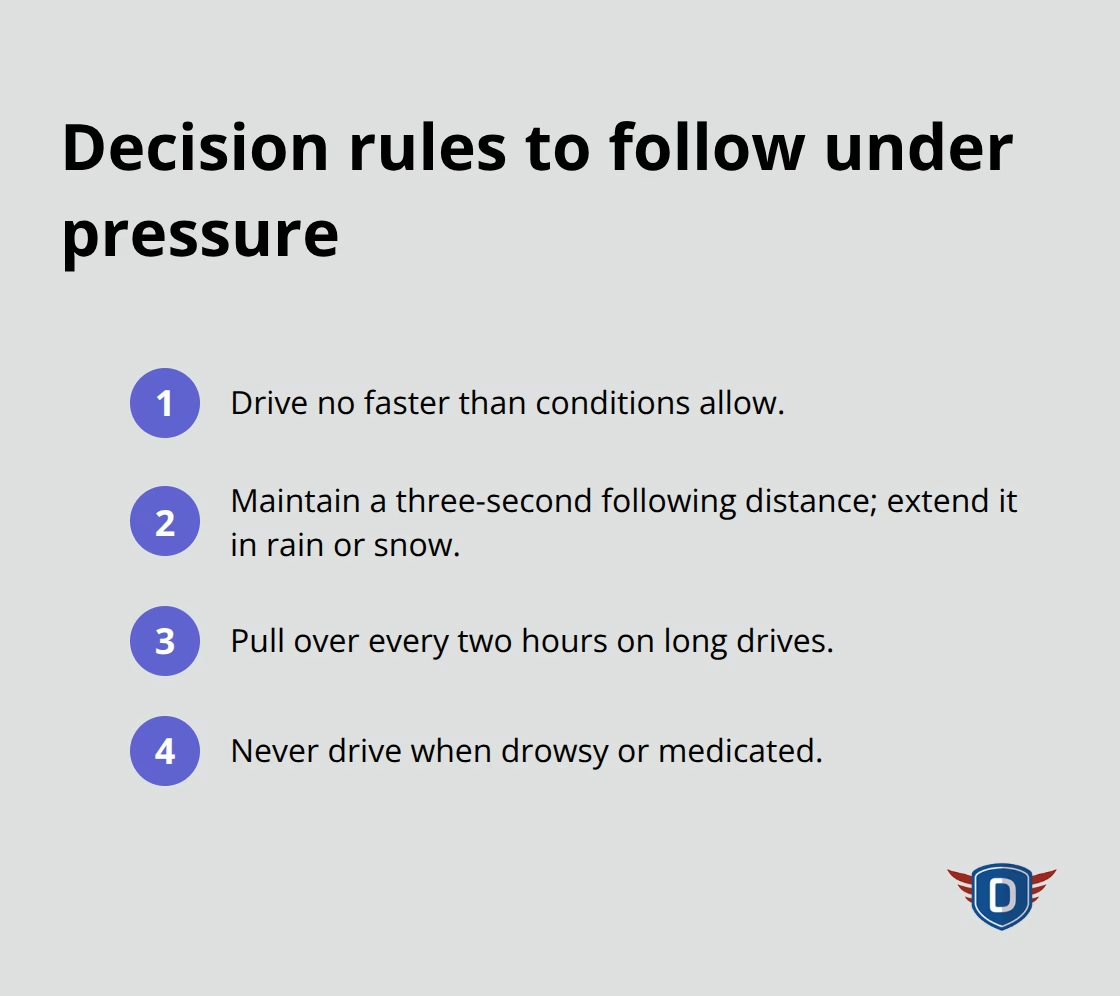
The solution requires establishing decision rules before you face pressure. Commit to specific behaviors now, when you’re calm: never drive faster than conditions allow, maintain a three-second following distance in normal conditions and longer in rain or snow, pull over every two hours on long drives, and never drive when drowsy or medicated. These aren’t suggestions-they’re non-negotiable rules that remove decision-making from high-stress moments.
Building Responsibility and Accountability
Responsibility and accountability follow naturally from this approach. When you establish clear rules and follow them consistently, you become the driver who doesn’t crash, the one others trust. Your team and passengers notice. Employers benefit from lower insurance costs and fewer incidents.
Safety leaders should frame driver safety meetings around establishing these specific decision rules, not general advice about being careful. Accountability happens when drivers know exactly what behavior is expected and understand that violations have real consequences. This framework-clear rules, consistent enforcement, and recognition of safe behavior-creates a culture where safe driving becomes the standard, not the exception.
Final Thoughts
Driver safety meeting topics work because they address the actual behaviors that cause crashes. Defensive driving techniques, impaired and distracted driving prevention, and attitude management aren’t theoretical concepts-they’re the foundation of real safety outcomes that protect your team and reduce costs. Safe driving requires three things working together: the scanning and speed management skills that let you see hazards before they become emergencies, the elimination of impairments and distractions that destroy those skills, and the attitude and decision-making discipline to follow through when pressure hits.
Building a culture of safe driving means establishing clear rules before drivers face pressure, enforcing those rules consistently, and recognizing drivers who follow them. This isn’t about punishment-it’s about making safe driving the standard behavior, not the exception. When your team knows exactly what’s expected and understands why it matters, safety becomes automatic rather than something they have to think about.
At floridadetscourse.com, we understand that driver education goes beyond passing a test. Our Florida-approved traffic school programs blend clear instruction with real-life scenarios to help drivers adopt lifelong safe driving habits, and our courses address the exact behaviors and decisions covered in this guide. Visit floridadetscourse.com to explore how our programs can strengthen your team’s safety culture and reduce incidents on the road.