Impaired drivers kill someone every 39 minutes on U.S. roads, according to the National Highway Traffic Safety Administration. Substance abuse recognition isn’t just about spotting obvious signs-it’s about understanding the subtle behavioral patterns that separate safe drivers from dangerous ones.
At floridadetscourse.com, we’ve built this guide to help you identify impaired drivers before they become a threat. The skills you’ll learn here could save your life or someone else’s.
What Real Impairment Looks Like on the Road
Erratic Lane Changes Signal Loss of Control
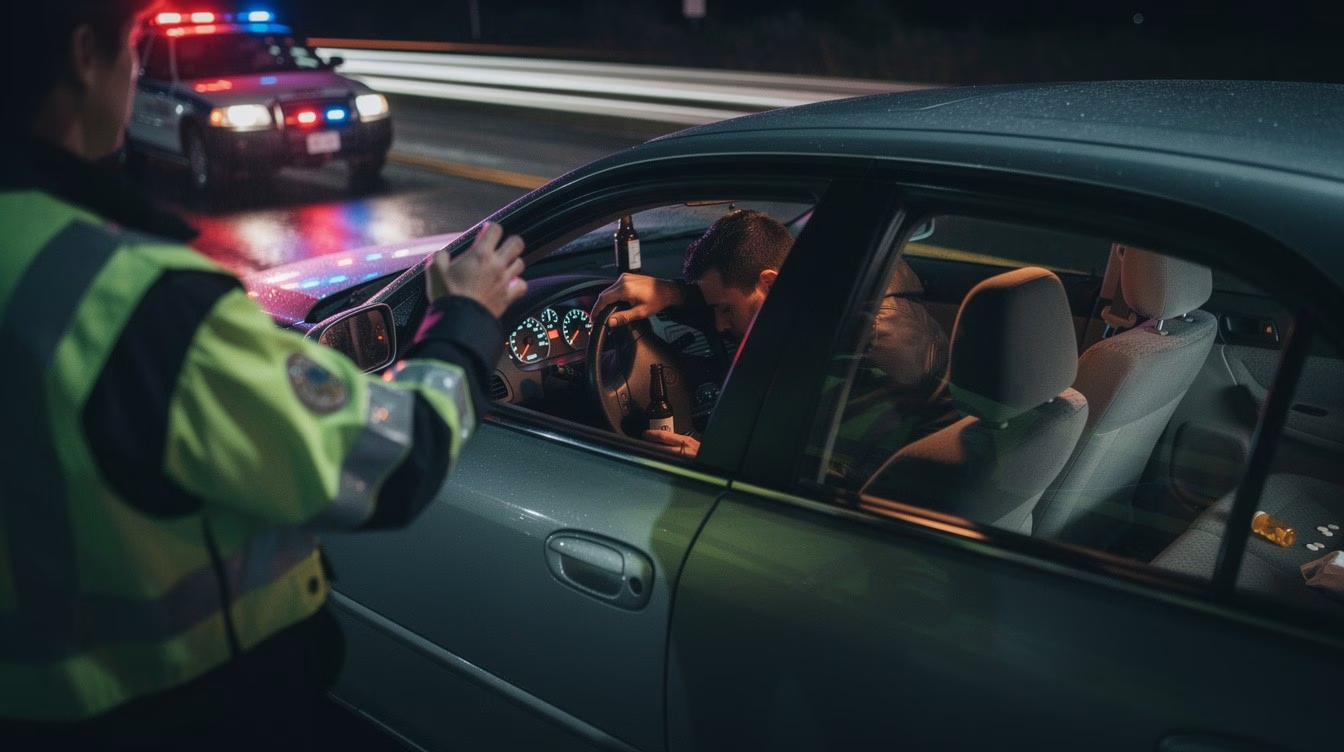
Spotting an impaired driver means recognizing patterns, not isolated incidents. Erratic lane changes happen fast-a driver drifts across two lanes without signaling, then overcorrects sharply. This isn’t aggressive driving or distraction; it’s loss of vehicle control caused by impaired judgment and slower reaction times. Weaving between lanes, hugging the center line, or drifting onto the shoulder repeatedly signals someone who can’t maintain a steady path. Impaired drivers often forget to signal a turn or lane change, or their signal is inconsistent with their maneuver.
Speed Inconsistency Reveals Impaired Judgment
Speed inconsistency compounds the problem-an impaired driver accelerates suddenly, then brakes hard for no apparent reason. Traffic lights don’t trigger normal responses; braking comes too late or too abruptly. Some impaired drivers crawl below the speed limit while others surge ahead unpredictably. This erratic acceleration and deceleration pattern distinguishes impaired drivers from those simply distracted or tired.
Poor Vehicle Control in Turns and Maneuvers
Wide turns reveal another critical sign: a driver takes corners too slowly, swings wide into adjacent lanes, or nearly clips curbs. Poor vehicle control extends to simple maneuvers-difficulty maintaining lane position, hesitation at intersections, or failing to adjust for road conditions. These behaviors cluster together and intensify, especially during peak impaired driving hours between 9 PM and 3 AM, according to crash data.
Timing and Consistency Matter Most
What separates genuine impairment from ordinary bad driving is consistency and severity. A distracted driver might drift once; an impaired driver drifts repeatedly within minutes. When you observe multiple warning signs within a short timeframe, treat the vehicle as an immediate hazard and create maximum distance between yourself and that driver. This defensive positioning protects you while you prepare to report the behavior to authorities.
How to Stay Safe Around Impaired Drivers
Create Maximum Distance Between Your Vehicle and Theirs
The gap between spotting an impaired driver and protecting yourself is distance and documentation. Your first action is creating physical separation-increase your following distance to at least eight to ten seconds behind a suspected impaired driver, far more than the standard three-second rule. This extended buffer gives you reaction time if that driver brakes suddenly, swerves into your lane, or stops without warning. Never attempt to pass an impaired driver or box them in; instead, let them move ahead or fall behind. If you’re on a multi-lane road, switch lanes and increase speed only when safe, creating maximum distance between your vehicle and theirs.
Recognize High-Risk Times and Conditions
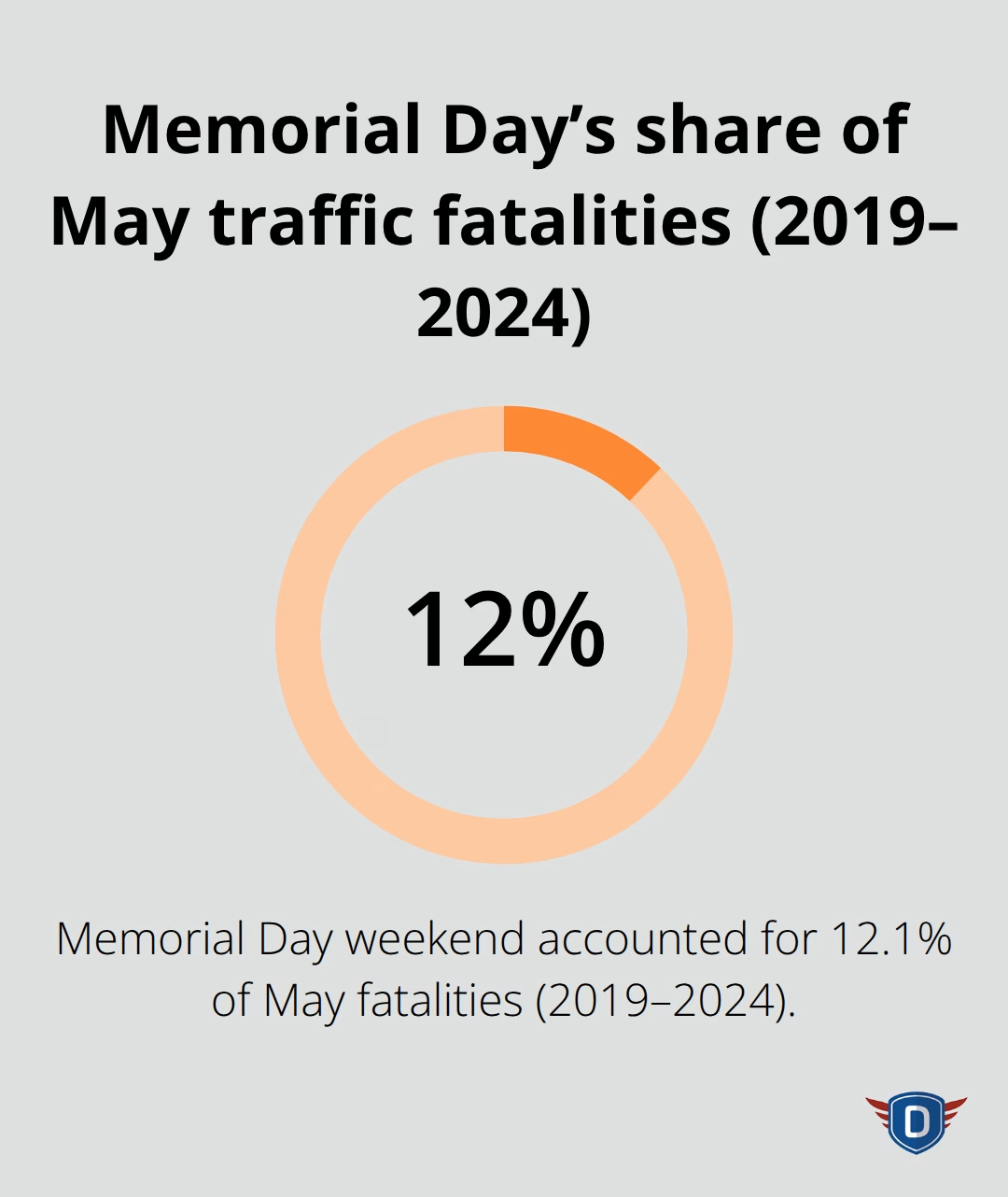
Peak impairment hours run from 9 PM to 3 AM, with Memorial Day weekend seeing fatalities that averaged 12.1% of total May fatalities from 2019 to 2024 according to crash data. Heightened vigilance during these windows pays real dividends.
You’ll spot impaired drivers more frequently during these periods, so adjust your defensive driving posture accordingly. Avoid traveling during peak drinking hours when possible, or stay extra alert if you must drive.
Report Suspicious Behavior to Law Enforcement Immediately
Reporting suspicious behavior to law enforcement is your most effective tool for preventing crashes before they happen. Call 911 immediately and provide specific details: the exact location, vehicle description (make, model, color, license plate), direction of travel, and which behaviors you observed. Stay on the line with the dispatcher if safe and continue updating them about the vehicle’s movements. In Colorado, drivers can dial 277 to reach the Colorado State Patrol directly for impaired driving reports. Never follow the suspected impaired driver or attempt to confront them-your safety comes first, and law enforcement has the training and authority to intervene.
Use Dash Cam Evidence to Document Impairment
If you own a dash cam, the footage becomes powerful evidence for authorities and insurance claims. Models with night vision, dual-channel recording (front and cabin), and cloud storage capture the erratic maneuvers, failed braking, and other impairment indicators that law enforcement needs. A dash cam investment around $200 can document critical pre-crash evidence like swerving, sudden braking, or missed traffic signals, potentially saving you hundreds of thousands in legal costs if you’re involved in a collision with that driver. Documentation shifts liability away from you and toward the impaired driver, protecting your insurance rates and legal standing.
Understand Why Your Actions Matter for Road Safety
Your role in identifying and reporting impaired drivers extends beyond self-protection-you actively prevent crashes that kill someone every 39 minutes on U.S. roads. Each report you make to law enforcement removes a dangerous driver from the road before they strike. This defensive awareness and reporting behavior forms the foundation of safer communities, which is why traffic education programs emphasize these skills alongside understanding DUI laws and their consequences.
Why DUI Penalties in Florida Hit Harder Than You Think
Florida’s Escalating Penalties for Impaired Driving
Florida imposes serious consequences for driving under the influence that extend far beyond a single fine. A first-time DUI conviction in Florida results in a mandatory six-month license suspension, fines between $1,000 and $2,000, and up to six months in jail according to Florida Statute 316.193. A second offense within five years escalates to a minimum one-year suspension, fines between $2,000 and $4,000, and up to nine months in jail.
Nearly 10,000 DUI arrests occur annually in Florida, making impaired driving one of the state’s most persistent traffic safety problems. These penalties exist because the state recognizes the catastrophic impact of impaired drivers on road safety.
The Hidden Financial Costs Beyond Court Fines
The financial impact extends far beyond court costs and jail time. Insurance rates spike dramatically after a DUI conviction, often increasing by 300 to 400 percent for the next three to five years. If you cause a crash while impaired, civil liability can reach $150,000 to $1,000,000 in damages depending on injury severity, according to case data from drunk driving lawsuits.
A single DUI conviction can cost you tens of thousands of dollars when you factor in legal fees, increased insurance premiums, and lost wages from jail time or license suspension.
How Traffic Education Addresses Root Causes
Traffic education programs work because they address the root cause of impaired driving: poor decision-making and risk awareness. Florida-approved courses teach defensive driving techniques, the physiological effects of alcohol and drugs on reaction time, and the specific legal thresholds that trigger DUI charges in Florida. The curriculum covers how impairment reduces your ability to judge distance, speed, and lane position-the exact skills you need to avoid crashes.
When drivers complete these programs, they demonstrate measurable behavior change because the education connects abstract laws to real consequences. Students explore Florida traffic laws, defensive driving techniques, and the dangers of impaired driving through clear explanations and real-life scenarios.
Why Understanding Impairment Prevents Future Crashes
Spotting impaired drivers on the road and understanding DUI laws creates a feedback loop: you become more aware of dangerous driving patterns because you understand what impairment looks like and what it costs. This awareness shifts your own driving behavior toward safer choices and makes you more likely to report suspicious drivers to law enforcement, directly reducing the 13,384 alcohol-impaired fatalities that occurred in 2021 alone.
Your knowledge of Florida’s DUI penalties and impairment indicators transforms you from a passive road user into an active participant in road safety. Each time you identify and report an impaired driver, you prevent crashes that kill someone every 39 minutes on U.S. roads.
Final Thoughts
Substance abuse recognition on the road requires you to identify behavioral patterns that reveal loss of control and dangerous decision-making. Erratic lane changes, speed inconsistency, and poor vehicle control cluster together to signal impairment rather than distraction or fatigue. When you recognize these patterns, you take the first step toward protecting yourself and others on Florida’s roads.
Your responsibility extends beyond self-protection-reporting suspicious drivers to law enforcement removes dangerous vehicles from circulation before crashes occur. Creating distance, avoiding peak drinking hours, and documenting behavior through dash cam footage transform you from a passive observer into an active participant in road safety. Each report you make prevents the crashes that claim lives every 39 minutes across the United States.
Understanding Florida’s DUI penalties reinforces why prevention matters (first-time convictions carry six-month license suspensions, fines between $1,000 and $2,000, and potential jail time). Insurance rates spike 300 to 400 percent for years afterward, and civil liability from crashes can reach $150,000 to $1,000,000 depending on injury severity. We at floridadetscourse.com offer Florida-approved traffic school programs that teach defensive driving techniques and the specific legal thresholds that trigger DUI charges in your state-explore our courses to adopt lifelong safe driving habits while protecting your record and lowering costs.