Safety driver training programs can reduce crash rates by up to 40% according to the National Safety Council. These structured courses teach essential skills that transform average drivers into safety-conscious professionals.
At floridadetscourse.com, we’ve analyzed hundreds of training programs to identify what makes them effective. The right program combines defensive techniques, hazard recognition, and emergency response skills.
What Driver Safety Programs Actually Work
Most driver safety programs fall into three categories that produce measurably different results. Employer-sponsored fleet training programs focus on commercial drivers and show the strongest outcomes, with companies like UPS reporting significant safety improvements after implementation. Court-mandated defensive driving courses target violation offenders and typically reduce repeat infractions by 25-40% according to Massachusetts Department of Transportation data. Voluntary safety courses attract proactive drivers who seek insurance discounts or skill improvement, though their effectiveness varies widely based on curriculum quality and instructor expertise.
Programs That Deliver Real Results
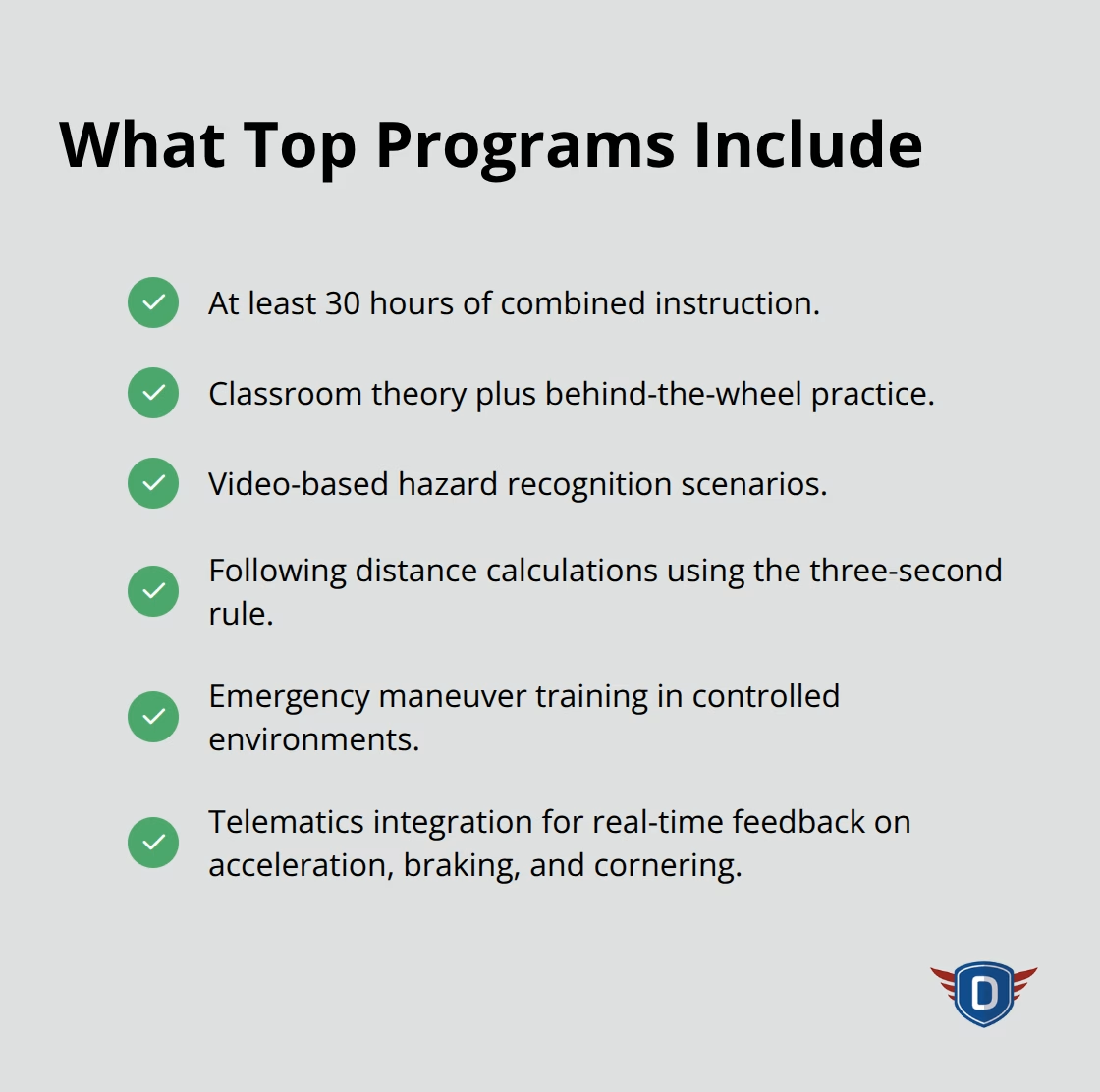
The most effective training programs share specific structural elements that separate them from generic offerings. They include at least 30 hours of combined instruction time, with successful programs like the National Safety Council’s courses requiring both classroom theory and behind-the-wheel practice. Top-performing curricula emphasize hazard recognition through video-based scenarios, teach precise following distance calculations (using the three-second rule), and provide emergency maneuver training in controlled environments. Advanced programs add telematics integration, which allows real-time feedback on acceleration patterns, braking habits, and cornering speeds that basic courses cannot address.
Basic vs Advanced Training Differences
Basic safety courses cover fundamental traffic laws and general defensive driving techniques, typically lasting 4-8 hours and costing $50-150. Advanced programs extend 16-40 hours, cost $300-800, and include specialized modules for weather conditions, commercial vehicle operation, and accident reconstruction analysis. The key difference lies in practical application: basic courses rely on theoretical knowledge while advanced training uses driving simulators, skid pad exercises, and emergency response drills that create muscle memory for critical situations.
State-Specific Requirements
Different states mandate varying levels of driver safety education, which directly impacts program design and effectiveness. Florida requires court-ordered drivers to complete specific hour requirements (ranging from 4 to 8 hours depending on violation severity), while other states like California focus more on voluntary participation with insurance incentives. These regulatory differences shape how programs structure their content and measure success rates.
The next step involves identifying which specific skills these programs teach and how they translate into real-world safety improvements on the road.
What Skills Transform Average Drivers Into Safety Experts
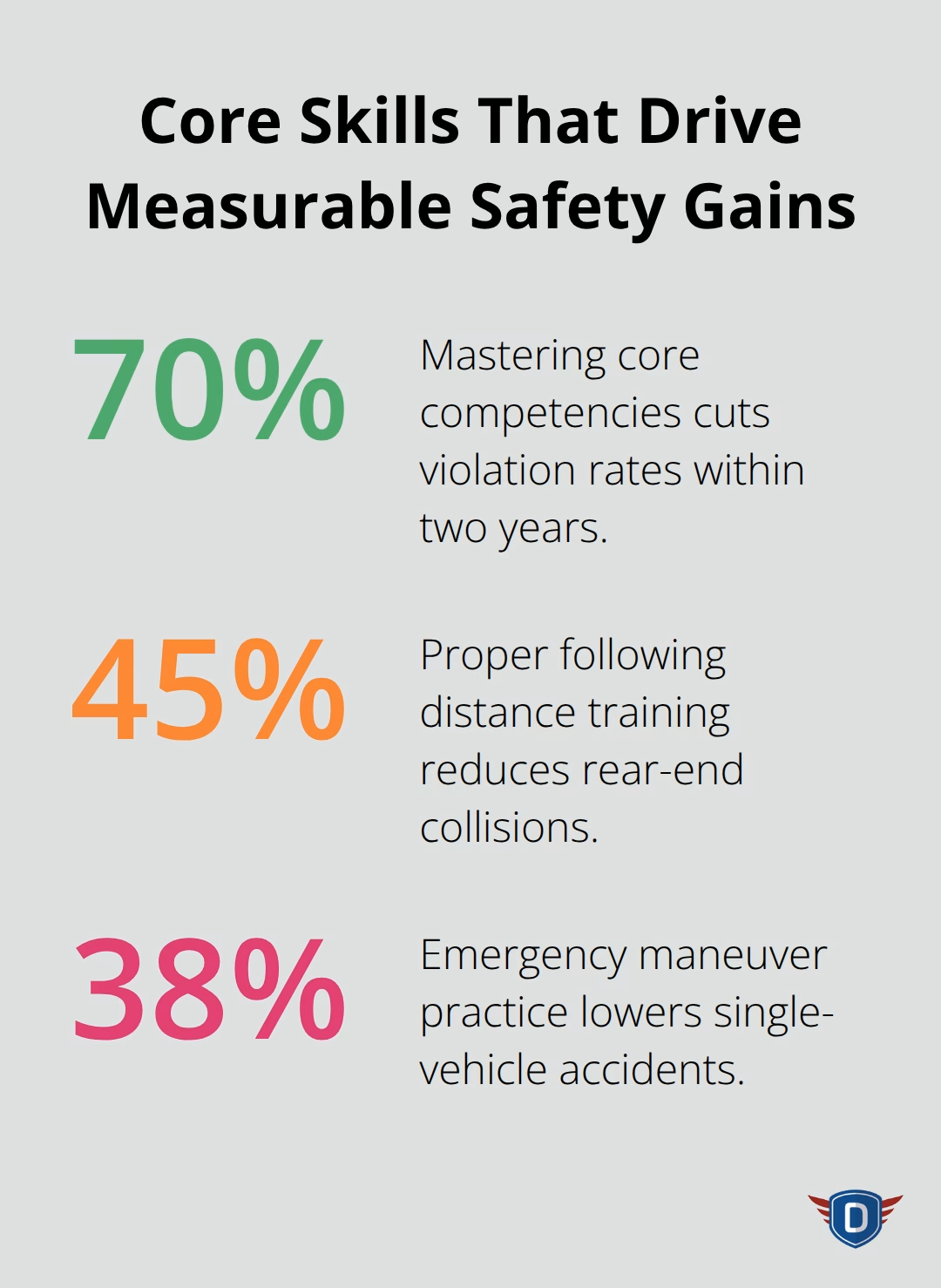
Safety driver training programs focus on three skill areas that produce measurable crash reduction: hazard recognition, space management, and emergency response. The National Safety Council reports that drivers who master these core competencies reduce their violation rates by 70% within two years of training completion. Massachusetts Department of Transportation data shows that proper following distance training alone cuts rear-end collisions by 45%, while emergency maneuver practice reduces single-vehicle accidents by 38%.
Hazard Recognition Techniques That Work
Effective hazard recognition training uses eye-tracking technology and video-based scenarios to teach drivers where to look and when. Top programs require students to identify potential dangers within 3-5 seconds of exposure, with focus on intersection scan patterns, pedestrian movement prediction, and vehicle behavior analysis. Students practice the Smith System’s five keys: aim high in steering, get the big picture, keep your eyes moving, leave yourself an out, and make sure others see you. Advanced courses add cognitive load training, where drivers must identify hazards while they manage secondary tasks (like GPS navigation or passenger conversations).
Space Management Fundamentals
Professional training programs teach precise following distance calculations using the 3-4 second rule for safe following distances. Students learn threshold braking techniques that can reduce stopping distances by 20-30% compared to panic braking. These programs emphasize controlled steering inputs during emergency lane changes and teach drivers how to maintain proper cushions around their vehicles in all traffic situations.
Emergency Response Protocols
Weather condition modules cover hydroplaning recovery, snow traction management, and fog navigation protocols that standard driver education courses rarely address. Students practice emergency maneuvers in controlled environments, learning how to respond to tire blowouts, brake failures, and sudden obstacles. Advanced training includes accident avoidance techniques that prepare drivers for split-second decisions (such as choosing between collision types when impact becomes unavoidable).
The effectiveness of these skills depends heavily on how you select and evaluate the training program that teaches them.
How to Pick the Right Safety Training Program
The instructor’s background determines program quality more than marketing claims or price points. Look for instructors with commercial experience, accident reconstruction certification, or law enforcement backgrounds rather than generic credentials. Programs staffed by former fleet managers or defensive specialists from companies like UPS or FedEx typically deliver superior results because they understand real-world safety challenges. Avoid courses taught by instructors with only basic driver education certification, as they lack the specialized knowledge needed for advanced safety techniques. The most effective programs require instructors to complete annual recertification and maintain current knowledge of traffic safety research.
Online vs In-Person Format Selection
Online safety courses excel at traffic laws, hazard recognition patterns, and theoretical knowledge at 40-60% lower costs than classroom alternatives. The National Safety Council’s online programs show a 70% decrease in violation rates for knowledge-based content. However, emergency maneuver practice, space management skills, and vehicle control techniques require hands-on instruction with dual-control vehicles and skid pad practice. Smart drivers choose hybrid programs that combine online theory modules with 4-8 hours of practical instruction, which maximizes cost efficiency while maintaining skill development quality.

State Requirements Shape Program Selection
Florida mandates specific hour requirements for court-ordered drivers: 4 hours for Basic Driver Improvement, 8 hours for Intermediate courses, and additional specialized courses for aggressive violations. These state-approved programs must meet Florida Department of Highway Safety and Motor Vehicles standards and report completion directly to the state system. California focuses on voluntary participation with insurance discount incentives, while states like Massachusetts require more comprehensive courses for serious violations. Check your state’s DMV website for approved provider lists and specific curriculum requirements before enrollment, as non-approved programs waste time and money while they fail to meet legal obligations.
Course Content Evaluation Criteria
Effective programs include at least 30 hours of combined instruction time with both classroom theory and behind-the-wheel practice. Top-performing curricula emphasize hazard recognition through video-based scenarios, teach precise distance calculations (such as the three-second rule), and provide emergency maneuver practice in controlled environments. Advanced programs add telematics integration, which allows real-time feedback on acceleration patterns and cornering speeds that basic courses cannot address.
Final Thoughts
Safety driver training programs deliver measurable financial and safety benefits that extend far beyond the initial investment. Drivers who complete comprehensive courses reduce their violation rates by 70% within two years, while companies report up to 40% fewer accidents among trained employees. Insurance providers recognize this value through premium discounts that range from 5-15% for drivers who complete approved courses, with some carriers that offer additional savings for advanced certifications.
Your record improves significantly after you complete professional safety driver training. Massachusetts data shows participants experience 74% fewer surchargeable violations, while major violation rates drop by 38%. These improvements translate to lower insurance costs, reduced legal risks, and enhanced employment opportunities for commercial drivers.
Continued education maintains these benefits over time. Annual refresher courses help drivers adapt to new traffic laws and new safety technologies, while monthly safety meetings reinforce defensive techniques and telematics feedback provides performance insights. We at floridadetscourse.com offer comprehensive Florida-approved programs that combine online convenience with state-mandated requirements.