Getting your driver’s license in Florida starts with completing the Traffic Law and Substance Abuse Education course. This mandatory TLSAE course Florida requires covers essential safety topics that every new driver must understand.
We at floridadetscourse.com know that navigating the enrollment process can feel overwhelming for first-time drivers and their families. This guide breaks down everything you need to know about completing your TLSAE course successfully.
Understanding TLSAE Course Requirements in Florida
What TLSAE Stands For and Why Florida Requires It
Traffic Law and Substance Abuse Education serves as Florida’s mandatory gateway course for new drivers. The Florida Department of Highway Safety and Motor Vehicles mandates this 4-hour program for anyone over 18 who has never held a driver’s license from any state or country. The course also applies to drivers under 21 with blood alcohol levels between 0.02 and 0.05 who need license reinstatement on a hardship basis.
Florida created TLSAE to combat traffic safety concerns. Teen drivers in Florida were involved in 84,052 crashes resulting in 350 fatalities and 1,935 serious injuries in 2020. The program addresses these safety concerns through comprehensive education about impaired operation and traffic law compliance.
Age Requirements and Eligibility Criteria
Florida sets the minimum age at 14.5 years for TLSAE enrollment, though most students complete it at 15 before they apply for their learner’s permit. The course targets first-time license applicants exclusively – drivers who transfer from other states can skip this requirement entirely.
Students under 18 must provide a signed and notarized parental consent form during enrollment. The completion certificate remains valid for 90 days, which gives students a three-month window to apply for their permit or license after they finish the course.
Course Duration and Content Overview
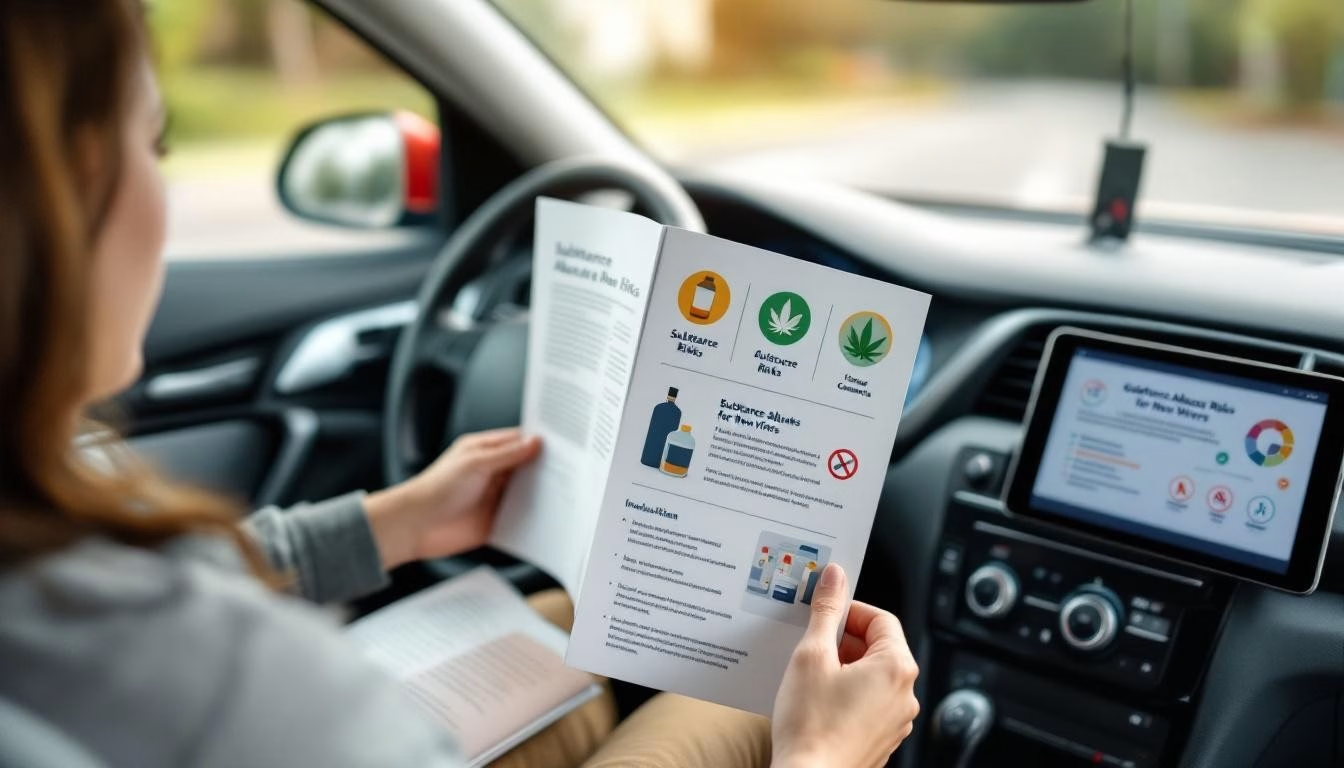
The TLSAE curriculum spans exactly 4 hours across seven structured lessons that cover Florida traffic laws, DUI education, and defensive operation techniques. Students learn about alcohol’s effects on reaction time, drug impairment recognition, insurance requirements, and safety equipment regulations.
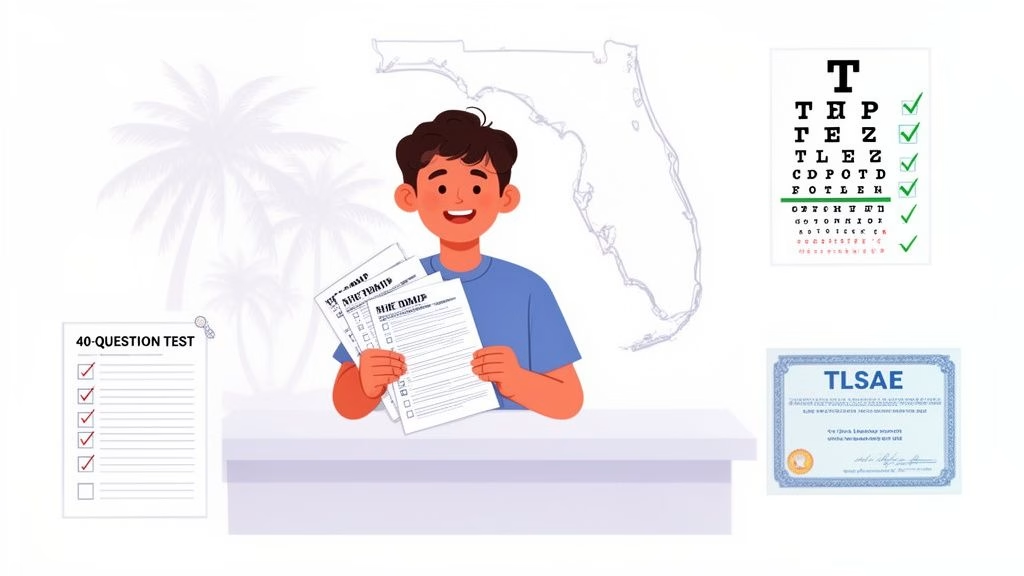
The final exam contains 40 questions that require an 80% pass rate (though unlimited retakes are available at no extra cost). Course providers automatically report completion results to the FLHSMV electronically, which streamlines the process for students who pass successfully.
Now that you understand what TLSAE involves and who needs to take it, the next step focuses on how to find an approved provider and complete your enrollment.
How to Enroll and Complete Your TLSAE Course
Finding an Approved TLSAE Course Provider
The Florida Department of Highway Safety and Motor Vehicles maintains a strict approved provider list that you must check before enrollment. Only state-approved schools can issue valid completion certificates that the FLHSMV will accept. Major providers like the National Traffic Safety Institute and American Safety Council offer courses throughout Florida.
We at floridadetscourse.com provide comprehensive Florida-approved programs designed to help drivers become safer and more responsible. Our certified instructors offer personalized guidance to help students master necessary skills for safe road navigation.
The FLHSMV oversees all course providers and requires them to follow specific curriculum standards. This oversight protects students from fraudulent programs that waste time and money without meeting state requirements.
Online vs In-Person Course Options
Online TLSAE courses cost between $25 to $45, while classroom options often charge $60 or more due to facility overhead costs. The price difference makes online courses attractive to budget-conscious students and families.
Online platforms provide 24/7 availability that eliminates scheduling conflicts common with in-person sessions. Students access courses from any device with internet connectivity, which allows completion during lunch breaks, weekends, or late evenings. Interactive content through online platforms increases retention rates significantly compared to traditional lecture formats.
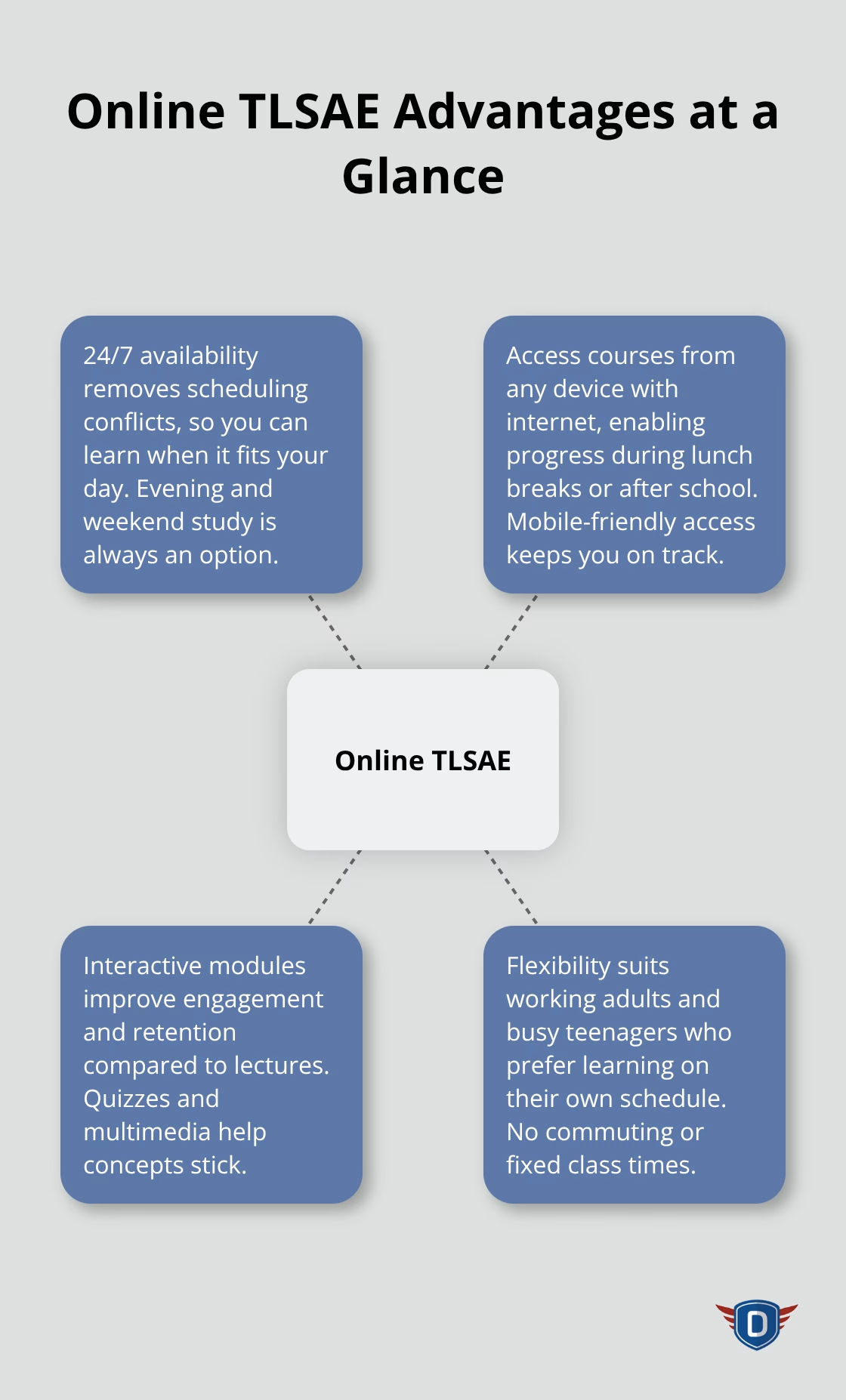
Classroom settings offer face-to-face interaction with instructors but require students to travel to specific locations at set times. Most students prefer online flexibility over classroom structure (especially working adults and busy teenagers).
Step-by-Step Enrollment Process
Start enrollment by gathering required documents: Social Security number, valid email address, and payment method. Students under 18 need the notarized parental consent form before registration begins.
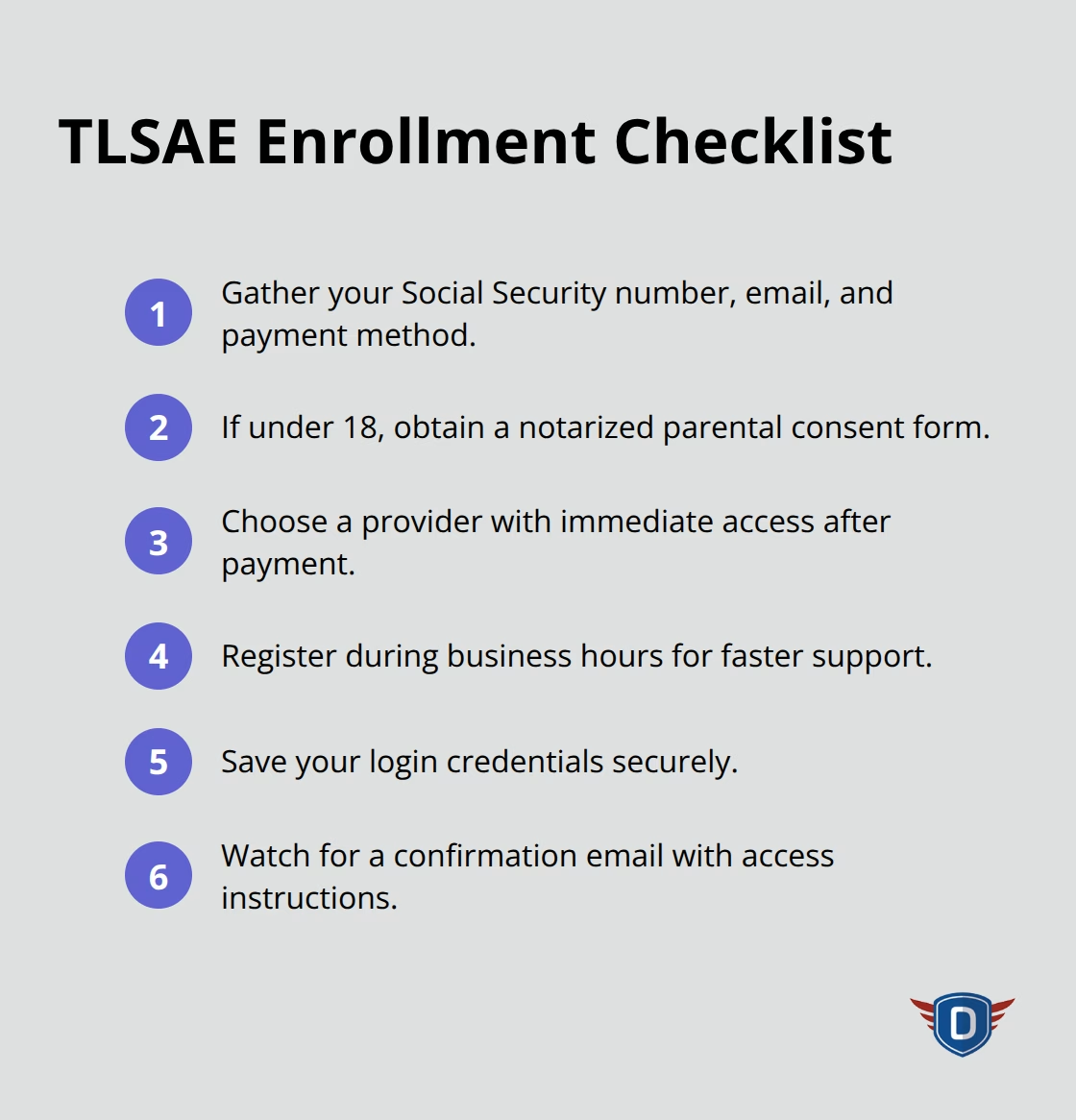
Choose providers that offer immediate course access after payment rather than those requiring approval delays. Complete the registration process during business hours when customer support is available to resolve technical problems quickly.
Save your login credentials securely since most courses require multiple sessions to finish the full 4-hour requirement. Most providers send confirmation emails with course access instructions within minutes of payment processing.
The next step involves developing effective study strategies that will help you pass the course material and final exam on your first attempt.
How Do You Pass Your TLSAE Course on the First Try
Master the Core Content Areas
Focus your study time on the three main sections that appear most frequently on TLSAE exams: alcohol impairment effects, Florida traffic violations, and defensive operation techniques. The National Highway Traffic Safety Administration reports that 34 people die daily in drunk-driving crashes in the United States, which makes impairment education a priority topic. Spend extra time on blood alcohol content levels, reaction time impacts, and legal penalties for DUI offenses in Florida.
Traffic law questions typically cover speed limits, right-of-way rules, and parking regulations specific to Florida. The Florida Department of Highway Safety and Motor Vehicles updates these laws annually, so recent course materials contain the most current information. Practice identification of school zone speed limits, construction zone penalties, and intersection rules since these topics generate the most student confusion.
Take Detailed Notes During Each Lesson
Write down specific statistics and legal penalties as you progress through course modules. Most students who fail their first attempt skip note-taking and rely solely on memory during the 40-question final exam. Create a simple chart that lists violation types, fine amounts, and point penalties to reference during review sessions.
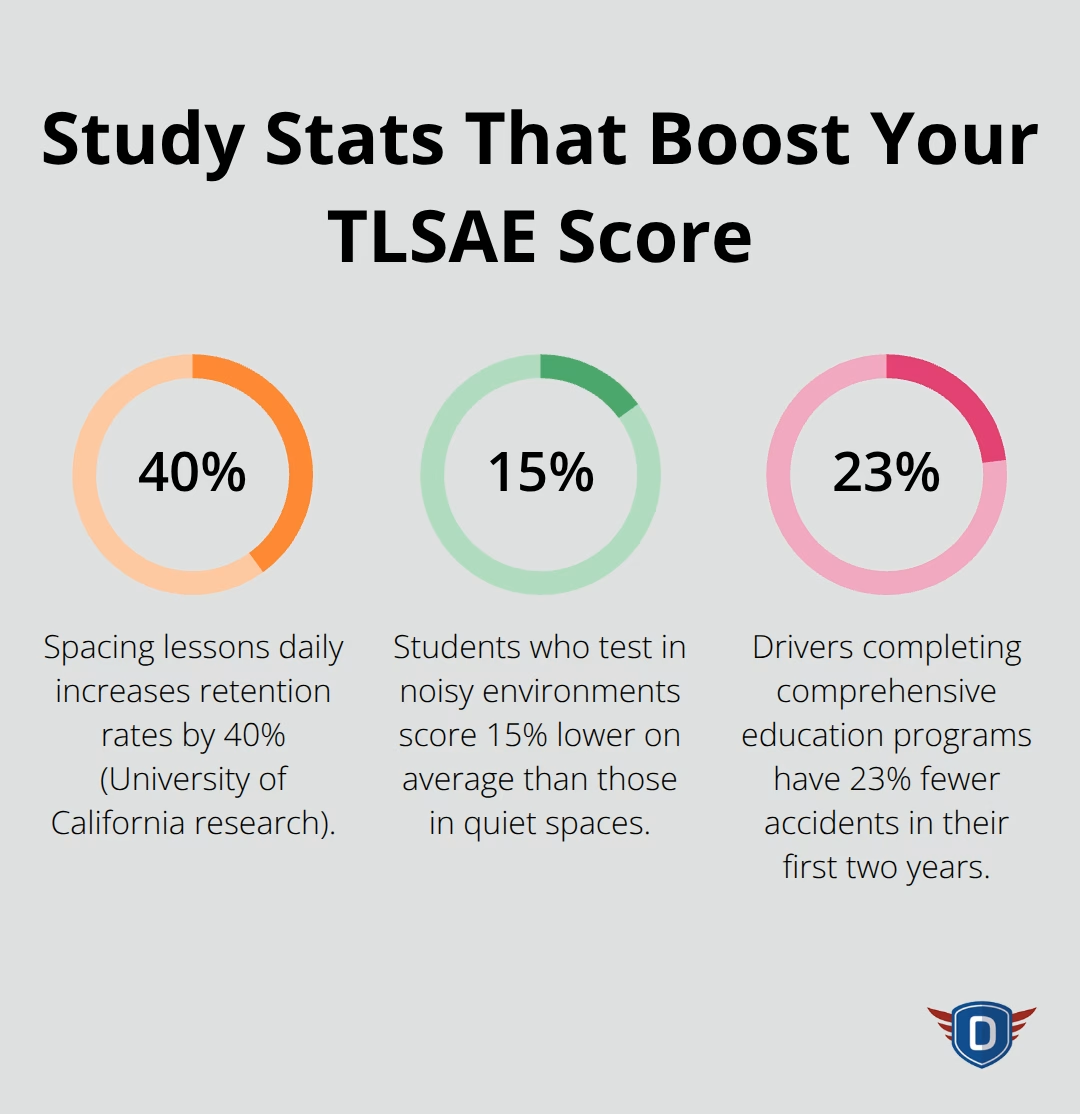
Break your study sessions into 30-minute blocks to maintain focus throughout the 4-hour course. Complete one lesson per day rather than cram all content into a single session. This approach increases retention rates by 40% (according to educational research from the University of California). Take the practice quizzes immediately after each lesson while the material remains fresh in your memory.
Schedule Your Course Completion Strategically
Complete your TLSAE course on weekdays when customer support staff can assist with technical problems or login issues. Avoid course starts on Friday evenings or weekends when help desk responses take longer. Most providers require 24-48 hours to process completion certificates, so plan accordingly if you have permit application deadlines.
Set aside uninterrupted time blocks for the final exam since most platforms log you out after 30 minutes of inactivity. Choose a quiet environment without distractions from phones, television, or family members. Students who take the exam in noisy environments score 15% lower on average than those who find quiet spaces for concentration (which demonstrates the importance of proper test preparation).
Final Thoughts
Your TLSAE course Florida completion certificate gets reported to the FLHSMV within 24-48 hours automatically. You can apply for your learner’s permit immediately after you pass the final exam. The knowledge you gained about impaired operation, traffic laws, and defensive techniques forms the foundation for safe habits throughout your life.
Studies show that drivers who complete comprehensive education programs have 23% fewer accidents during their first two years behind the wheel compared to those with minimal training. Your next step involves gathering required documents for permit application: proof of identity, Social Security number, and two proofs of residential address. Schedule your permit test at your local FLHSMV office or authorized testing center (the written knowledge exam covers similar material to your TLSAE course, so recent completion gives you a significant advantage).
We at floridadetscourse.com provide ongoing support through additional driver improvement courses that help you maintain safe habits and potentially reduce insurance costs. Our Florida-approved programs continue your education beyond the basic TLSAE requirements. These advanced courses help you develop skills that make you a safer, more confident driver on Florida roads.
![Teen Driver Licensing Requirements in Florida [2026]](https://floridadetscourse.com/wp-content/uploads/emplibot/florida-license-requirements-hero-1773544196.avif)