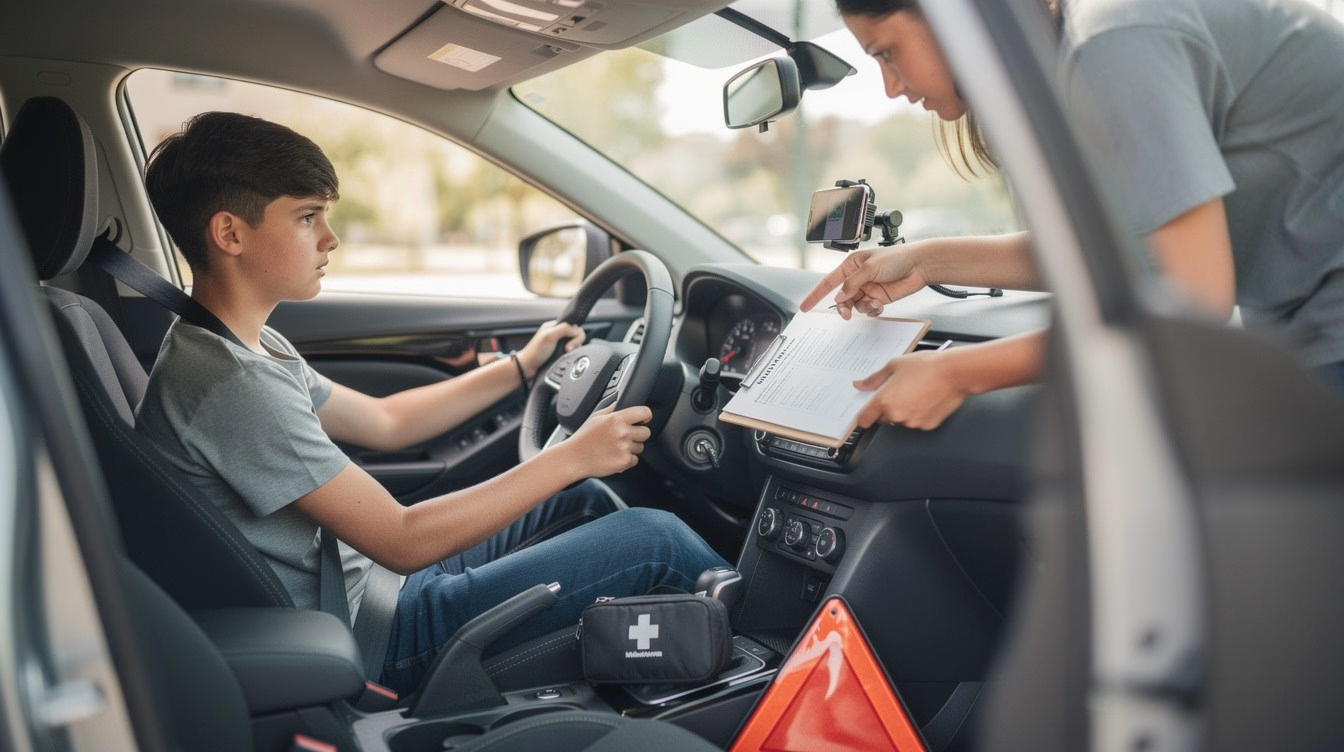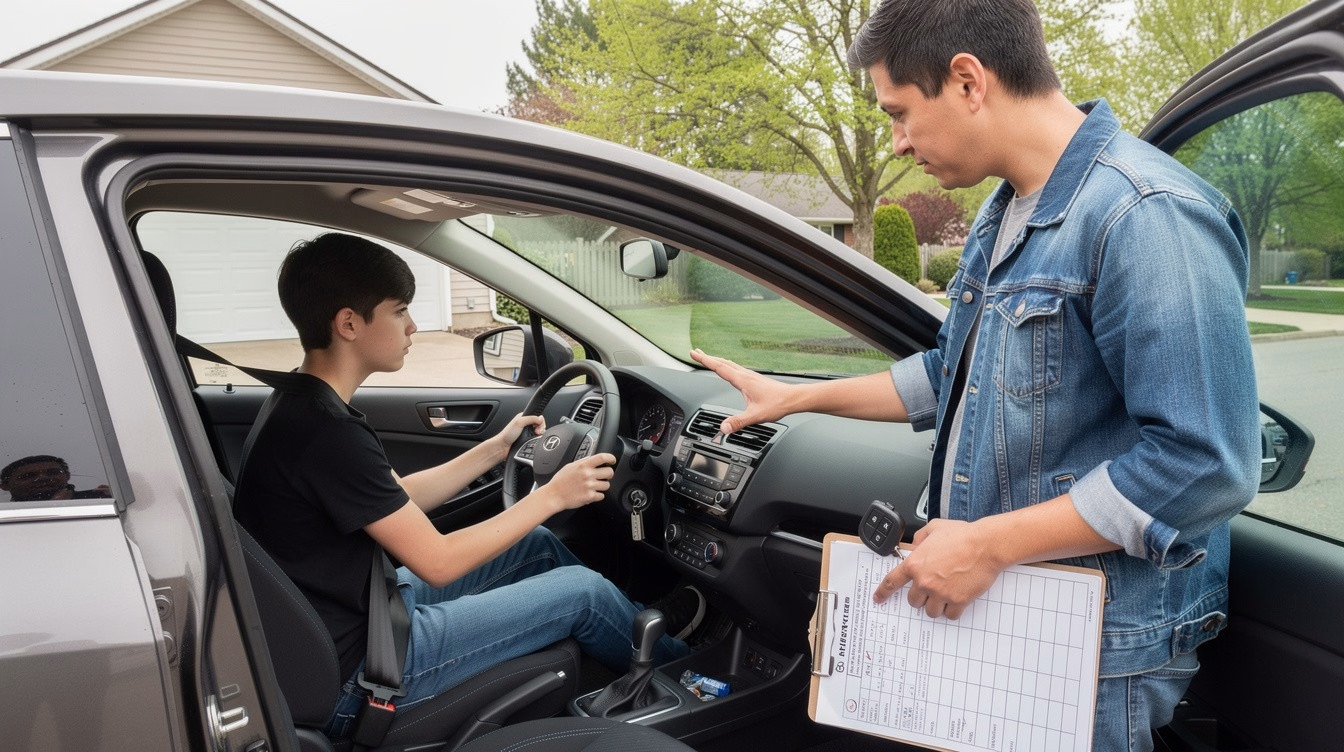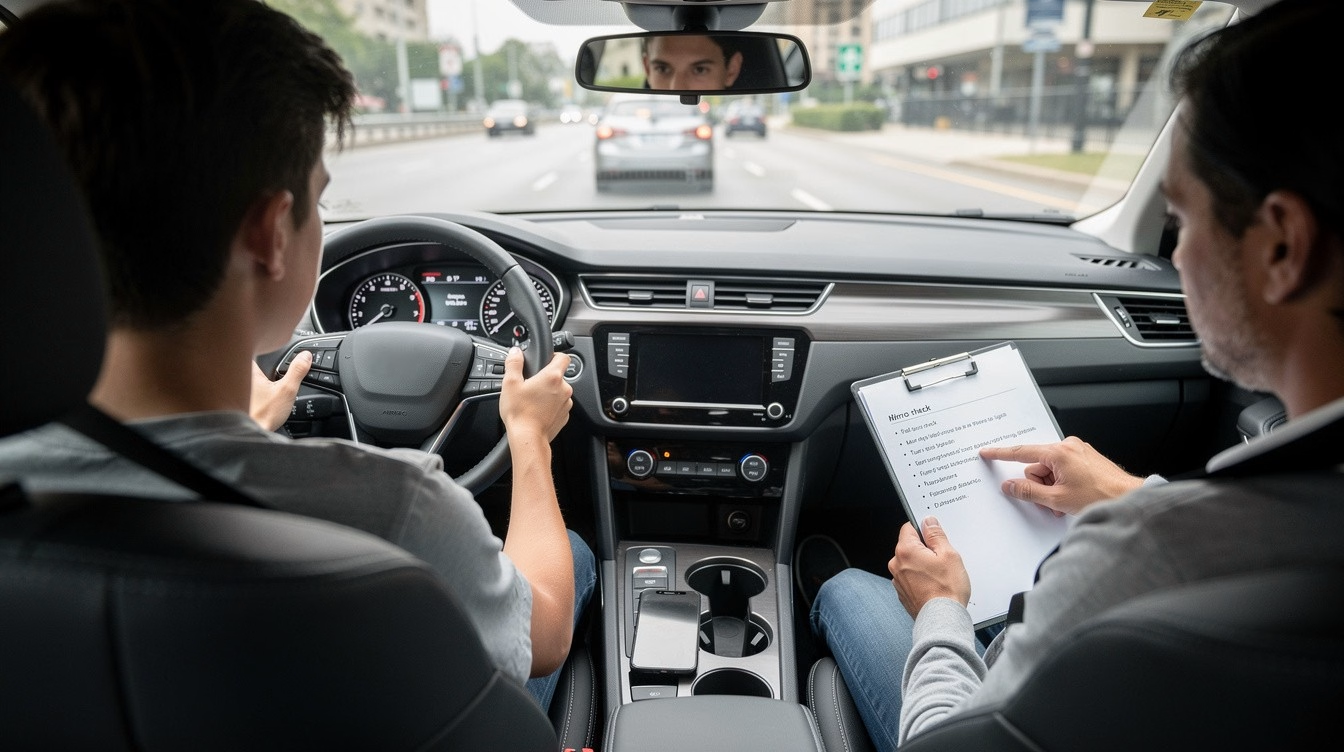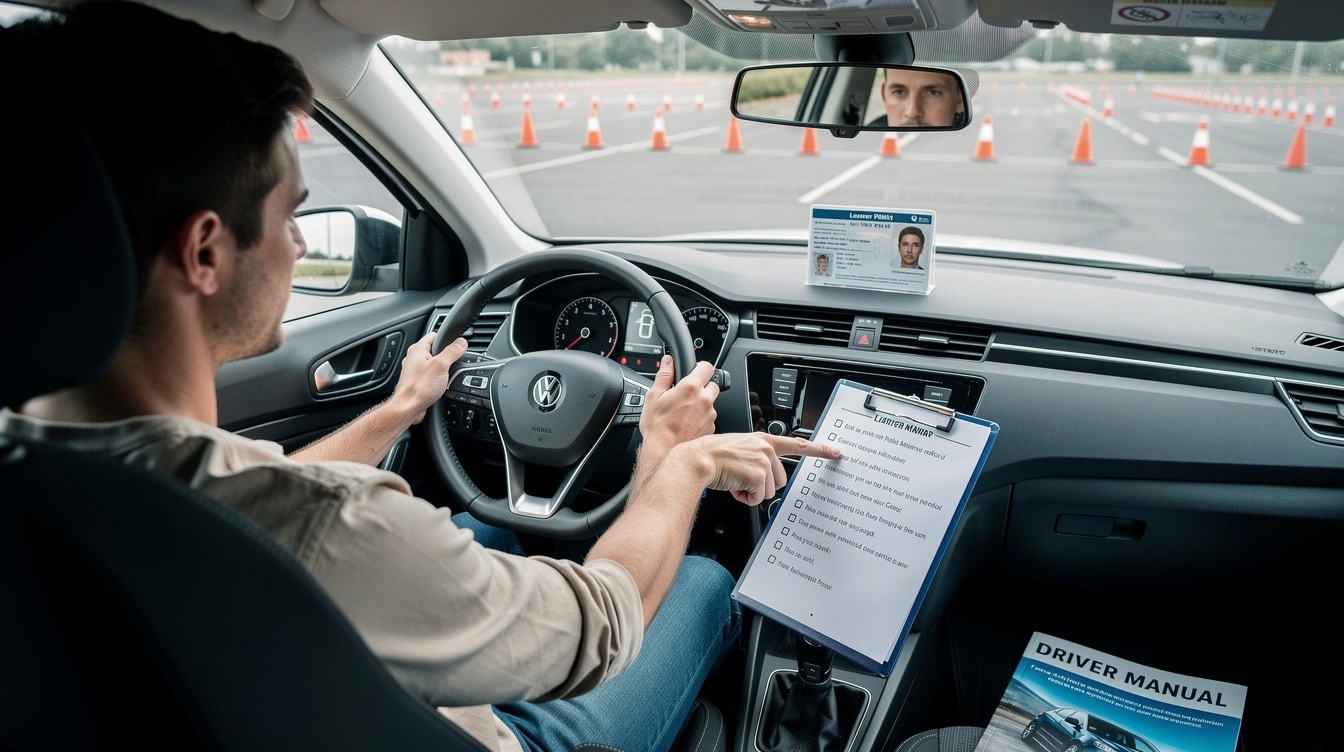
Parent monitoring teens is one of the most effective ways to reduce accidents and build safe driving habits from day one. The data backs this up: teens with parental oversight show significantly lower crash rates than those without supervision.
At floridadetscourse.com, we know that tracking progress doesn’t mean hovering-it means staying informed and having meaningful conversations about what’s working and what needs improvement. This guide walks you through practical tools and strategies that actually work.
Why Tracking Teen Driving Matters
The Data Behind Parental Monitoring
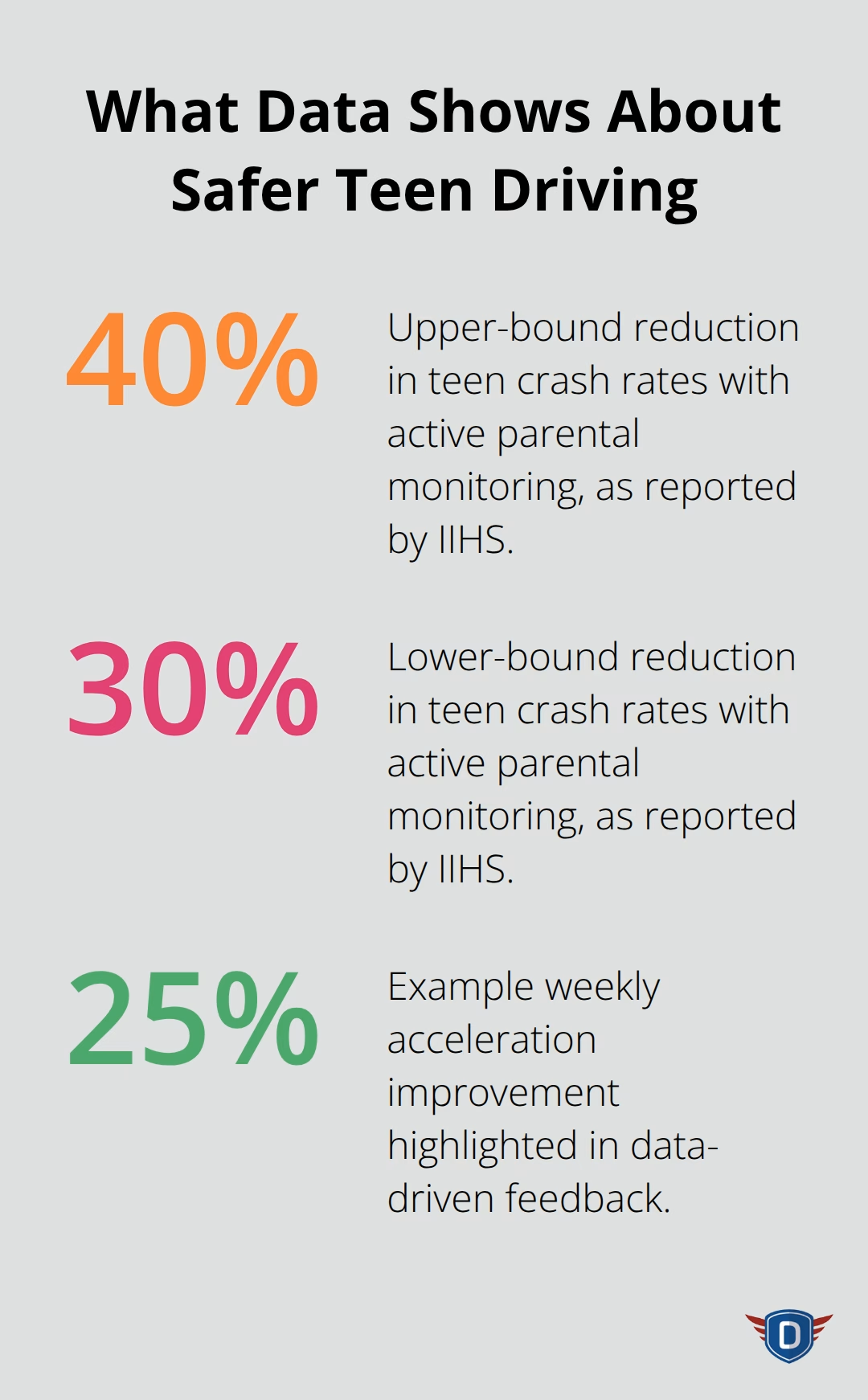
Motor vehicle crashes remain the leading cause of death for teens aged 15 to 19, with 2,116 drivers aged 15 to 20 killed and an estimated 203,256 injured in motor vehicle crashes in 2021 according to the National Highway Traffic Safety Administration. Parental monitoring directly counteracts this trend. Research from the Insurance Institute for Highway Safety shows that teens whose parents actively track their driving behavior experience crash rates 30 to 40 percent lower than peers without oversight. This isn’t about invading privacy-it’s about using data to identify dangerous patterns before they become fatal mistakes.
What Data Reveals That Conversations Cannot
When parents know what’s happening behind the wheel, they can intervene with specific, actionable feedback rather than vague warnings about “driving safely.” Telematics data reveals patterns that conversations alone cannot capture: whether a teen accelerates too quickly on residential streets, whether they maintain safe following distances, or whether they speed during specific times of day. This specificity matters enormously because it transforms abstract safety advice into concrete evidence.
Building Confidence Through Concrete Progress
Confidence grows from competence, not from avoiding mistakes. Teens need to see exactly where they’re improving and where they still struggle. If a parent points out that their teen reduced hard braking incidents from eight per week to three, that’s concrete evidence of progress. A teen who receives feedback like “you’re being reckless” shuts down; a teen who hears “your acceleration rate improved by 25 percent this week, but we need to focus on braking smoother at red lights” engages actively.
How Accountability Becomes a Partnership
Constructive feedback builds accountability naturally because teens see the direct link between their choices and the data. When teens understand that monitoring exists to help them succeed rather than punish them, they become partners in the process instead of adversaries. The American Academy of Pediatrics emphasizes that family communication and involvement in goal-setting significantly reduce risky teen driving behaviors. Parents who establish clear expectations upfront-specific speed limits for different road types, acceptable following distances, zero tolerance for phone use-create a framework that makes progress measurable and realistic. Without these benchmarks, teens have no target to try for.
Setting the Foundation for Effective Tracking
The tools and methods parents use to monitor progress matter far less than the foundation they build first. Clear expectations, open communication, and a shared commitment to safety create the conditions where tracking data actually changes behavior. With this foundation in place, parents can select the right monitoring tools and strategies that fit their family’s needs.
Tools and Methods for Tracking Teen Driving
Telematics Apps Capture What Matters Most
Telematics apps stand out as the most practical choice for real-time tracking because they capture the specific driving behaviors that matter. Apps like Life360, Verizon’s Hum, and similar platforms record hard braking events, rapid acceleration, speeding instances, and trip routes with timestamps. Parents receive alerts immediately when violations occur, which means intervention happens while the behavior is fresh in a teen’s mind rather than days later during a scheduled conversation.
The data these apps generate transforms abstract concerns into measurable metrics. If a parent notices their teen hard-brakes five times during a single trip on residential streets, that’s actionable feedback: the teen needs to increase following distance and anticipate stops earlier. Without this specificity, parents resort to general warnings that teens largely ignore.
Dashcams Provide Visual Context
In-vehicle dashcams complement telematics by providing visual context for risky moments. A dashcam recording shows exactly what happened before a hard brake or swerve, eliminating guesswork about whether the teen was distracted, misjudged distance, or reacted to another driver’s mistake. This visual evidence makes conversations far more productive because teens see their own behavior rather than hearing accusations.
Dashcams work best when parents review footage together with their teen, asking questions instead of making statements. A teen who watches themselves nearly miss a stop sign learns faster than one who hears “you weren’t paying attention.”
Driving Logs Build Teen Engagement
Regular driving logs that parents and teens complete together create accountability through participation rather than surveillance alone. When teens document their own trips-distance driven, road types, weather conditions, any incidents-they become aware of patterns they might otherwise miss. A teen who logs three instances of speeding in a single week sees the pattern themselves and often self-correct without parental nagging.
Logs work particularly well when teens write brief notes about what happened and what they’d do differently. This reflection transforms monitoring into a learning tool rather than a punishment mechanism.
Combining Tools Creates a Complete Picture
The combination matters most: telematics provides objective data, dashcams provide context, and logs provide teen engagement. Parents who rely on only one method miss critical information. Telematics alone tells you hard braking happened but not why.
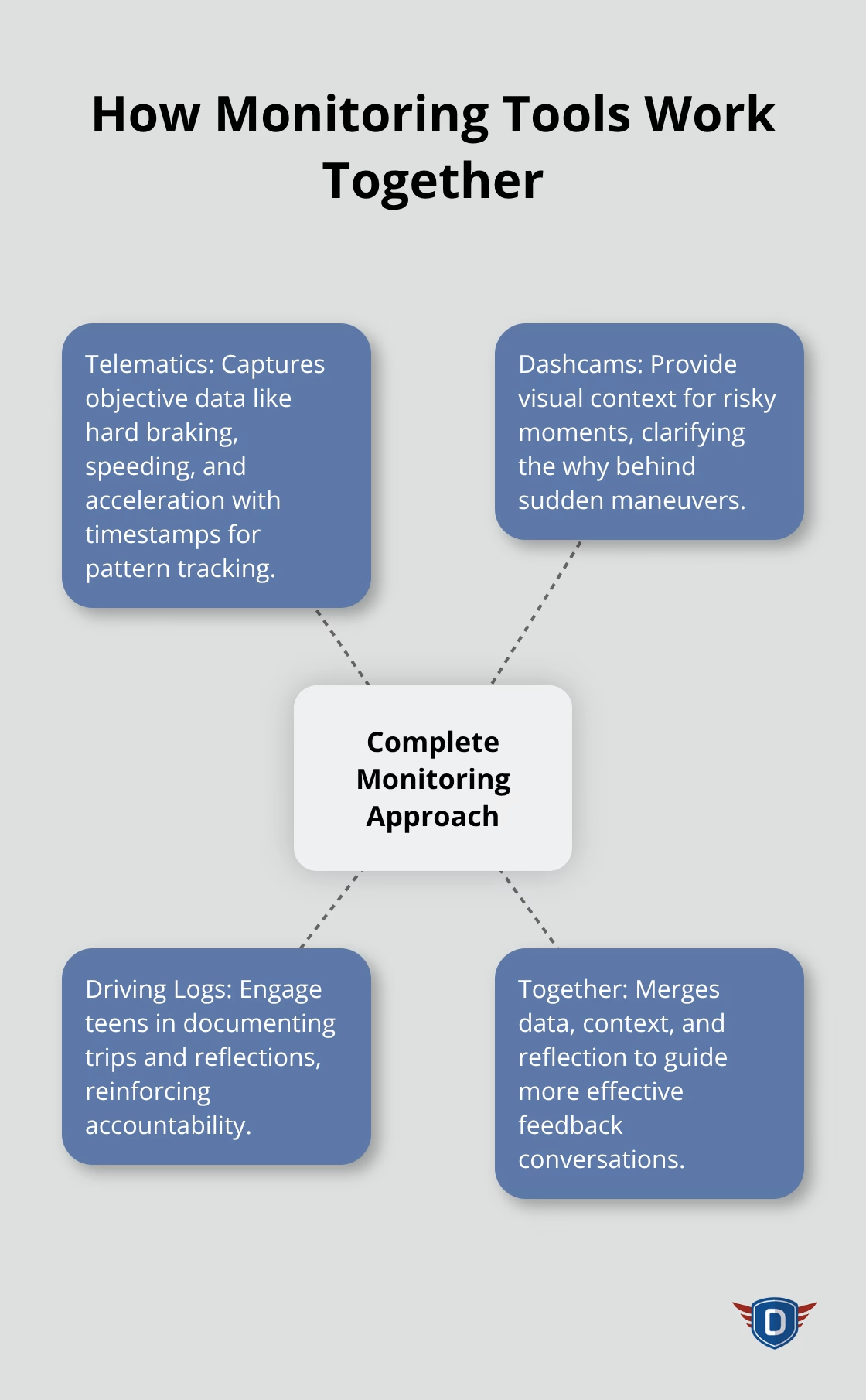
A dashcam alone captures moments but doesn’t track trends over weeks. Logs alone depend on teen honesty and memory.
Together, these tools create a complete picture of driving progress and the evidence base for meaningful feedback conversations. With this foundation of real data and visual evidence, parents can move forward with confidence into setting clear expectations and goals that actually stick.
How to Set Expectations That Actually Change Behavior
Establish Measurable Targets Your Teen Can Hit
Vague safety goals fail because teens don’t know what success looks like. Instead of telling your teen to drive safely, establish measurable targets tied to telematics data. Set a specific hard braking limit of no more than two incidents per week on residential streets, define acceptable following distances based on speed (three seconds at 35 mph, four seconds at 45 mph), and establish a zero-tolerance rule for phone use while driving. These concrete benchmarks transform monitoring from parental surveillance into a collaborative performance standard.
When your teen understands that the goal is three hard braking incidents or fewer this week, they have something specific to work toward rather than a general instruction to be more careful. Research from the Insurance Institute for Highway Safety shows that teens respond better to specific, measurable feedback than to vague warnings.
Build Goals on Real Baseline Data
Start by reviewing your teen’s baseline data for two weeks before setting goals. This foundation prevents you from establishing targets that are either too easy or impossible. Then establish targets that represent a 20 to 30 percent improvement rather than perfection. Unrealistic goals backfire because teens become discouraged; achievable targets build momentum and confidence.
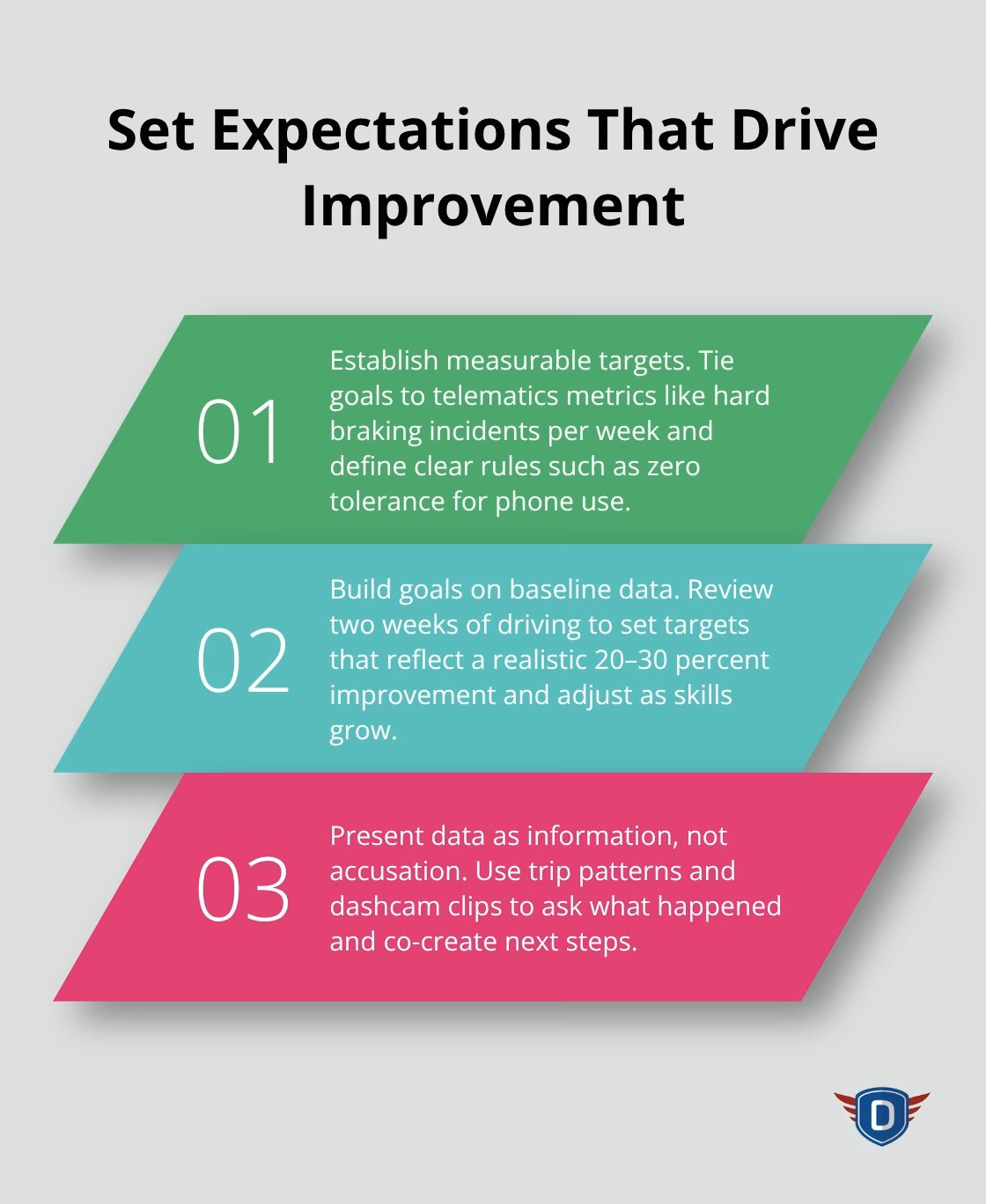
Share these expectations in writing so there’s no confusion. Revisit them monthly as your teen improves, adjusting targets upward as skills develop. This progression shows your teen that improvement leads to earned trust and expanded driving privileges.
Present Data as Information, Not Accusation
Feedback without judgment means presenting data as information rather than criticism. When telematics shows your teen accelerated hard three times during a single trip, ask what happened rather than stating they were reckless. A teen who watches their own dashcam footage while you ask questions learns far faster than one who hears criticism.
Frame feedback conversations around patterns, not isolated incidents. Instead of saying you saw one bad braking event, say you noticed hard braking happened four times this week, mostly between 3 and 4 p.m. on neighborhood streets, and ask what’s different about that time and location. This data-driven approach removes emotion and gives your teen something concrete to address.
Schedule Conversations That Build Trust
Schedule these conversations weekly during a calm moment, not immediately after an incident. Always acknowledge improvements first before addressing areas needing work. If your teen reduced hard braking from eight incidents to three in a single week, say so explicitly. The American Academy of Pediatrics emphasizes that teens respond better when parents balance monitoring with respect for autonomy, which means treating data review as a collaborative problem-solving session rather than a judgment.
End every feedback conversation with a specific action for next week. If speeding happened mostly on highway on-ramps, the action might be practicing smoother acceleration techniques on less busy roads before attempting highways again. This forward focus keeps your teen engaged in improvement rather than defensive about past mistakes.
Final Thoughts
Parent monitoring teens works best when combined with professional driver education that reinforces safe habits through expert instruction. The telematics data and dashcam footage you collect at home show what your teen does behind the wheel, while professional instructors at floridadetscourse.com teach why certain techniques matter and how to execute them consistently. This combination transforms monitoring from reactive feedback into proactive skill development that prevents crashes before they happen.
Share the specific patterns you observe with a professional instructor so they can target those exact behaviors during lessons. If your teen struggles with smooth acceleration on residential streets or speeds during specific times of day, an instructor can practice those scenarios in a controlled environment where mistakes carry no real consequences. This targeted approach accelerates improvement far faster than either home monitoring or professional instruction alone.
Treat your weekly feedback conversations as ongoing progress checks rather than judgment sessions, and celebrate the improvements your data reveals each week. Your teen’s confidence grows when they see concrete evidence of progress, and that confidence translates directly into safer driving decisions on every road.