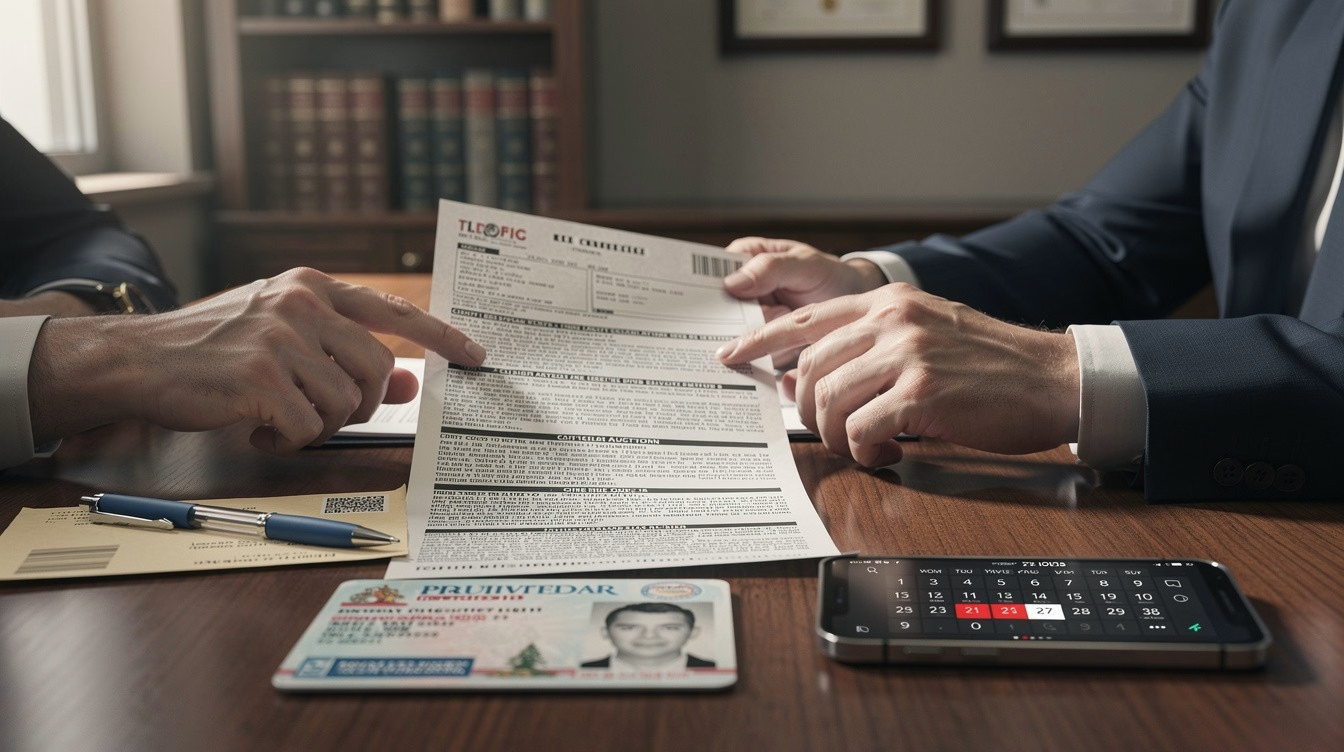

A court notice with a completion date is not something to leave for the last weekend. The answer to can online courses meet deadlines is usually yes, but only when you choose an approved course, understand its required completion time, and allow enough time for your completion to be processed or reported.
For drivers completing traffic school, a driver improvement course, first-time licensing education, or an insurance discount program, online learning can remove the scheduling burden of an in-person classroom. You can log in when your work, family, and transportation responsibilities allow. That flexibility is valuable, but it does not erase the deadline set by a court, DMV, insurer, employer, or licensing agency.
Can Online Courses Meet Deadlines for Court or DMV Requirements?
Online courses can meet deadlines when the course is approved for your specific requirement and you finish all required course elements before the deadline. Approval is the first requirement. A course that is accepted in one state, county, court, or insurance program may not satisfy another authority’s rules.
Before enrolling, confirm the exact course type named in your notice or requirement. For example, Basic Driver Improvement, Traffic Law and Substance Abuse Education, defensive driving, mature driver, aggressive driver, and wireless communications device courses serve different purposes. Completing the wrong course on time may still leave the original requirement unresolved.
You should also confirm whether the deadline means you must finish the course, submit a certificate, or have the provider report your completion by that date. These are not always the same thing. A court may require a certificate to be filed, while a state agency may receive electronic completion reporting from the provider.
Self-Paced Does Not Always Mean Instant
A self-paced online course lets you control when you study, but regulated driver education often includes rules that prevent a course from being completed unrealistically fast. State-approved programs may require a set number of instructional hours, timed lessons, identity verification, knowledge checks, or a final exam.
That means a six-hour driver improvement course generally requires six hours of instruction, even if you are focused and finish each module quickly. You may be able to spread those hours across several sessions, but you cannot assume you can complete every requirement in a single short sitting.
Some programs also limit how many hours you can complete in one day or require breaks between sections. These safeguards help confirm that students actually receive the required safety education. They also affect your timeline, especially if your deadline is close.
Plan From the Deadline Backward
Start with the date on your court order, DMV notice, citation, insurance request, or licensing checklist. Then work backward based on the course’s required length and any daily limits.
Allow additional time for enrollment, account setup, identity checks, final assessments, certificate access, and reporting. If your requirement involves a court clerk or another third party, build in time for their processing schedule as well. Offices may not process paperwork on weekends, holidays, or after business hours.
A practical approach is to treat the stated due date as your final buffer, not your target completion date. Finishing several days early gives you time to address a technical issue, correct an enrollment detail, or contact support if you have a question about your record.
What Can Delay an Online Course Completion?
Most deadline problems are avoidable, but they often come from details students do not see until the end. The course itself may be online 24/7, while the administrative requirement attached to it has separate rules.
Common causes of delay include enrolling in a course that is not approved for the required jurisdiction, entering an incorrect name or driver’s license number, waiting until the final day to begin a timed course, or failing a required final exam. A lost internet connection, an expired browser session, or incomplete identity verification can also interrupt progress.
Reporting procedures matter, too. Some approved providers electronically report course completion to the appropriate agency. Other requirements call for you to download, print, email, upload, or mail a certificate. Electronic reporting can be convenient, but you should still confirm whether you have an additional filing responsibility.
If you are taking a course for an insurance discount, ask your insurer what proof it needs and when the discount can take effect. Completing a mature driver course may qualify you for a discount, but the insurer decides eligibility and applies the savings under its own policy rules.
How to Choose a Course When Time Is Limited
When a deadline is approaching, convenience should never come before acceptance. Choose a provider that clearly identifies the states, courts, agencies, or insurers its courses serve. Read the course description closely and compare it with the language in your requirement.
Look for transparent information about course length, device compatibility, certificate delivery, reporting options, and customer support. Mobile access can help you make steady progress during breaks in your day, but use a reliable device and internet connection when completing timed sections, identity checks, or final exams.
It is also wise to keep documentation from the moment you enroll. Save your receipt, enrollment confirmation, progress records, and final certificate. If a court, DMV, or insurer later asks for proof, having the correct documents available can prevent unnecessary follow-up.
floridadetscourse.com offers online driver education and traffic safety courses designed for approved requirements in applicable jurisdictions. As with any provider, students should verify the course approval and filing instructions that apply to their individual situation before enrolling.
A Better Schedule for a Required Course
The safest plan is simple: enroll early, review the course rules, and create short study blocks before your deadline gets close. A 30- to 60-minute session after work or during a quiet part of the weekend can make a longer course manageable without turning it into a last-minute emergency.
Avoid relying on the final evening unless you have already confirmed the required hours, assessment rules, and reporting process. A deadline can be affected by more than your course progress. If a certificate must be submitted to a court, an agency’s office hours may matter as much as the time you finish the final lesson.
If you are unsure which course applies, contact the court, DMV, insurer, or other authority that issued the requirement. A course provider can explain its program and completion process, but the issuing authority is the best source for confirming what it will accept.
Frequently Asked Questions
Can I finish an online traffic course on the same day?
Sometimes, but it depends on the course length and state rules. Timed driver education courses may require several hours of instruction or limit daily progress.
Does finishing the course mean I met my deadline?
Not always. Your deadline may require certificate submission or provider reporting in addition to course completion.
How quickly is an online course reported to the DMV or court?
Reporting time depends on the provider, course type, and receiving agency. Check the course instructions and confirm whether you must submit your own certificate.
Can I take a driver education course on my phone?
Many online courses are mobile accessible. Use a compatible device and stable internet connection, especially for required quizzes, identity verification, and final exams.
What if I choose the wrong online course?
The course may not satisfy your requirement. Confirm the exact program, jurisdiction, and approval status before you start.
A deadline is easier to meet when you give the course and the paperwork around it the same attention. Start early, keep your confirmation records, and leave enough room for the process after your final lesson.