Every year, nearly 37,000 people die in traffic crashes in the United States, and substance abuse plays a role in roughly one-third of those deaths. New drivers face substance abuse risks that many don’t fully understand when they first get behind the wheel.
At floridadetscourse.com, we believe that education about impaired driving isn’t optional-it’s a foundation for survival. This blog post covers what new drivers need to know about how alcohol and drugs affect driving, the real consequences they’ll face, and how to make smart choices under pressure.
The Real Cost of Impaired Driving
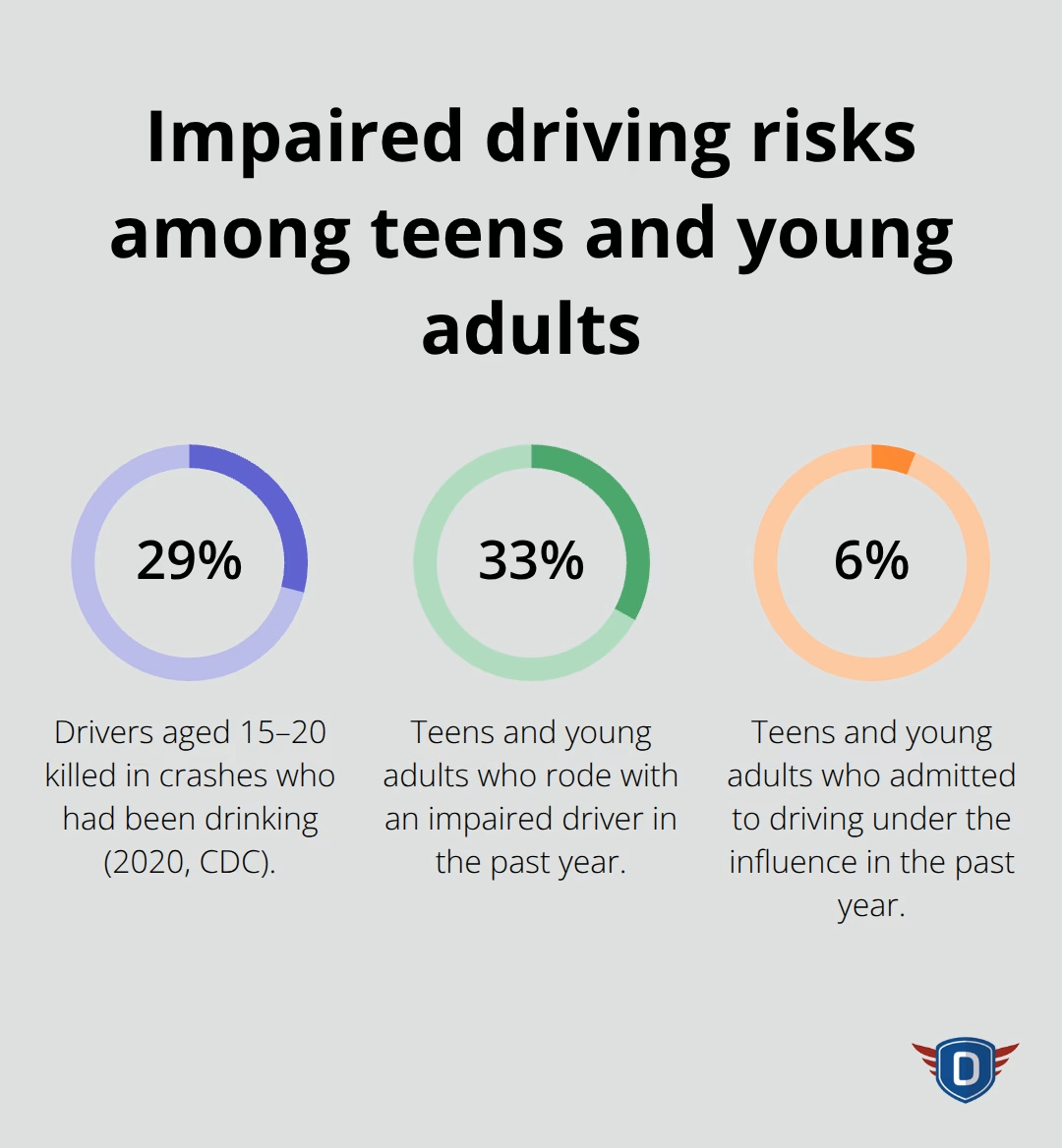
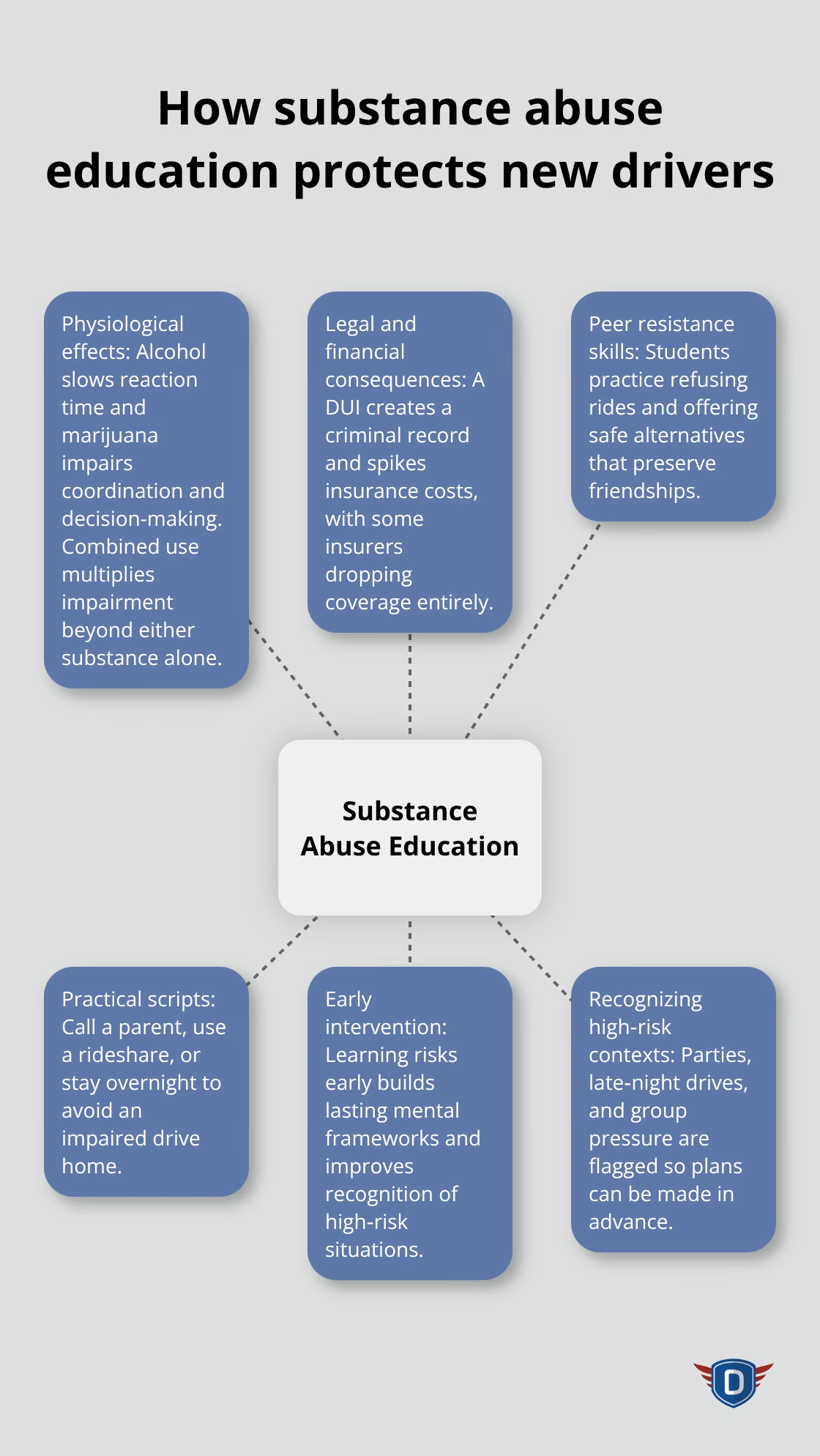
In 2020, 29% of drivers aged 15�20 who died in crashes had been drinking, according to the CDC. That statistic alone reveals why substance abuse education for new drivers isn’t optional-it’s a matter of survival. The numbers worsen when you examine the broader picture. Among teens and young adults, about 32.9 percent reported riding with an impaired driver in the past year, while 5.6 percent admitted to driving under the influence themselves, according to research published in Traffic Injury Prevention. These aren’t hypothetical risks. They’re happening on roads right now, affecting real people.
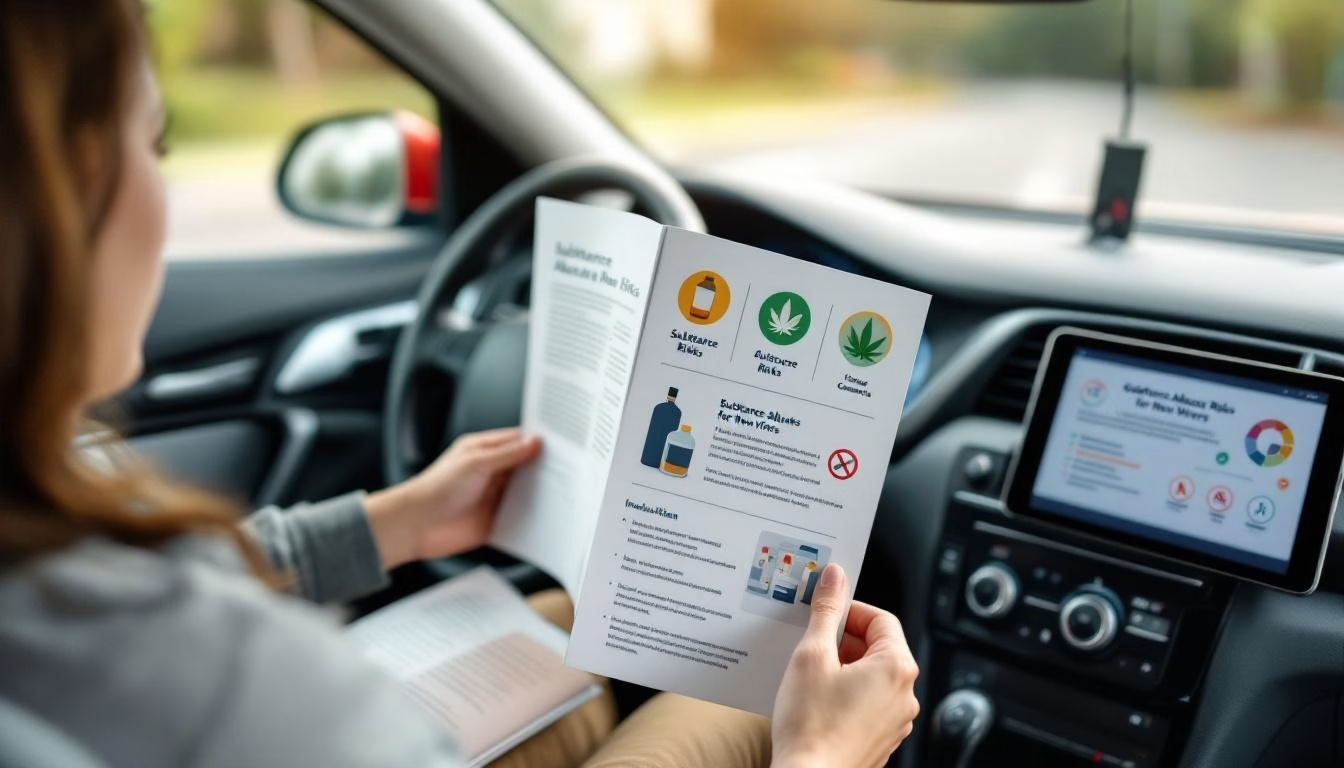
New drivers need to understand that alcohol and drugs don’t just impair judgment-they fundamentally break down the physical and mental systems required to operate a vehicle safely.
How Substances Destroy Driving Ability
Alcohol slows reaction time, which is critical when a child runs into the street or another vehicle brakes suddenly. A driver with a blood alcohol content of 0.08 percent or higher takes longer to process what they see and respond appropriately. Marijuana compounds this problem by impairing coordination and decision-making, and when combined with alcohol, the impairment multiplies beyond what either substance causes alone. The CDC notes that marijuana is the most common drug after alcohol linked to impaired teen driving, yet many new drivers underestimate its effects.
Prescription and over-the-counter medications add another layer of danger that often goes unaddressed in driver training. Vicodin abuse among teens increased from 4.1 percent in 2002 to 5.7 percent in 2008, and OxyContin misuse nearly doubled in that same period (from 1.6 percent to 3.7 percent). These aren’t street drugs-they’re medications that impair driving ability just as severely as illegal substances.
The Permanent Legal and Financial Damage
A DUI conviction doesn’t just mean a fine or temporary license suspension. It means a permanent criminal record that affects employment, housing, and education opportunities for years. Insurance companies treat DUI convictions as high-risk markers, often doubling or tripling premiums-if they’ll insure the driver at all. Many insurers simply drop drivers after a DUI, forcing them into high-risk pools with premiums that can exceed $3,000 annually.
Court-ordered programs, community service, possible jail time, and vehicle impoundment add up quickly. New drivers who understand these consequences before they make a choice are far more likely to refuse to drive impaired or to avoid riding with someone who has been drinking or using drugs. The legal system doesn’t care about excuses or first-time offender status when it comes to impaired driving-the penalties are swift and severe.
Why Education Changes Behavior
Research shows that drivers who receive substance abuse education early make smarter decisions under pressure. A study in Traffic Injury Prevention found that baseline DUI was linked to 2�3 times more heavy drinking episodes in the past three months at follow-up, suggesting that early intervention can interrupt this trajectory. When new drivers learn how substances affect their bodies and minds before they face peer pressure or social situations, they develop the mental tools to say no. Education also helps drivers recognize when they’re impaired or when a friend is too intoxicated to drive safely. This knowledge transforms abstract warnings into concrete understanding that sticks with drivers throughout their lives.
The foundation for safe driving habits starts now, not after a crash or arrest. Understanding the real costs of impaired driving-the deaths, the legal consequences, the financial ruin-motivates new drivers to make choices that protect themselves and everyone sharing the road with them.
What Substance Abuse Education Teaches New Drivers
The Physiological Reality of Impaired Driving
Effective substance abuse education for new drivers moves past simple warnings and teaches the specific physiological mechanisms that make impaired driving dangerous. New drivers learn how alcohol reduces reaction time by slowing the brain’s ability to process visual information. At a blood alcohol content of 0.08 percent, their ability to steer, brake, and judge distance deteriorates significantly. Marijuana impairs coordination and decision-making, and when combined with alcohol, the impairment multiplies beyond what either substance causes alone. The curriculum includes prescription drug dangers too, since teens often underestimate how medications affect driving ability. Vicodin abuse among teens is a significant concern in substance abuse education. These aren’t street drugs-they’re medications that impair driving ability just as severely as illegal substances. Research shows that drivers who received baseline education about DUI were 2�3 times more likely to recognize dangerous situations and make safer choices six months later, proving that concrete knowledge changes behavior.
Turning Knowledge Into Action
New drivers learn to identify when they’re impaired themselves and when peers are too intoxicated to drive safely, turning abstract warnings into actionable decision-making tools they can use immediately. Real-life scenarios form the backbone of quality substance abuse education because they force new drivers to confront actual choices they’ll face. Instead of hypothetical discussions, effective programs present situations like a friend offering to drive after drinking at a party, being pressured to ride with someone who just used marijuana, or recognizing their own impairment after consuming alcohol. New drivers practice refusing rides, suggesting alternatives, and taking responsibility for their own safety. They learn that 32.9 percent of teens reported riding with an impaired driver in the past year, making this scenario disturbingly common.
Understanding the Permanent Consequences
The curriculum emphasizes that saying no to an impaired driver isn’t rude or uncool-it’s survival. New drivers also explore the permanent consequences: how a DUI conviction creates a criminal record affecting employment and housing, how insurance companies drop drivers after impaired driving incidents, and how court-ordered programs, fines, and possible jail time destroy years of their future. When new drivers understand these stakes before they face peer pressure, they develop mental strategies to resist dangerous choices. The most effective programs combine this knowledge with confidence-building exercises, teaching new drivers exactly what to say and do when confronted with impaired driving situations. These practical skills (like offering to call a parent or using a rideshare service) transform abstract knowledge into concrete actions that new drivers can execute under pressure.
Building Peer Resistance Skills
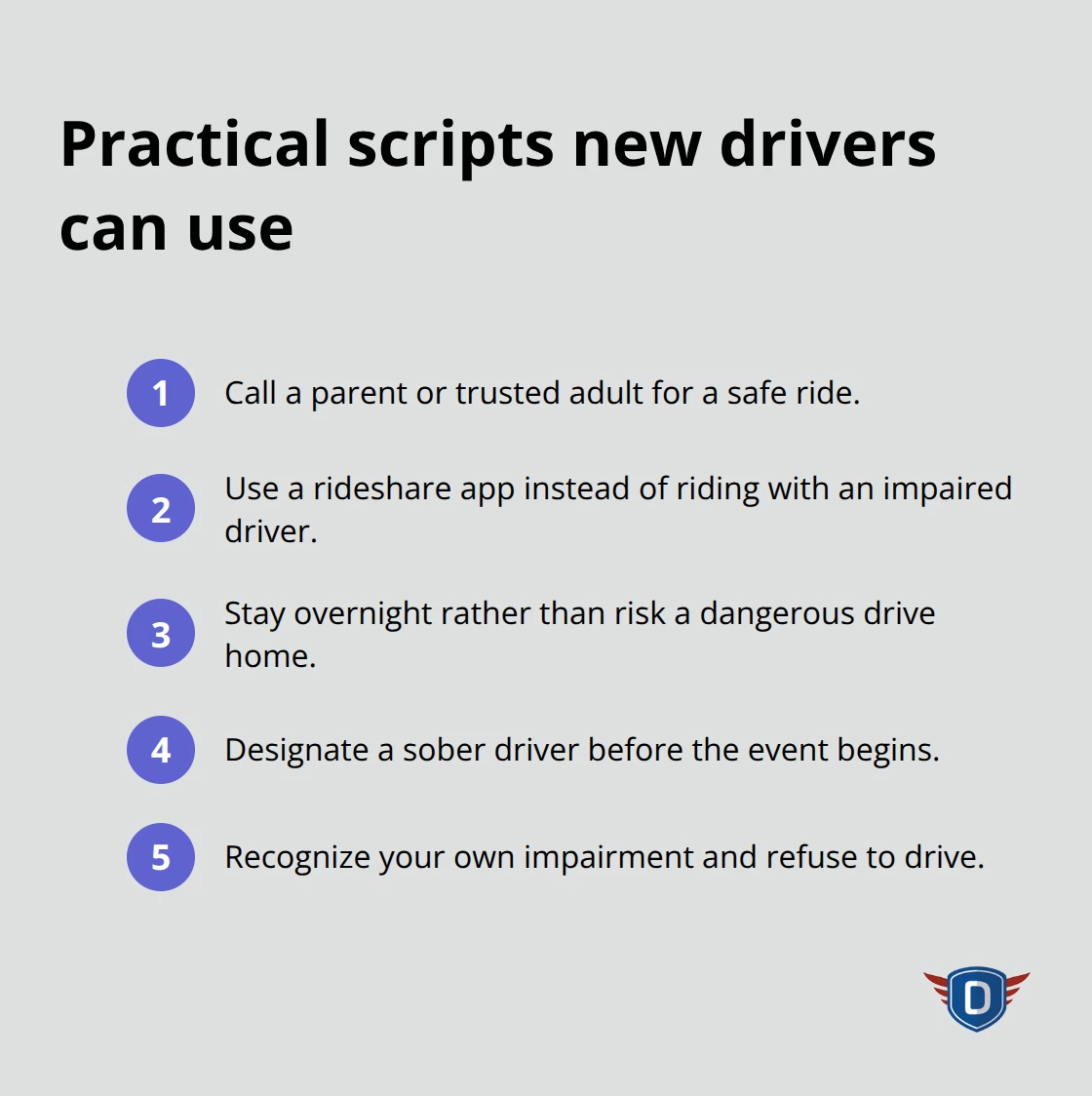
Social influences shape teen behavior more than any other factor, which is why quality substance abuse education addresses peer pressure directly. New drivers learn to recognize high-risk situations where friends might pressure them to ride with an impaired driver or to drive after using substances themselves. The curriculum teaches resistance techniques that feel natural and don’t isolate new drivers from their peers. Instead of simply saying no, new drivers learn to offer alternatives-suggesting they call a parent, use a rideshare app, or stay overnight rather than risk an impaired drive home. These strategies acknowledge the social reality that new drivers face while equipping them with practical solutions. When new drivers practice these conversations in a safe educational setting, they build confidence to execute them in real situations.
The foundation for safe driving habits starts now, not after a crash or arrest. As new drivers develop these decision-making skills and understand the real costs of impaired driving, they’re ready to face the specific pressures and situations that will test their commitment to safe choices.
How Substance Abuse Education Shapes Lifelong Driving Decisions
Early Intervention Stops Dangerous Patterns
Substance abuse education works because it interrupts a dangerous progression before it starts. Research shows that early intervention creates measurable behavioral change. When new drivers understand how alcohol and drugs affect their bodies before they face real peer pressure, they develop mental frameworks that persist for years. The curriculum teaches new drivers to recognize their own impairment thresholds, spot warning signs in friends, and practice specific refusal strategies that feel natural in social situations.
Practical Scripts for Real Pressure
Instead of vague warnings about consequences, effective education equips new drivers with concrete language they can use when pressured. New drivers learn to offer calling a parent, suggesting a rideshare app, or proposing to stay overnight rather than risk a dangerous drive home. These aren’t theoretical exercises; they’re practical scripts that new drivers can execute under pressure when their judgment is being tested by friends or social situations. The most significant long-term benefit emerges from what researchers call self-efficacy-the confidence that new drivers can actually refuse to drive impaired or ride with someone who has been drinking or using drugs.
Building Automatic Responses
A study tracking adolescents over six months found that 32.9 percent reported riding with an impaired driver in the past year, but drivers who received comprehensive substance abuse education were substantially more likely to recognize high-risk situations and choose alternatives. New drivers who practice these decisions in educational settings develop neural pathways that activate automatically when faced with real situations. They learn that peer pressure operates differently than they expect-most friends actually respect someone who refuses to drive impaired rather than judging them for it.
Recognizing High-Risk Contexts
Education teaches new drivers to identify the specific social contexts where impaired driving risk peaks: parties where alcohol is present, late-night drives home from events, and situations where multiple friends encourage risky behavior. Armed with this awareness, new drivers can plan ahead and designate a sober driver before the situation arises or arrange transportation alternatives before they’re in a position where refusing feels socially awkward. The foundation these habits create extends far beyond the teenage years, shaping how drivers respond to substance use risks throughout their entire driving careers.
Final Thoughts
Substance abuse risks kill new drivers every single day on American roads. The statistics demand action: 29 percent of drivers aged 15�20 killed in crashes had been drinking, and 32.9 percent of teens reported riding with an impaired driver in the past year. These preventable tragedies happen because new drivers don’t fully understand how alcohol, marijuana, and prescription drugs destroy their ability to operate a vehicle safely before peer pressure tests their judgment.
We at floridadetscourse.com integrate substance abuse prevention throughout our comprehensive driver education programs, ensuring that every new driver learns both the physiological dangers and the practical strategies to stay safe. When new drivers understand how impaired driving affects reaction time and decision-making, they develop mental frameworks that protect them for years. They practice concrete refusal strategies, recognize high-risk situations, and build genuine confidence to say no when friends pressure them to drive impaired or ride with someone who has been drinking or using drugs.
The foundation for lifelong safe driving habits starts now, not after a crash or arrest. New drivers who receive quality education about substance abuse risks and develop the ability to refuse dangerous situations protect themselves and everyone sharing the road with them.
![Teen Driver Licensing Requirements in Florida [2026]](https://floridadetscourse.com/wp-content/uploads/emplibot/florida-license-requirements-hero-1773544196.avif)