
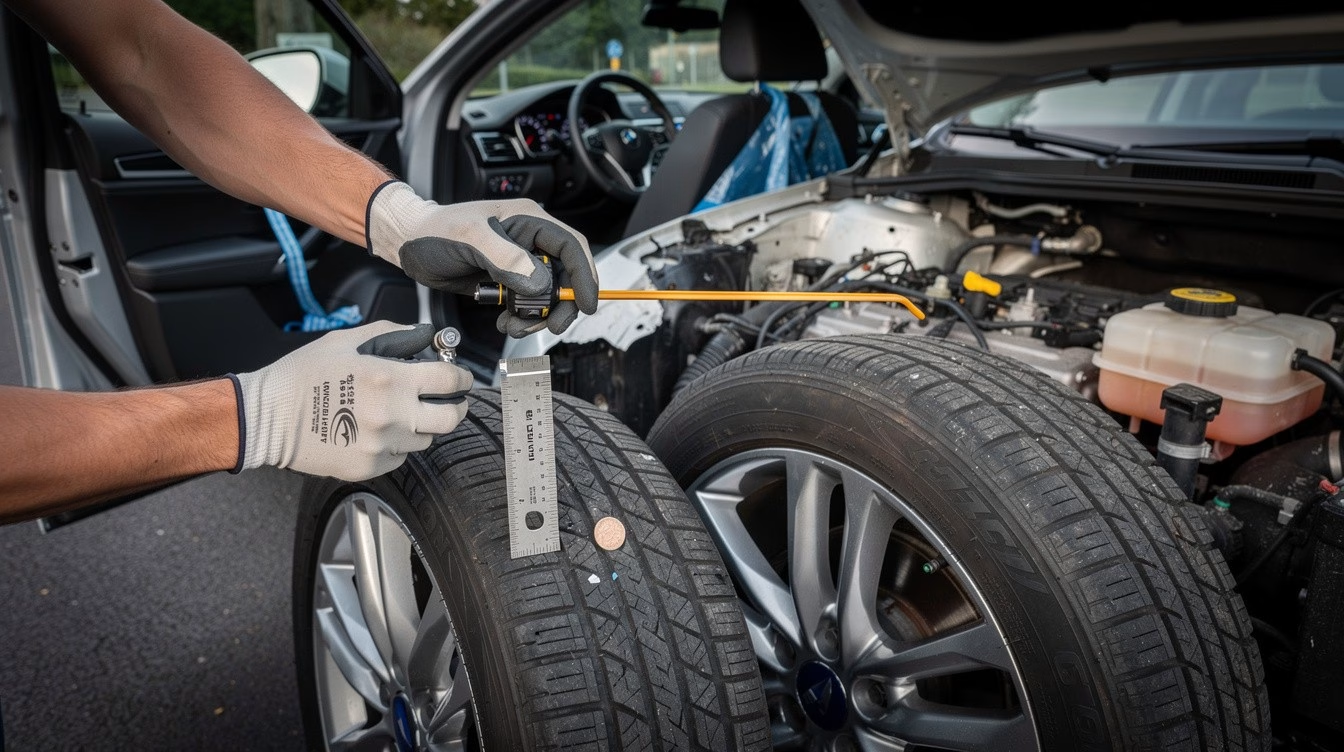
A five-minute vehicle safety check before you drive can prevent breakdowns, accidents, and expensive repairs. We at floridadetscourse.com know that most drivers skip these inspections, which is a mistake.
This guide walks you through the essential checks you can perform yourself, what problems to watch for, and why this habit saves money and lives on Florida roads.
The Five Checks That Actually Matter
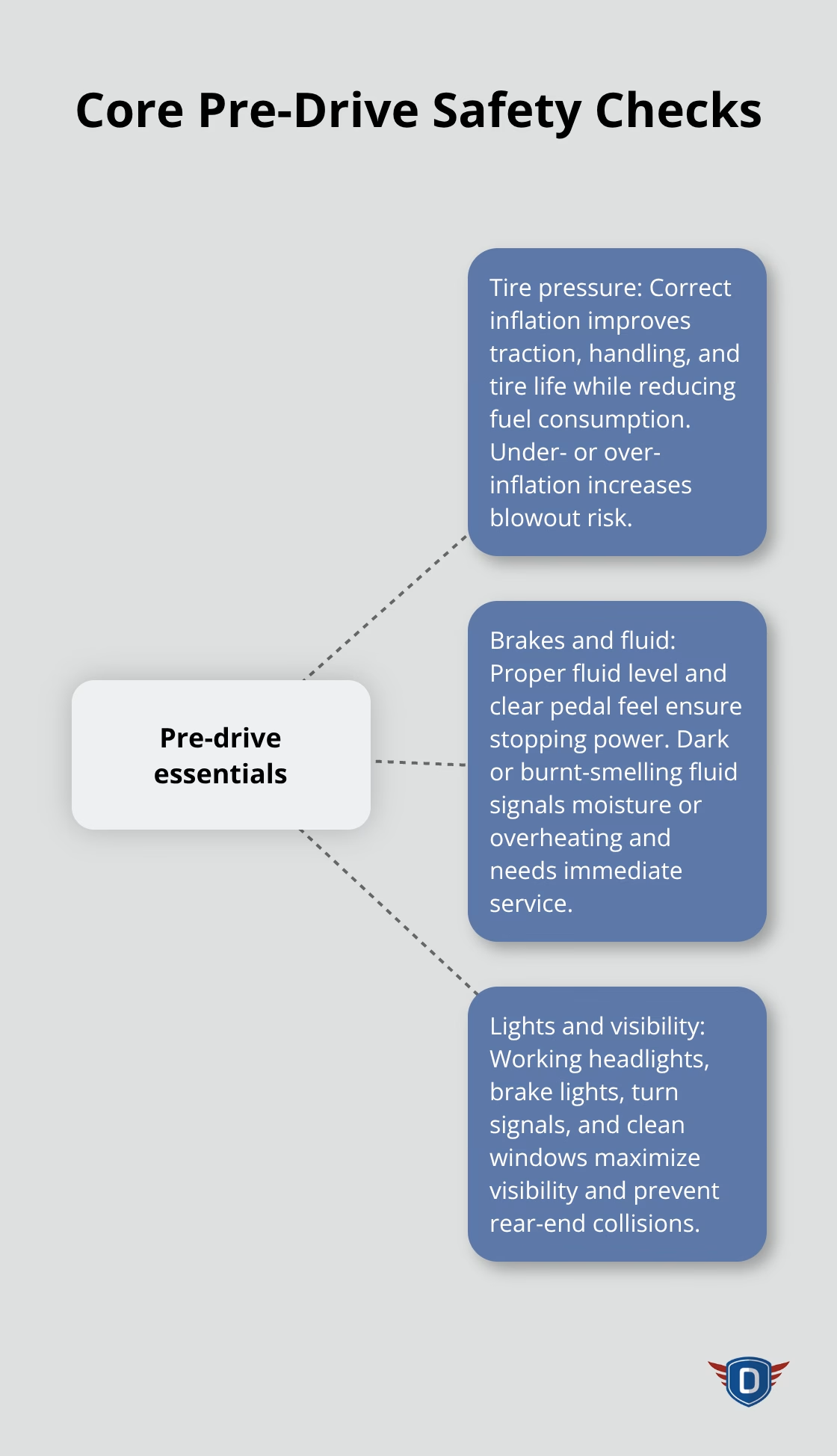
Tire pressure sits at the top of your pre-drive checklist because under-inflated or over-inflated tires increase the risk of blowouts and tire failure on both road and off-road surfaces. Consistently inflated tires lead to longer tire life through more even tread wear patterns, and correct tire pressure enhances traction and handling across varied terrain. Most drivers ignore this entirely, which is why tire-related failures remain one of the most preventable causes of roadside emergencies.
Check Your Tire Pressure Correctly
Use a calibrated, high-accuracy tire pressure gauge rather than guessing-the JACO ElitePro Digital Tire Pressure Gauge or FlowPro Digital Tire Inflator with Gauge both provide professional accuracy in seconds. Check your tires when they are cold, before driving or at least three hours after driving, since tire pressure increases as tires heat up. Your vehicle’s correct tire pressure specification appears on a label inside the driver’s door jamb, not on the tire sidewall itself. Proper tire inflation reduces fuel consumption and improves safety, so this five-minute task directly impacts your wallet and your safety on Florida roads.
Brake Condition and Fluid Integrity
Your brakes serve as your second line of defense against accidents, and they demand close attention before every drive. Check your brake fluid level by looking at the reservoir under the hood-it should sit between the minimum and maximum marks. Brake fluid that appears dark or smells burnt signals moisture contamination or overheating, both of which reduce braking power and demand immediate service.
Listen for squealing or grinding sounds when you brake, and feel for soft or spongy brake pedal response, which indicates air in the brake lines or worn pads. If your brake pedal sinks to the floor or feels unresponsive, do not drive the vehicle. These symptoms mean your braking system has failed and sudden, unexpected braking can surprise drivers and increase the risk of a rear-end crash.
Lights and Visibility Systems
Walk around your vehicle and verify that all exterior lights function correctly-headlights, taillights, brake lights, turn signals, and backup lights. A burned-out brake light is illegal and invisible to drivers behind you, making rear-end collisions more likely. Check your windshield wipers for wear or streaking, and confirm that your windshield washer fluid is full.
Poor visibility from dirty windows or failed wipers is a leading factor in weather-related accidents. Take 30 seconds to clear any dirt, ice, or snow from all windows before driving, especially on Florida’s rainy days when visibility drops instantly. These three checks form the foundation of vehicle safety, but spotting problems early requires knowing what warning signs to watch for on every trip.
Problems You Can Spot Before They Strand You
Identify Fluid Leaks Early
Fluid leaks rank among the most ignored warning signs, yet they reveal serious mechanical failures before they leave you stranded on a Florida highway. Get under your vehicle in daylight or use a flashlight to inspect the ground where you parked overnight, looking for puddles of oil, coolant, transmission fluid, or brake fluid. Oil leaks appear brown or black and feel slick; coolant leaks are typically bright green, orange, or pink; brake fluid leaks are amber or clear and smell slightly sweet.
A single puddle means you should have the vehicle inspected within days, not weeks. Multiple puddles or a puddle that grows larger between parking sessions demands immediate service because fluid loss directly threatens your braking system, engine cooling, and transmission function. Most drivers wait until the warning light appears, which is far too late-the damage is already underway.
Check Wiper Blades and Windshield Clarity
Wiper blade degradation creates dangerous situations in seconds on Florida’s rainy roads. Wiper blades typically last six to twelve months in Florida’s intense sun and frequent rain; streaking, chattering, or incomplete contact with the windshield means replacement time. Test your wipers on a wet windshield before driving, not during a downpour when visibility already drops.
Poor visibility from dirty windows or failed wipers is a leading factor in weather-related accidents. Take 30 seconds to clear any dirt, ice, or snow from all windows before driving, especially on Florida’s rainy days when visibility drops instantly.
Spot Battery and Electrical Problems
Battery and electrical issues show themselves through slow engine cranking, dim dashboard lights, or a clicking sound when you turn the key. Check your battery terminals under the hood for corrosion-a white, blue, or green crusty buildup signals connection problems that reduce power delivery. If your headlights dim when you accelerate or your interior lights flicker, the alternator may be failing and your battery is no longer charging properly.
An OBD-II scanner like the Motopower MP69033 or Ancel BD310 reads electrical fault codes in seconds and costs under sixty dollars, giving you concrete diagnostic information before a breakdown occurs. These tools reveal hidden electrical faults that your eyes cannot detect, transforming a guessing game into actionable data.
Why These Three Problems Matter Most
Fluid leaks, wiper condition, and electrical faults account for the majority of preventable roadside emergencies, yet they remain invisible to drivers who skip the walk-around inspection. Catching these problems during your five-minute pre-drive check stops expensive repairs and keeps you safe on Florida roads. Your next step involves understanding how to respond when you spot these warning signs and what tools help you take action before a breakdown strands you.
Why Pre-Drive Inspections Cut Your Real Costs
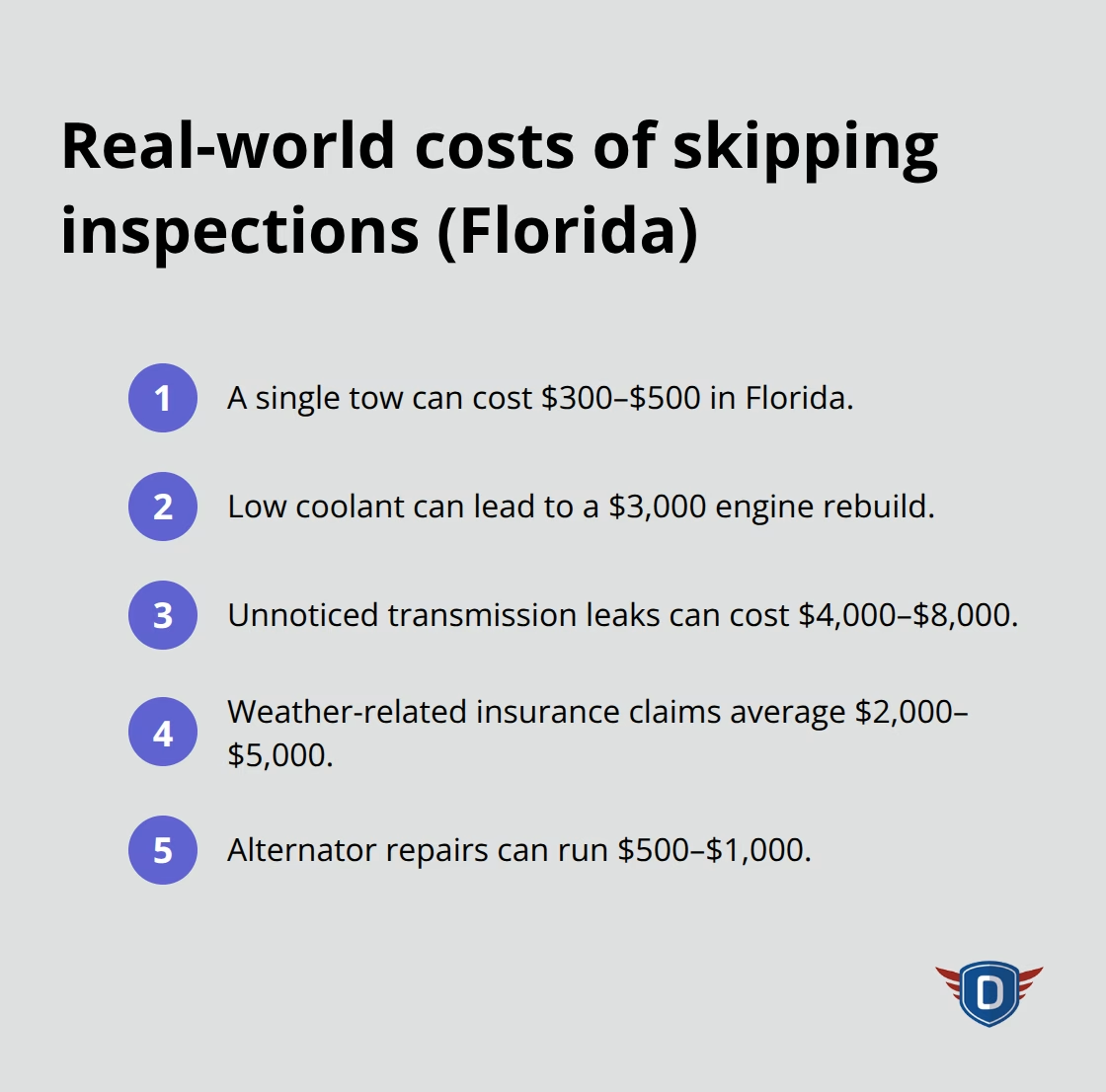
Skipping a five-minute pre-drive inspection costs you money the moment a preventable breakdown or accident occurs. A single tow truck call runs three hundred to five hundred dollars in Florida, and that’s before repair costs start. Engine overheating from low coolant fluid levels destroys cylinder heads and gaskets, turning a fifty-dollar fluid top-off into a three-thousand-dollar engine rebuild. Transmission fluid leaks that go unnoticed for weeks cause catastrophic transmission failure, which costs four thousand to eight thousand dollars to replace.
The Real Cost of Ignoring Small Problems
A worn wiper blade costs fifteen to thirty dollars to replace, but failing wipers in Florida’s sudden rainstorms cause aquaplaning and loss of vehicle control. Insurance claims for weather-related accidents average two thousand to five thousand dollars in medical bills, vehicle damage, and liability costs. Brake fluid contamination that you spot in a two-minute inspection under the hood prevents brake failure, which insurance companies classify as driver negligence and may deny your claim entirely.
Battery corrosion that creates slow engine cranking takes thirty seconds to spot and costs five dollars in cleaning supplies. Ignoring it leaves you stranded and costs five hundred dollars in towing and roadside service calls. Electrical faults caught early through an OBD-II scanner like the Motopower MP69033 or Ancel BD310 prevent alternator failure, which costs five hundred to one thousand dollars in repair costs.
How Maintenance Records Protect Resale Value
Used vehicle buyers demand proof of regular maintenance, and pre-drive inspections demonstrate that you caught problems early before they became expensive repairs. A vehicle with documented fluid level checks, regular brake inspections, and battery maintenance commands a higher resale price because buyers see lower risk of hidden mechanical damage.
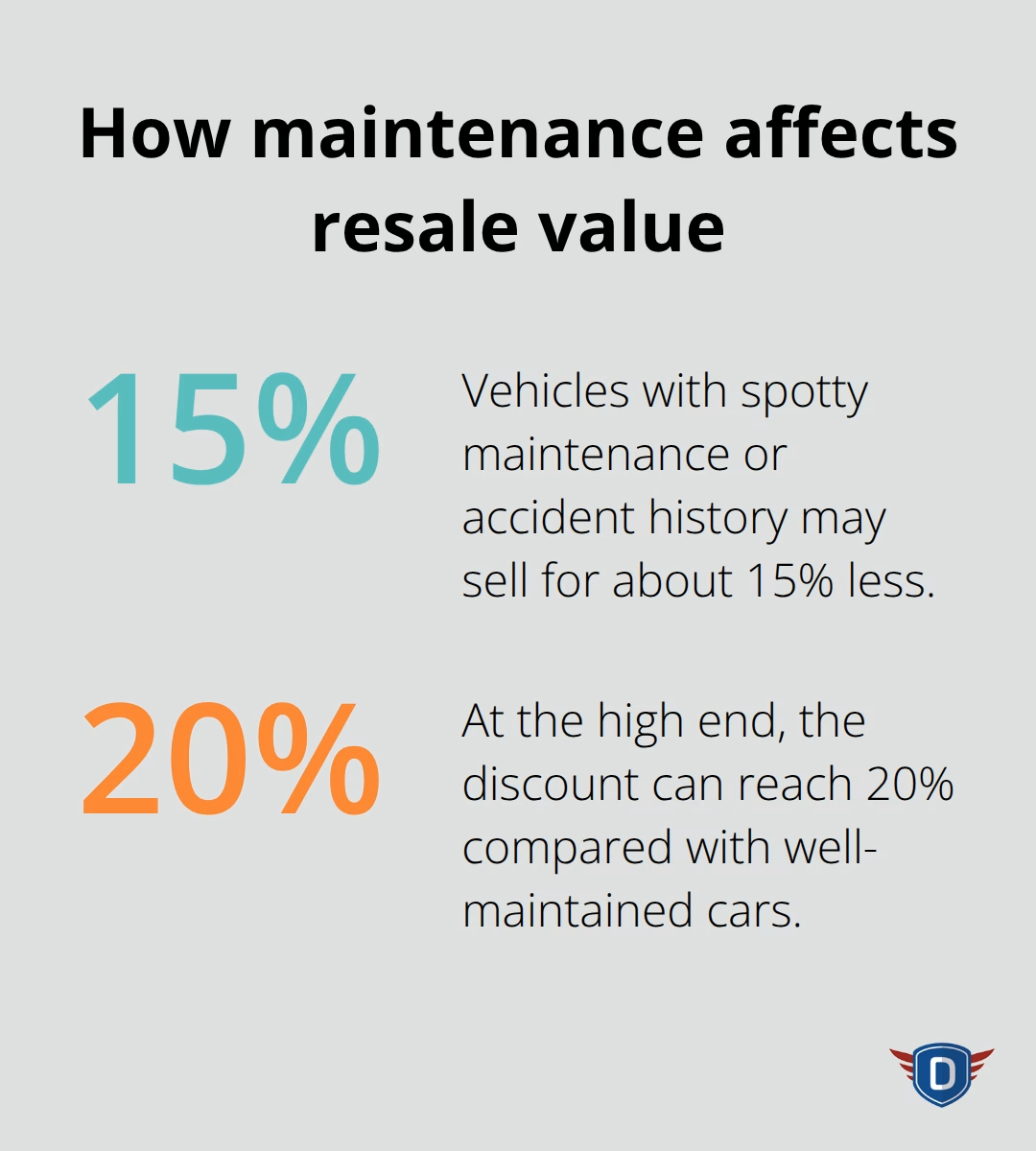
Vehicles with spotty maintenance records or accident history sell for fifteen to twenty percent less than comparable well-maintained vehicles. Dealerships and private buyers run CarFax reports that flag accident history, and even minor accidents reduce resale value by two thousand to five thousand dollars.
A clean maintenance history with documented pre-drive inspections increases buyer confidence and justifies a premium price.
Tire wear patterns that show consistent pressure maintenance indicate responsible ownership. Buyers recognize this as evidence that you protected the vehicle from preventable damage and maintained it properly throughout its life.
Final Thoughts
A five-minute vehicle safety check before every drive transforms you from a reactive driver into a proactive one. You now understand that tire pressure, brake condition, and lighting systems form the foundation of roadside safety, and that fluid leaks, wiper degradation, and electrical faults reveal themselves to drivers who take time to look. The real payoff arrives when you avoid a three-thousand-dollar engine rebuild, prevent a weather-related accident, or catch battery corrosion before it leaves you stranded on a Florida highway.
Your next step is straightforward: perform these vehicle safety checks before your next drive, then make it a habit. Keep a tire pressure gauge in your vehicle, spend thirty seconds walking around your car to spot leaks or damage, and listen carefully to how your brakes respond. Document what you find, and if you spot warning signs, address them within days rather than weeks.
Safe driving starts with vehicle readiness, and vehicle readiness starts with you taking responsibility for basic inspections. At floridadetscourse.com, we teach drivers that confidence behind the wheel comes from knowing your vehicle is prepared for the road ahead. Whether you navigate Florida’s rainy highways or everyday commutes, these pre-drive checks separate responsible drivers from those who gamble with their safety.