Teen drivers need structure to develop safe habits behind the wheel. Parent supervision guidelines matter because they give young drivers the feedback and boundaries they need to improve.
We at floridadetscourse.com know that tracking progress isn’t about control-it’s about building confidence and catching problems early. This guide shows you the metrics, tools, and strategies that work.
What Metrics Matter Most for Teen Drivers
Teen drivers need structure to develop safe habits behind the wheel. Parent supervision guidelines matter because they give young drivers the feedback and boundaries they need to improve. Tracking progress isn’t about control-it’s about building confidence and catching problems early.
Hours Behind the Wheel Across Varied Conditions
The first step to monitoring your teen’s driving progress is knowing exactly what to measure. Hours behind the wheel matter, but the number alone tells you nothing. According to research from the CDC, teens aged 16�19 have a fatal crash rate nearly three times higher per mile driven than drivers 20 and older. That statistic means your teen needs exposure across different conditions, not just seat time.
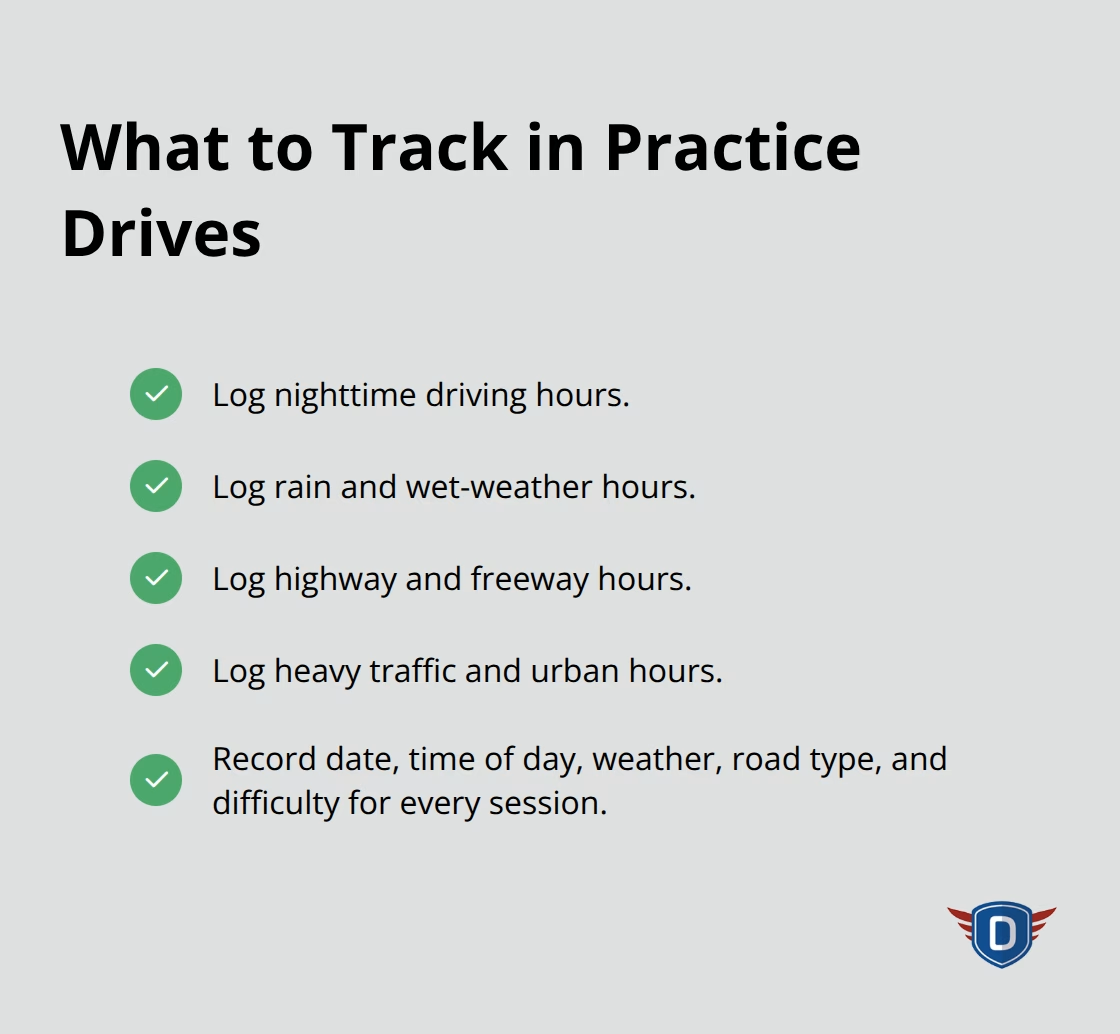
Track not just total hours but specifically how many hours happened at night, in rain, on highways, and in heavy traffic. A teen with 50 hours of daytime suburban driving is far less prepared than one with 30 hours spread across varied conditions. Document each session with the date, time of day, weather conditions, road types, and difficulty level.
Traffic Violations and Near-Misses Signal Real Problems
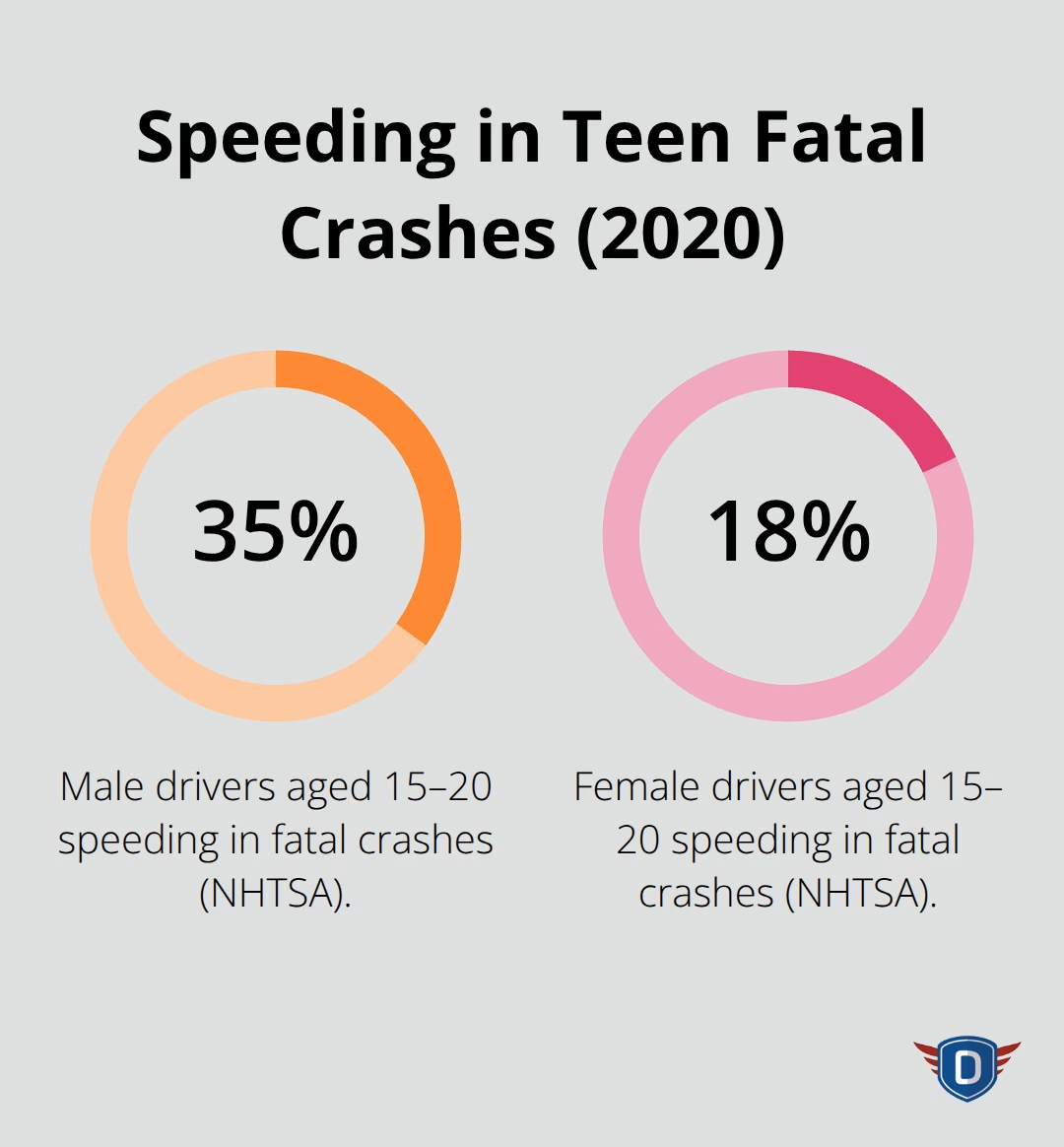
Traffic violations and near-misses matter far more than raw driving hours. If your teen received a speeding ticket, that’s data. According to NHTSA, 35% of male drivers and 18% of female drivers aged 15�20 involved in fatal crashes in 2020 were speeding. A single speeding citation at 16 is a red flag that demands immediate intervention, not dismissal.
Similarly, any fender bender, parking lot scrape, or close call should be documented and discussed. The conversation shouldn’t be punitive but analytical: what happened, why did it happen, and what will change? This approach turns incidents into learning opportunities rather than punishment.
Defensive Driving Habits Separate Safe Teens from Statistics
Defensive driving habits separate safe teens from crash statistics. Your teen should demonstrate consistent mirror checks every 5�8 seconds, maintain at least a three-second following distance, and anticipate hazards before they become emergencies. These behaviors don’t show up on a traffic report, so you must observe them directly during supervised drives.
Watch whether your teen scans ahead and to the sides or fixates on the car directly in front. Notice whether they adjust speed for weather or maintain highway speeds in light rain. Defensive driving is a skill that compounds over time, and catching poor habits early prevents them from becoming ingrained. As your teen masters these foundational safety techniques, you’ll be ready to introduce more complex monitoring tools that track real-time behavior and provide immediate feedback.
Technology That Actually Tracks What Matters
Telematics Devices Reveal Hidden Driving Patterns
Telematics devices and GPS systems measure what your teen actually does behind the wheel. A telematics device plugs into your vehicle’s diagnostic port and monitors speed, location, hard braking, seatbelt use, and smartphone usage while driving. This data matters because it reveals patterns invisible to the naked eye. Your teen might appear calm during a supervised drive, then accelerate aggressively or brake dangerously when alone. Devices from companies like Verizon Connect and Samsara capture these moments and send alerts to your phone.
The cost ranges from $15 to $50 monthly, depending on features. More importantly, research from the CDC shows that 35% of male drivers aged 15�20 in fatal crashes were speeding, making real-time speed monitoring a legitimate safety tool rather than an invasion of privacy. The device functions as a coach that works 24/7, flagging risky behavior immediately so you can address it in conversation rather than after an accident occurs.
Mobile Apps Gamify Safe Driving Habits
Mobile apps designed for teen drivers provide feedback in real time without feeling punitive. Apps like Life360 and Verizon’s Family Base send notifications when your teen exceeds posted speed limits, hard brakes, or drives during restricted hours. The key difference between apps and raw telematics is engagement: apps gamify safety by awarding points for smooth driving and safe habits. Your teen sees the feedback instantly and can adjust behavior on the spot.
This immediate response loop creates accountability without shame. Your teen learns that smooth acceleration and gentle braking earn rewards, while aggressive maneuvers trigger alerts. Over weeks and months, these habits solidify into automatic responses rather than conscious choices.
Dashboard Cameras Provide Visual Evidence
Dashboard cameras add a visual layer that neither telematics nor apps provide. A forward-facing camera records what happened leading up to an incident, proving whether your teen was distracted, failed to check mirrors, or reacted appropriately. When your teen receives a speeding ticket or causes a minor accident, footage removes guesswork from the conversation. You’re not arguing about what happened; you’re watching it together and discussing decisions.
Insurance companies recognize this value: some insurers offer discounts of 10% to 20% for families using dashboard cameras because the footage reduces false claims and dispute costs. The camera becomes evidence that protects your teen’s credibility and your family’s finances.
Combining Tools Creates Complete Visibility
The combination of telematics for behavioral data, apps for real-time feedback, and cameras for visual evidence creates a complete picture of your teen’s driving. Telematics captures acceleration patterns and speed violations that happen in seconds. Apps provide immediate notifications that your teen can act on during the drive. Cameras document the context and circumstances that numbers alone cannot explain.
Skip one piece and you miss critical information. Use all three and your teen has no blind spots to hide behind. This layered approach transforms monitoring from surveillance into coaching, where data supports conversations rather than replacing them. With this foundation in place, you’re ready to establish the rules and expectations that guide how your teen interprets and responds to this feedback.
Building Rules Your Teen Will Actually Follow
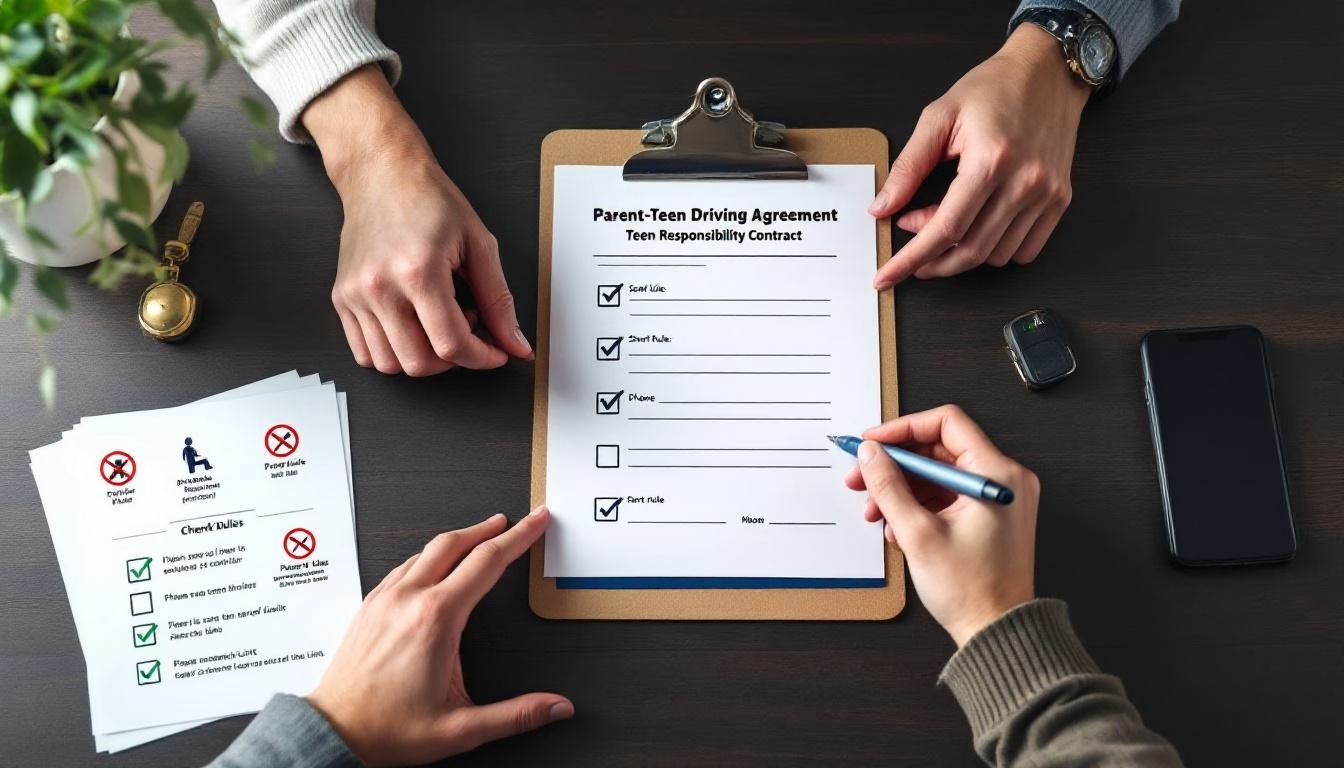
Rules without explanation breed resentment, not compliance. Your teen needs to understand why each rule exists and how it connects to the data you’ve already gathered through monitoring. Instead of saying no phone use while driving, show your teen that by 12th grade, 60 percent of students text while driving, and explain that this distraction costs reaction time they don’t have yet. Ground every rule in concrete risk, not parental authority. A rule about nighttime driving restrictions makes sense when you reference that 44% of teen crash deaths occurred between 9 pm and 6 am according to CDC data. Your teen may still resist, but they’ll understand the rule wasn’t arbitrary. Write these rules down together and have your teen sign the agreement. This isn’t about punishment; it’s about creating a contract both of you take seriously. Include specific consequences that matter to your teen-loss of driving privileges for a week, not a month-so the penalty feels proportional and temporary rather than punitive.
Immediate Feedback Sticks Better Than Delayed Conversations
The telematics data and dashboard camera footage you’ve gathered become useless if you delay the conversation. When your teen hard brakes or accelerates aggressively, discuss it within 24 hours while the moment is fresh. Don’t lecture; instead, watch the footage together and ask what they were thinking. This approach shifts the dynamic from judgment to curiosity. If your teen receives a speeding ticket, use it as a teaching moment rather than punishment. Show them the insurance impact-a speeding violation can increase premiums 10-15% for young drivers-so they grasp the financial consequence beyond the fine. Positive reinforcement matters equally. If your teen completes a week of smooth driving with zero hard braking events or speeding alerts, acknowledge it specifically. Don’t say you’re proud; instead say you noticed their acceleration was smooth on the highway merge last Tuesday, and that’s exactly the skill that prevents rear-end collisions. This specificity proves you’re paying attention to their actual performance, not just surveilling them. Over time, this feedback loop reshapes how your teen perceives risk and reward behind the wheel.
Specific Praise Reinforces Safe Habits
Vague praise accomplishes nothing. When your teen demonstrates safe behavior, name the exact action and explain why it matters. Instead of “good job driving,” try “you checked your mirror before that lane change, and you maintained a three-second following distance the entire drive-that’s what prevents side-impact collisions.” Your teen learns which behaviors matter and why. Praise the effort, not the outcome. If your teen attempted a difficult maneuver (like merging on a busy highway) and executed it safely, acknowledge the attempt even if it wasn’t perfect. This approach encourages your teen to try challenging situations rather than avoid them out of fear. Praise also works better when it’s unexpected. If you praise every single drive, the words lose power. Instead, notice and comment on specific improvements or consistent patterns. Your teen will start seeking that recognition and will adjust behavior to earn it.
Introduce Complexity Only After Mastery of Basics
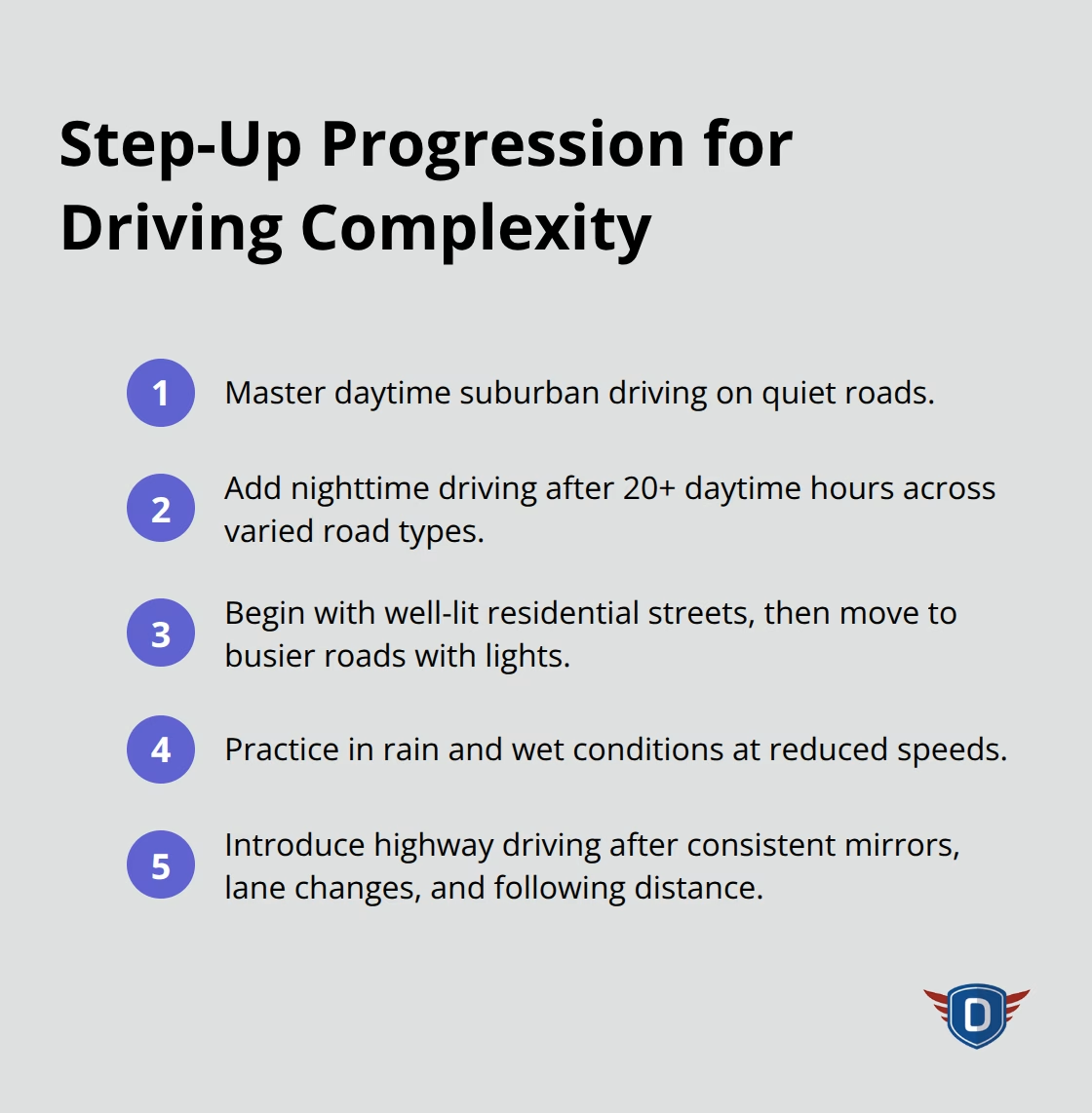
Your teen should master daytime suburban driving on quiet roads before attempting highway merging or nighttime navigation. This isn’t caution; it’s neuroscience. The teenage brain is still developing impulse control and risk assessment, which means your teen needs to operate in low-stress environments long enough for basic skills to become automatic. Once smooth braking and steering are reflexive, your teen’s brain has capacity to handle additional complexity.
Final Thoughts
Monitoring your teen’s driving progress works because it combines measurement with conversation. You track hours across varied conditions, document traffic violations and near-misses, and observe defensive driving habits directly. You install telematics devices, mobile apps, and dashboard cameras that reveal patterns invisible during supervised drives. You establish clear rules grounded in real data about teen crash risk, provide immediate feedback tied to specific behaviors, and introduce driving complexity only after your teen masters foundational skills.
Teens who receive structured parent supervision guidelines and consistent feedback develop safer habits that persist into adulthood. According to CDC data, teens aged 16�19 have a fatal crash rate nearly three times higher per mile driven than drivers 20 and older, but this risk drops significantly when parents actively monitor progress and enforce clear expectations. Your teen internalizes the standard that safe driving matters and carries that expectation forward long after you stop monitoring.
The next step is committing to this process without wavering. Download a tracking spreadsheet or use a simple notebook to document each supervised drive, set up telematics and apps this week, and schedule a conversation with your teen to establish rules together. If you need professional support beyond parent supervision guidelines, floridadetscourse.com offers comprehensive driver education programs designed to reinforce safe habits and build confidence.