Road safety signs reduce traffic fatalities by 23% when properly implemented, according to Federal Highway Administration data. These visual guides form the backbone of organized traffic flow across American roadways.
At floridadetscourse.com, we see how sign recognition directly impacts driver safety and legal compliance. Understanding these critical markers can prevent accidents and costly violations.
What Do Road Sign Types Mean for Drivers
Regulatory Signs Enforce Traffic Laws
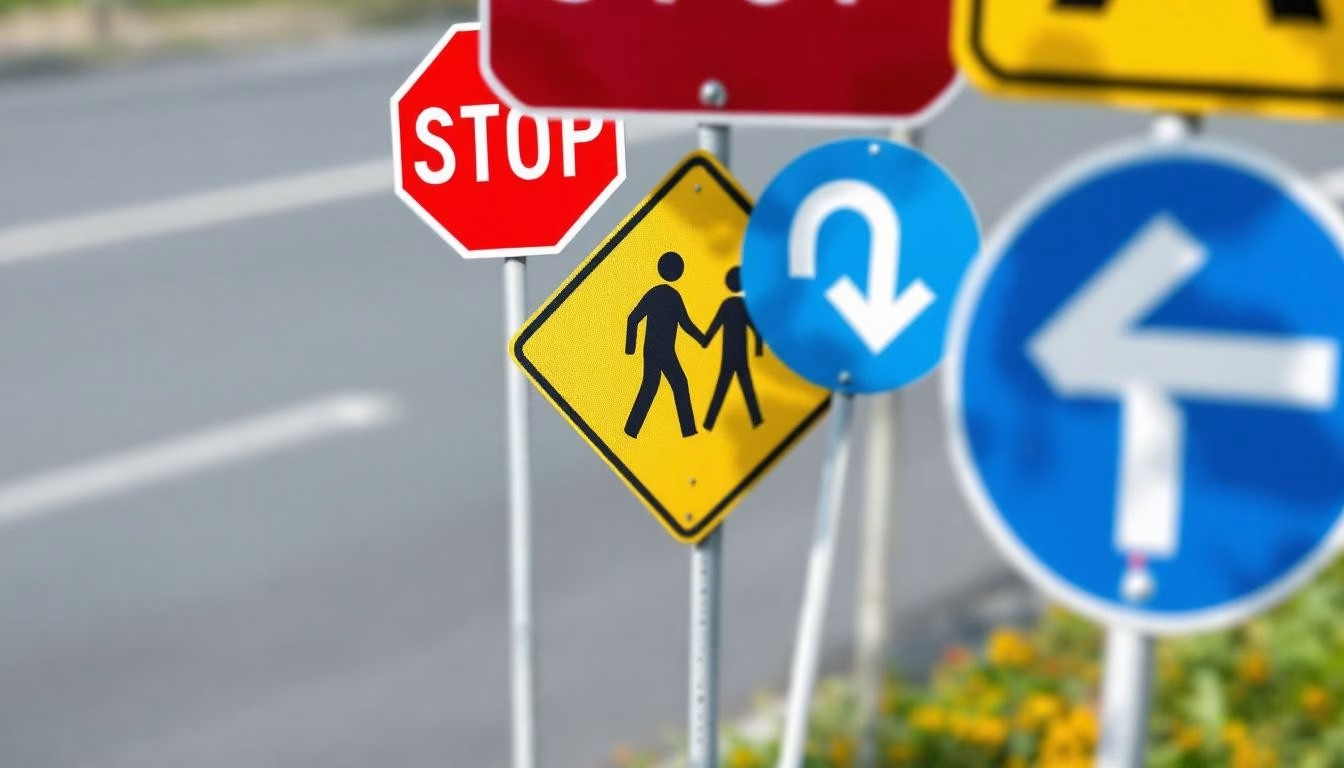
Regulatory signs carry the force of law and drivers who disobey them face traffic citations worth $100 to $500 in most states. These red, white, and black signs include stop signs, speed limits, and no-turn restrictions that drivers must follow or face legal penalties. The National Highway Traffic Safety Administration reports that one-quarter of traffic fatalities and about one-half of all traffic injuries in the United States are attributed to intersections where regulatory signs like stop and yield signs control traffic flow. Speed limit violations alone account for 26% of all traffic fatalities (according to Insurance Institute for Highway Safety data).
Warning Signs Provide Advance Hazard Notice
Yellow diamond-shaped warning signs provide advance notice of road hazards and reduce crash risk by 15% when drivers respond appropriately. Sharp curve warnings give drivers 500 feet to slow down before dangerous turns, while school zone signs require speed reductions during specific hours when children are going to and from school. Railroad crossing signs prevent the 2,100 vehicle-train collisions that occur annually in the United States. Slippery when wet signs become most valuable during the first 10 minutes of rainfall when roads are most dangerous due to oil and debris that mix with water.
Guide Signs Prevent Navigation Errors
Green rectangular guide signs provide navigation information that prevents last-minute lane changes responsible for 9% of highway accidents. Interstate signs display exit numbers, distances, and destinations up to two miles in advance, which gives drivers adequate time to position themselves safely. Blue service signs direct motorists to essential facilities like hospitals, gas stations, and rest areas without traffic disruption.
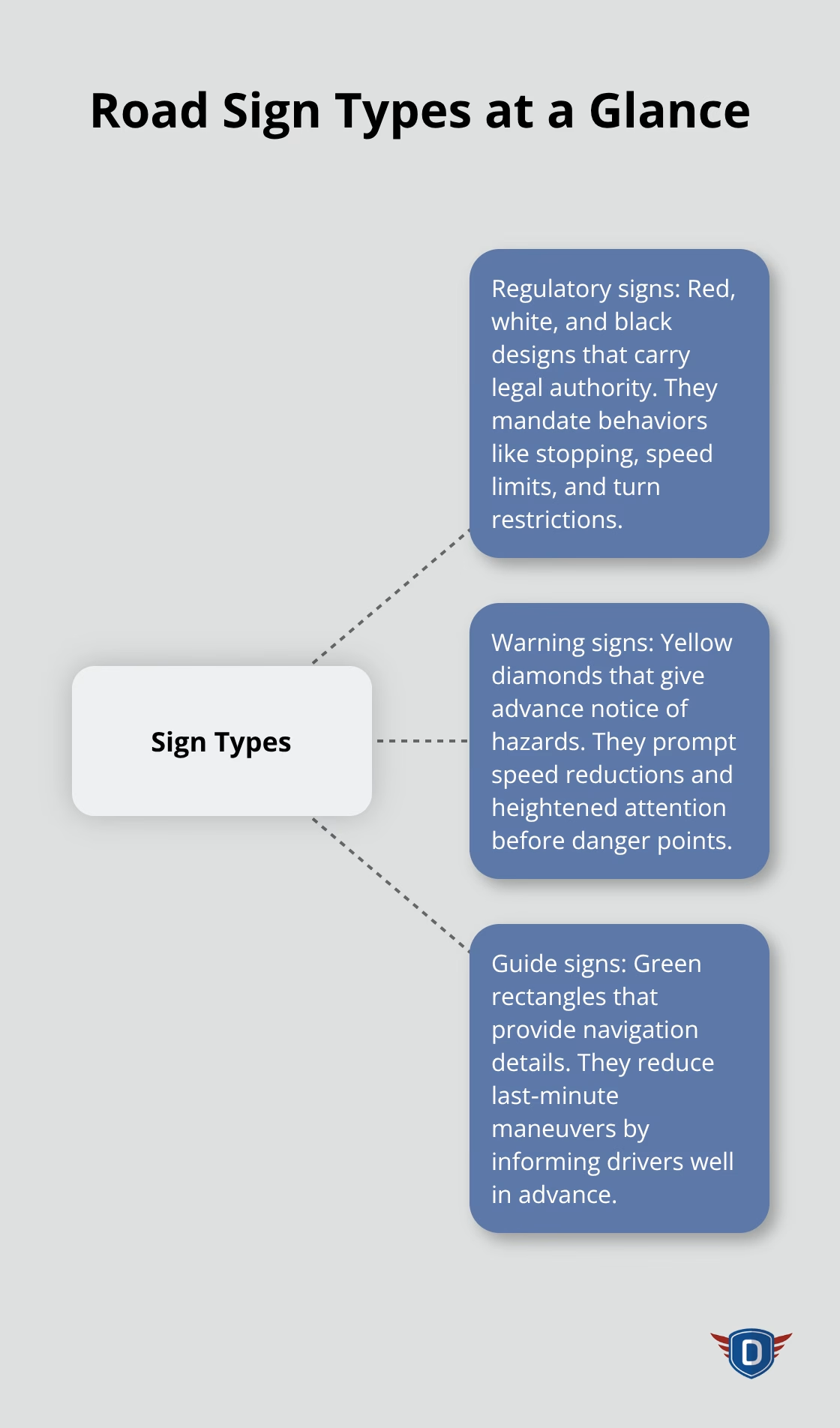
These three sign categories work together to create a comprehensive safety system, but their effectiveness depends entirely on driver compliance and proper visibility conditions that we’ll examine next.
How Road Signs Save Lives Through Science
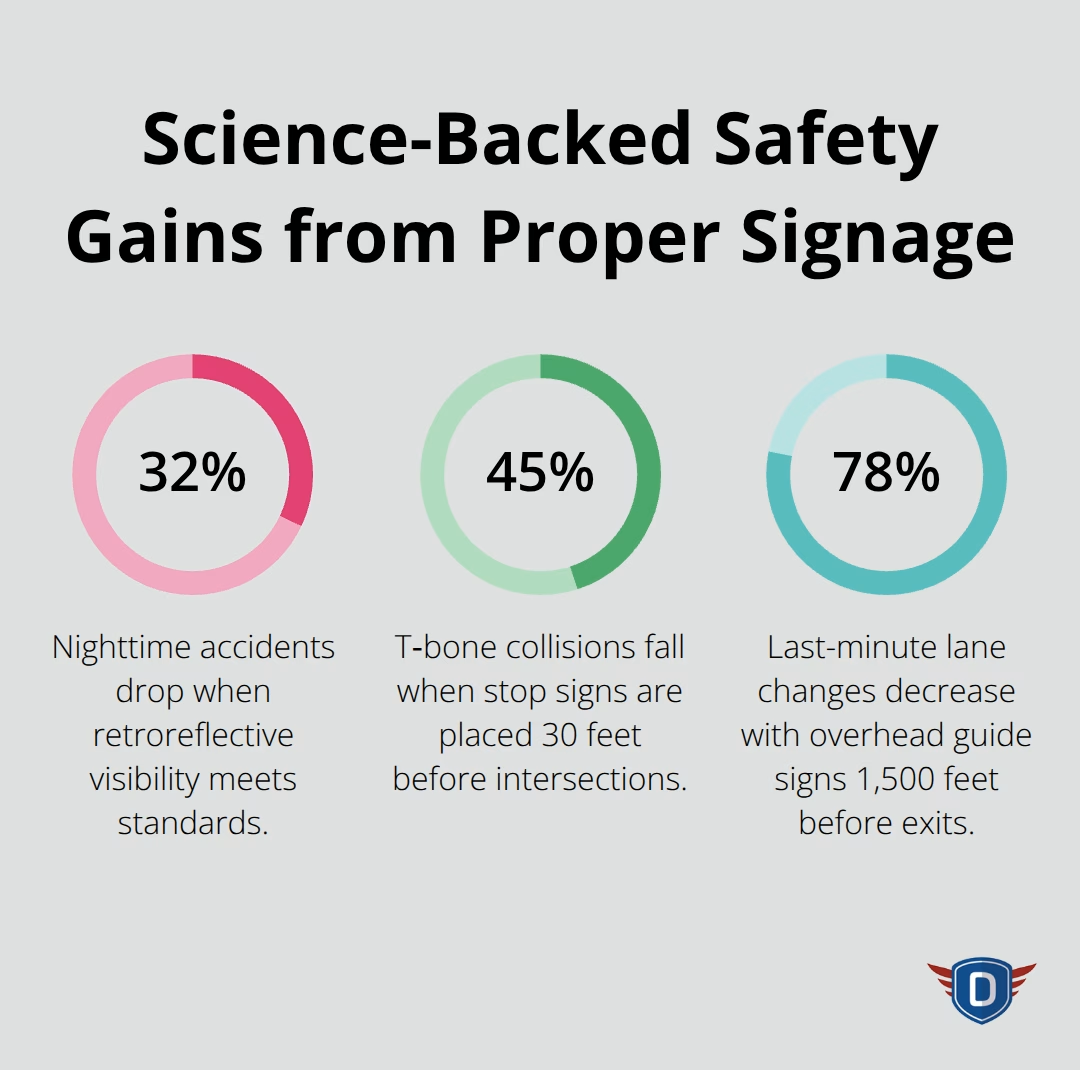
Road signs prevent approximately 40,901 deaths annually through three proven mechanisms that directly influence driver behavior. The Federal Highway Administration found that proper sign visibility reduces nighttime accidents by 32% when retroreflective materials meet minimum brightness standards. Placement height between 5 and 19 feet above the roadway provides optimal viewing angles for vehicles ranging from motorcycles to commercial trucks, while advance warning distances of 200 to 1,320 feet give drivers adequate reaction time based on posted speed limits.
Strategic Placement Eliminates Fatal Mistakes
Sign placement follows precise engineering formulas that account for vehicle speeds and stopping distances. Stop signs positioned 30 feet before intersections reduce T-bone collisions by 45% compared to signs placed at the intersection line (according to Transportation Research Board data). Warning signs for sharp curves must appear 500 feet in advance at 55 mph zones but only 200 feet at 25 mph zones to provide equal stopping capability. Overhead guide signs positioned 1,500 feet before highway exits eliminate 78% of last-minute lane changes that cause 12,000 accidents annually.
Color and Shape Recognition Triggers Instant Responses
Red octagonal stop signs trigger subconscious recognition within 0.3 seconds, faster than any other traffic control device shape or color combination. Yellow diamond warning signs activate peripheral vision response 2.1 seconds before drivers consciously process the message content (providing extra reaction time during emergencies). Green rectangular guide signs reduce cognitive load by 40% compared to text-only navigation because drivers process shape and color information through different brain pathways simultaneously. The Insurance Institute for Highway Safety reports that standardized color coding prevents 8,700 accidents yearly through elimination of driver confusion about sign meaning and required actions.
However, even the most perfectly designed signs fail when drivers choose to ignore them, leading to violations that carry serious legal and financial consequences. Dangerous driving behaviors continue to undermine road safety despite clear signage and warnings.
What Happens When Drivers Ignore Road Signs
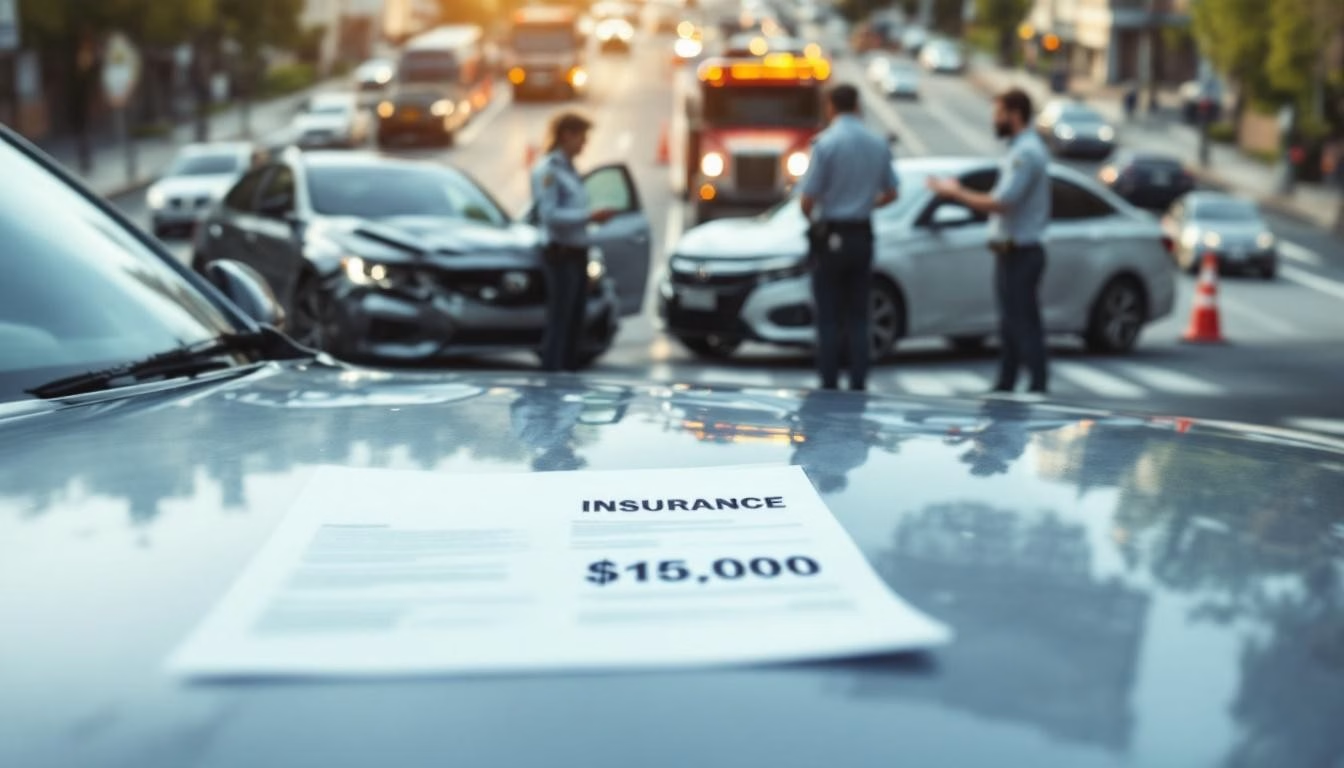
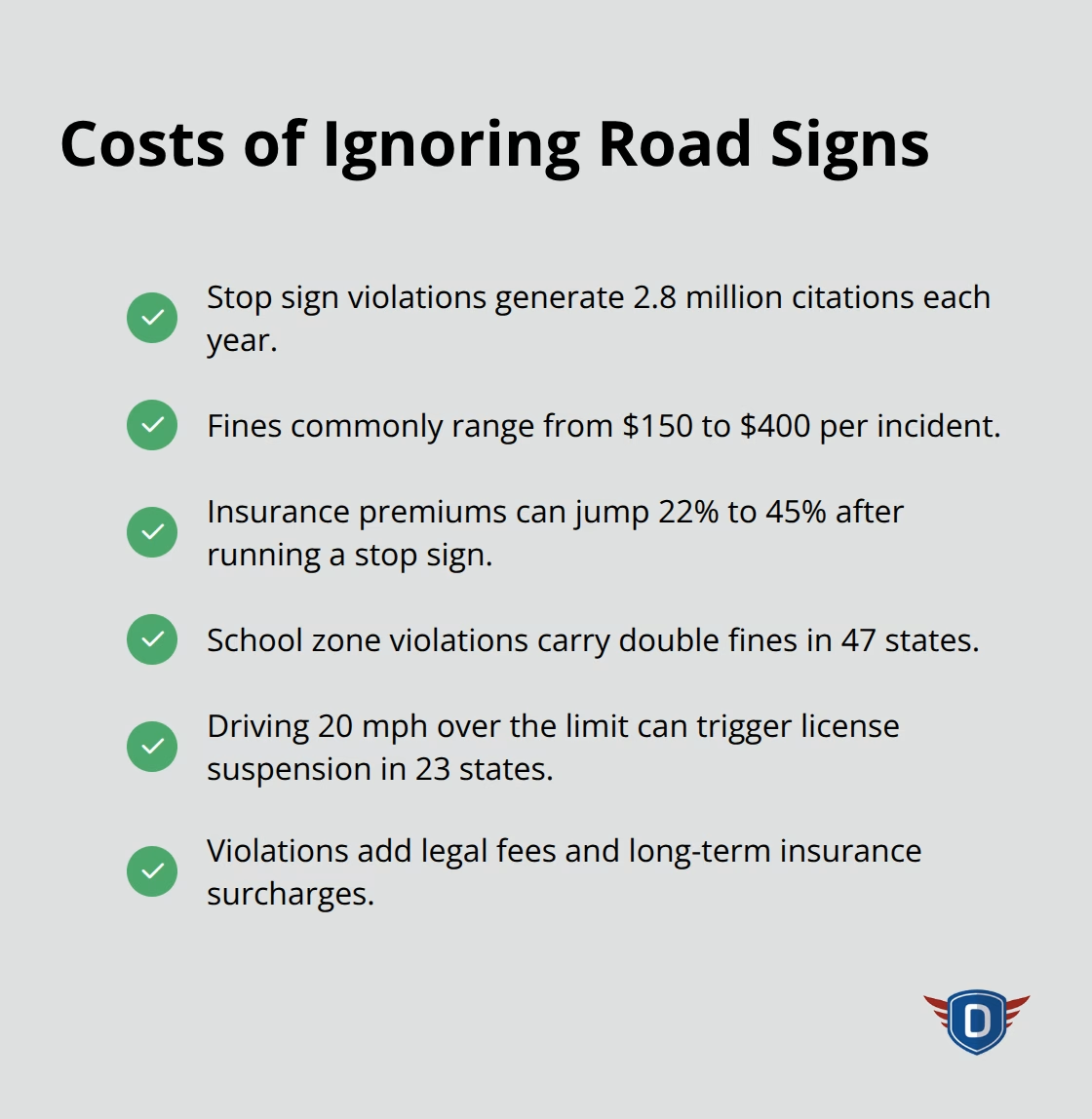
Traffic violations from ignoring road signs cost drivers significant amounts annually in fines, increased insurance premiums, and legal fees. Stop sign violations alone generate 2.8 million citations yearly with fines that range from $150 to $400 per incident, while failure to yield causes accidents annually that result in substantial property damage and medical costs. The Insurance Institute for Highway Safety found that drivers who run stop signs face insurance premium increases of 22% to 45% based on their state and driving history.
Speed Violations Carry the Highest Financial Impact
Speed limit violations generate significant revenue in fines annually with penalties that escalate rapidly based on excess speed over posted limits. School zone violations carry double fines in 47 states, with first-time offenses that cost $200 to $1,000 plus mandatory court appearances in many jurisdictions. The National Highway Traffic Safety Administration reports that drivers caught at speeds 20 mph over posted limits face license suspension in 23 states, while repeat offenders lose their privileges for 30 to 180 days. Insurance companies classify speed violations as high-risk behavior and trigger premium increases that persist for three to five years after the violation date.
Stop and Yield Sign Violations Lead to Severe Crashes
Drivers who run stop signs cause 700 deaths and 120,000 injuries annually according to Federal Highway Administration crash data. T-bone collisions from stop sign violations result in fatality rates 40% higher than other intersection crashes because side-impact protection remains limited in most vehicles. Yield sign violations at highway merge points cause 89,000 accidents yearly with average repair costs of $8,400 per vehicle. Courts impose criminal charges for reckless operation when drivers deliberately ignore these signs and cause serious injuries.
Sign Violations Create Cascading Legal Problems
Failure to obey traffic signs creates liability exposure that extends far beyond initial fines, especially when violations contribute to accidents. Court records show that drivers who cause crashes after running stop signs face civil judgments that average $127,000 in damages, while insurance companies often deny coverage for deliberate traffic law violations. The Federal Motor Carrier Safety Administration tracks sign violations for commercial drivers through a point system that can result in career-ending license revocations after multiple infractions within 36-month periods (particularly dangerous for professional drivers).
Final Thoughts
Road safety signs serve as the foundation for accident prevention and life protection on American roadways. The data shows clear benefits: proper sign implementation reduces traffic fatalities by 23%, while compliance with regulatory signs prevents thousands of costly violations annually. New drivers benefit most from mastering sign recognition early in their careers.
The Federal Highway Administration reports that drivers who complete comprehensive traffic education programs show 31% fewer violations in their first three years compared to those with minimal training. Understanding the difference between regulatory, warning, and guide signs creates safer decision-making patterns that last throughout a driver’s lifetime. Every road user gains protection when drivers properly interpret and obey traffic signs.
The 40,901 lives saved annually through effective signage demonstrate how individual compliance creates collective safety benefits (whether navigating school zones, construction areas, or highway merges). Proper sign awareness prevents the chain reactions that lead to serious accidents. We at floridadetscourse.com help drivers develop these critical skills through our comprehensive traffic school programs that emphasize sign recognition and defensive driving techniques.