Your insurance discount eligibility depends on more than just having a clean driving record. Florida insurers reward defensive driving courses with substantial savings, but knowing which programs qualify and how to time your enrollment makes all the difference.
At floridadetscourse.com, we’ve helped thousands of drivers navigate the discount landscape. This guide walks you through the approved courses, documentation requirements, and strategies to maximize your savings.
What Counts as Defensive Driving for Insurance
The Real Difference Between Safe and Defensive Drivers
Defensive driving goes beyond following traffic laws-it means anticipating hazards before they happen. Insurance companies in Florida recognize this distinction, which is why they reward drivers who complete approved courses with real savings. Florida insurers offer up to a 10% discount for completing an approved defensive driving course through providers like IMPROV, NSC, or ASC. The difference shows up in accident statistics: defensive drivers reduce collision risk by spotting dangerous situations early, adjusting speed in adverse weather, and maintaining safe following distances. Our Florida-approved traffic school programs teach exactly these skills, covering rain and snow driving, night driving, and crash avoidance strategies that go beyond standard traffic rules. When you complete a course through an approved provider, you’re not just checking a box for your insurer-you’re developing skills that lower your actual collision risk.
How Insurers Calculate Your Discount
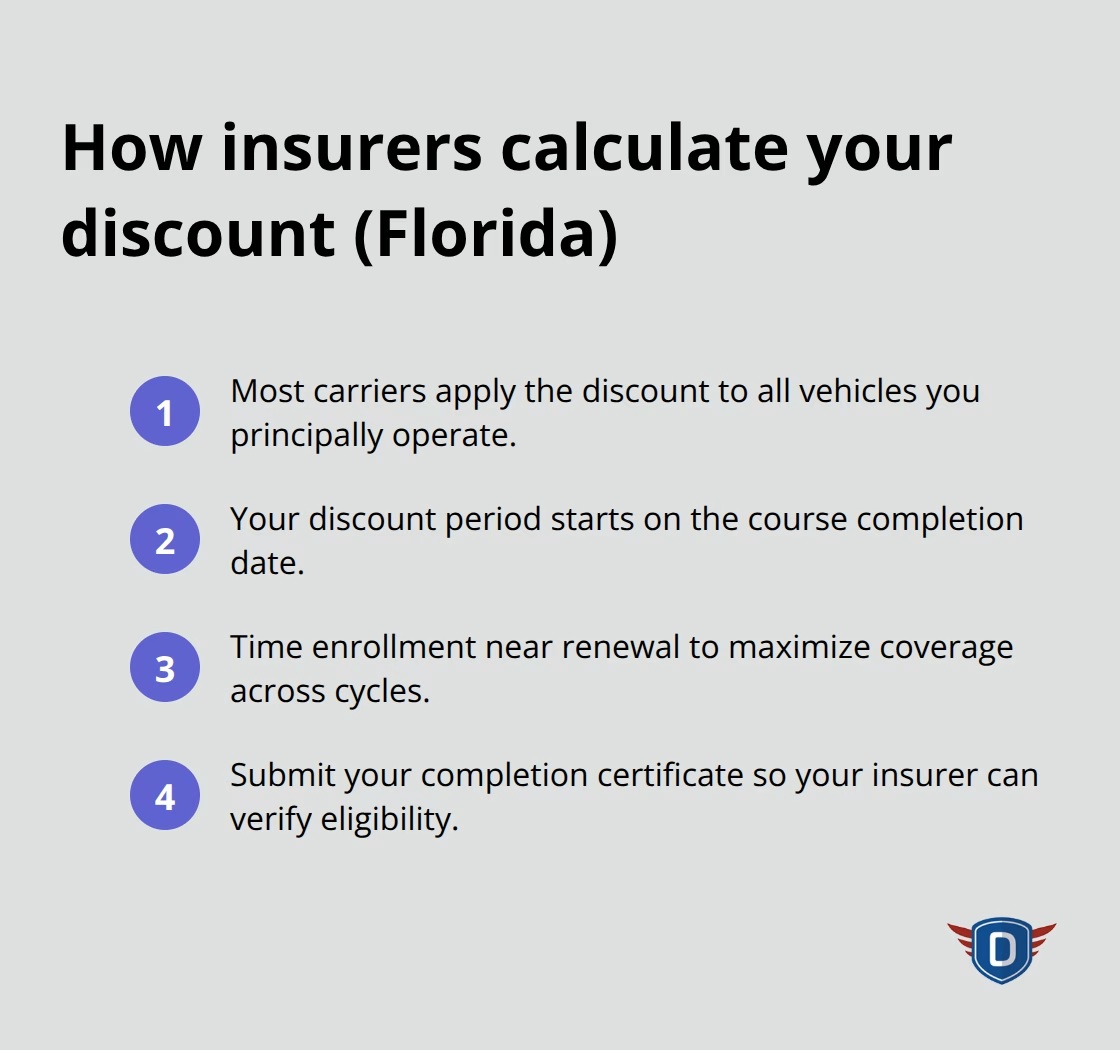
Insurance companies calculate discounts based on state regulations and their own underwriting models. In Florida, the discount amount depends on your insurer’s rate schedule and your driving profile, but most carriers apply the discount across all vehicles you principally operate, not just one car. The key factor is timing: your discount period starts immediately after course completion, so enrolling when your policy renews maximizes the benefit across multiple renewal cycles. Documentation matters-you’ll need to submit your completion certificate to your insurer, and they verify it against their approved course list.
Verifying Your Insurer’s Requirements Before Enrolling
Different insurers may offer slightly different percentages, so contact your agent to ask specifically what discount applies to your policy and which courses they recognize before you enroll. The course itself typically takes four hours to complete, and most online options finish in a single sitting, making qualification straightforward once you understand your insurer’s requirements. Your next step involves confirming which approved providers your insurer accepts and whether any eligibility restrictions (such as age requirements or driving history conditions) apply to your specific policy.
Which Courses Get Approved and How to Verify Them
The Three Approved Providers Florida Insurers Accept
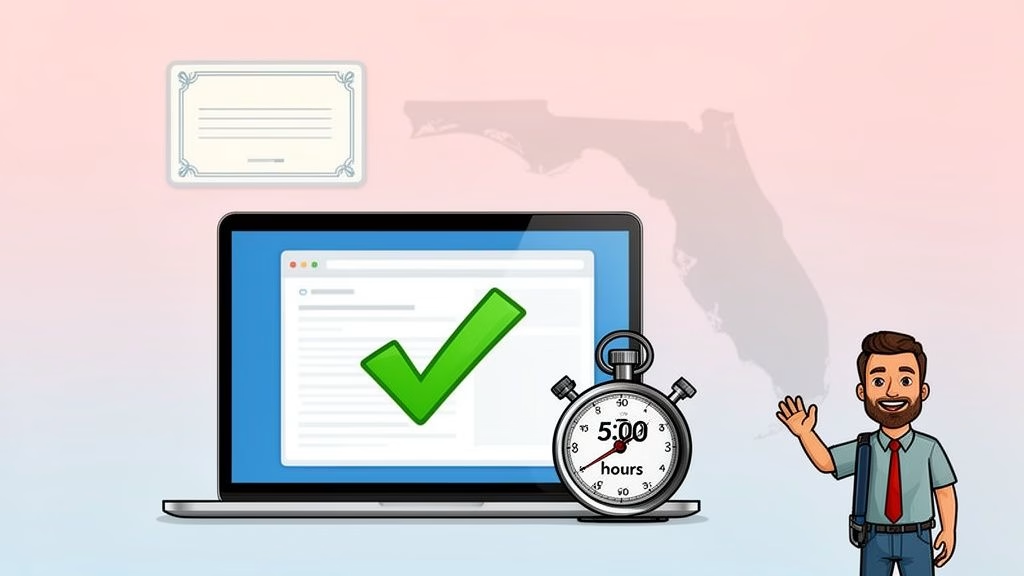
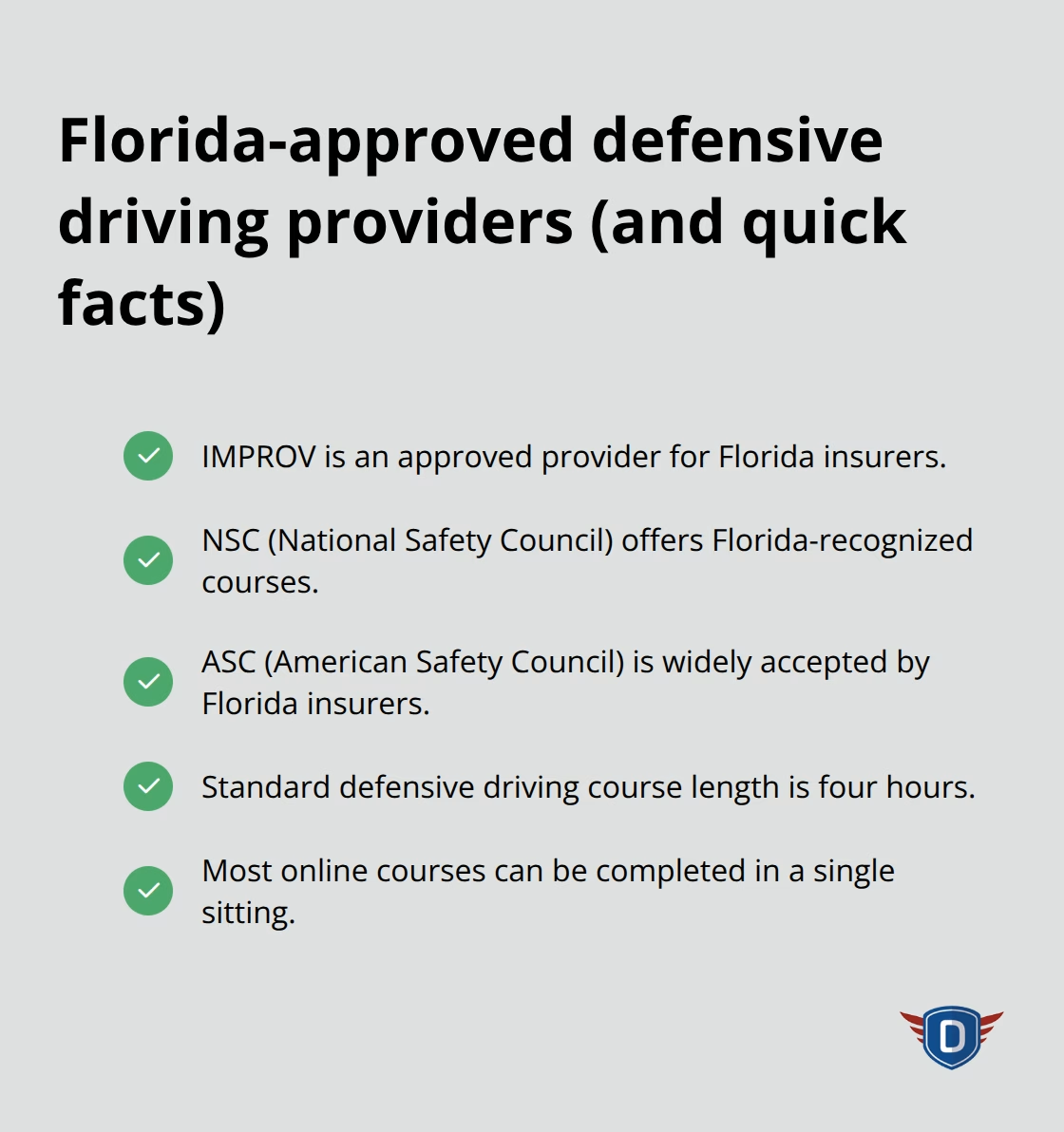
Florida recognizes defensive driving courses from specific providers, and using an unapproved program means you won’t qualify for the discount no matter how well you perform. IMPROV, NSC (National Safety Council), and ASC (American Safety Council) are the three main providers your Florida insurer will accept. Our Florida-approved traffic school programs follow strict guidelines set by the Florida Department of Highway Safety and Motor Vehicles and help drivers qualify for insurance discounts while building genuine defensive driving skills. The standard course takes four hours to complete, and most online options let you finish in a single session, making the certification process fast and straightforward.
How Your Completion Certificate Works with Insurers
Your completion certificate gets issued electronically and reported directly to the FLHSMV, which means your insurer can verify your course completion instantly when you submit your certificate. Most insurers process this within days, and your discount period starts immediately from the completion date, not from when your policy renews. After you finish, submit your completion certificate to your insurer and ask them to apply the discount across all vehicles you principally operate.
Eligibility Restrictions That Vary by Insurer
The critical step most drivers miss is contacting their insurer before enrolling to confirm which providers they accept and whether any eligibility restrictions apply to your specific policy. Some insurers limit discounts to drivers aged 55 or older, while others have no age requirement at all, so asking upfront saves you from completing a course your insurer won’t recognize. Different insurers may offer slightly different percentages, so contact your agent to ask specifically what discount applies to your policy and which courses they recognize before you enroll.
What Happens When You Switch Insurance Carriers
If you switch insurers or policies later, you’ll need to re-qualify with your new carrier, so the discount isn’t permanent across all future coverage. This means your three-year discount period applies only to your current insurer, and moving to a different carrier requires you to complete another approved course to maintain your savings. Understanding this limitation helps you plan your course timing around any anticipated policy changes.
Your next step involves confirming which approved providers your insurer accepts and whether any eligibility restrictions apply to your specific policy, then moving forward with enrollment at one of the recognized vendors.
Maximizing Your Discount and Additional Savings Opportunities
Time Your Course Completion for Maximum Benefit
Enrolling at the right moment determines whether your discount covers one renewal cycle or multiple years of savings. Florida insurers apply your discount starting from your course completion date, not your policy renewal date, so completing your course before your policy renews maximizes the benefit across the longest possible period. If your policy renews in three months and you complete the course today, your discount applies immediately and continues through that renewal and into the next cycle. Waiting until after renewal wastes months of potential savings.
Contact your insurer now to confirm your renewal date, then work backward to schedule your course completion at least two weeks before that date. This gives them time to process your certificate and adjust your premium. The four-hour course takes one sitting to finish, so the actual enrollment timing is flexible, but the strategic timing around your renewal date is what separates drivers who save hundreds of dollars from those who save far less. Some drivers complete their course right after a renewal, which means they start their discount period with three full years before the discount expires, maximizing the total savings they receive.
Combine Defensive Driving Discounts with Other Programs
Stacking your defensive driving discount with other available programs amplifies your total savings without requiring additional work beyond what you’ve already committed to. Florida insurers often offer discounts for bundling home and auto coverage, maintaining continuous insurance without gaps, paying in full rather than monthly, or using paperless billing. These stack directly on top of your defensive driving discount.
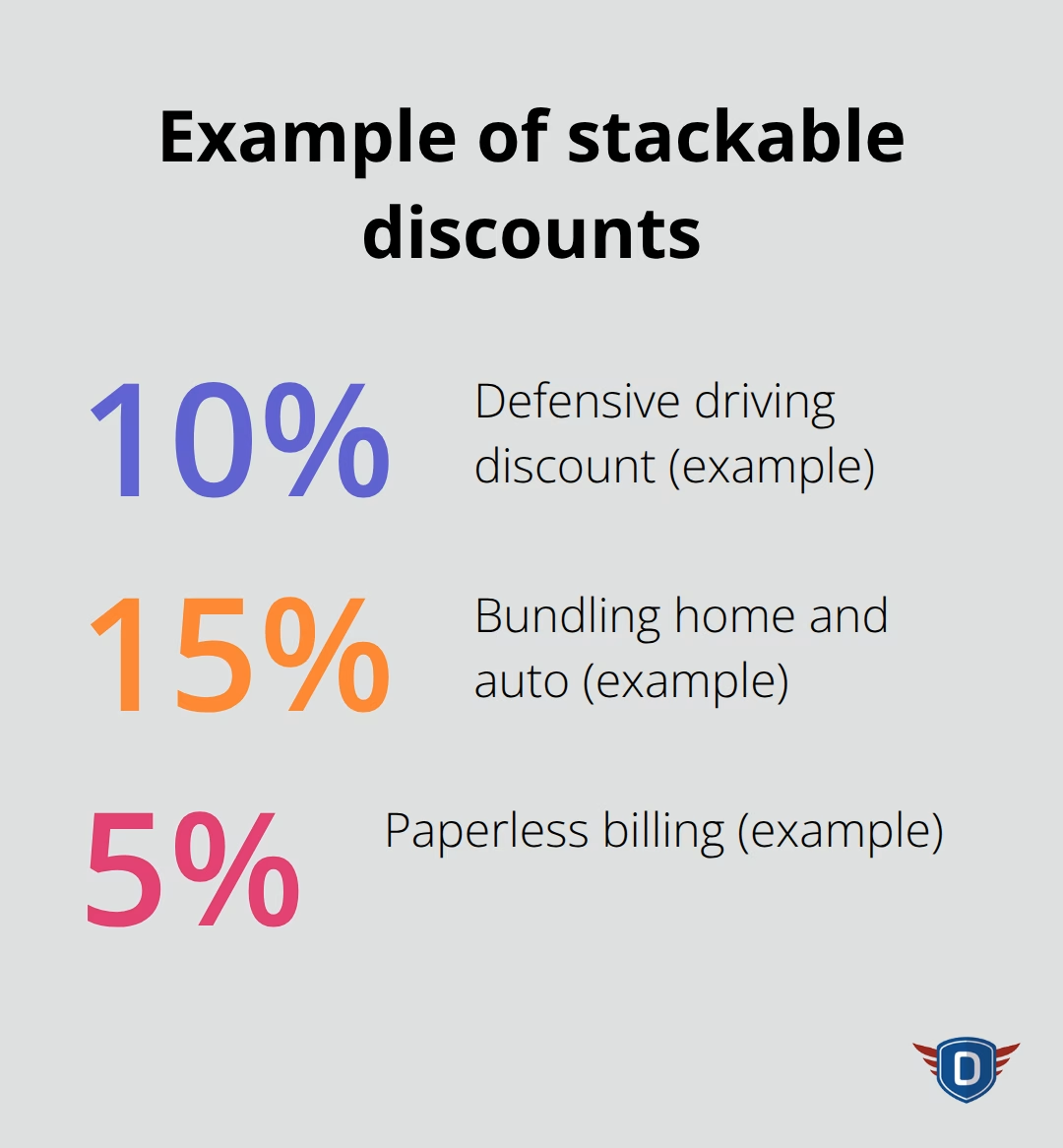
For example, if your insurer offers a 10% defensive driving discount plus 15% for bundling plus 5% for paperless billing, these typically combine to reduce your premium significantly beyond any single discount. Before you complete your course, request a full list of available discounts from your agent and ask which ones stack with the defensive driving discount. Some carriers limit how many discounts apply simultaneously, so this conversation prevents wasted effort.
Submit Documentation and Activate Your Discount
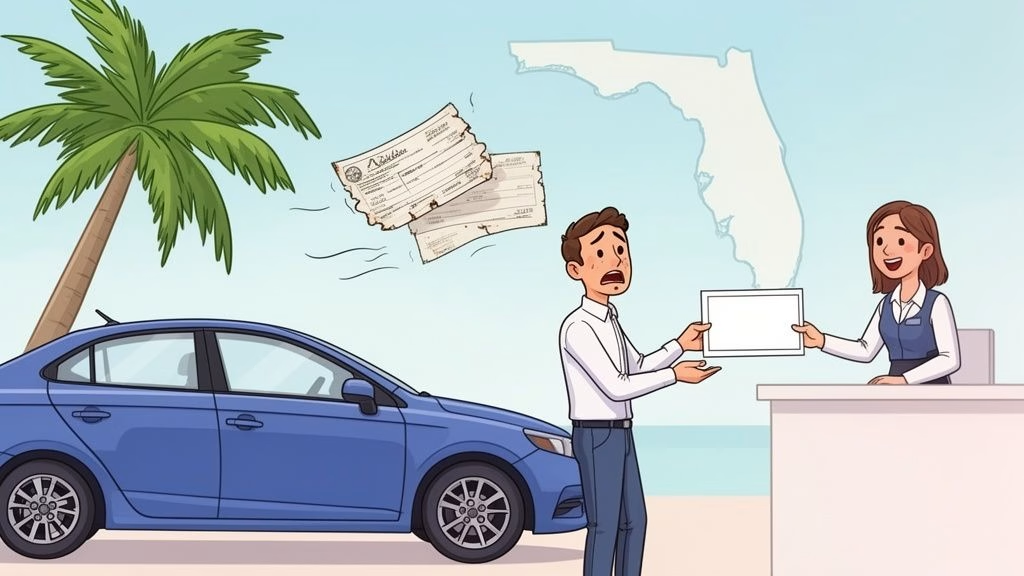
Your completion certificate gets issued electronically and reported directly to the FLHSMV, which means your insurer can verify your course completion instantly when you submit your certificate. Submit your completion certificate to your insurance company immediately after finishing the course, and keep a copy for your records. Your certificate includes your course completion date and provider information, which your insurer uses to verify eligibility against their approved course list and activate your discount in their system.
Most insurers process certificates within three to five business days, though some apply the discount retroactively to your most recent renewal date if you submit the certificate shortly after your renewal. This retroactive application means you capture savings even if you complete your course shortly after your renewal cycle begins. Contact your insurer to ask whether they offer retroactive discounts, as this detail can add significant value to your total savings.
Final Thoughts
Qualifying for maximum defensive driving insurance discounts requires three concrete actions: enroll in an approved course from IMPROV, NSC, or ASC, time your completion strategically around your policy renewal, and submit your certificate promptly to activate your savings. Your insurance discount eligibility depends entirely on using a state-recognized provider and meeting your specific insurer’s requirements, so contact your agent before enrolling to prevent wasted effort on unrecognized courses. The four-hour course takes a single sitting to complete, and most drivers finish within a day, making the actual enrollment process straightforward once you confirm your insurer’s requirements.
Florida insurers offer up to a 10% discount that applies across all vehicles you principally operate, and when combined with bundling, paperless billing, or continuous coverage discounts, your total savings multiply significantly. Completing your course before your policy renews maximizes the discount period and potentially covers three full years of reduced premiums. If your insurer offers retroactive discounts, submitting your certificate shortly after renewal captures savings even if you complete the course after your renewal date.
Beyond the immediate premium reduction, defensive driving skills reduce your actual collision risk by teaching you to anticipate hazards in rain and snow, maintain safe following distances, and adjust your speed in adverse conditions. These habits lower your likelihood of accidents, which protects your driving record and prevents future rate increases from claims. Start your course today at floridadetscourse.com and begin capturing your savings immediately.