A driver cuts across two lanes to reach an exit. Another motorist leans on the horn. Within seconds, a routine commute can turn into a dangerous exchange of tailgating, gestures, or risky passing. Learning how to prevent roadway aggression starts with recognizing that the safest response is rarely about proving who was right. It is about creating space, protecting attention, and getting everyone home safely.
Roadway aggression is more than impatience in traffic. It involves driving or behavior intended to intimidate, punish, or retaliate against another road user. While a delay, mistake, or inconsiderate move may trigger frustration, each driver controls what happens next.
What roadway aggression looks like
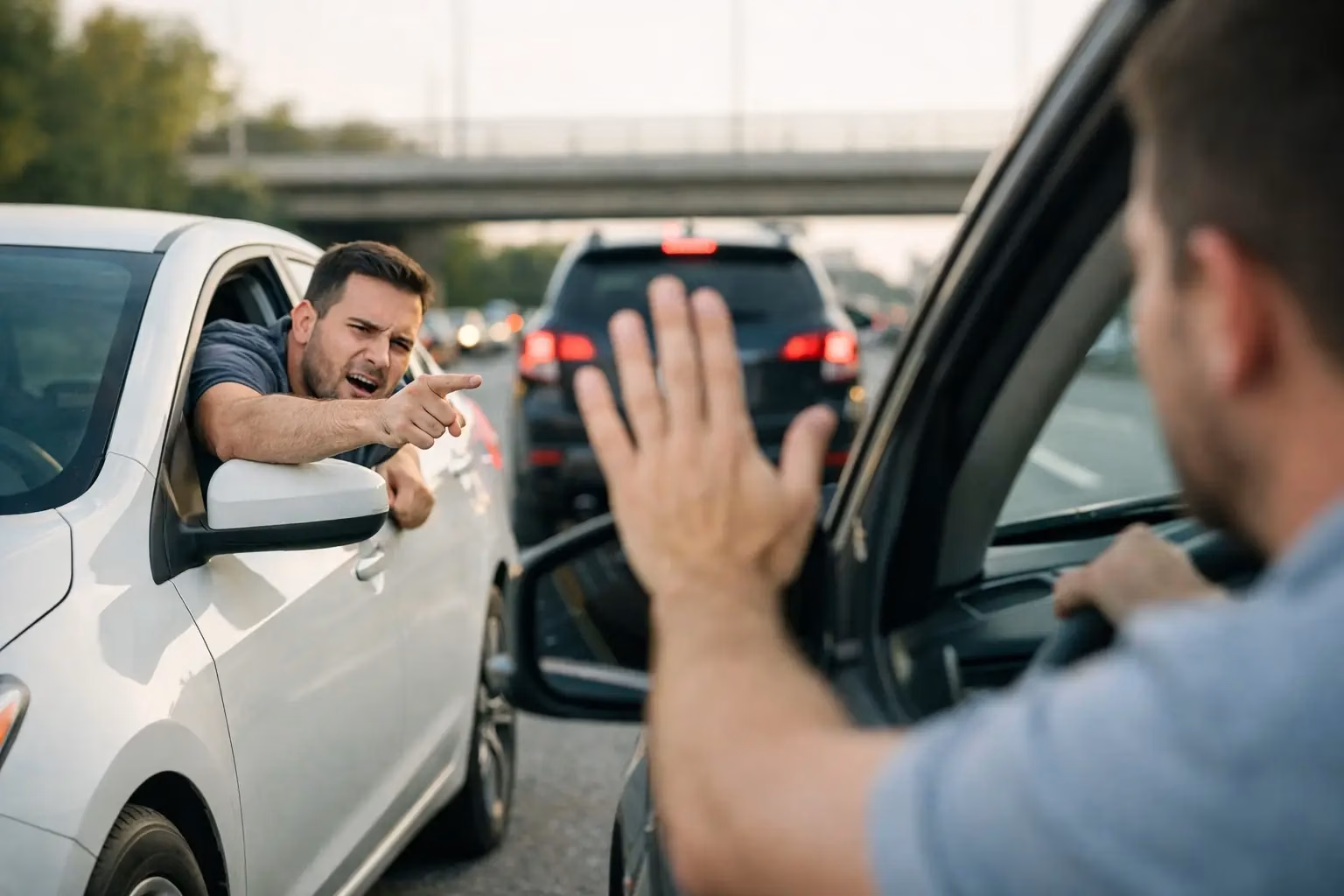
Roadway aggression can include following another vehicle too closely, repeatedly honking, flashing headlights, blocking a lane, speeding up to prevent a merge, making hostile gestures, or confronting someone at a stop. These actions can quickly lead to a crash because they replace sound judgment with emotion.
It is useful to separate aggressive behavior from an isolated driving error. A driver may fail to signal, brake unexpectedly, or miss a turn because they are distracted, inexperienced, or unfamiliar with the area. That does not make their decision safe, but it does mean retaliation is not a solution.
The goal is not to excuse unsafe driving. If another driver creates an immediate hazard, take reasonable defensive action, such as slowing down, changing lanes when safe, or increasing following distance. The goal is to avoid turning one mistake into a larger conflict.
How to prevent roadway aggression with better preparation
Your response to traffic begins before the vehicle moves. Many aggressive driving moments are fueled by rushing, fatigue, hunger, confusing directions, or the expectation that every delay is unacceptable. A few practical choices before departure reduce those pressure points.
Leave enough time for normal delays
Build in extra time for traffic, parking, school zones, construction, and weather. When you leave late, a red light or slow driver can feel personal because it threatens your schedule. When you allow a reasonable buffer, you are more likely to treat delays as part of driving rather than a reason to take risks.
If you are already late, do not try to make up the entire delay on the road. Speeding, weaving, and following too closely rarely save much time, and they increase the chance of a citation or collision. Notify the person expecting you when possible and focus on arriving safely.
Set navigation and communication before driving
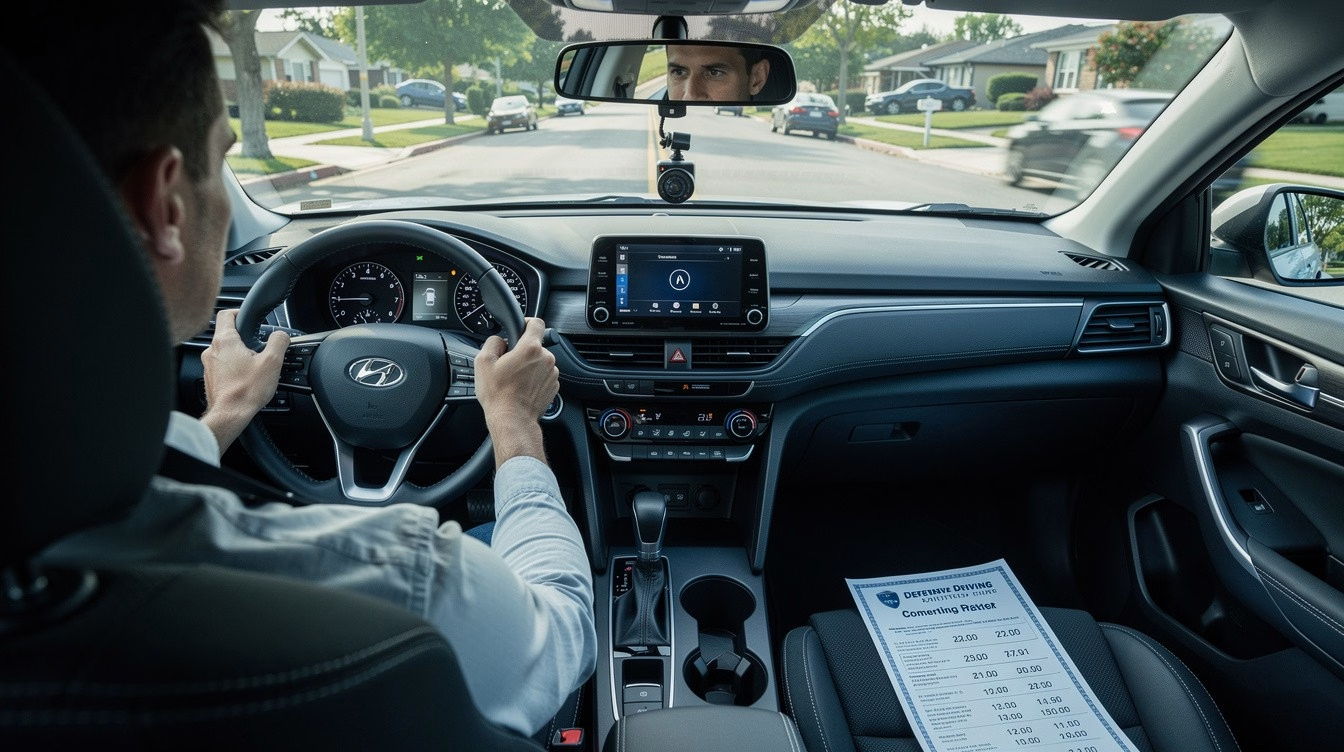
Enter your destination, adjust mirrors, choose music, and secure loose items before you shift into drive. Looking for an address or answering a message while moving can cause missed exits and sudden lane changes that frustrate other drivers.
Use your phone only as permitted by state law and only when it does not take attention from the road. If a call or message cannot wait, pull over in a safe location. A brief stop is far safer than a distracted decision that creates conflict.
Check your physical and emotional state
Fatigue reduces patience and reaction time. Stress from work, family responsibilities, or a prior disagreement can also follow you into the vehicle. Before driving, ask a simple question: am I calm enough to make safe choices if someone else drives poorly?
If the answer is no, take a few minutes to reset. Drink water, eat if needed, use slow breathing, or delay the trip when practical. For longer drives, schedule breaks before tiredness turns into irritation or poor judgment.
Use distance and patience to stop conflicts early
Space is one of the most effective tools for preventing roadway aggression. It gives you time to see hazards, reduces the feeling that another driver is challenging you, and limits opportunities for a confrontation.
Maintain a safe following distance based on speed, traffic, weather, and visibility. In rain, darkness, heavy traffic, or behind a large vehicle, leave more room. If someone cuts in front of you, ease off the accelerator and rebuild your space instead of accelerating to close the gap.
Letting another driver merge or change lanes may feel inconvenient, but the trade-off is usually minor. A few seconds of patience can prevent a chain of braking, horn use, and retaliation. Likewise, if you are driving below the flow of traffic, use the appropriate lane when possible so faster vehicles can pass without pressure.
Avoid teaching another driver a lesson. Do not brake-check, block a pass, pace another car, or speed up when someone tries to merge. These actions can cause a collision even if you believe the other driver started the problem.
Keep your reactions private and controlled
Anger narrows attention. It can make a driver focus on another person instead of traffic signals, pedestrians, changing road conditions, and vehicles ahead. The fastest way to regain control is to interrupt the emotional reaction before it becomes behavior.
Try a simple reset: loosen your grip on the steering wheel, take one slow breath, and look farther down the road. Remind yourself that you do not know what is happening in the other vehicle. The driver may be lost, dealing with an emergency, or simply making a poor decision.
Do not use your horn, lights, or gestures to express anger. A horn is best reserved for warning another road user of an immediate hazard. Using it to criticize or provoke can escalate a situation without changing the other driver�s behavior.
It also helps to choose neutral language in your own mind. Replace thoughts such as �They did that on purpose� with �That was unsafe, so I need more space.� This keeps your attention on the action you can control.
When another driver is behaving aggressively
You cannot control another driver�s choices, but you can reduce your exposure to them. Do not make eye contact, gesture back, or respond to attempts to provoke you. Keep doors locked, windows up when appropriate, and continue driving predictably.
If an aggressive driver is following you, do not drive home, to work, or to another place where they can find you. Do not stop to argue. Travel to a well-lit public location, such as a police station, fire station, or busy business, if it is safe to do so. Call 911 when you believe there is an immediate threat, collision, weapon, or active danger.
If you can safely remember details, note the vehicle�s make, color, license plate, direction of travel, and location. Do not attempt to record information while driving or pursue the vehicle. Reporting dangerous conduct is a job for law enforcement, not for another motorist.
Make defensive driving a daily habit
Preventing roadway aggression is closely connected to defensive driving. Defensive driving means expecting that other road users may make mistakes and positioning your vehicle so you have time and space to respond safely.
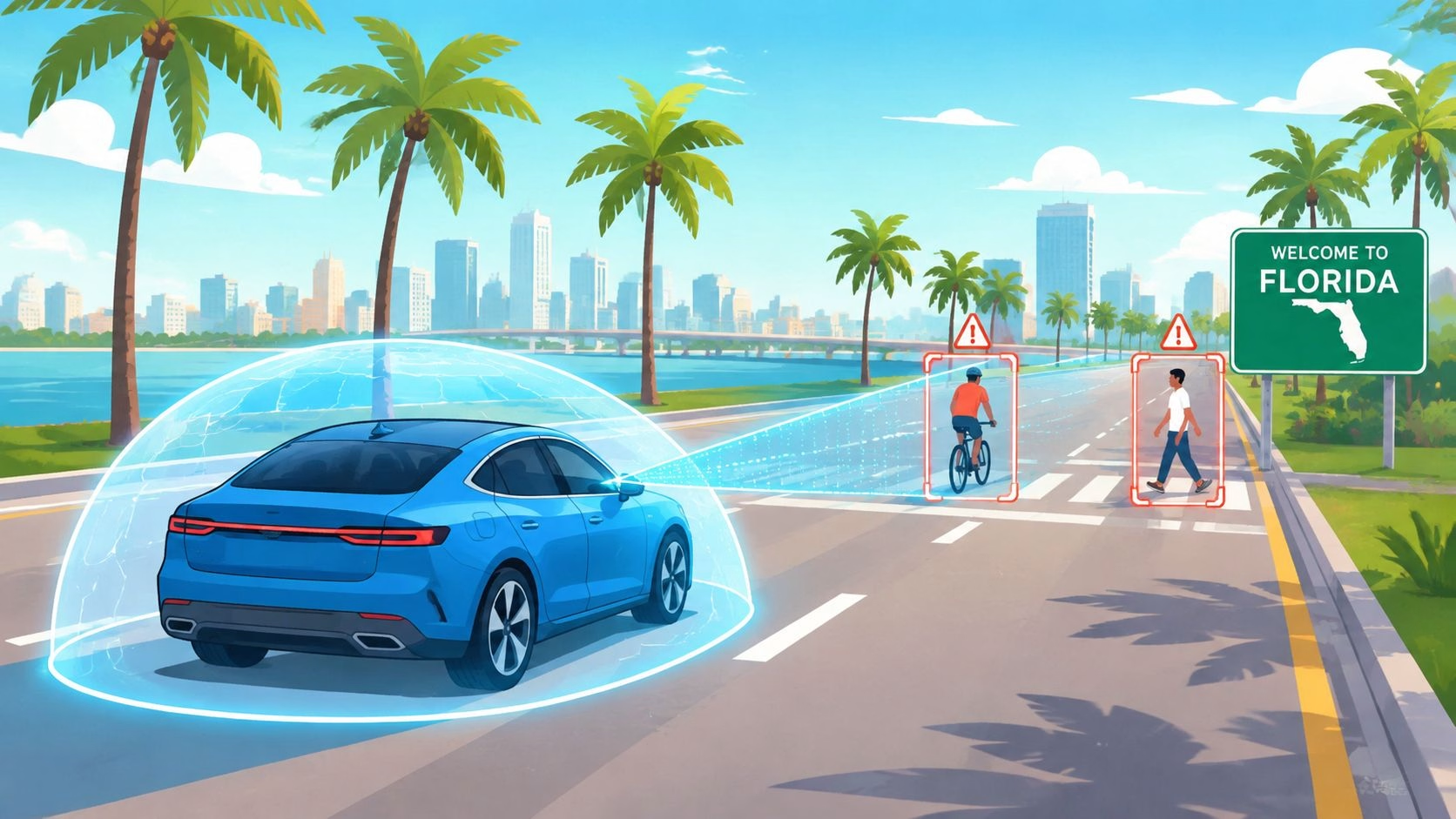
Scan ahead instead of staring at the vehicle directly in front of you. Check mirrors regularly, signal early, and make lane changes only when there is enough room. These habits make your own driving more predictable, which lowers stress for people around you.
A driver improvement or aggressive driving course can also help if a citation, court order, insurance requirement, or personal safety goal has brought this topic to your attention. floridadetscourse.com offers convenient online education designed to help drivers understand traffic laws, identify risky habits, and make safer choices on every trip.
Frequently asked questions
What is roadway aggression?
Roadway aggression is behavior intended to intimidate, punish, or retaliate against another road user. Examples include tailgating, blocking, hostile gestures, and deliberately unsafe passing.
Is roadway aggression the same as road rage?
No. Roadway aggression is dangerous driving behavior, while road rage generally describes extreme anger that may lead to threats, assault, or other criminal conduct. Both require immediate de-escalation and distance.
What should I do if someone tailgates me?
Stay calm and avoid brake-checking. Maintain a steady speed, increase your distance from the vehicle ahead, and move over or allow the driver to pass when it is safe.
Should I report an aggressive driver?
Yes, when the behavior creates an immediate danger. Call 911 for urgent threats or active dangerous driving, and provide details only when you can do so without distracting yourself.
Can an online driver improvement course help?
Yes, if the course is approved for your requirement and available in your state. It can reinforce defensive driving habits, traffic-law knowledge, and strategies for managing risky situations.
The next frustrating moment on the road does not have to become a conflict. Give yourself time, leave room for mistakes, and let safety – not anger – decide what you do next.