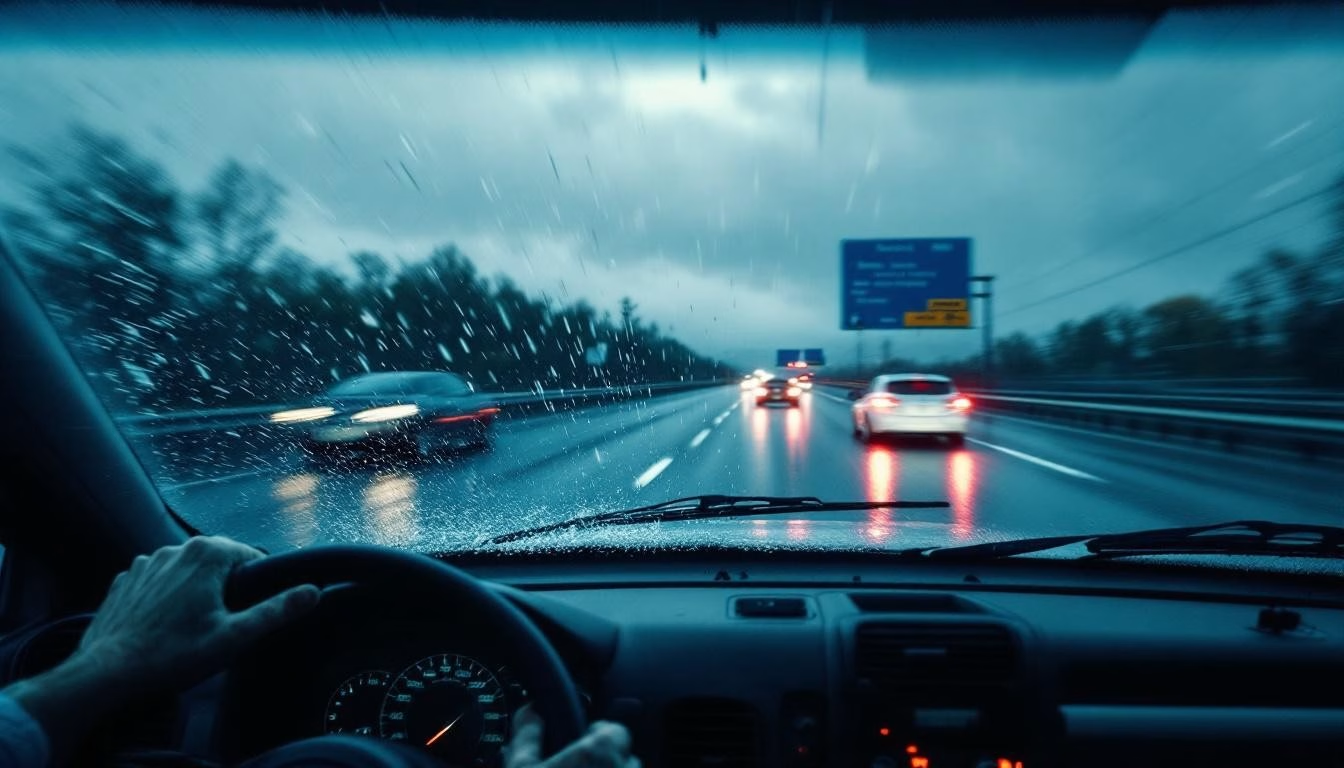
Severe weather transforms ordinary drives into high-stakes situations where split-second decisions matter. At floridadetscourse.com, we’ve seen firsthand how weather driving skills separate safe drivers from those who struggle when conditions deteriorate.
Rain, snow, ice, and wind demand specific techniques that most drivers never formally learn. This guide walks you through the defensive strategies that work in real conditions, not just theory.
What Makes Severe Weather Hazardous Behind the Wheel
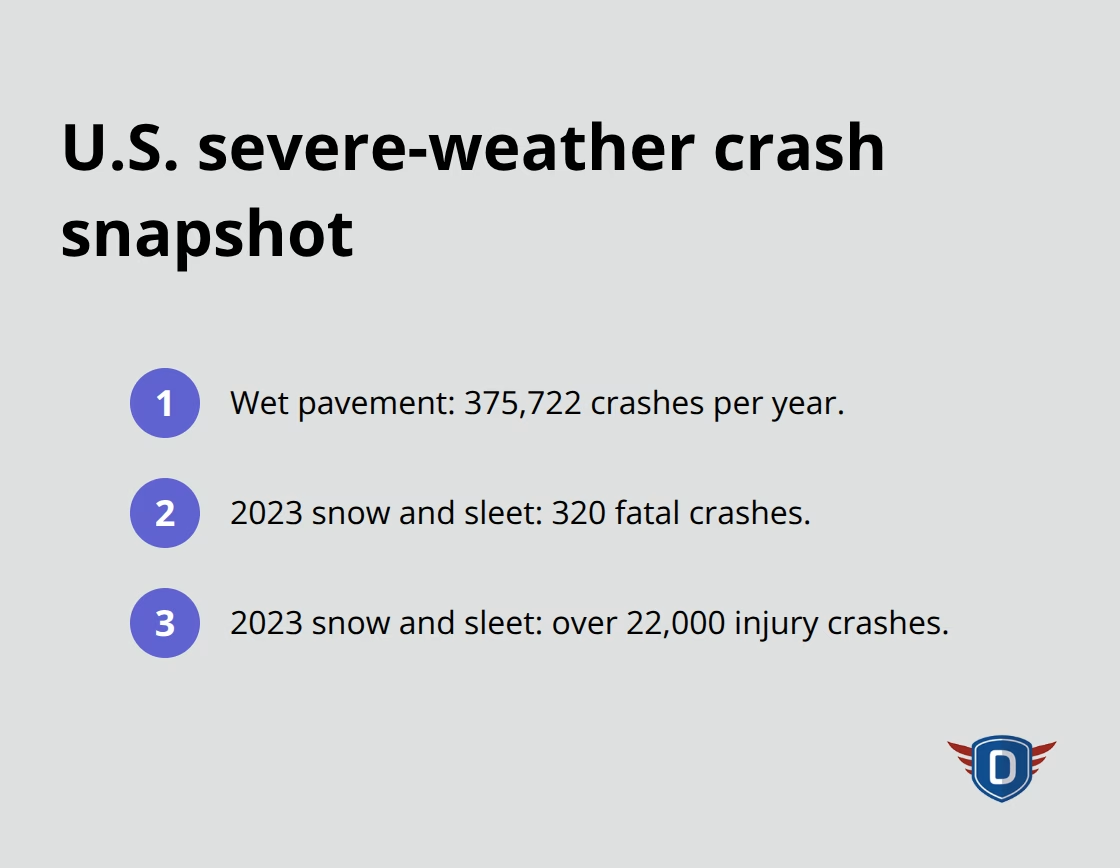
Rain, snow, ice, and wind don’t just make driving uncomfortable-they fundamentally change how your vehicle behaves. According to the National Highway Traffic Safety Administration, wet pavement contributes to an average of 375,722 crashes per year. In 2023, snow and sleet conditions caused 320 fatal crashes and over 22,000 injury crashes. These numbers reveal a hard truth: severe weather strips away your vehicle’s grip on the road, extends stopping distances, and reduces visibility to dangerous levels.
Heavy rain creates hydroplaning hazards because as little as 1/12 inch of water forces your tires to displace a gallon of water per second, meaning your wheels lose contact with the pavement entirely. Black ice presents an even deadlier threat because it’s invisible until you hit it, and bridges and overpasses freeze first, catching drivers off guard in spots where they expect normal traction. Snow and sleet demand different braking techniques than dry conditions-floor braking locks wheels and causes skids, while controlled pressure with anti-lock brakes keeps you moving forward. Wind becomes dangerous near trucks and trailers, which can veer out of their lanes in severe gusts, forcing you into unexpected paths. Fog reduces visibility so drastically that low-beam headlights and fog lights become survival tools rather than conveniences, yet many drivers still navigate at full speed through murky conditions.
Tire Condition Determines Your Survival Margin
Your tires are the only contact point between your vehicle and the road, yet most drivers ignore them until failure occurs. The quarter test reveals tire readiness instantly-insert a quarter into the tread with Washington’s head pointing downward, and if you see the top of his head, your tires are legally worn out and must be replaced. Tread depth matters because wet tires need grooves to channel water away from the contact patch; worn tires have nowhere to push water, guaranteeing hydroplaning.
Cold weather shrinks tire pressure as temperatures drop, reducing traction further, so check inflation monthly and before long trips using the manufacturer’s recommended pressure, not the maximum listed on the tire sidewall. Snow tires outperform all-season tires in winter because their rubber compounds stay pliable in cold, gripping better than harder all-season compounds. Age matters too-manufacturers recommend replacing tires around six years regardless of tread depth because rubber degrades chemically over time.
Visibility and Vehicle Maintenance Create Your Reaction Window
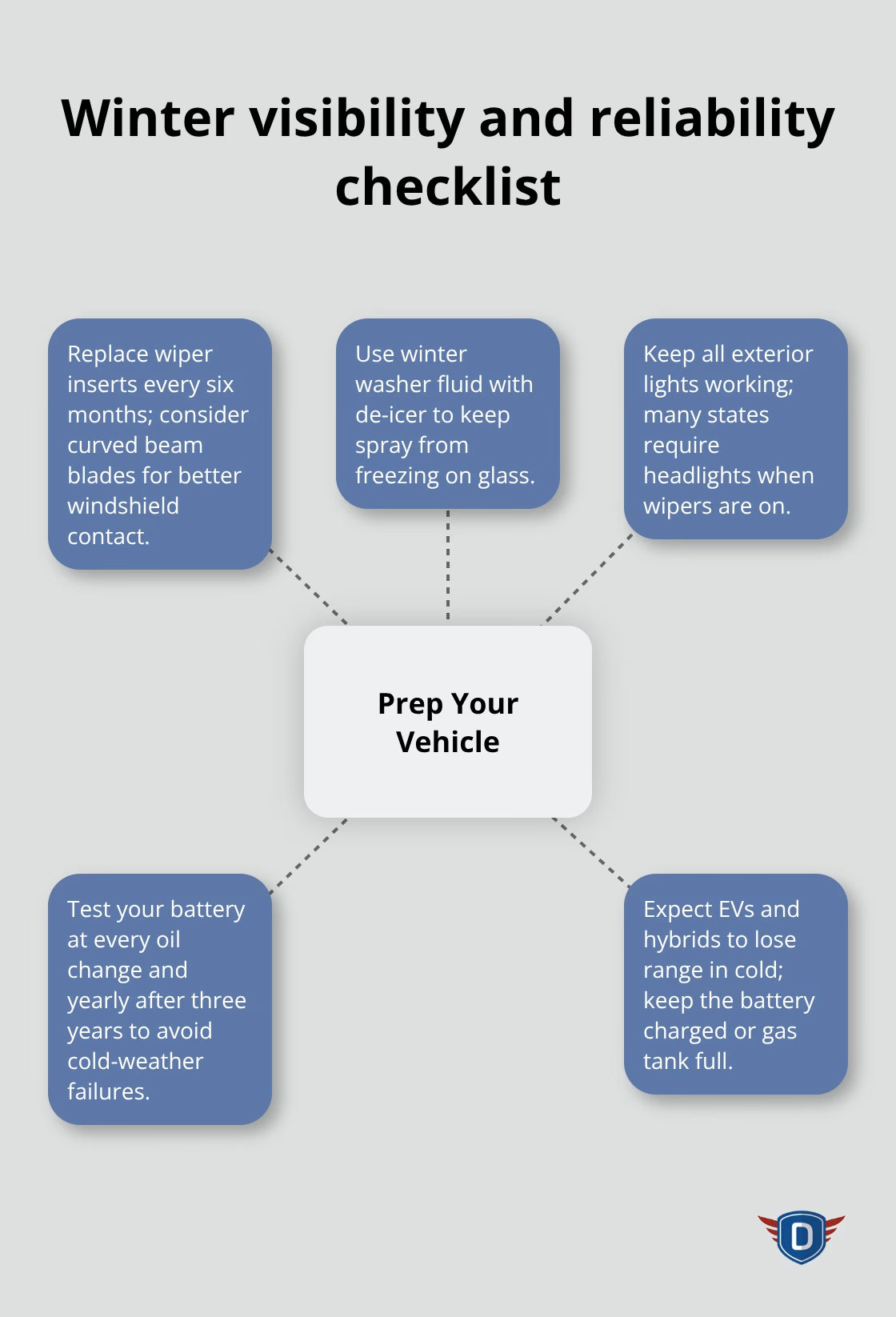
Windshield wipers that streak or fail to clear glass in a single swipe waste your reaction time in the moments when you need it most. Replace wiper inserts every six months and consider curved beam blades for better contact with curved windshields. Winter windshield washer fluid with de-icer prevents the fluid from freezing on your glass, while standard fluid turns to ice in cold conditions.
All exterior lights-headlights, taillights, brake lights, and turn signals-must function because wet and snowy conditions demand that other drivers see you clearly; many states require headlights whenever wipers are in use, a rule that reflects the visibility crisis rain creates. Your battery loses power in cold weather, so have it tested at every oil change and annually after three years. Electric and hybrid vehicles lose driving range in winter, sometimes dramatically, so keep the battery charged or gas tank full to maintain mobility when weather traps you.
These hazards compound when you fail to prepare your vehicle properly. The next section shows you exactly how to adjust your defensive driving techniques to counteract what severe weather throws at you.
How to Adjust Your Driving for Severe Weather
Severe weather demands that you abandon normal driving habits entirely. Speed and following distance are your primary defenses, yet most drivers treat them as minor adjustments rather than critical survival tools. The National Highway Traffic Safety Administration states that speed reduction on slick or snow-covered surfaces is essential because your vehicle becomes exponentially harder to control and stop. This isn’t a suggestion to reduce speed by five miles per hour-it means cutting your speed dramatically based on conditions. On wet pavement, even new tires lose road contact at speeds as low as 35 miles per hour, a fact that should terrify any driver cruising at highway speeds through heavy rain. When rain begins, oils on the road surface make pavement slicker than it appears, so ease off the accelerator immediately rather than waiting for obvious flooding. In snow and ice, straighten your wheels before accelerating if you get stuck, then accelerate slowly to avoid spinning tires-rapid wheel spin digs you deeper into trouble.
Expand Your Following Distance Dramatically
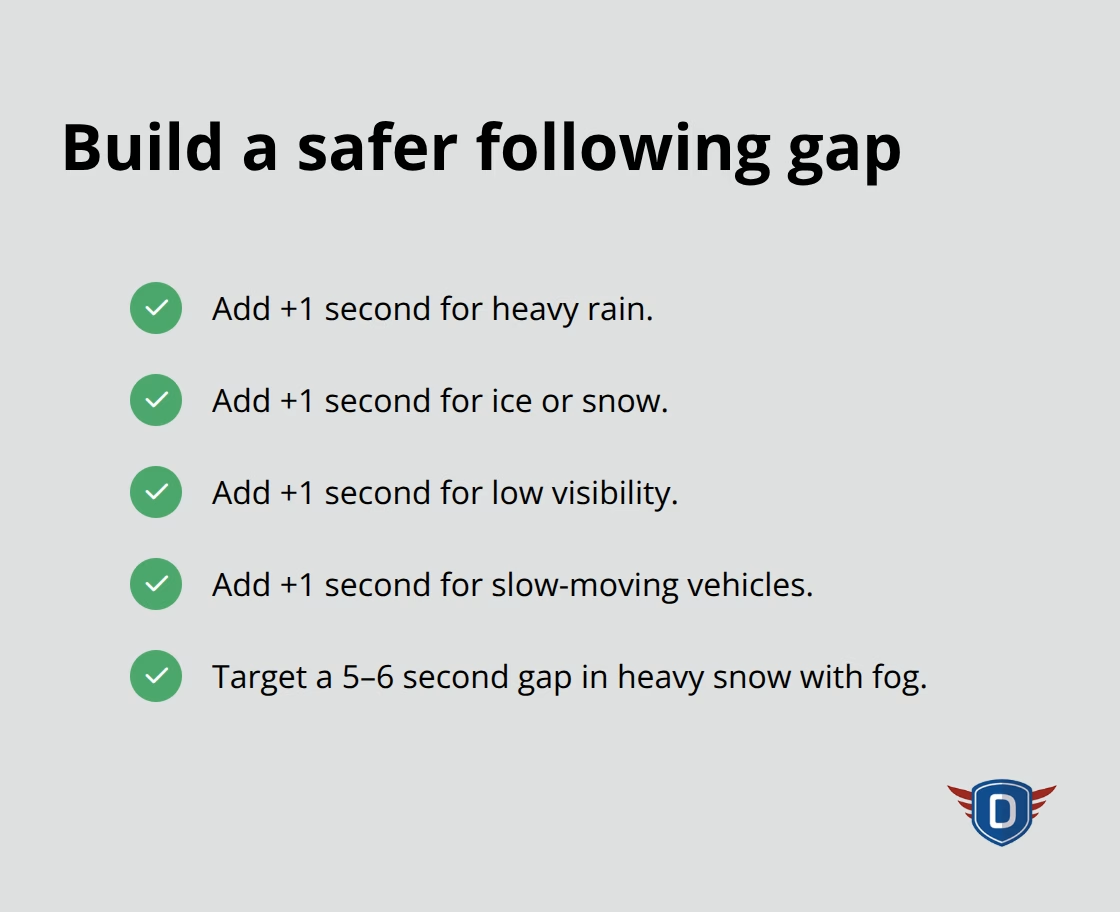
Following distance becomes your reaction buffer, and in severe weather it must expand dramatically. Add approximately one second to your following distance for each hazard present: heavy rain adds one second, ice or snow adds another, low visibility adds another, and slow-moving vehicles add yet another. This means in heavy snow with fog, you might need a five or six-second gap between your bumper and the vehicle ahead, a distance most drivers find unacceptably large until they watch another car hydroplane into stopped traffic.
Master Anti-Lock Brakes and Traction Control
Anti-lock brakes changed everything about winter driving, yet countless drivers still pump brakes instinctively, negating the technology’s benefits. If your vehicle has ABS, apply constant, firm pressure to the brake pedal and let the system pulse automatically-your foot should never leave the pedal or reduce pressure. If you lack ABS, you must understand whether your vehicle requires brake pumping to avoid wheel lock-up, information found in your owner’s manual, not guessed at during emergencies. On snowy or icy surfaces, avoid floor braking entirely because locking wheels causes skids that spin your vehicle sideways, eliminating steering control. Electronic Stability Control works alongside your braking inputs to prevent skids, but it cannot overcome physics-all-wheel drive and four-wheel drive provide no safety advantage on ice compared to front-wheel drive vehicles, a misconception that kills overconfident drivers regularly.
Recover from Skids Without Panic
If you start to skid regardless of precautions, do not panic and do not slam harder on brakes. Look and steer in the direction you want the vehicle to go, then brake gently if needed, then accelerate gradually to regain traction. Panic braking during a skid guarantees loss of control.
Position Your Vehicle for Maximum Traction and Visibility
Wet roads have better traction in the tire tracks of the vehicle ahead of you because those tracks displace standing water, so position your vehicle deliberately in those grooves rather than between them. In heavy snow, following large trucks helps you navigate difficult sections because they break trail and their higher vantage point lets you see hazards ahead. Bridges and overpasses freeze before surrounding road surfaces, so treat these sections with heightened caution even when surrounding pavement appears normal. Never crowd snow plows-they travel slowly, make wide turns, and exit the road frequently, and passing them in winter conditions nearly always ends badly. Stay far behind plows and use extreme caution if you pass, waiting for clear visibility and completely dry pavement before attempting to move ahead. In fog, low-beam headlights and fog lights improve your visibility and help others see you, while high beams reflect off fog and blind you further. If visibility deteriorates so severely that your windshield wipers cannot keep up with rain, pull over safely away from traffic, turn on hazard lights, and wait for conditions to improve rather than continuing at reduced speed where rear-end collisions become likely.
These technique adjustments form your foundation, but they only work when you understand the specific hazards waiting in different weather scenarios. The next section walks you through real-world situations where these techniques save lives.
Real-World Scenarios That Test Your Defenses
Hydroplaning: When Water Lifts Your Tires Off the Road
Hydroplaning strikes without warning because it happens at speeds you think are safe. When your tires lose contact with the road and instead glide on a thin film of water, all steering and braking control disappears. As little as 1/12 inch of water requires your tires to displace a gallon of water per second-a physical impossibility at highway speeds. The moment your steering wheel goes light or your vehicle drifts sideways despite your hands gripping the wheel, hydroplaning has begun.
Do not panic and do not slam brakes because braking worsens the skid. Instead, ease off the accelerator and steer in the direction you want the vehicle to go, allowing your tires to regain contact with pavement as water clears. Prevention beats recovery every time, so slow down when rain begins because oils on the road make surfaces slicker than they appear. Wet pavement contributes to nearly 1.2 million traffic crashes annually, and most occur at speeds drivers consider normal for conditions.
On wet roads, even new tires lose contact at speeds as low as 35 miles per hour-a threshold most drivers never reach in their minds. Increase your following distance by one second for every hazard present, meaning heavy rain demands a three or four-second gap between your bumper and the vehicle ahead.
Black Ice and Winter Conditions: Invisible Threats on Bridges and Overpasses
Black ice and winter conditions demand different respect because you cannot see the hazard until your wheels betray you. Bridges and overpasses freeze first because cold air circulates beneath them, creating ice where surrounding pavement remains bare. Treat these sections with heightened caution even when the road appears normal, and never assume your vehicle’s traction control will save you because no technology overcomes physics.
If you get stuck in snow, straighten your wheels and accelerate slowly to avoid spinning tires that dig deeper into trouble. Do not crowd snow plows because they travel slowly, make wide turns, and exit frequently-passing them in winter nearly always ends badly. Stay far behind plows and wait for clear visibility and completely dry pavement before attempting to move ahead.
Crosswinds and Visibility Loss: Compounding Dangers
Crosswinds and visibility loss compound these dangers because strong gusts veer trucks and trailers out of their lanes, forcing you into unexpected paths. In fog, use low-beam headlights and fog lights because high beams reflect off fog and blind you further. If visibility deteriorates so severely that your windshield wipers cannot keep up with rain, pull over safely away from traffic, turn on hazard lights, and wait rather than continuing where rear-end collisions become likely.
Final Thoughts
Severe weather driving skills separate drivers who arrive safely from those who become statistics. The techniques in this guide work because they respect physics rather than fight it. Slowing down, expanding following distance, maintaining your vehicle, and positioning strategically give you the margin needed when conditions deteriorate. These aren’t optional refinements-they’re the foundation of survival on wet, icy, and foggy roads.
Preparation matters as much as technique. Before winter arrives, check your tire tread with the quarter test, verify your battery can handle cold temperatures, and replace worn wiper blades. Stock your vehicle with jumper cables, a flashlight, blankets, and an ice scraper. Keep your gas tank near full so you maintain mobility if weather traps you.
Practice these techniques before you need them in an empty parking lot after rain or light snow, where you can practice gentle braking, smooth steering inputs, and recovery from skids at low speeds. We at floridadetscourse.com believe that safe driving starts with education and continues through practice, which is why our comprehensive driver education programs teach the defensive techniques that work in real conditions. Visit floridadetscourse.com to explore courses designed to make you a safer, more responsible driver.