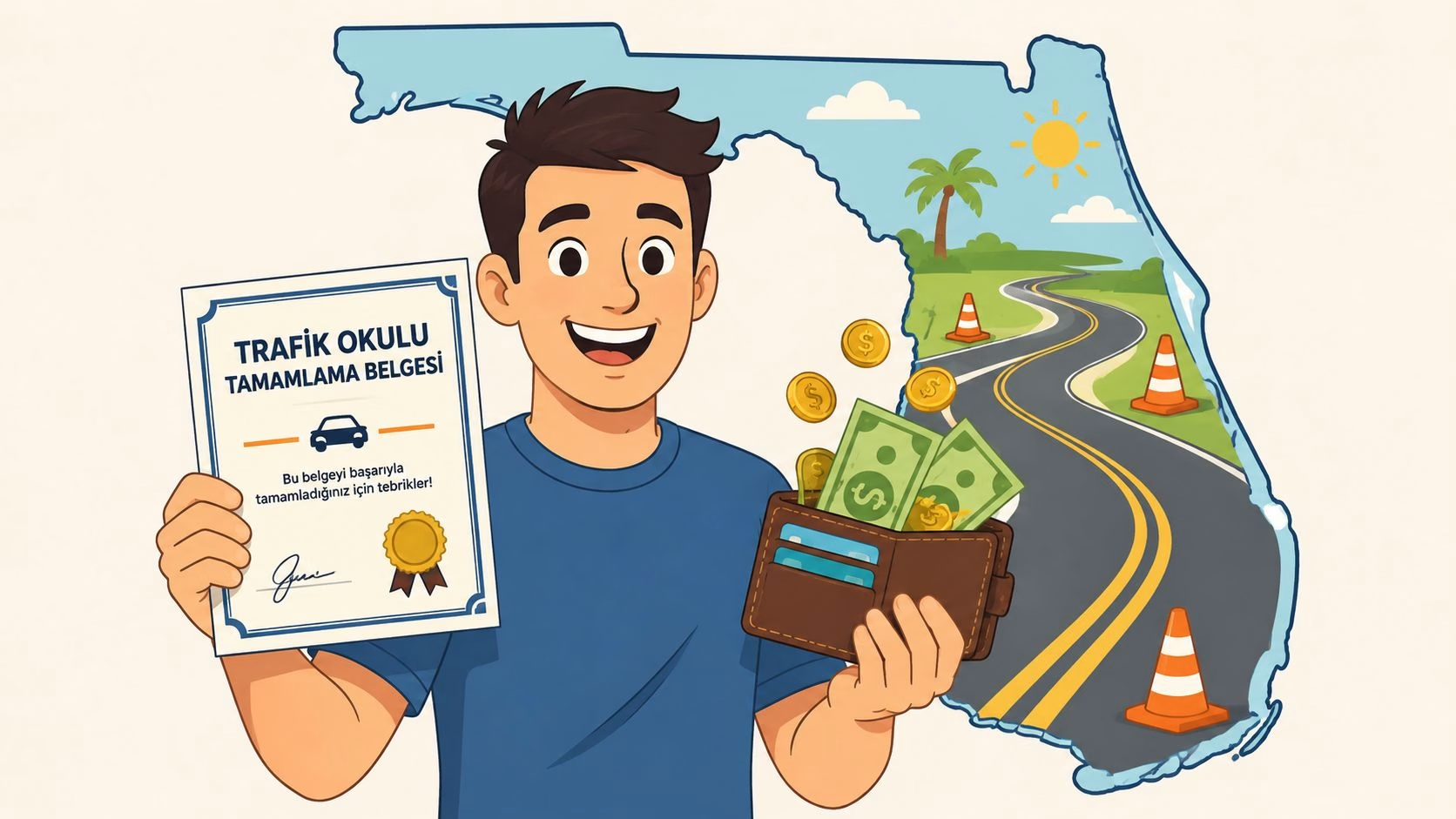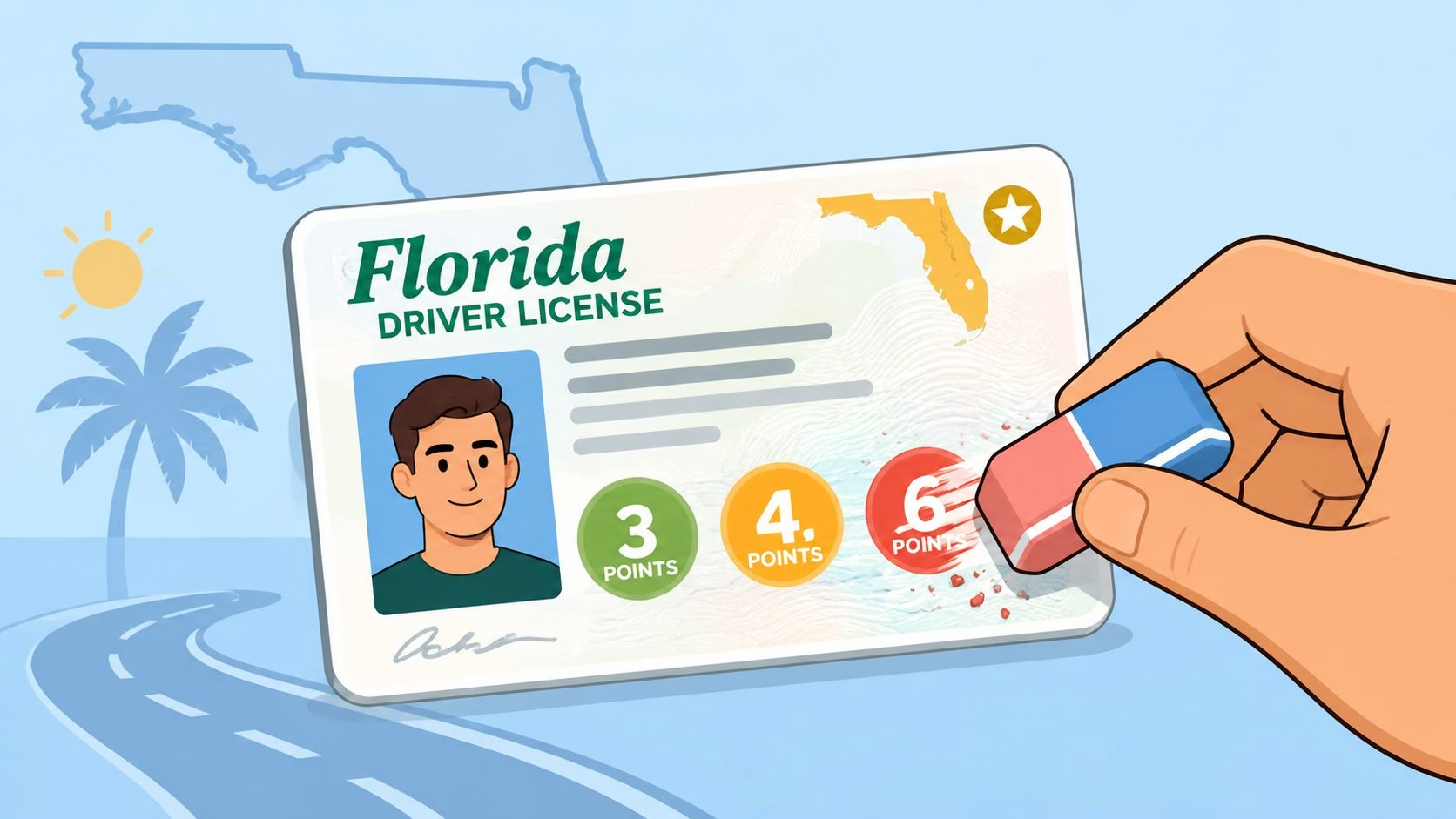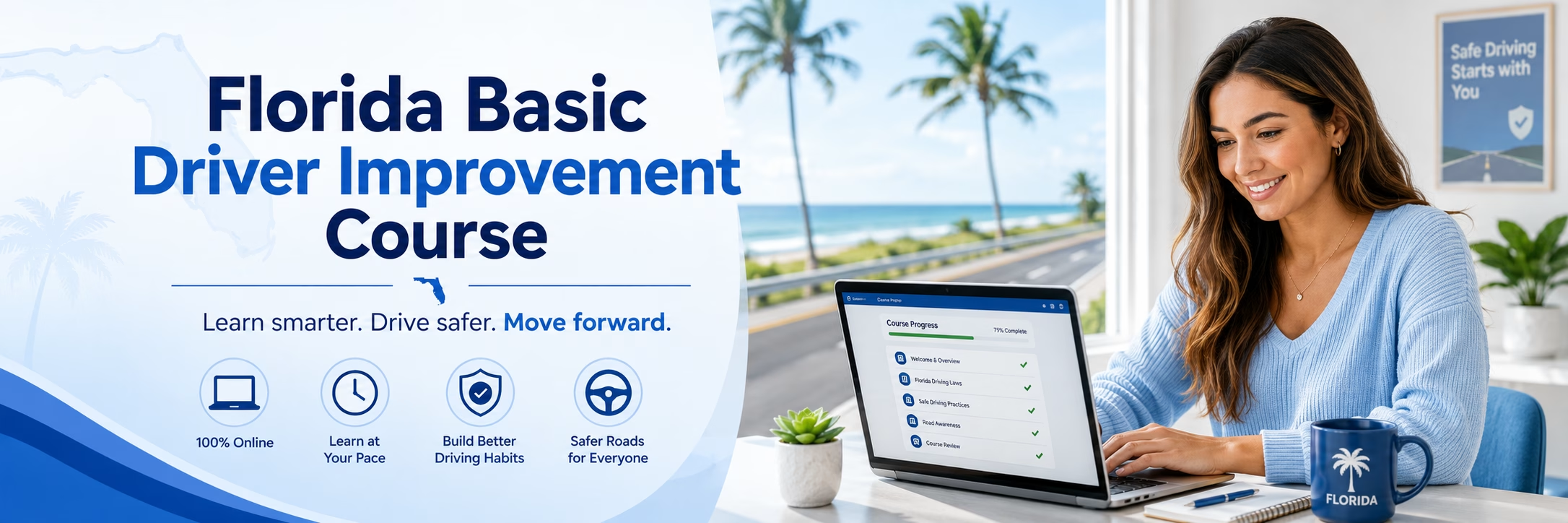

A missed deadline, a pending license application, or an insurance renewal can turn driving courses into an urgent task. The right course should do more than fit your schedule. It should meet the specific requirement from your state, court, DMV, insurance company, or licensing program – while giving you practical information you can use behind the wheel.
Online driver education makes that process more manageable. You can study when you have time, use a phone, tablet, or computer, and complete lessons at your own pace where permitted. But course approval, completion rules, and reporting procedures vary by state and program. Choosing carefully before you enroll helps prevent delays, duplicate work, and unexpected costs.
Start With the Requirement You Need to Meet
The first question is not, �What is the fastest course?� It is, �What course am I required to complete?� A traffic citation, first-time license application, insurance discount, and court order can each require a different type of education.
A Basic Driver Improvement course, for example, may be used by eligible drivers responding to certain traffic citations. A Traffic Law and Substance Abuse Education course may be part of the process for first-time Florida license applicants. Teen driver education, mature driver programs, aggressive driver courses, and wireless communications device courses all serve different purposes.
Read the notice you received from the court, DMV, clerk, insurer, or licensing agency. Look for the required course name, number of instructional hours, due date, approved-provider language, and submission instructions. If the notice is unclear, contact the issuing agency before enrolling. A provider cannot change a court deadline or substitute a course that the agency does not accept.
Approval Is Specific, Not General
�Approved� should always mean approved for your course type and location. A program may be accepted in one state but not another, or it may be approved for a particular purpose but not for every driver requirement.
Confirm that the course matches your state and your reason for taking it. This matters most when you are completing a court-ordered program, seeking ticket-related benefits, or satisfying a licensing condition. If your requirement names a specific course category, do not assume a general defensive driving class will qualify.
Compare Driving Courses by What Affects Completion
Once you know the required course, compare providers based on the details that affect whether you can finish on time and submit proof correctly. Price matters, but the lowest listed price is not always the lowest total cost if additional fees appear later.
Look for transparent pricing, clear refund terms, and an explanation of what happens after completion. Some programs report completion electronically to the appropriate agency when allowed. Others provide a certificate that you must download, print, or submit yourself. Knowing the process in advance is especially useful when your deadline is close.
A reliable online course should also explain device access. Mobile-friendly coursework can help busy drivers make progress during breaks, evenings, or weekends. Still, some exams, identity checks, or certificate functions may work best on a computer. Check technical requirements before starting rather than waiting until the final lesson.
Consider these practical questions before enrollment:
- Is this course approved for my state, county, court, or insurance purpose?
- Does the provider clearly state the total price and any certificate or reporting fees?
- Can I pause and return to the course without losing progress?
- How is completion reported or documented?
- Is customer support available if I have a login, certificate, or course requirement question?
These points are not minor conveniences. They can determine whether an online course saves time or creates another administrative problem.
Choose the Course Type That Fits Your Situation
First-Time Drivers and Teens
New drivers need instruction that supports license eligibility and safer decision-making. Depending on the state, this may include a required driver education program, traffic law and substance abuse training, behind-the-wheel instruction, or supervised practice hours.
Online coursework can cover traffic laws, right-of-way rules, sharing the road, impairment, distracted driving, and defensive driving habits. It does not necessarily replace every in-car or parent-supervised requirement. Check your state licensing rules to understand what the online portion covers and what must be completed separately.
Drivers Handling a Ticket or Court Requirement
If you received a citation, timing and eligibility are central. Some jurisdictions allow eligible drivers to complete a driver improvement course to meet a court or traffic-school requirement. Others require enrollment by a particular date, payment of fines first, or prior court approval.
Do not wait until the final day to begin. Even a self-paced course may have required instructional time, quizzes, identity verification, or a final exam. Give yourself enough time to complete the program and handle any certificate submission steps.
Mature Drivers Seeking an Insurance Discount
Mature driver courses are often designed to refresh safe-driving knowledge and may qualify participants for insurance discounts under applicable state rules. The course can address changes in traffic conditions, defensive driving strategies, medication-related impairment, vision, reaction time, and vehicle safety technology.
Discount eligibility is determined by state law and the insurance company. Before enrolling, ask your insurer whether it recognizes the specific course, how much the discount may be, and how long it remains valid. Keep your completion certificate for your records.
Drivers Assigned Specialized Improvement Training
Intermediate, aggressive driver, or wireless communications device programs are typically more focused. They may address patterns of risky behavior, repeat violations, distracted driving, or court-directed education.
These courses are not simply a way to check a box. Their value comes from connecting driving choices to real consequences: crashes, injuries, legal penalties, higher insurance costs, and the loss of driving privileges. A well-designed course gives drivers clear strategies for recognizing risky decisions before they become habits.
Make Online Learning Work With a Busy Schedule
Self-paced does not mean effortless. The easiest way to finish an online course is to treat it like an appointment with a deadline, even when you can log in at any hour.
Start by calculating how many days you have before the requirement is due. Then set short, realistic study sessions. Thirty minutes after dinner or a longer weekend session is usually more sustainable than planning to complete everything in one sitting. Frequent sessions also make it easier to retain the material.
Study in a place where you can focus. Driver education includes details that matter in real situations, such as stopping distance, following distance, road signs, alcohol and drug impairment, and safe responses to aggressive drivers. Rushing through those sections may satisfy a requirement, but it reduces the safety benefit you should receive from the course.
Keep your enrollment confirmation, completion certificate, and any reporting notice in one place. If you need to provide proof to a court, employer, insurer, or state agency, submit it using the required method and keep a copy. Electronic reporting can be convenient, but you should still confirm that your record was received when a deadline or license action is involved.
Watch for These Common Enrollment Mistakes
The most common mistake is selecting a course based only on a familiar name or low price. Course titles can sound similar while serving different legal or licensing purposes. Verify the exact requirement first.
Another problem is assuming that completion automatically resolves a ticket or restores a license. A course may be only one step in a larger process that includes paying a fine, appearing in court, submitting forms, or meeting reinstatement conditions. Follow every instruction in your notice.
Finally, do not overlook eligibility rules. A driver may be eligible for a particular option only once within a set time period, only for certain violations, or only with approval from an agency. When the requirement is tied to a legal matter, accurate information is more valuable than a quick assumption.
FAQ About Driving Courses
What are driving courses?
Driving courses are educational programs that teach traffic laws, safe driving practices, and responsible road behavior. They may satisfy licensing, court, DMV, or insurance requirements depending on the course and state.
Are online driving courses accepted by courts and DMVs?
Some are, but acceptance depends on the specific course, state, court, and purpose. Verify approval for your requirement before enrolling.
How long do driving courses take?
Course length depends on the program and state rules. Required instructional hours cannot usually be skipped, even when the course is self-paced.
Can I take a driving course on my phone?
Many online programs offer mobile access. Check the provider’s device requirements because final exams, identity checks, or certificate downloads may require a different device.
Will a driving course remove a ticket from my record?
It may help eligible drivers meet certain ticket-related requirements, but results depend on local rules and your case. A course does not automatically erase a violation or cancel fines.
Do I need to submit my certificate after I finish?
Sometimes. Some providers report completion electronically, while other programs require you to submit the certificate yourself. Follow the instructions from the court, DMV, or insurer.
Choosing an approved course early gives you time to learn, complete every required step, and protect your driving record or license application from avoidable delays. When the requirement is clear and the provider explains the process plainly, meeting it can be one less thing competing for your time.