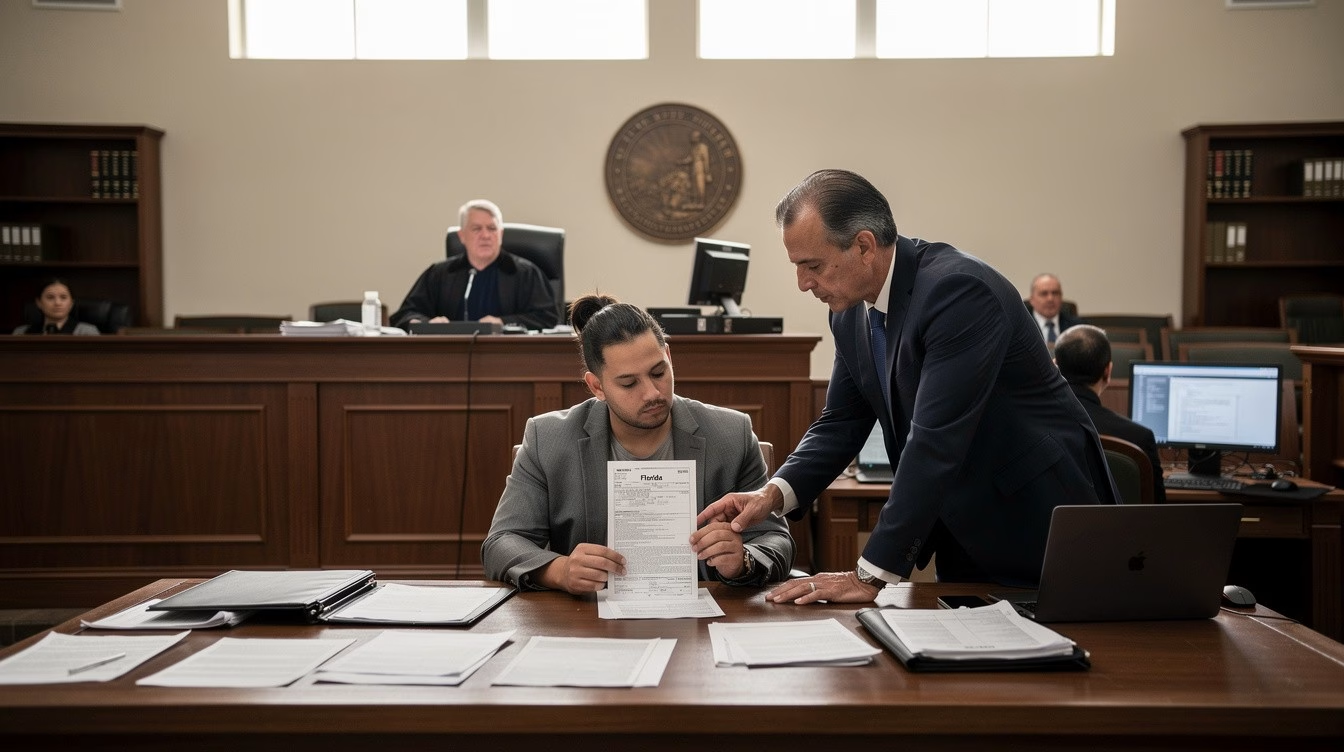
Getting a traffic ticket in Florida doesn’t mean you’re out of options. You have the right to contest it in court, and understanding the process gives you a real shot at a favorable outcome.
At floridadetscourse.com, we’ve put together this guide to walk you through every step of a Florida citation appeal. From gathering evidence to cross-examining the officer, you’ll learn the tactics that actually work.
What Traffic Violations Actually Mean for Your Florida Driving Record
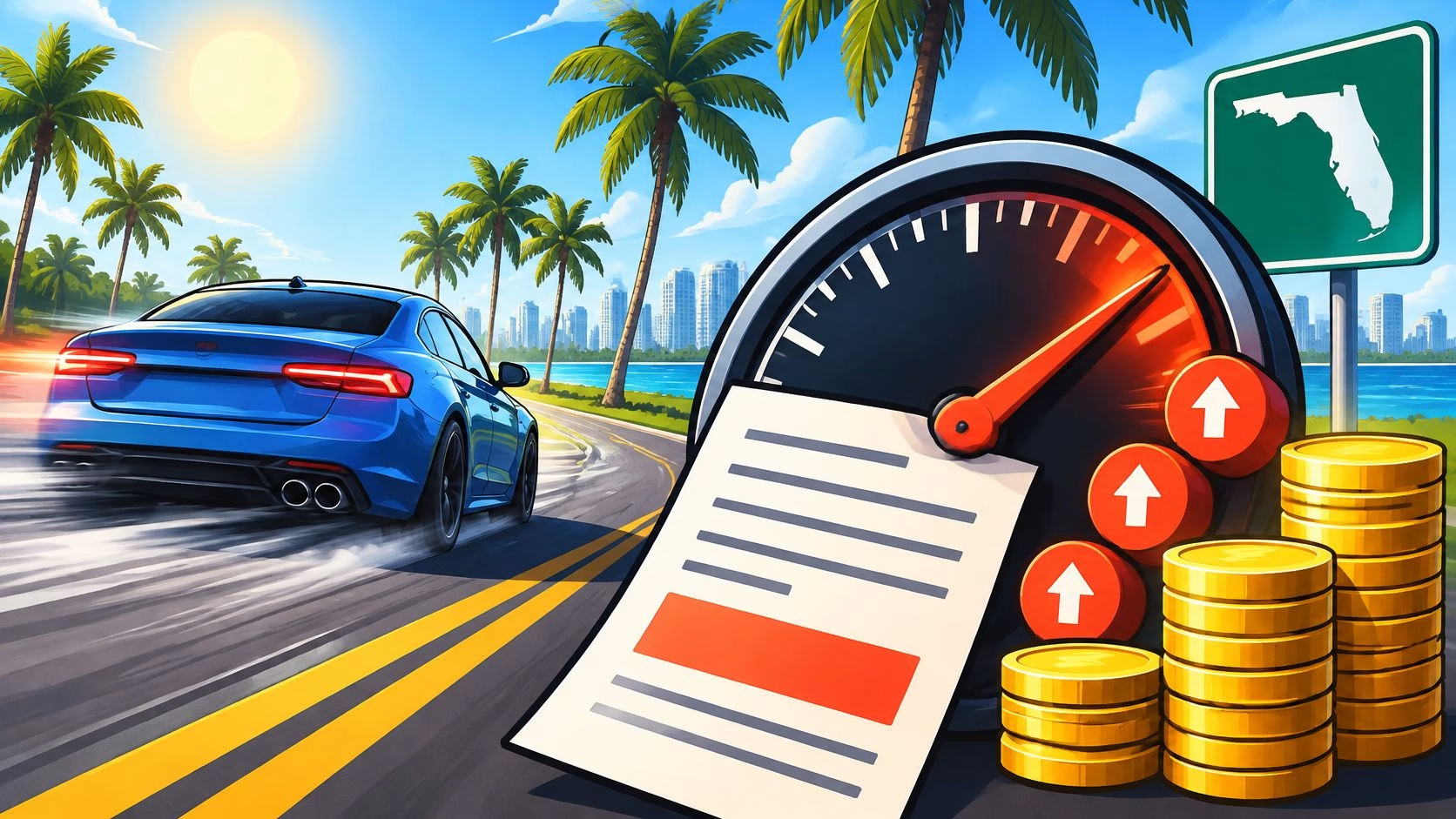
Florida classifies traffic violations into two categories that determine everything about your case’s outcome. Moving violations like speeding, running a red light, or improper lane changes land points on your driving record and trigger insurance increases. A single moving violation adds three points to your record in Florida, and accumulating 12 points within 12 months results in a 30-day license suspension. Non-moving violations such as broken equipment or expired tags carry fines but no points, making them far less damaging to your long-term costs. One speeding ticket increases your auto insurance premiums by roughly $39 per month for three years, meaning a $170 ticket costs you an additional $1,404 in premiums alone.
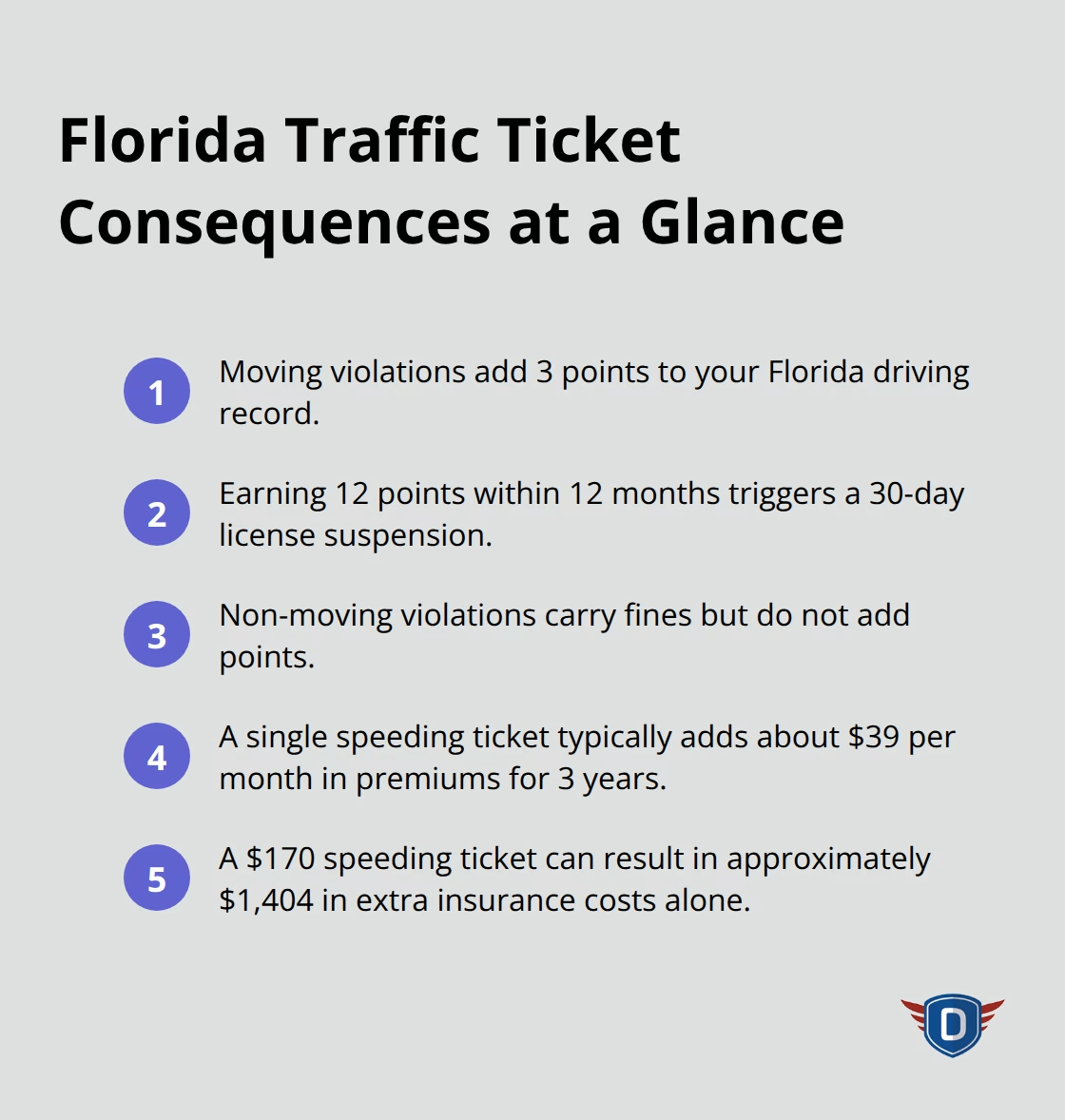
This financial reality is why so many drivers fight tickets rather than simply pay them.
Grounds That Actually Give You a Winning Chance
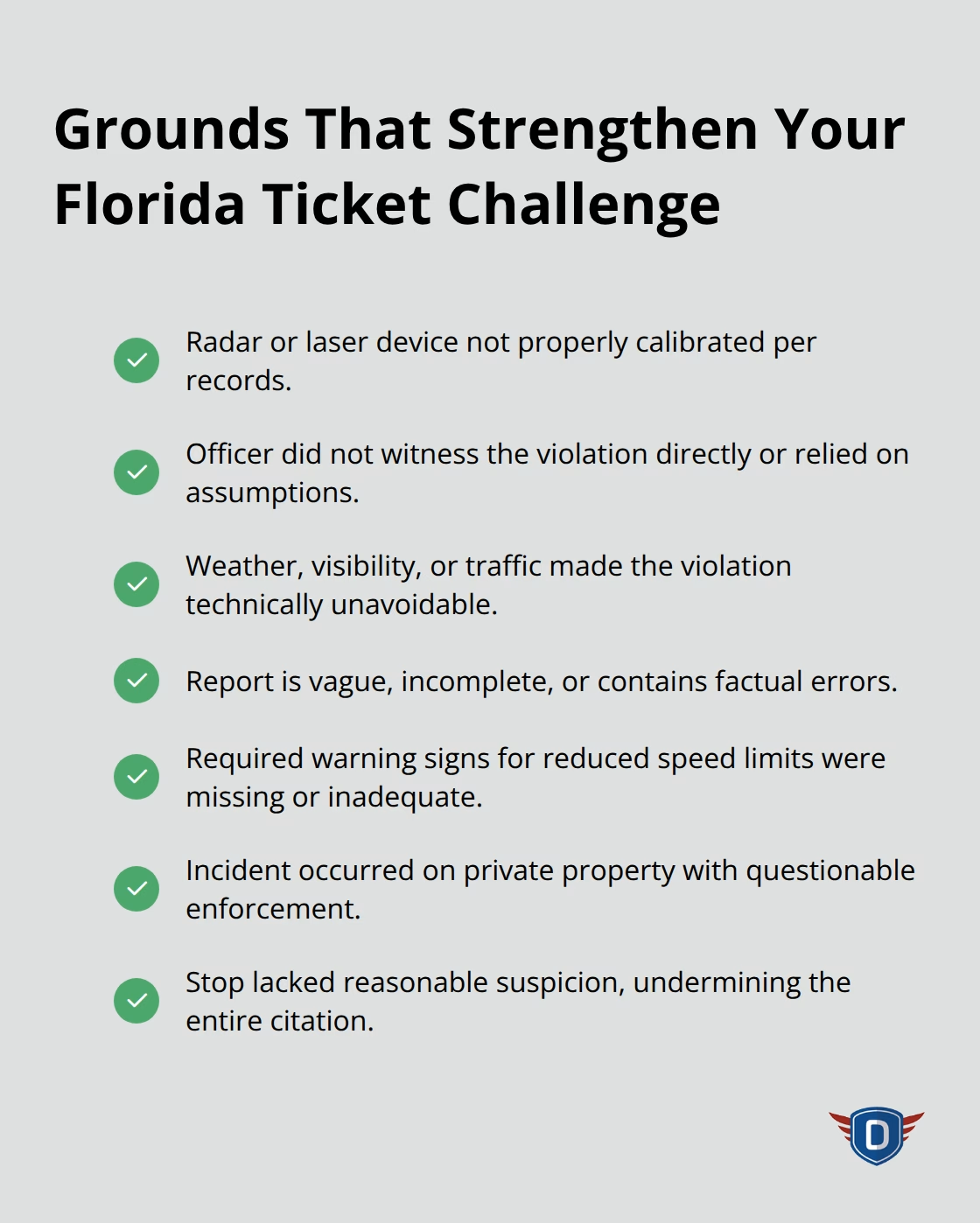
Not every ticket is worth challenging, but specific weaknesses in the officer’s case make your defense viable. If the officer’s radar or laser gun wasn’t properly calibrated, you have grounds to contest the speed reading. If the officer didn’t witness the violation directly or made assumptions about what happened, that’s a procedural flaw you can exploit. Weather conditions, road visibility, or traffic patterns that made the violation technically unavoidable also strengthen your position.
The officer’s report must contain exact details: the location, time, weather, and your vehicle description. Missing or vague details suggest a rushed citation that won’t hold up under questioning. You also have legitimate grounds if the officer failed to provide proper warning signs on roads with reduced speed limits or if the violation occurred on private property where enforcement was questionable. Florida law requires officers to have reasonable suspicion before initiating a traffic stop, so if the officer’s basis for stopping you was weak, the entire ticket becomes challengeable.
How Florida’s Court Process Actually Works
Florida traffic violations are handled in county court, and the process moves faster than most people expect. You have the right to request discovery, meaning the state must provide the officer’s report, dash camera footage if available, and radar calibration records before your hearing. Filing a discovery request costs nothing and gives you important information to build your defense.
Your hearing happens before a judge, not a jury, and the burden falls on the state to prove guilt beyond reasonable doubt. Most judges in Florida handle dozens of traffic cases daily, so they respect organized, factual presentations over emotional arguments. If you can’t attend court in person, you have the right to appear by phone in many Florida counties, though checking your specific county’s rules matters.
The Officer’s Testimony and Automatic Dismissals
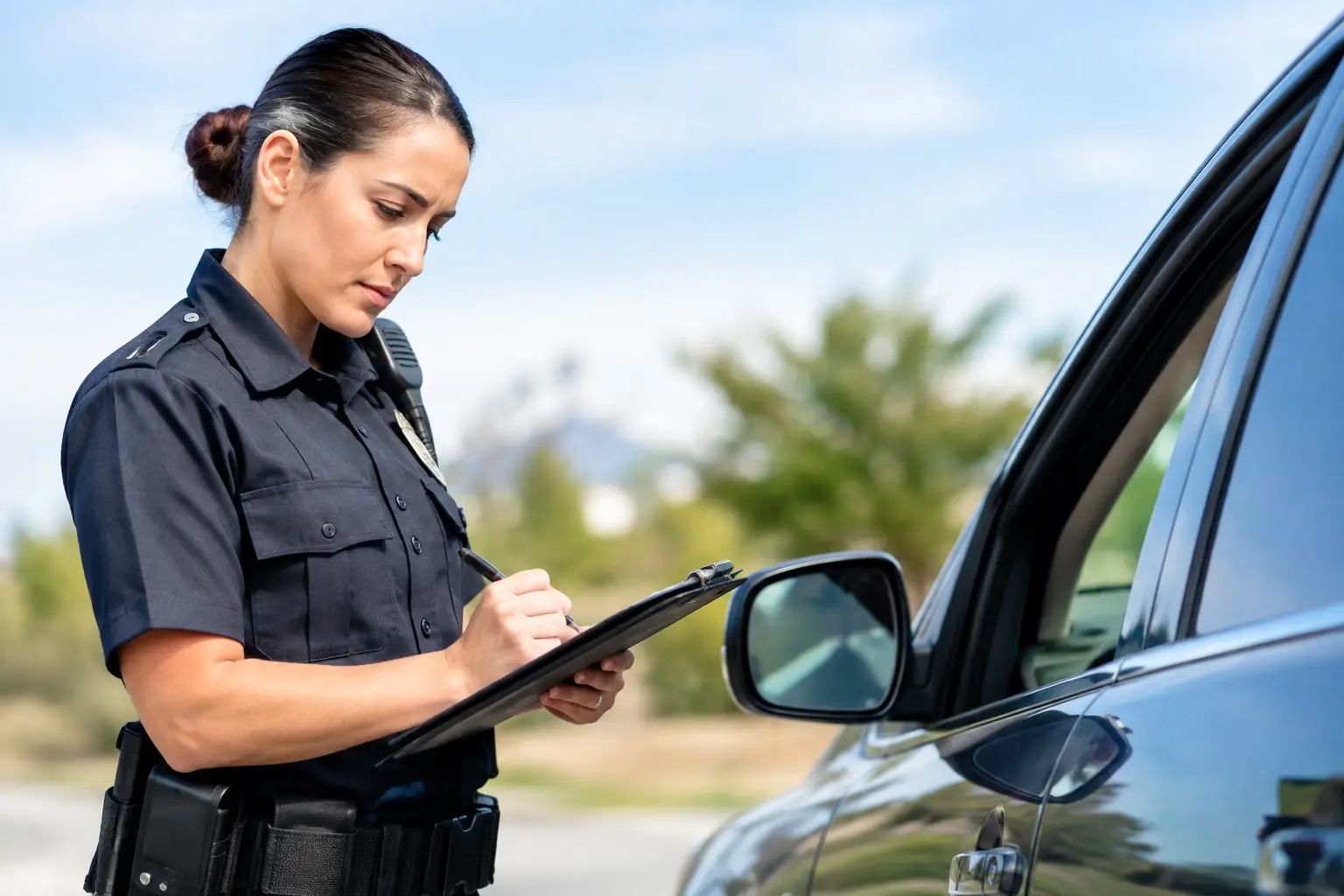
The state must prove the officer had probable cause for the stop and that the violation actually occurred, so cross-examination of the officer is your primary tool. Many drivers miss the critical detail that the officer must appear in person to testify; if they don’t show up, the case gets dismissed automatically. You can also request continuances if you need more time to gather evidence, though judges typically grant only one or two before expecting you to proceed. With these procedural rules in your favor, you’re ready to prepare your actual defense strategy.
Building Your Case Before Court
Your defense strategy starts weeks before you walk into the courtroom, and the difference between winning and losing often comes down to preparation. The state must prove guilt beyond reasonable doubt, which means you hunt for gaps in their evidence, inconsistencies in the officer’s report, and procedural errors that undermine their case. Start by obtaining the officer’s written report immediately after your ticket is issued; this document contains the foundation of everything the state will present against you. Request this through discovery, which costs nothing and is your legal right in Florida.
Securing the Officer’s Report and Initial Evidence
The report should include the exact time, location, weather conditions, traffic patterns, your vehicle description, and how the officer measured the violation. If the report is vague, incomplete, or contains obvious errors like wrong vehicle color or mismatched timestamps, those weaknesses become your ammunition in court. Request these materials at least two weeks before your court date; if the state claims they don’t have them, that delay itself can become grounds for a continuance or dismissal.
Gathering Documentation That Supports Your Defense
Gather documentation that supports your defense before the hearing date. If you were cited for speeding, photograph the road conditions, visibility, and signage from the exact location where you received the ticket, ideally at the same time of day and weather conditions. For radar or laser speed measurements, request calibration records for the officer’s equipment through discovery; Florida law requires these devices to be calibrated regularly, and missing or outdated calibration documents can invalidate the speed reading entirely.
Collecting Records and Video Evidence
Pull your maintenance records if the violation involved equipment issues, proving you corrected the problem or that the officer’s observation was wrong. Dash camera footage from your vehicle or nearby businesses can contradict the officer’s account of what happened. The discovery process also gives you access to any video from the officer’s patrol car or body camera, which often reveals details that don’t match the written report. Most officers write citations quickly and rely on memory when creating reports, so discrepancies between what they wrote and what the video shows are common.
Organizing Your Evidence for Court
Document everything you find, create a timeline of events, and organize your evidence in a clear folder or digital file that you can reference quickly during the hearing. The more thorough your preparation, the more confident you’ll appear to the judge, and judges notice when a driver has done their homework. With your evidence organized and your weaknesses identified in the state’s case, you’re ready to understand how the officer’s testimony will be challenged and what procedural rules work in your favor during the actual hearing.
How to Win in the Courtroom
Preparing Yourself for the Judge’s Expectations
Walk into Florida traffic court expecting the judge to be skeptical of both sides equally. Judges hear dozens of cases daily and respect drivers who present facts clearly without emotion or excuses. Arrive at least 30 minutes early, dress professionally, and bring all your evidence organized in a folder or binder the judge can easily reference.
The courtroom layout matters more than most drivers realize. Stand when addressed, make eye contact with the judge, and speak clearly without mumbling or rushing through your words. Your demeanor signals whether you take the case seriously.
Understanding the State’s Case Presentation
The state’s prosecutor presents first, calling the officer to testify about the violation. Your job during this phase is to listen carefully for contradictions between what the officer says verbally and what appears in the written report or any video evidence. If the officer claims they were 50 feet away when they measured your speed but the radar device’s effective range at that distance creates accuracy problems, that detail becomes your opening.
Many officers testify from muscle memory rather than the specific details of your case, so inconsistencies appear frequently when you listen actively. The judge will ask if you have questions for the officer before you present your defense, and this is where your preparation pays off completely.
Cross-Examining the Officer Effectively
Cross-examination requires precision, not aggression. Ask specific questions with yes or no answers rather than open-ended questions that let the officer explain away problems. If the officer claims they used radar, ask whether the device was calibrated on the specific date of your citation, whether they checked it before and after your stop, and what the calibration records show.
Ask about road conditions: were there overhead power lines that could interfere with radar accuracy, was there rain or fog, were there other vehicles nearby that might have triggered the reading instead of yours? Ask about the officer’s position: could they see your vehicle clearly, were they moving or stationary when measuring your speed, and did they follow standard procedures from their department’s manual?
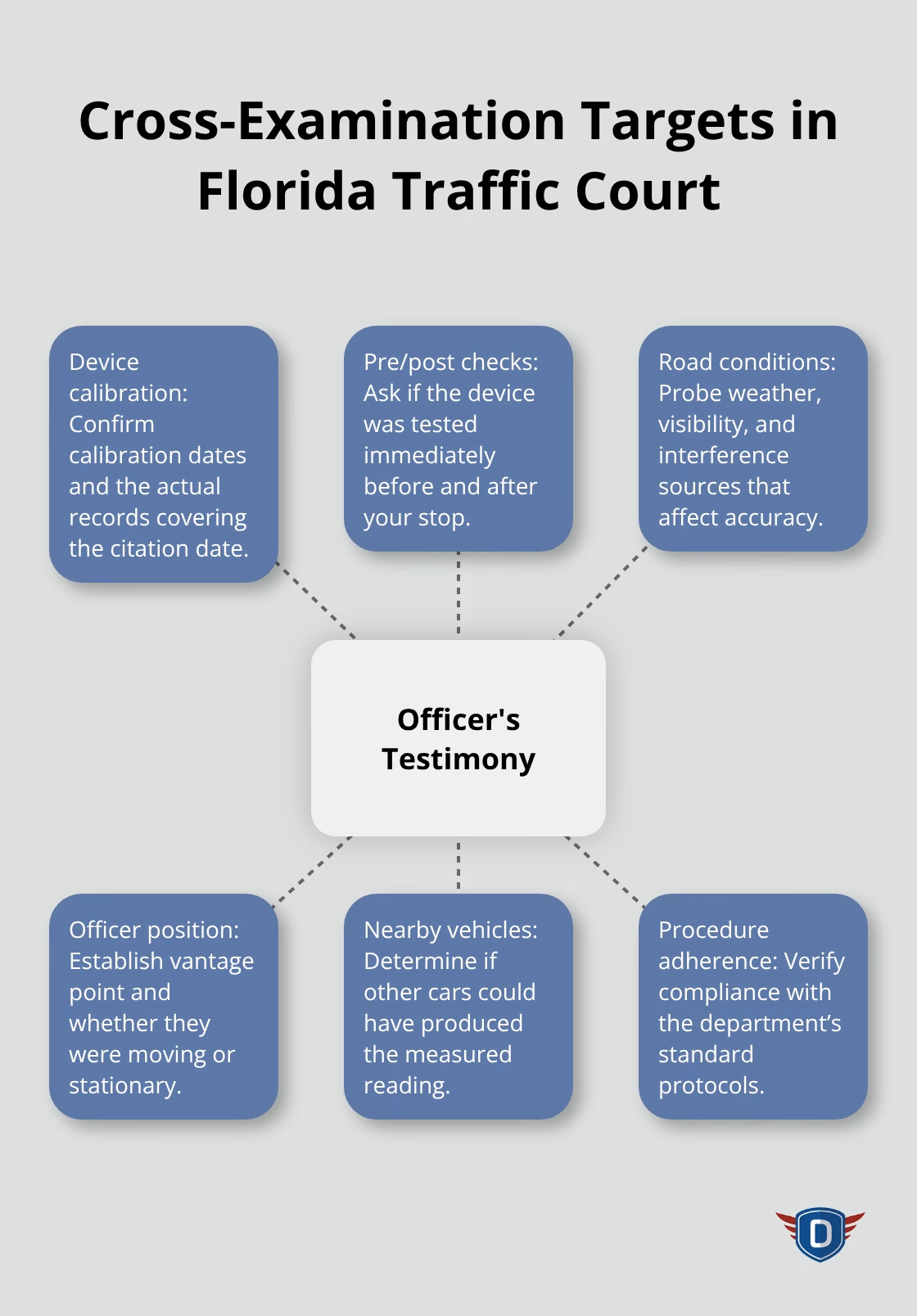
Radar devices can produce false readings when multiple vehicles are present, so asking the officer to confirm no other vehicles were near you during the measurement directly challenges the reading’s validity. When the officer cannot answer a question with certainty or admits they did not follow standard procedures, the judge hears this directly.
Never argue with the officer or make accusations; instead, ask factual questions that highlight gaps in their testimony. If the officer admits the radar gun was not calibrated within the required timeframe or that they did not verify the reading before issuing the citation, you have already won that portion of your defense.
Presenting Your Evidence to the Judge
After the officer finishes testifying, present your evidence to the judge: the calibration records showing problems, photographs of the location showing visibility issues, or dash camera footage that contradicts the officer’s account. Speak directly to the judge, explain what each piece of evidence shows, and connect it back to reasonable doubt about whether the violation actually occurred as cited.
Final Thoughts
Challenging your traffic ticket in Florida requires solid evidence, identification of weaknesses in the officer’s case, and clear presentation of your findings to the judge. Florida law demands the state prove guilt beyond reasonable doubt, and most officers’ reports contain gaps you can exploit through discovery requests and careful cross-examination. If you’ve followed the steps in this guide, you’ve already built a stronger position than most drivers who simply pay their tickets.
Not every driver has the time or confidence to handle a Florida citation appeal alone, and hiring a traffic attorney becomes the smarter financial move when your ticket involves complex speed measurement equipment, multiple violations, or an already compromised driving record. An attorney costs $100�$200 typically, but that investment often prevents a $1,404 insurance increase over three years from a single speeding ticket. Many attorneys work on flat fees and handle everything without requiring you to appear in court.
After your case resolves, consider whether traffic school makes sense for your situation-our Florida-approved Basic Driver Improvement course helps drivers reduce points on their record and qualify for insurance discounts. The 4-hour program covers defensive driving techniques, safe following distances, and current Florida traffic laws, and you can complete the entire course online at your own pace.