New drivers often feel paralyzed by self-doubt the moment they get behind the wheel. The road feels unpredictable, mistakes feel catastrophic, and anxiety can make even simple drives feel overwhelming.
Driver confidence building isn’t about feeling fearless-it’s about developing real skills and mental toughness. At floridadetscourse.com, we’ve seen firsthand that confidence comes from structured practice, defensive driving knowledge, and a commitment to safety over ego.
Why New Drivers Struggle with Confidence
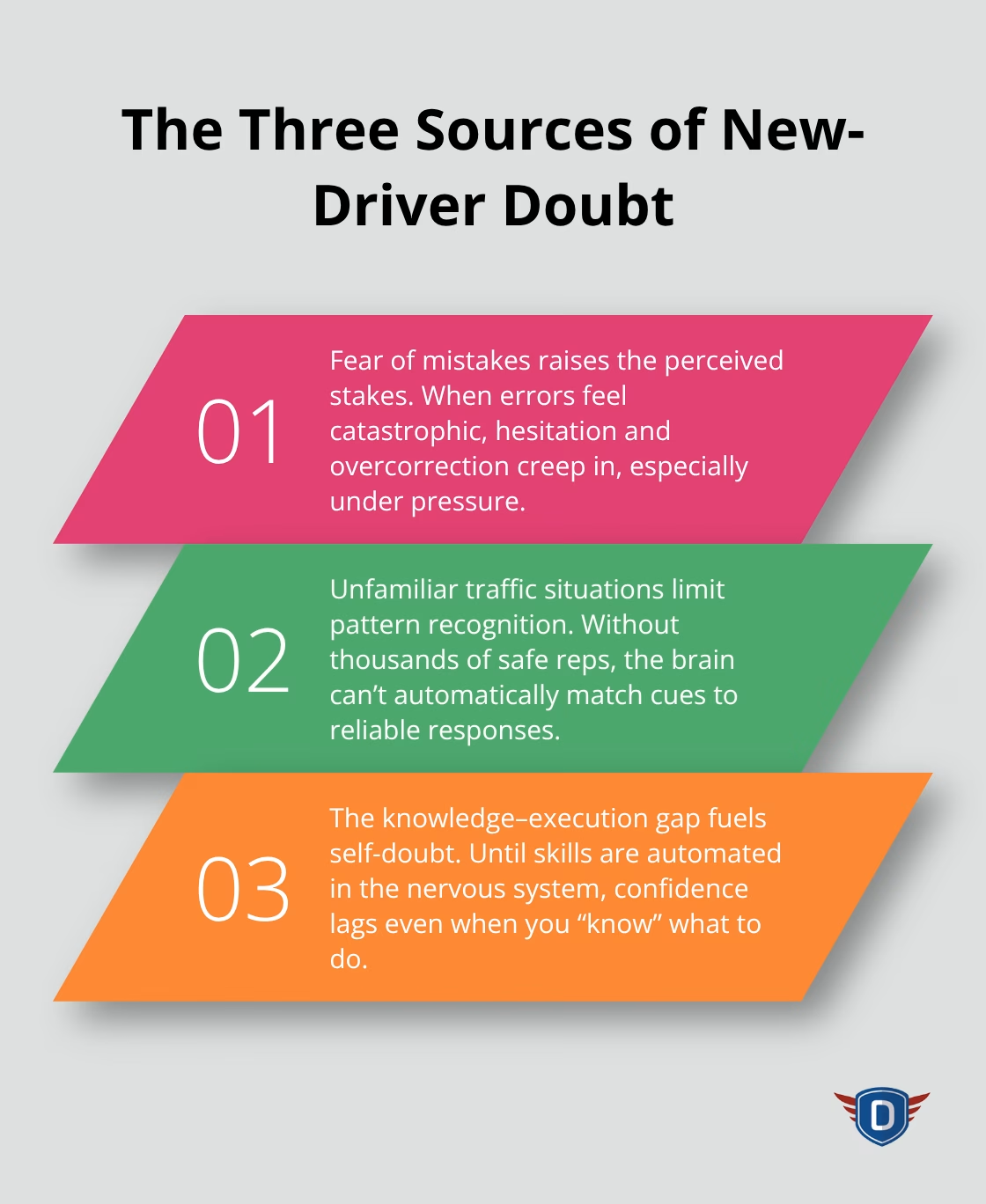
The Three Sources of Doubt
Lack of confidence in new drivers stems from three interconnected sources that feed each other. First, the fear of making mistakes intensifies because the stakes feel real-a wrong decision on the road can cause injury or property damage, which makes every maneuver feel high-pressure.
Anxiety Is Not Danger
The real problem is that new drivers often conflate anxiety with danger. A racing heart during highway merging doesn’t mean you’re unsafe-it means your body is in a heightened state of readiness. Research on confidence as a belief system shows that self-confidence can rise or fall within a single driving session, which means you can train it in real-time rather than waiting for personality change. Negative self-talk amplifies doubt significantly. The mistake many new drivers make is pushing themselves into high-traffic situations before they’ve built foundational competence, which reinforces fear instead of erasing it.
Start Small and Build Momentum
Start with small, manageable goals-sit in the car for a few minutes, drive around the block, then take short trips on quiet roads during off-peak hours. These steps create a psychological foundation where each small win proves to your nervous system that control is possible. Anxiety is normal and manageable; what matters is addressing it systematically rather than hoping it disappears on its own. As you complete these early drives successfully, your brain begins to recognize patterns and develop the automatic responses that separate hesitant drivers from confident ones. This progression sets the stage for the next critical step: building the practical skills and mental resilience that transform anxiety into controlled, purposeful action on the road.
Building Practical Driving Skills Through Structured Learning
Transform Knowledge Into Automatic Responses
Confidence emerges from your nervous system processing thousands of safe, repetitive decisions until correct actions become automatic. The gap between knowing what to do and executing it under pressure traps most new drivers. Professional instruction closes that gap by providing specific techniques to drill, immediate feedback on execution, and a structured progression that builds competence before complexity. When you work with a certified instructor, you train your brain to recognize hazards ahead, maintain a three-second following distance without conscious effort, and make smooth steering inputs that feel natural rather than forced.
The Novice License stage offers a critical window for this transformation. Your job is to turn hesitant, conscious actions into ingrained safe habits that your body executes automatically. Start with foundational maneuvers on quiet roads during off-peak hours. Master smooth braking, controlled acceleration, and precise steering before moving to busier environments.
Dedicate Focused Practice to High-Impact Skills
Parking deserves dedicated practice sessions because specific, measurable goals boost confidence far more than vague practice. Set a target like parking within two centimeters of the curb on five consecutive attempts. Track your progress and celebrate small wins; this trains your brain to recognize improvement and reinforces the belief that control is achievable. Highway merging requires off-peak practice focused on acceleration, shoulder checks, and maintaining speed after you’ve merged. Rushing into peak-traffic merging before you’ve drilled this skill will reinforce anxiety instead of erasing it.
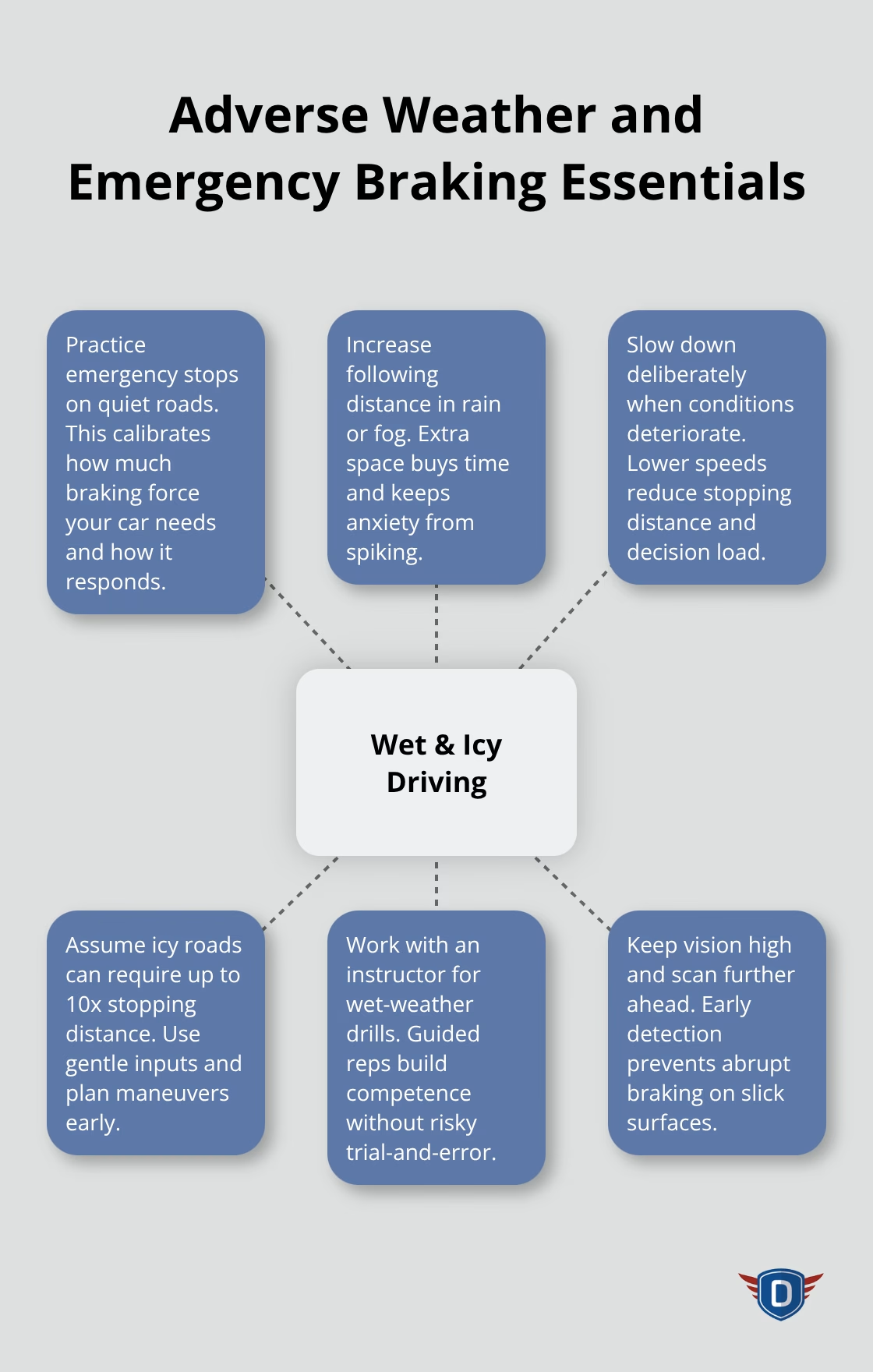
Emergency stops on quiet roads teach your body how much braking force your car needs and how your vehicle responds. In rainy or foggy conditions, increase your following distance and slow down deliberately.
Progress Through Graduated Exposure
Gradual exposure to more complex environments happens naturally when you’ve built competence first. Move from familiar streets to slightly busier roads, then to mixed traffic, then to highway driving-but only when each step feels manageable. This stepwise progression prevents the common trap of jumping into high-stress situations too early, which backfires by confirming your fear that the road is uncontrollable.
The three-second rule isn’t optional safety theater; it’s your primary buffer against rear-end crashes. Maintaining it consistently teaches your nervous system that you have time to respond. Each time you successfully handle a new scenario, your brain stores that experience as evidence that you can adapt and respond. This accumulated evidence is what unshakeable confidence actually is-and it prepares you for the mental resilience work that transforms confidence from fragile to unbreakable.
Developing Mental Resilience and a Safety-First Mindset
Redirect Anxiety Into Focused Attention
Anxiety behind the wheel isn’t something you eliminate-it’s something you redirect. Research on anxiety and performance shows that a little nervousness actually sharpens your focus, but excessive worry undermines your ability to execute the skills you’ve practiced. The distinction matters because many new drivers wait for anxiety to vanish before they feel ready to drive, which delays progress indefinitely. Instead, the goal is to reach a state of calm alertness where your nervous system stays engaged without hijacking your decision-making.
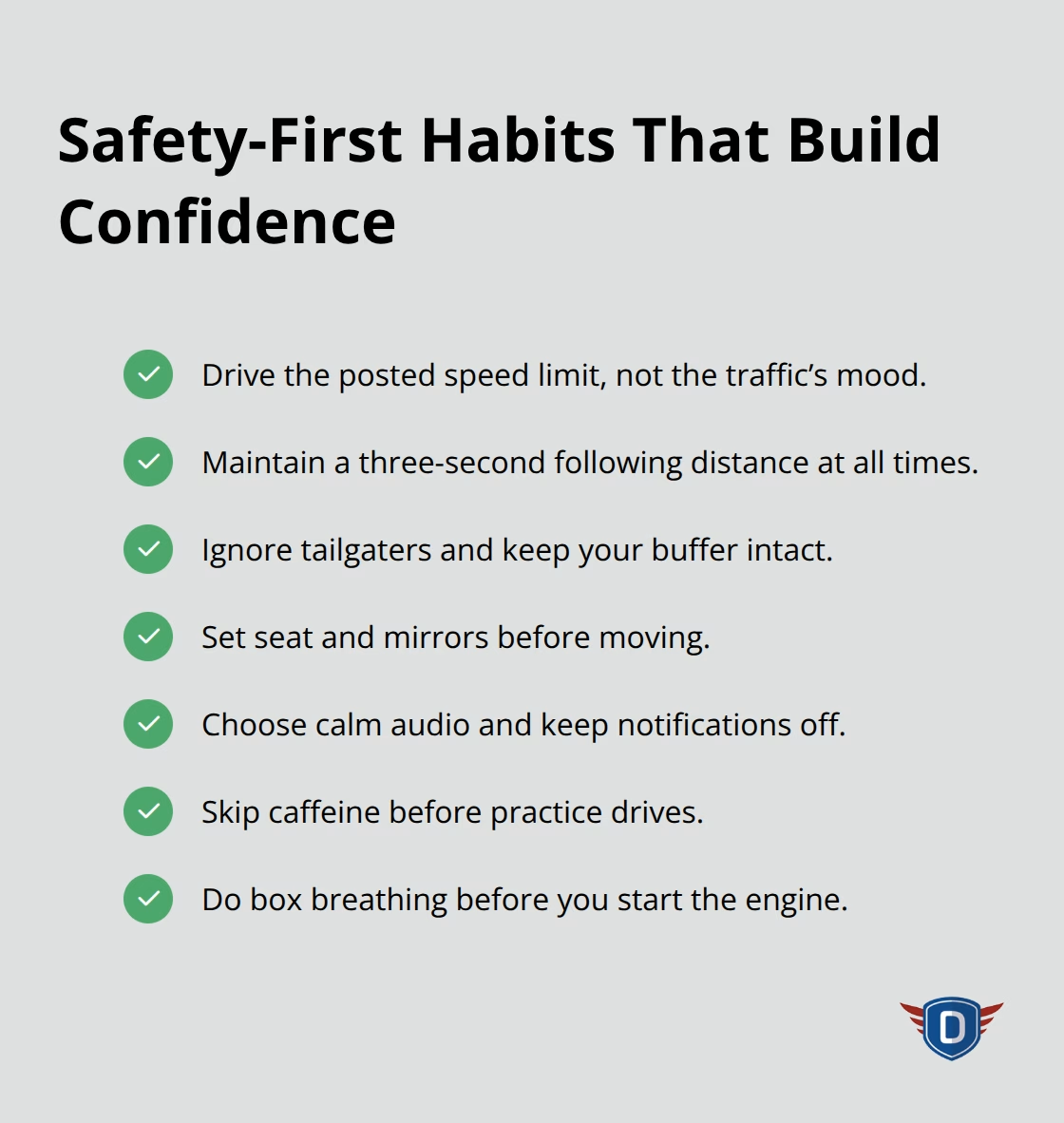
One practical tool that works immediately is box breathing: inhale for four counts, hold for four, exhale for four, hold for four. This technique raises heart-rate variability, which signals to your body that you’re in control rather than under threat. Practice it before you drive, not during, so the rhythm becomes automatic.
Control Your Environment Before You Drive
Environmental control eliminates distractions that amplify anxiety. Before you leave the driveway, put your phone in the trunk, adjust your seat and mirrors so everything feels familiar, and choose music or a podcast that keeps you calm rather than stimulated. A racing heart from caffeine is indistinguishable from a racing heart from fear, so skip the coffee before drives until your confidence solidifies. Your mental state in the first five minutes of driving sets the tone for the entire trip, so treat pre-drive preparation as seriously as checking your mirrors.
Use Self-Talk to Build Real-Time Confidence
Your internal dialogue during driving either builds or erodes confidence in real time. Research on self-talk shows that positive statements boost performance, while negative self-talk undermines it-meaning your thoughts have measurable impact on how well you execute. Instead of generic affirmations, use specific, present-tense cues tied to actual driving tasks. Before a highway merge, tell yourself “focus” or “smooth acceleration” rather than hoping you don’t mess up. Address yourself by name during challenging moments because this strengthens the neural effect compared to generic self-talk.
Treat Mistakes as Information, Not Failure
The second critical shift is reframing mistakes from catastrophe to data. When you miss a smooth downshift or hesitate at an intersection, the anxious brain interprets this as proof of incompetence. The resilient driver treats it as information: what happened, what triggered it, and what adjustment works next time. Keep a brief progress log after each drive-not miles or time, but specific wins like successful parallel parks or confident highway merging. This tangible evidence of improvement counters the anxious brain’s tendency to discount progress and fixate on setbacks.
Prioritize Safety Over Speed and Ego
Safe decision-making must become your only metric for success, not speed or aggression. New drivers who compare themselves to traffic around them often feel pressure to match the pace of impatient drivers, which erodes the very safety margin that builds confidence. The reality is that speeding and aggressive driving are linked to crashes, and crashes destroy confidence far more than a slightly longer commute. Drive the posted limit, maintain your three-second following distance without exception, and ignore the drivers behind you who want to tailgate.
Final Thoughts
Unshakeable confidence as a new driver emerges from structured practice, deliberate skill-building, and a mental framework that treats every drive as an opportunity to reinforce safe habits. The thousands of small decisions you make behind the wheel-maintaining your following distance, scanning ahead, choosing safety over speed-accumulate into a nervous system that trusts itself. That trust is what driver confidence building actually is.
The work you’ve completed through professional instruction, focused practice on high-impact skills, and mental resilience training has equipped you with real tools. Now the actual commitment starts: treating safe driving not as a temporary phase of your Novice License, but as a lifelong practice that shapes how you respond to every road situation. Each time you maintain the three-second rule, redirect anxiety into focused attention, or choose the posted limit over pressure from impatient drivers, you reinforce the habits that separate confident drivers from anxious ones.
Professional driver education accelerates this process significantly by providing personalized guidance tailored to your specific needs and helping you progress from hesitant to confident without the trial-and-error that delays most new drivers. floridadetscourse.com offers certified instruction designed to solidify your confidence and set you on the path to lifelong safe driving habits.