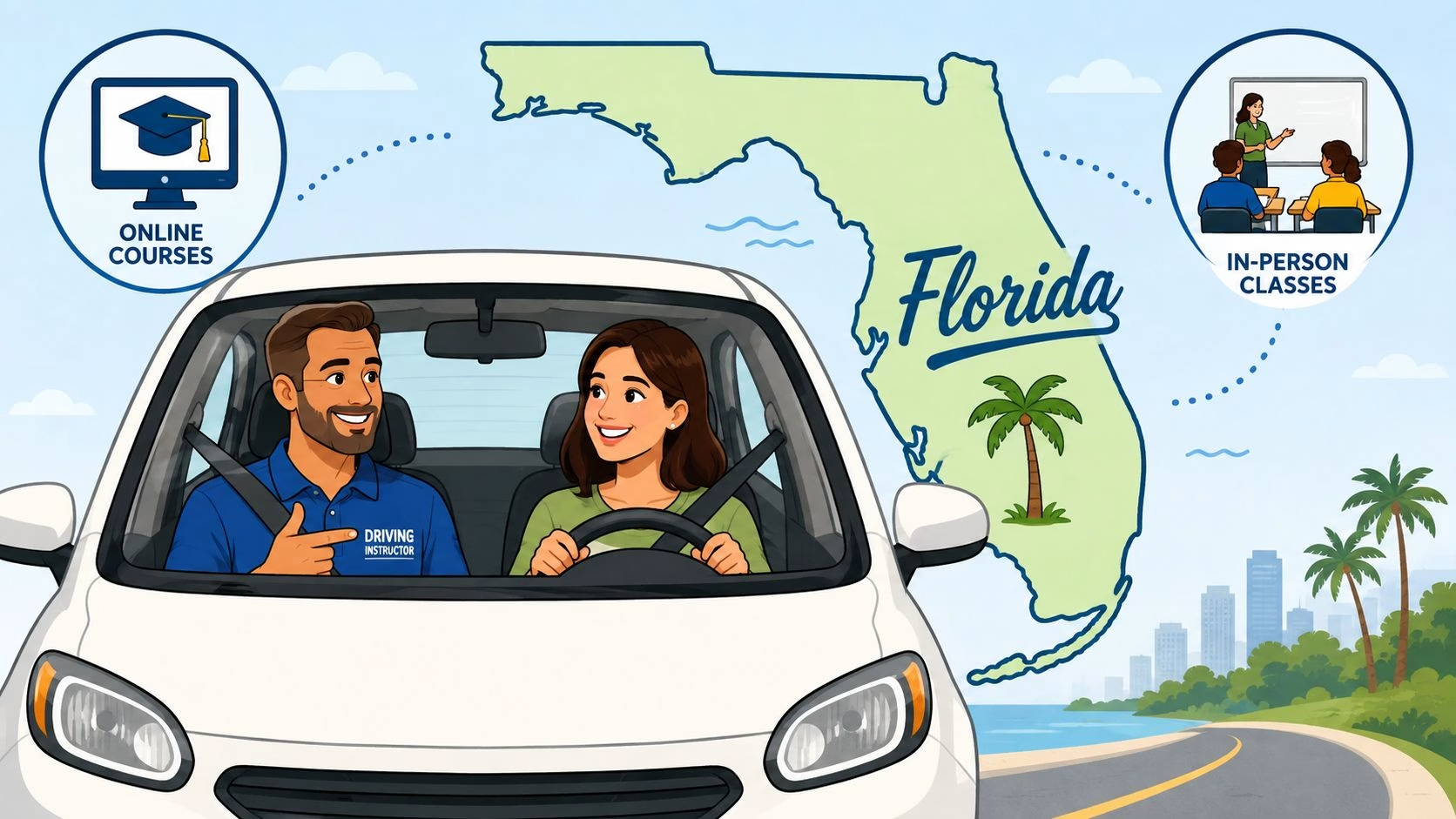

Getting started as a new driver usually feels less like freedom and more like paperwork, state rules, and one big question: how first-time drivers start online training without missing a required step. The good news is that the process is usually simpler than it looks once you know which course your state requires, when to take it, and what happens after enrollment.
Online driver education works best when you treat it as part compliance task, part safety foundation. For many first-time drivers, that means starting with a state-approved course before a permit test, a licensing appointment, or supervised driving practice. The exact sequence depends on where you live and how old you are, so the smartest first move is not just signing up anywhere. It is confirming that the course matches your state, your age, and your licensing goal.
How first-time drivers start online training the right way
Most first-time drivers begin with a basic check: what does their state require before they can move forward? Some states require a pre-licensing or traffic law course. Others require a full driver education program with classroom hours, and some separate the knowledge portion from behind-the-wheel instruction. If you skip that step and enroll in the wrong course, you may lose time even if the course itself is well designed.
That is why approval status matters more than course length or price alone. A convenient online course only helps if your DMV, court, school, or licensing authority accepts it. For teens, a parent often helps verify the requirement. For adult first-time drivers, the process is still straightforward, but the state may use different labels for the same kind of training.
Once the requirement is clear, the next step is creating an account and enrolling in the correct course. A reliable provider will make this part simple. You should be able to see the course purpose, eligibility, cost, and completion process before you pay. Transparent pricing matters because first-time drivers are often already budgeting for permit fees, licensing costs, and possibly driving lessons.
What to check before enrolling
Before you start any online training, confirm four details: your state, your age group, the course approval status, and whether the course is for permit prep, license eligibility, or another requirement. These details sound basic, but they prevent the most common enrollment mistakes.
Device flexibility matters too. Many first-time drivers do coursework on a phone, then switch to a tablet or laptop later. A mobile-friendly course makes it easier to stay on schedule. Self-paced access is also important because new drivers are often balancing school, work, sports, or family responsibilities.
It also helps to understand what the course does not do. Some online programs satisfy the classroom or knowledge requirement, but they do not replace in-car lessons or a road test. Others prepare you for the written exam but are not the final licensing step. That distinction matters because many students assume finishing an online course means they are immediately ready for a license.
What the course usually includes
A first-time driver training course typically covers traffic laws, signs, right-of-way rules, safe following distance, impaired driving risks, distracted driving, speed management, and defensive driving basics. Good courses also explain the decisions behind the rules, not just the rules themselves.
That practical focus is what makes online learning useful for beginners. It gives you time to read, pause, repeat sections, and absorb unfamiliar terms without the pressure of a live classroom. For many students, that lowers stress and improves retention.
Where online training fits in the licensing process
Online training is usually one step in a larger path. Depending on your state, that path may include identity documents, a permit application, a vision test, a knowledge exam, supervised driving hours, behind-the-wheel instruction, and a road test.
That means timing matters. If your state allows you to start the course before applying for a permit, taking it early can help you feel more prepared for the written exam. If the state requires a permit first, then the course needs to fit into that order. When people get frustrated with licensing, it is often because they assumed the steps were interchangeable when they were not.
How to make online driver training easier to finish
Starting is one thing. Finishing is where many first-time drivers lose momentum. The most practical approach is to set a steady pace rather than trying to complete everything in one sitting. A self-paced course is convenient, but it still requires a plan.
Short study sessions usually work better than marathon sessions. Reading for 20 to 30 minutes at a time helps most students stay focused, especially when the material is new. Taking notes on signs, penalties, and right-of-way situations can also help when it is time to prepare for the knowledge test.
If your course includes quizzes, treat them as practice, not obstacles. They show you what needs more attention. Missing a question about lane usage or alcohol laws is useful when it happens in training instead of on an official exam or on the road.
Parents can help teen drivers by checking progress without taking over the course. Adults starting later in life often benefit from the same approach, just in a different form: a simple schedule, a quiet place to study, and a checklist of next steps after course completion.
Common mistakes first-time drivers should avoid
The biggest mistake is enrolling in a course before confirming that it is the right one for your state and situation. Close behind that is waiting until the last minute. If you need a completion certificate before scheduling the next licensing step, delays can affect your timeline.
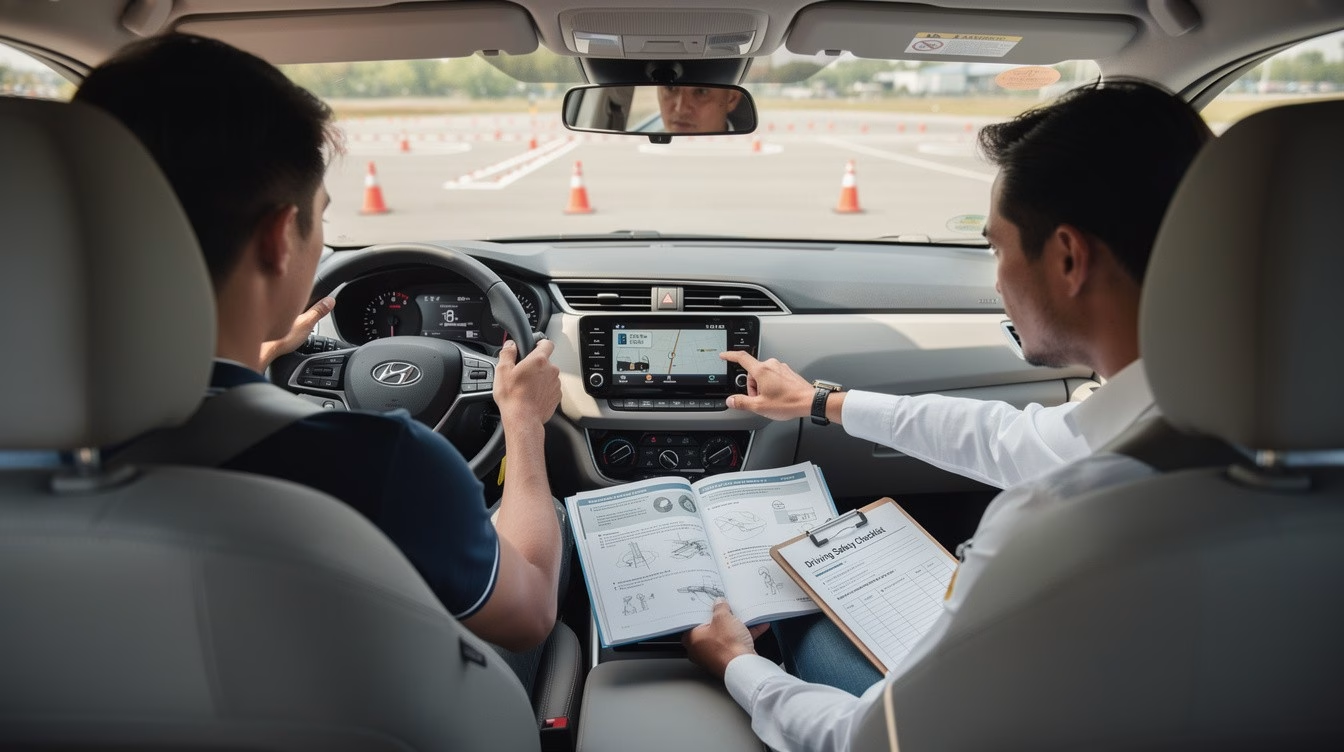
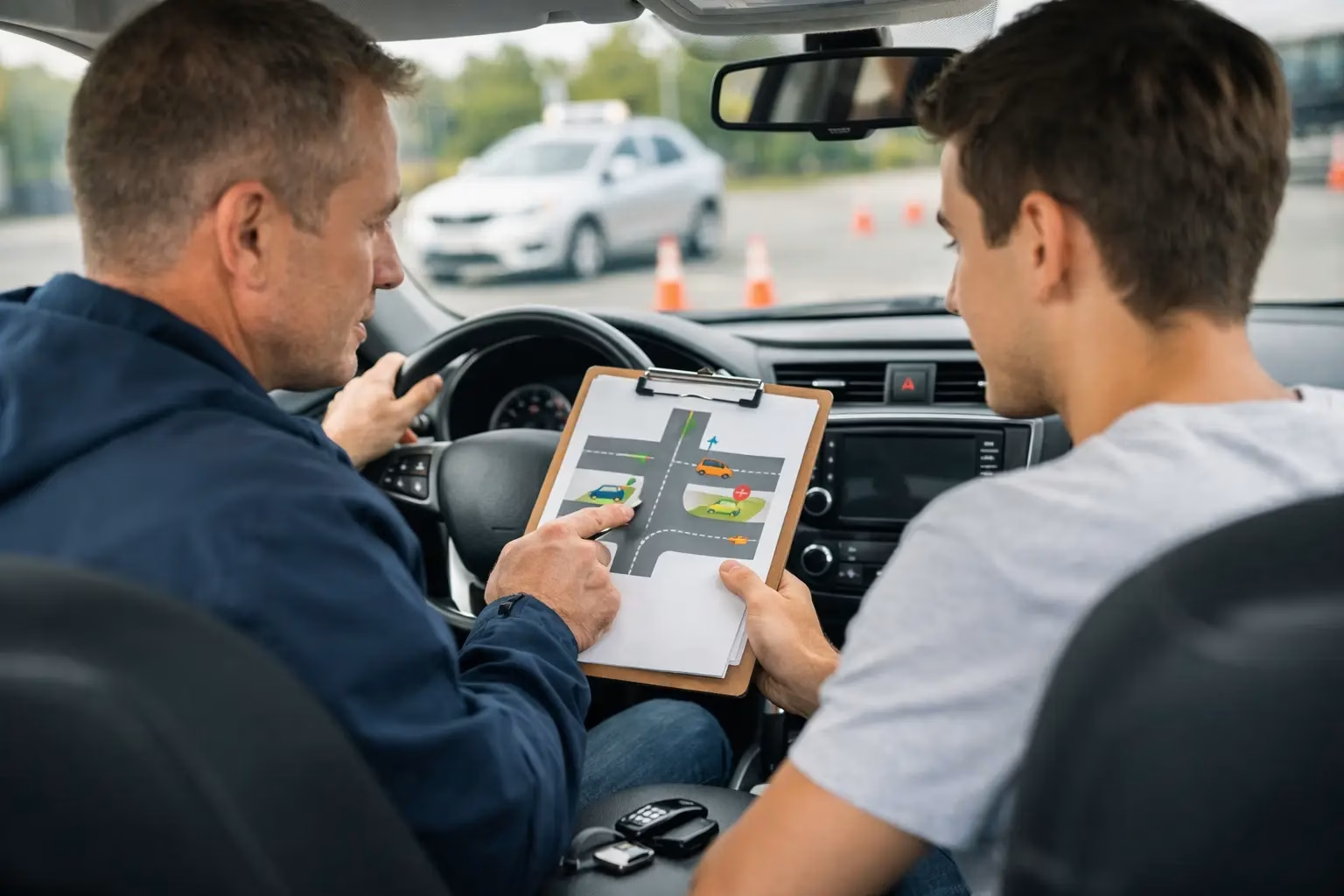
Another common issue is assuming online training will cover every part of learning to drive. It builds knowledge, judgment, and legal awareness, but it does not replace real-world practice. New drivers still need supervised time behind the wheel to learn speed control, scanning, parking, lane changes, and hazard response.
There is also a trade-off with self-paced learning. Flexibility is a real advantage, but it can lead to procrastination. Students who do best online usually set a target completion date from the beginning.
Choosing a provider with confidence
A good online course provider should make approval, pricing, access, and completion details easy to understand. If those basics are hard to find, that is usually a warning sign. First-time drivers do not need extra confusion when they are already managing state rules.
Look for straightforward enrollment, clear course descriptions, accessible support, and a format that works on the devices you already use. If you are comparing providers, convenience should never come at the cost of compliance. A course that is easy to start but not accepted for your requirement is not a bargain.
For students who want a reliable path, floridadetscourse.com focuses on approved online education with self-paced access, clear pricing, and practical course options designed around real licensing and compliance needs. That kind of structure matters when you want fewer surprises and a smoother start.
FAQ
What is online driver training for first-time drivers?
Online driver training is a state-required or state-approved course that teaches new drivers traffic laws, safety rules, and driving basics. It is often part of the permit or licensing process.
How do first-time drivers start online training?
First-time drivers start online training by confirming their state requirement, choosing the correct approved course, creating an account, and enrolling. After that, they complete the lessons at the required pace.
Do all states require online driver education?
No. State requirements vary.
Some states require a specific pre-licensing or driver education course, while others do not. Age also affects the rules.
Can I take driver training on my phone?
Usually, yes. Many online courses are mobile-friendly.
It is still smart to check device compatibility before enrolling, especially if you plan to switch between a phone and computer.
Does online training replace behind-the-wheel lessons?
No. Online training covers knowledge, laws, and safety concepts.
Behind-the-wheel practice and road testing are separate requirements in many states.
How long does it take to finish an online driver course?
It depends on your state and the course requirement. Some courses take only a few hours, while others require a longer set number of instructional hours.
What happens after I finish the course?
You usually receive proof of completion, such as a certificate or report. That document may be needed for your permit, license application, or next training step.
Starting driver education online is not about rushing to the finish line. It is about getting the right course, meeting the right requirement, and building habits that make you safer once you are actually on the road.