Holiday travel brings millions of drivers to the roads, creating dangerous conditions that claim over 400 lives during Thanksgiving week alone according to the National Safety Council.
At floridadetscourse.com, we know that proper preparation and awareness can prevent most holiday driving accidents. These holiday driving safety tips will help you navigate busy highways and arrive safely at your destination.
Smart planning beats reactive driving every time.
What Should You Check Before Holiday Driving?
Vehicle Safety Inspection Essentials
Your vehicle requires a thorough inspection before holiday travel begins. The American Automobile Association reports that 32 million drivers experience vehicle breakdowns annually, with 40% occurring during peak travel periods like holidays.
Check your tire pressure with a digital gauge � underinflated tires reduce fuel efficiency by up to 3% and increase blowout risk. Cold temperatures reduce pressure significantly, making monthly checks essential. Inspect tire tread depth with the penny test: insert a penny into the tread with Lincoln’s head down. Replace your tires immediately if you see the top of his head.
Test your battery voltage with a multimeter (readings below 12.4 volts indicate replacement needs). Replace wiper blades that streak or skip, and clean all lights to improve visibility by 50%.
Emergency Kit Preparation
Pack emergency supplies based on your route’s weather conditions and distance. The National Weather Service recommends blankets rated for temperatures 20 degrees below forecasted lows, three days of water per person, and a flashlight with extra batteries.
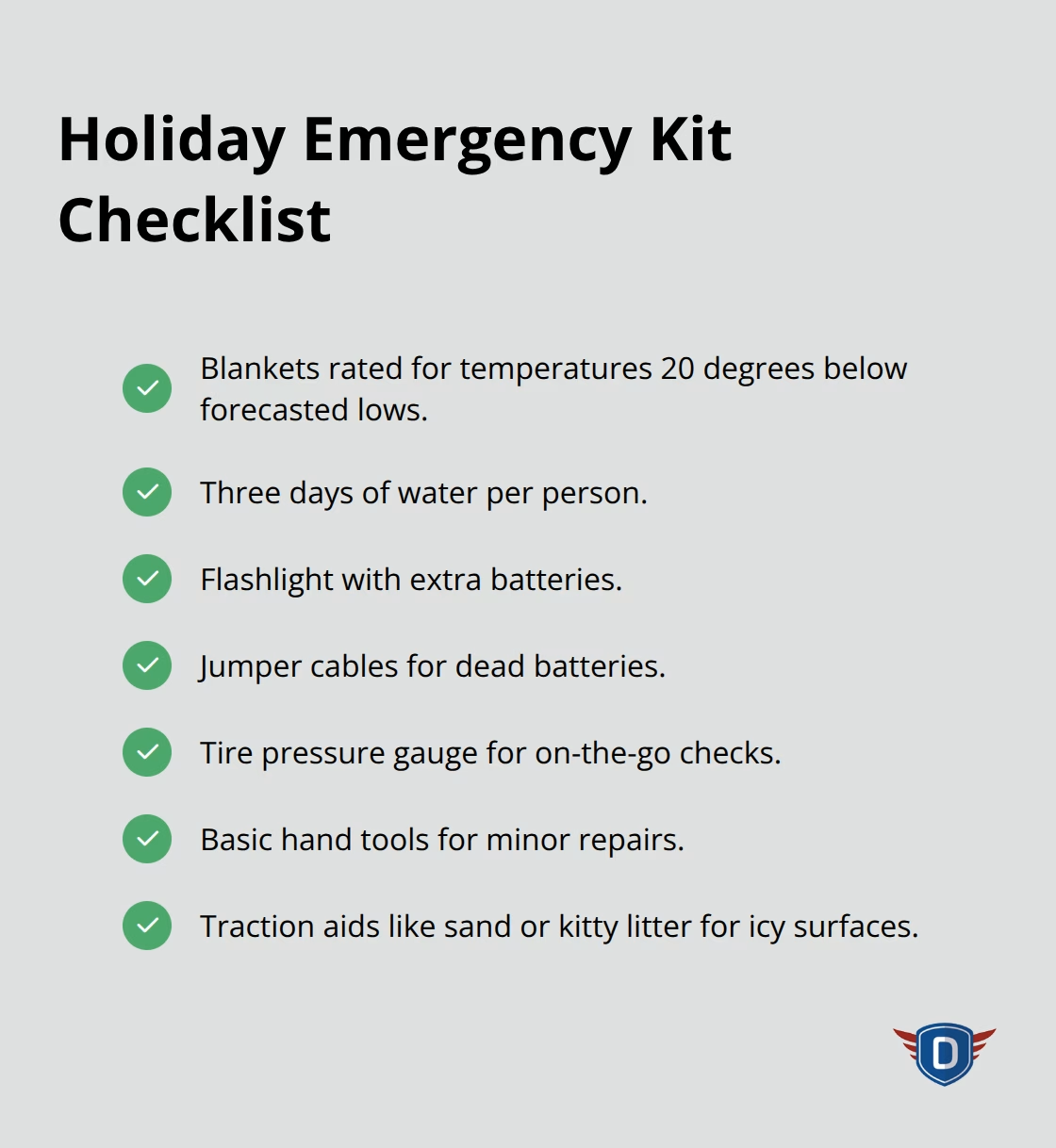
Include jumper cables, tire pressure gauge, and basic tools in your kit. Winter travelers should add traction aids like sand or kitty litter for tire grip on icy surfaces.
Route Planning and Weather Monitoring
Download weather apps like Weather Underground or NOAA Weather Radar for real-time updates. Check road conditions through your state’s Department of Transportation website before departure.
Plan your primary route and two alternate paths that use different highways. Research shows that peak travel hours have shifted from 5 PM in 2019 to 3 PM in 2021, making flexible routing essential for avoiding delays.
Map out rest stops every two hours to maintain alertness and prevent fatigue-related accidents. Once you complete your vehicle preparation and route planning, you need to master safe driving techniques that will keep you protected during heavy holiday traffic.
How Do You Drive Safely During Peak Holiday Traffic?
Traffic Congestion and Aggressive Driver Management
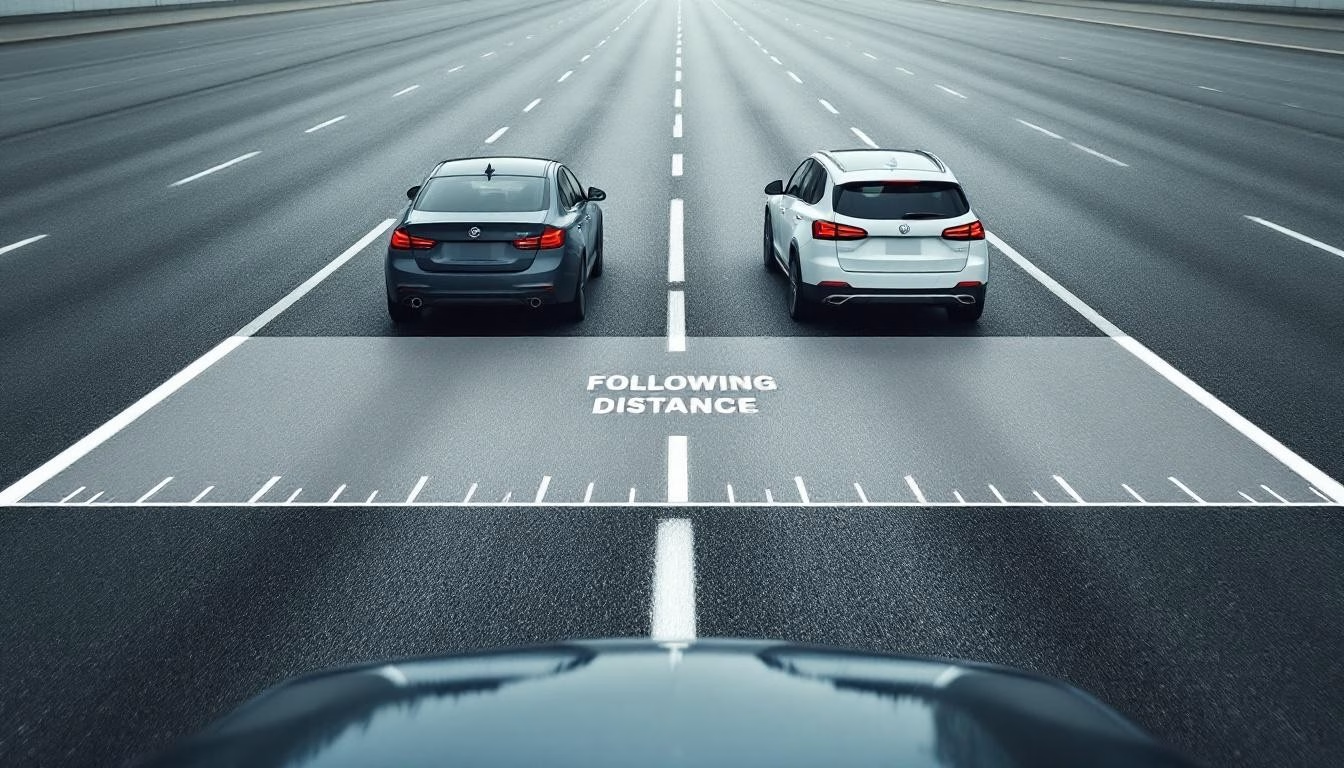
Holiday traffic creates dangerous conditions during peak travel periods. Maintain an eight-second following distance instead of the standard three seconds when traffic density exceeds normal levels. This extended buffer provides reaction time when drivers make sudden lane changes or brake unexpectedly.
Aggressive drivers exhibit predictable patterns: rapid lane switches, tailgating, and excessive horn use. Position yourself in the right lane when possible and avoid any engagement with road rage incidents. Motor vehicle crashes took 40,901 lives in the U.S. in 2023, which makes avoidance your safest strategy.
Weather and Visibility Techniques
Reduce your speed by 10 mph below posted limits during rain and 20 mph during snow conditions. The Federal Highway Administration reports that weather-related crashes account for 21% of all vehicle accidents, with most crashes occurring during the first 30 minutes of precipitation when roads become most slippery.
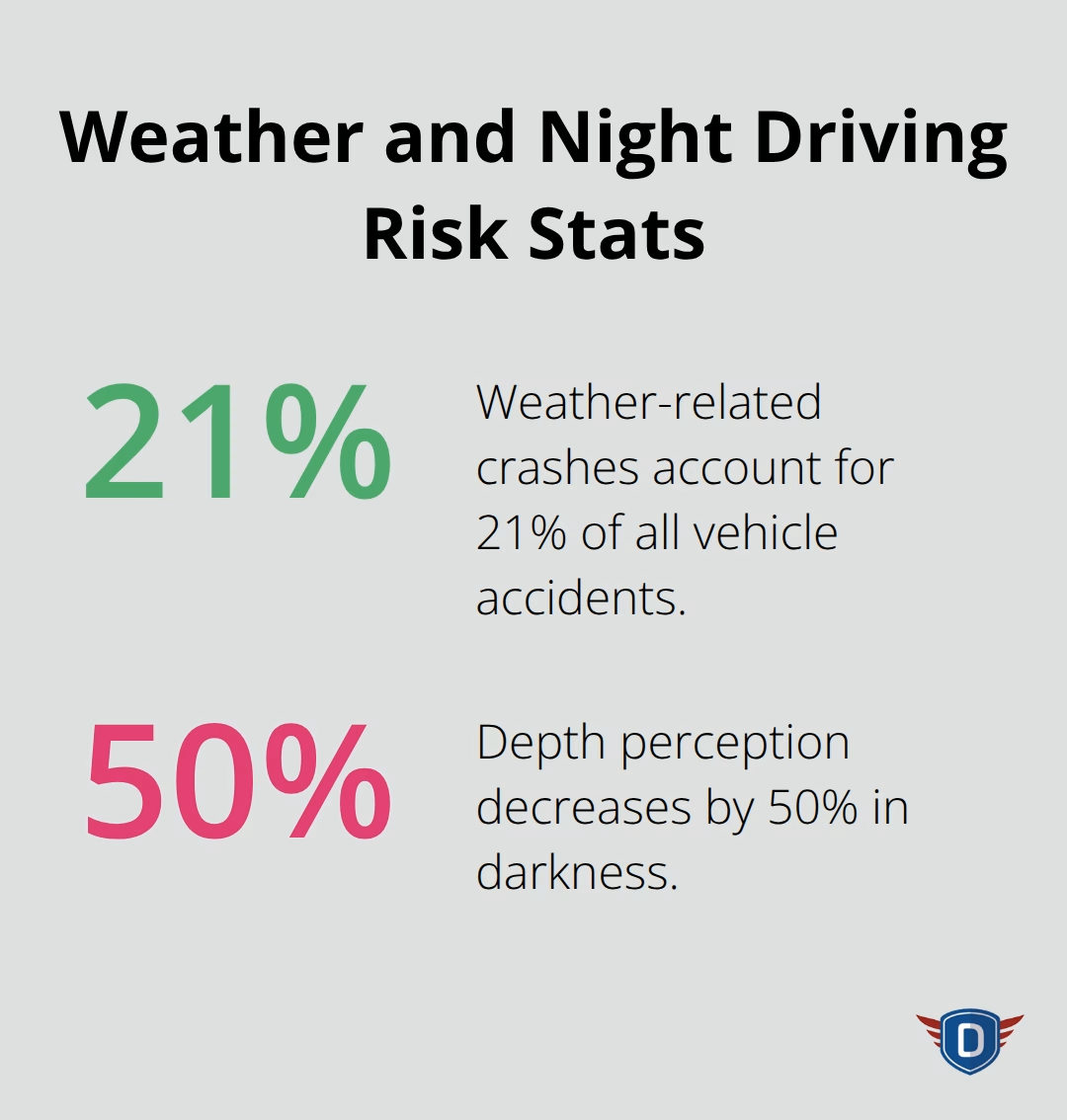
Turn on headlights during any reduced visibility conditions, even during daytime hours. Clean your windshield completely before departure and replace wiper blades that leave streaks. Night travel requires extra caution as depth perception decreases by 50% in darkness (according to the American Optometric Association).
Strategic Rest Stop Planning
Schedule stops every 90 minutes instead of the commonly recommended two hours. The National Sleep Foundation research shows that performance deteriorates significantly after 90 minutes of continuous highway travel. Plan stops at well-lit truck stops or rest areas with adequate parking and facilities.
Fatigue contributes to 100,000 crashes annually according to the National Safety Council. Switch drivers when you experience heavy eyelids, frequent yawns, or difficulty with lane position. These warning signs indicate dangerous fatigue levels that coffee cannot counteract effectively (caffeine takes 30 minutes to take effect).
These safe techniques will protect you from most traffic-related dangers, but holiday travel presents additional hazards that require specific awareness and preparation strategies.
What Holiday Hazards Threaten Your Safety
Spotting Impaired Drivers
Holiday periods see increased risks from impaired drivers, with about 30% of all traffic crash fatalities in the United States involving drunk drivers. Impaired drivers display specific warning signs that alert drivers can recognize from 100 yards away. Watch for vehicles that weave between lanes, brake erratically without apparent reason, or maintain inconsistent speeds that vary by more than 10 mph. Cars that follow too closely or too far behind traffic patterns signal potential impairment. Recognition skills remain vital for survival during high-risk holiday periods.
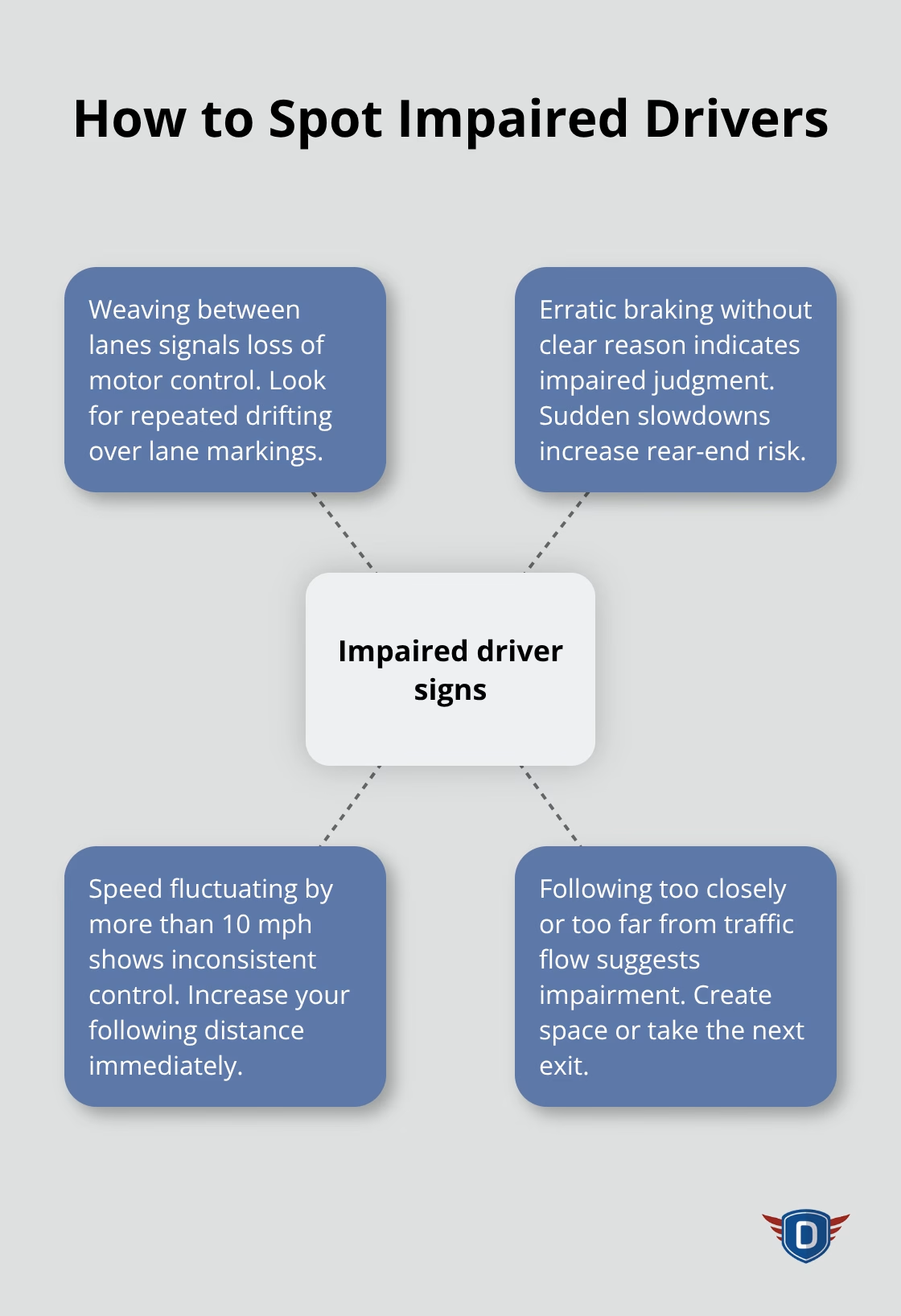
Position yourself away from suspicious vehicles immediately. Change lanes to create distance or take the next exit if a driver exhibits multiple warning signs. Never attempt to pass an erratic vehicle on rural highways where oncoming traffic limits escape routes.
Construction Zone Navigation
Construction zones present increased risks during holiday travel periods when unfamiliar drivers encounter unexpected lane changes. Work zone accidents frequently result from drivers who follow too closely or switch lanes suddenly. Reduce speed by 15 mph below posted construction limits and double your following distance to six seconds minimum.
Orange signs appear 1,500 feet before major lane shifts and give adequate time for safe positioning. Merge early when signs indicate lane closures ahead rather than wait until the last moment. Construction zones often lack shoulders for emergency stops, which makes vehicle breakdowns extremely dangerous.
Passenger Distractions
Passengers create distractions that contribute to crashes involving families with children according to AAA Foundation research. Establish ground rules before departure: no reaching between seats, volume limits for conversations, and designated times for device use. Children who argue or cry increase driver stress, which significantly impairs reaction times.
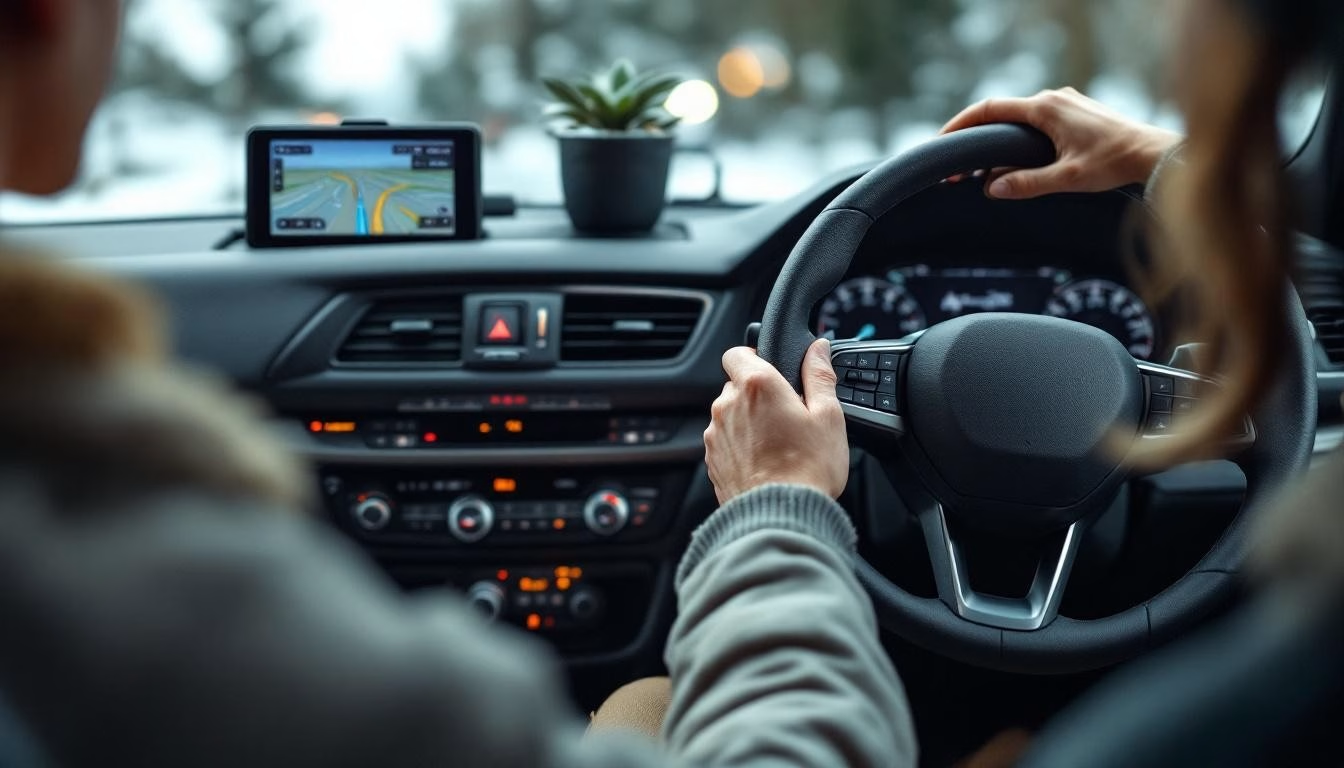
Load entertainment devices with downloaded content to prevent mid-trip technology issues. Assign an adult passenger as navigator to handle GPS adjustments and phone calls. Hands-free phone conversations still reduce driver attention, making passenger assistance essential for maintaining focus on rapidly changing holiday traffic conditions.
Final Thoughts
Holiday driving safety tips save lives when drivers apply them consistently during peak travel periods. Statistics show that proper preparation and defensive techniques prevent most holiday accidents that claim hundreds of lives annually. Your vehicle inspection, emergency kit, and route plans form the foundation of safe holiday travel.
Defensive techniques protect you against aggressive drivers, construction hazards, and impaired motorists. Extended following distances, recognition of dangerous behaviors, and passenger management keep you alert when conditions deteriorate rapidly. Emergency preparedness extends beyond supplies to include alternate routes, insurance coverage, and roadside assistance contacts (these backup plans provide options when primary plans fail).
At floridadetscourse.com, we help drivers develop safe habits that become automatic responses during stressful holiday conditions. Proper education builds the skills and confidence needed to handle challenging situations effectively. Holiday travel tests every driver’s abilities, but preparation and awareness transform dangerous journeys into safe arrivals.