A traffic citation in Florida can derail your driving record and wallet faster than you’d expect. The penalties range from point accumulation to license suspension, and the financial impact extends far beyond the initial fine.
At floridadetscourse.com, we break down exactly what Florida traffic citation penalties mean for your driving future and show you the concrete steps to respond effectively.
Moving Violations, Non-Moving Violations, and Criminal Traffic Offenses in Florida
Moving Violations Add Points and Trigger License Suspension
Moving violations carry points on your Florida driver’s license because they involve unsafe driving behavior on the road. Speeding 10�14 mph over the limit adds 3 points and costs around $219, while exceeding the limit by 30+ mph costs approximately $369 and also adds 4 points. Running a red light, failing to stop at a stop sign, improper lane changes, and texting while driving all fall into this category.
Points accumulate quickly and create real consequences. Twelve points within 12 months triggers a 30-day license suspension, 18 points within 18 months results in a 3-month suspension, and 24 points within 36 months leads to a full year without driving privileges. Each violation pushes you closer to losing your license.
Non-Moving Violations Don’t Add Points But Still Demand Action
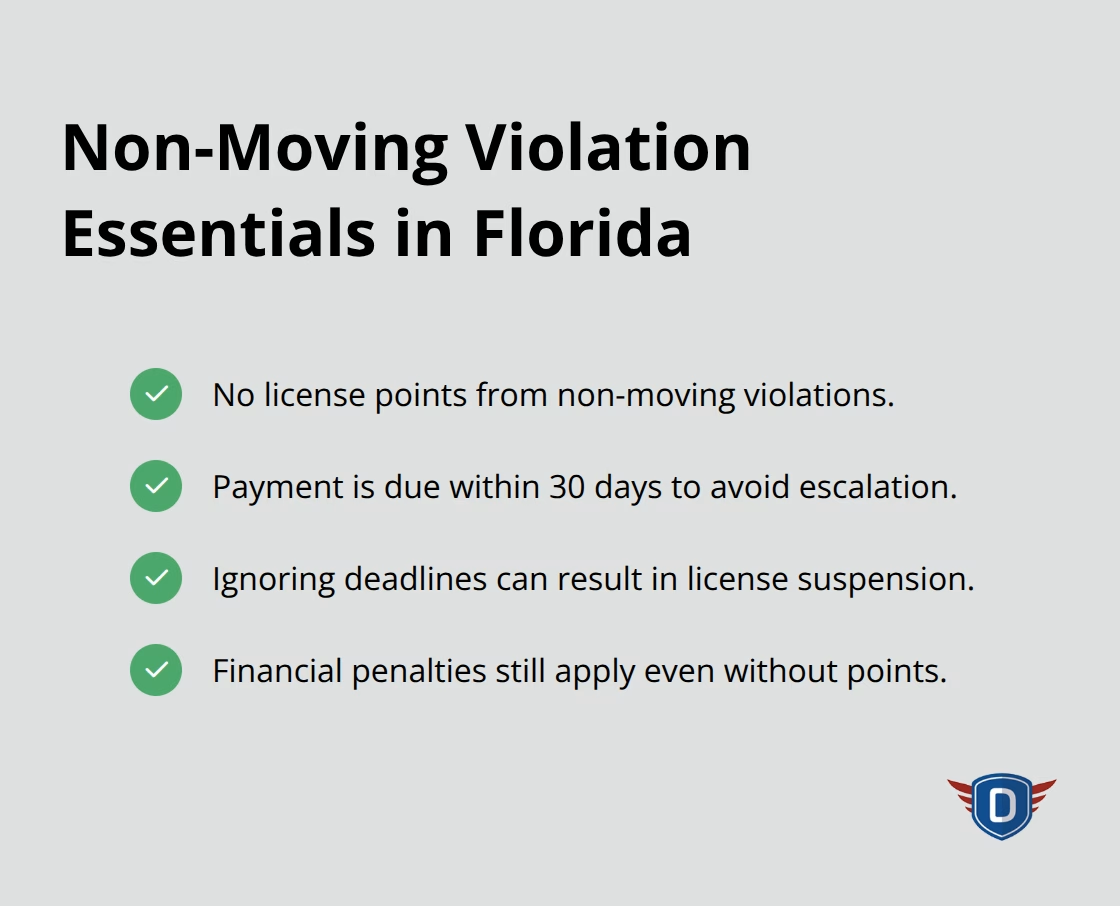
Non-moving violations like parking infractions, expired registration, or tag violations do not add points to your license. This means they won’t push you toward suspension through point accumulation alone. However, they still require payment within 30 days, and ignoring them can lead to license suspension if left unresolved past the deadline.
The distinction matters because non-moving violations offer a financial-only penalty path. You avoid the point system but must still satisfy the citation to keep your driving privileges intact.
Misdemeanor Traffic Offenses Cross Into Criminal Territory
Certain traffic violations cross into criminal territory and carry far harsher consequences than standard citations. Reckless driving, racing, passing a school bus, and driving with a suspended license are classified as misdemeanors in Florida. These offenses require mandatory completion of a Basic Driver Improvement course within 90 days, or your license will be canceled.
The 30-day response window still applies, but your options shift significantly. You cannot simply pay the fine and move forward; you must contest the charge in court or accept the criminal conviction. This is where professional representation becomes valuable because the long-term impact on employment, housing, and driving privileges extends well beyond insurance rates.
Felony Traffic Charges Demand Immediate Legal Action
Felony traffic charges-such as habitual traffic offender status after three major violations within five years, driving with a revoked license, or causing injury while driving recklessly-result in criminal penalties that go far beyond fines and points. A felony conviction on your record affects job applications, housing eligibility, and professional licensing in ways that standard traffic citations do not.
These charges require immediate legal attention and court representation. The stakes involve potential jail time, substantial fines, and permanent criminal records that follow you for years. Understanding your response options and acting quickly within the 30-day window becomes essential to protecting your future.
What a Traffic Citation Actually Costs You
A single traffic citation in Florida triggers a cascade of financial and legal consequences that extend far beyond the initial fine. The real damage accumulates over months and years through points, license suspension, skyrocketing insurance premiums, and court costs that most drivers underestimate. Understanding these concrete costs explains why responding strategically within the 30-day window matters so much.
Points Drive License Suspension and Cascade Penalties
Points on your Florida driver’s license represent the most immediate threat to your driving privileges. A speeding ticket for 10�14 mph over the limit adds 3 points and costs around $219, while exceeding the limit by 30+ mph adds 4 points and costs approximately $369. Running a red light, failing to stop at a stop sign, and texting while driving each carry their own point values, and these accumulate regardless of how far apart the violations occur.
Once you hit 12 points within 12 months, your license is suspended for 30 days. Reach 18 points within 18 months, and you face a 3-month suspension. Hit 24 points within 36 months, and the state suspends your license for a full year. This isn’t a warning-it’s an automatic consequence that forces you off the road and into potential job loss, missed appointments, and additional legal exposure if you drive while suspended. Understanding how Florida’s traffic ticket point system works helps you grasp the long-term impact of each violation.
Insurance Companies Punish You Harder Than the State Does
Insurance premium increases following a traffic citation often exceed the fine itself over a three-year period. A single moving violation can raise your auto insurance rates by 15 to 40 percent depending on your insurer and driving history, meaning a driver paying $1,200 annually could face an additional $180 to $480 per year in increased premiums. That $369 speeding fine becomes a $540 to $1,440 total cost when you factor in three years of elevated rates.
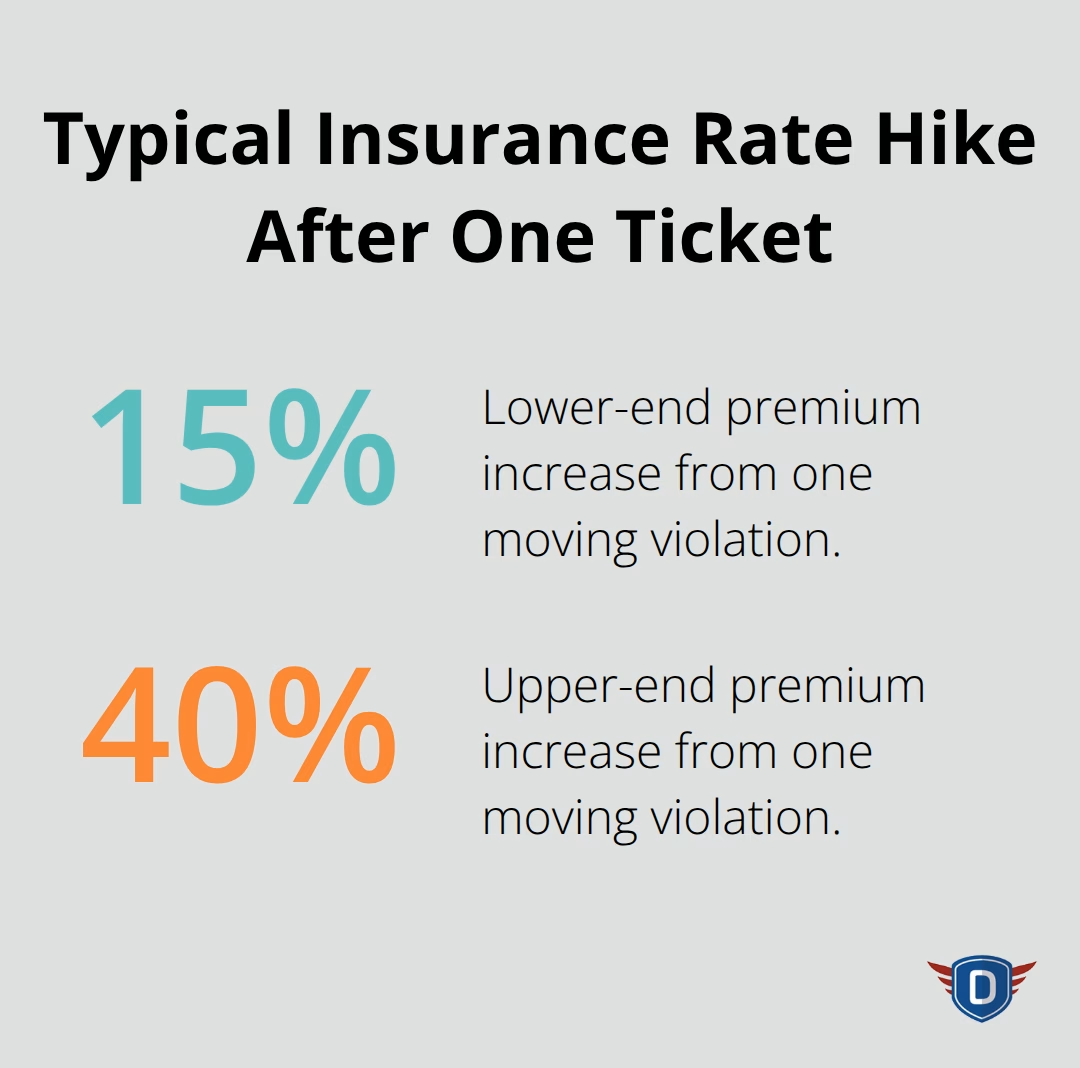
Insurers view moving violations as predictors of future claims, so they adjust your risk profile immediately after any citation. Non-moving violations like parking infractions do not trigger point assessments, but they still require payment within 30 days-missing this deadline can lead to license suspension and compound your financial exposure. The timing of your response directly affects whether you qualify for point reduction programs that prevent insurance rate hikes entirely.
Fines, Court Costs, and Fees Multiply Quickly
The cited fine represents only the starting point of what you owe. Court costs, processing fees, and administrative charges add an additional layer of expense that varies by county and violation type. If you miss the 30-day payment deadline, Florida adds a $16 late fee and a $7 compliance letter fee on top of your original obligation.
Contesting a citation in court introduces additional court costs that apply even if you win and the citation is dismissed or you’re found not guilty. A payment plan to spread costs over time requires a $25 setup fee. If you elect to take the Basic Driver Improvement course within 30 days, you receive an 18 percent reduction on the citation fee, but you must pay the course fee in addition to the reduced fine.
Failure to complete the course within 120 days after payment or court appearance results in license suspension, point assessments being reinstated, and additional fees piling on top. School bus violations handled through photo enforcement cost around $344, while child restraint violations carry their own specialized penalties unless you complete the Child Restraint Offender’s Program at Miami Children’s Hospital within 60 days. These layered costs make your first 30 days critical-the decisions you make during this window determine whether you appeal your traffic ticket or accept the penalties that follow.
Your Response Options Within 30 Days
You have three paths forward after receiving a Florida traffic citation, and the clock starts the moment the officer hands you the ticket. The 30-day window is your only opportunity to avoid compounding penalties, late fees, and potential license suspension. Most drivers waste this window through procrastination, but acting immediately within these first 30 days determines whether you pay minimally, reduce points, or fight the citation effectively in court.
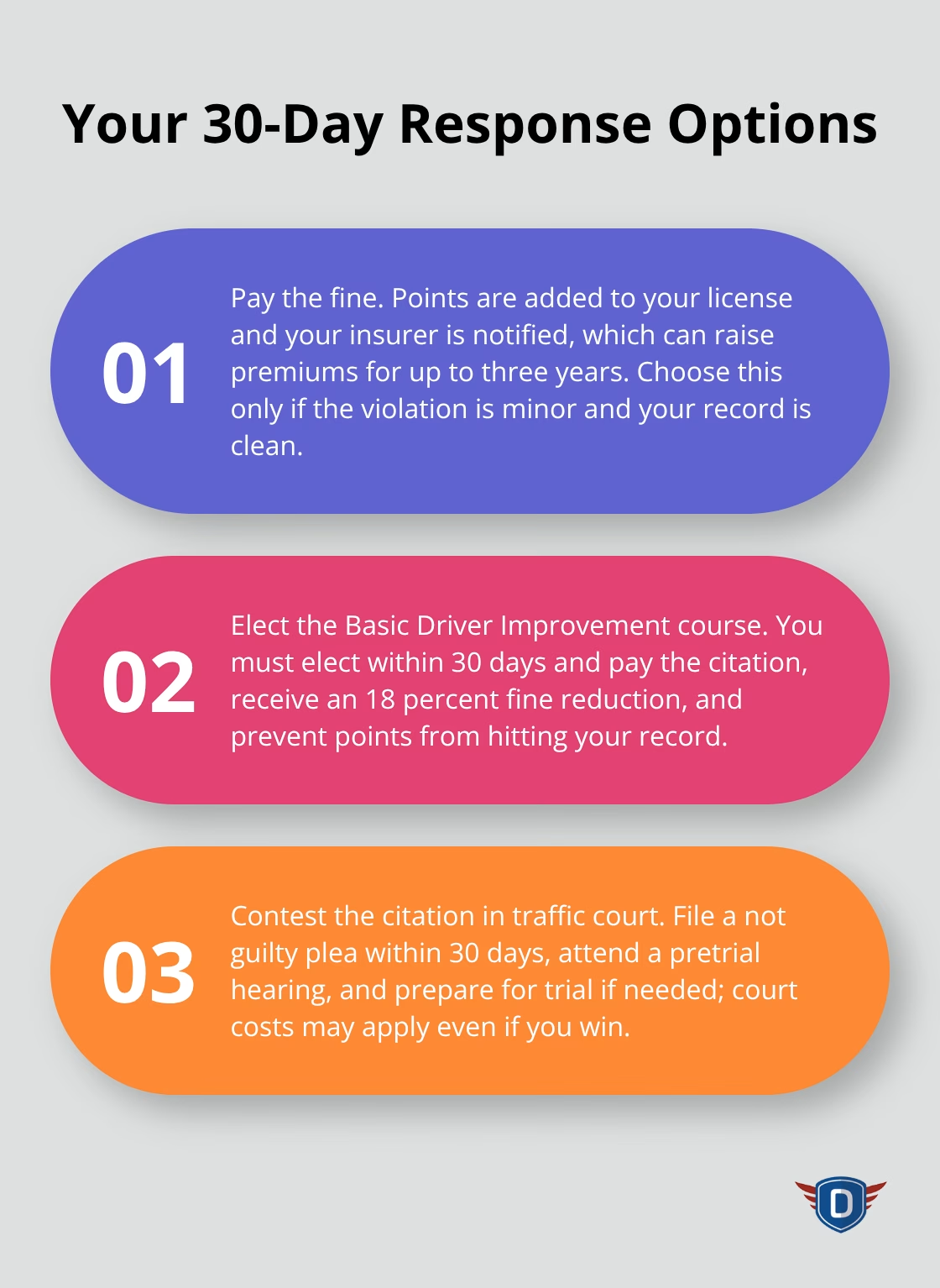
Each path carries different financial and legal consequences that ripple through your driving record for years.
Pay the Fine and Accept the Consequences
The first path involves straight payment through the Traffic Online Payment System available across all 67 Florida counties via payflclerk.com, or by phone at 305-275-1111, by mail, or in person at your county’s Clerk of the Court office. Payment confirms your guilt, points are assessed to your license, and your insurance company receives notification within days. A single moving violation like speeding can increase your premiums by 15 to 40 percent annually, meaning that $219 fine becomes a $540 to $1,440 total cost over three years. If you miss the 30-day deadline, Florida adds a $16 late fee and a $7 compliance letter fee, pushing your total obligation higher. This path makes sense only if you have few or no prior violations and the violation itself carries minimal points.
Elect the Basic Driver Improvement Course to Avoid Points
The second path involves electing the Basic Driver Improvement course within 30 days while simultaneously paying the citation to your county Clerk. This course, approved by the Florida Department of Highway Safety and Motor Vehicles, reduces your citation fee by 18 percent and prevents points from being assessed to your driving record. You can use this option once every 12 months and up to eight times in your lifetime, making it the most practical choice for drivers who want to avoid insurance rate increases and license suspension risk. The course covers Florida traffic laws, defensive driving techniques, right-of-way rules, and crash avoidance strategies through online modules you complete at your own pace. You must submit your certificate of completion to the Clerk within 120 days of payment or face license suspension and point reinstatement.
Contest the Citation in Traffic Court
The third path involves contesting the citation in traffic court, which makes sense if you believe the citation was issued incorrectly or if the officer made a factual error. You must file your not guilty plea within 30 days by contacting your county’s Clerk of Court in person, by mail, or online through your county’s portal. A mandatory pretrial hearing occurs first, conducted by a hearing officer without the officer or witnesses present, giving you a chance to resolve the case before trial. If the case does not settle at pretrial, a trial is scheduled where the officer must prove their case and you can present evidence or testimony. Even if you win and the citation is dismissed, court costs still apply, so understand this financial reality before choosing this path. Professional representation handles your court appearance, eliminating the need for you to take time off work, and their attorneys understand local judges’ patterns and prosecutor tendencies in ways that benefit your outcome.
Final Thoughts
Florida traffic citation penalties hit harder than most drivers expect, but your response within the first 30 days determines whether you minimize damage or compound it. Paying the fine accepts guilt and triggers insurance rate increases that last years. Electing the Basic Driver Improvement course reduces your fine by 18 percent and prevents points from reaching your record, protecting you from license suspension and premium hikes.
The financial reality is stark. A single moving violation costs $540 to $1,440 over three years when insurance increases are factored in. License suspension at 12 points within 12 months forces you off the road entirely, risking job loss and additional legal exposure. Non-moving violations avoid the point system but still demand payment within 30 days or face suspension anyway.
Safe driving eliminates these consequences entirely. Avoiding speeding, running red lights, texting while driving, and other moving violations keeps your record clean and your insurance rates stable. We at floridadetscourse.com provide Florida-approved traffic school courses that help you become a safer driver while meeting court requirements or earning insurance discounts through our Basic Driver Improvement course.