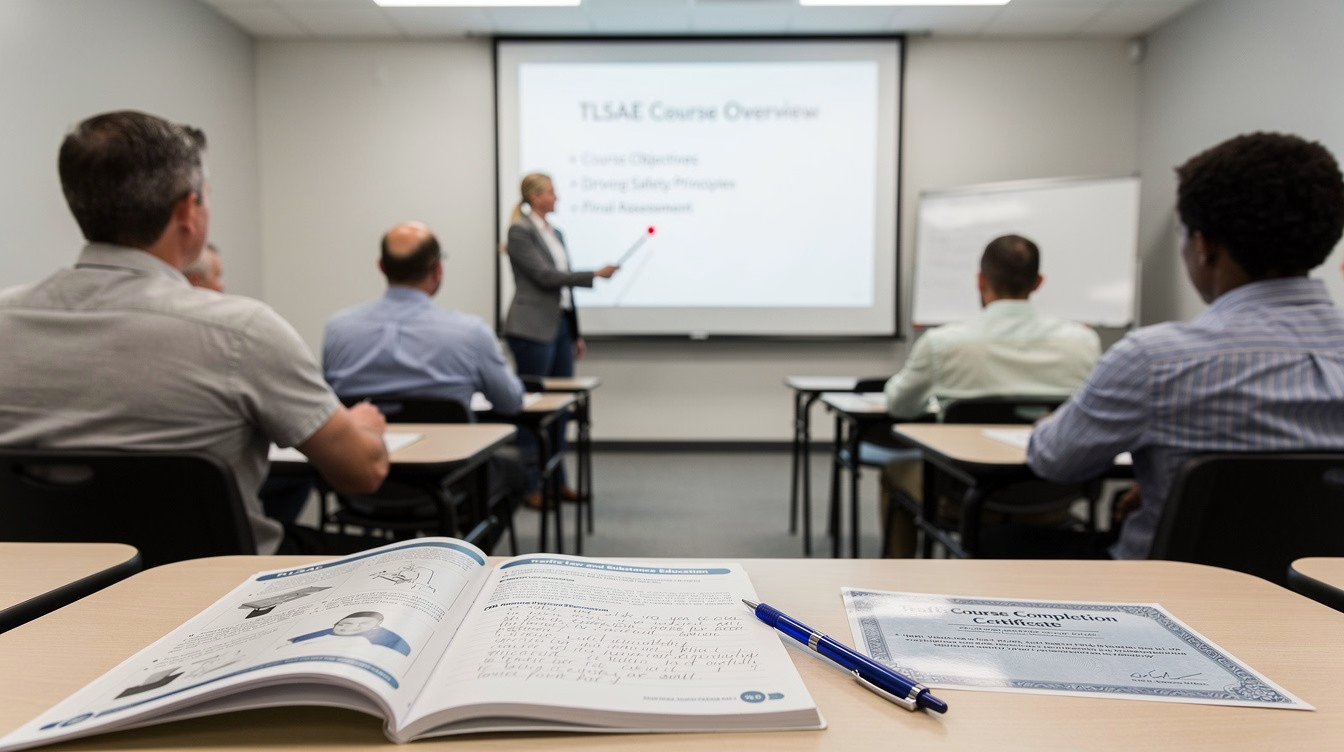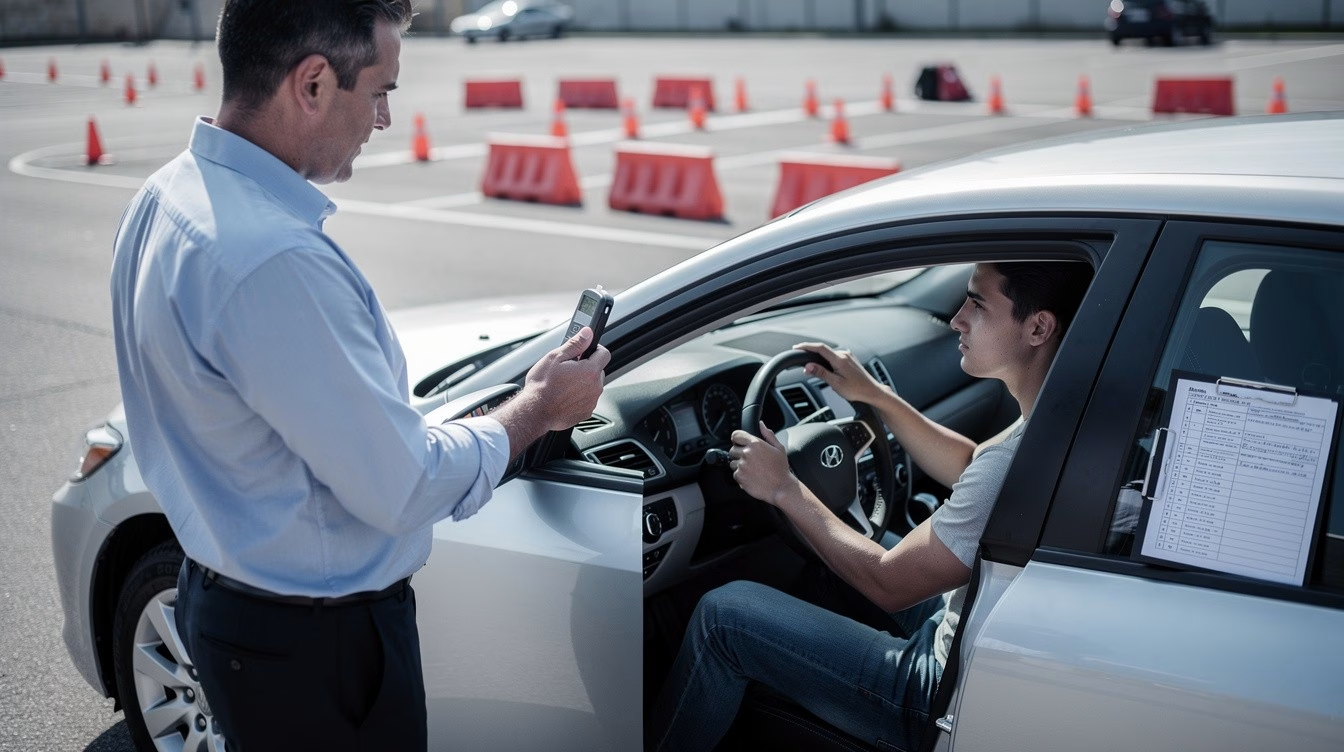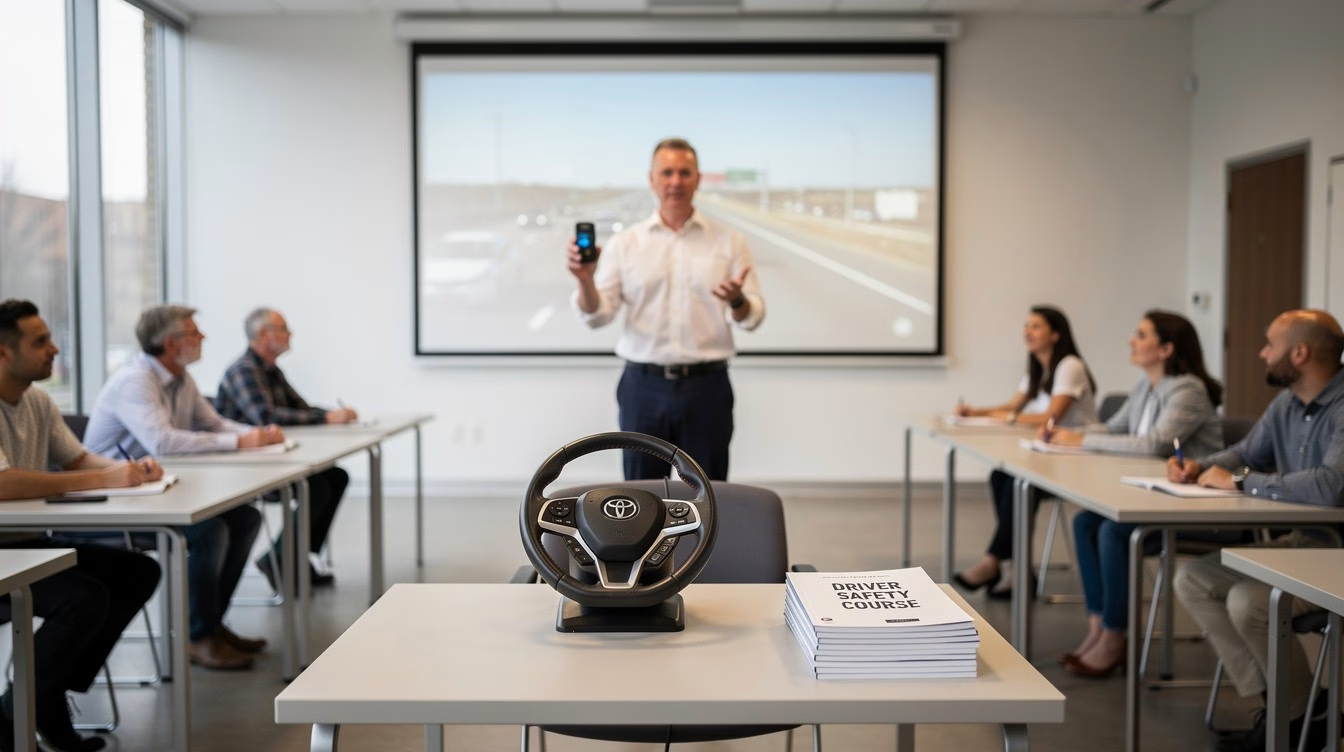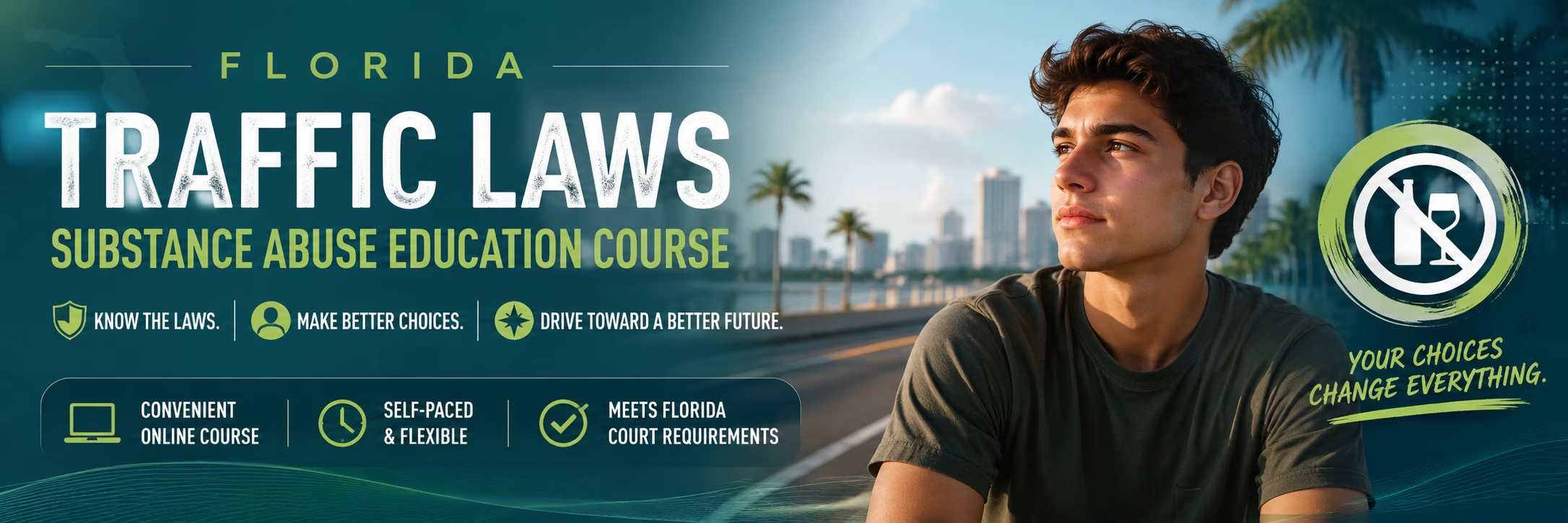
Getting your Florida driver’s license requires completing the Traffic Law and Safer Driving Habits Endorsement, commonly called TLSAE. This four-hour course is mandatory for anyone under 18 applying for their first license, and it covers everything from road signs to defensive driving techniques.
At floridadetscourse.com, we’ve helped thousands of new drivers understand Florida TLSAE basics and move through the licensing process smoothly. This guide walks you through what TLSAE is, what you’ll learn, and how to complete it successfully.
What TLSAE Actually Is and Who Must Complete It
Understanding TLSAE Requirements
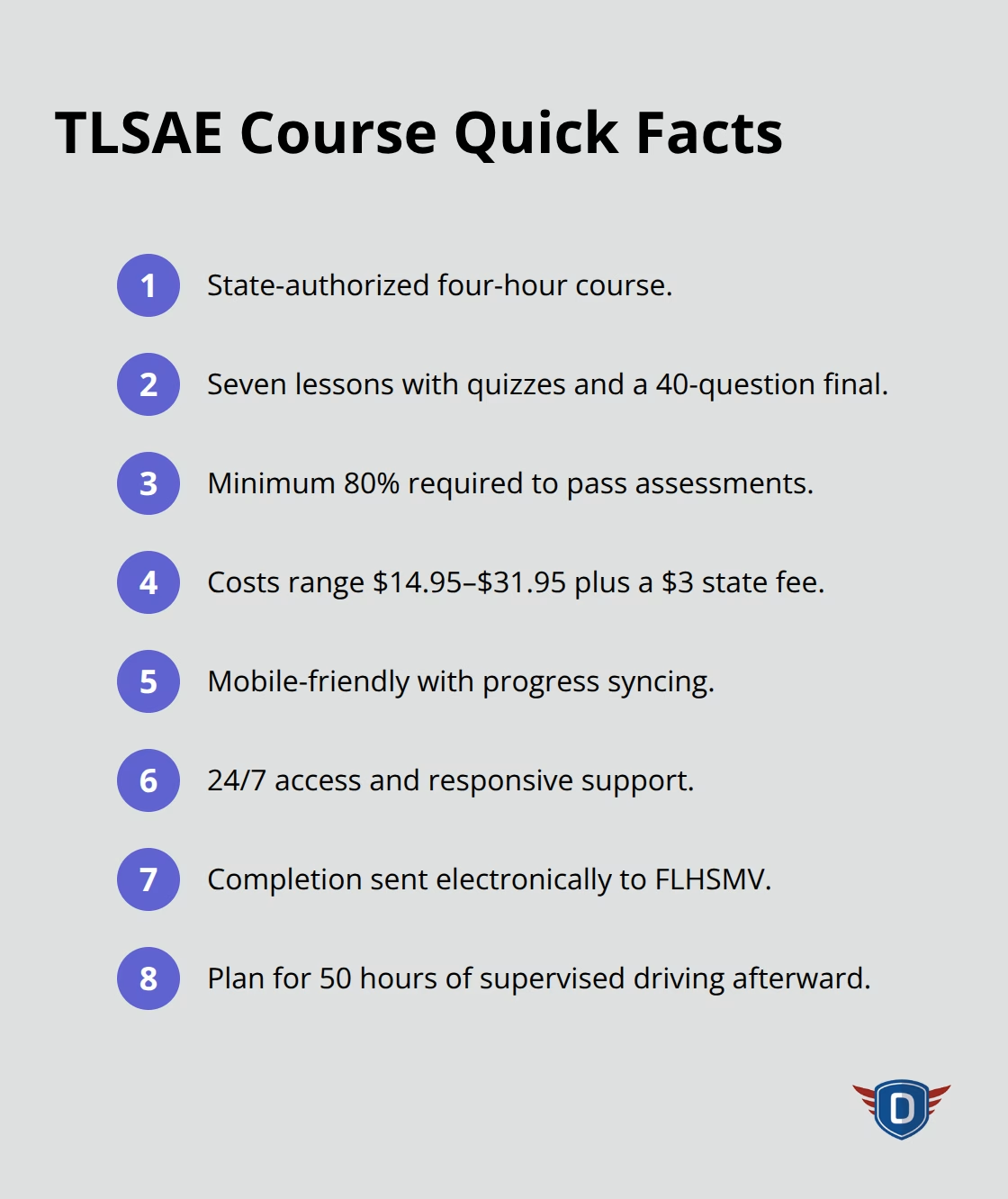
TLSAE stands for Traffic Law and Substance Abuse Education, a mandatory four-hour course required by the Florida Department of Highway Safety and Motor Vehicles (FLHSMV) for specific drivers before they obtain a license. The course is state-authorized with Course Number 35731 and covers three interconnected areas: traffic laws, substance abuse education, and defensive driving techniques that apply directly to real driving situations. If you’re 18 or older and have never held a Florida driver’s license, or if you don’t currently possess one, you must complete TLSAE before applying for your permit.
Who Must Take TLSAE
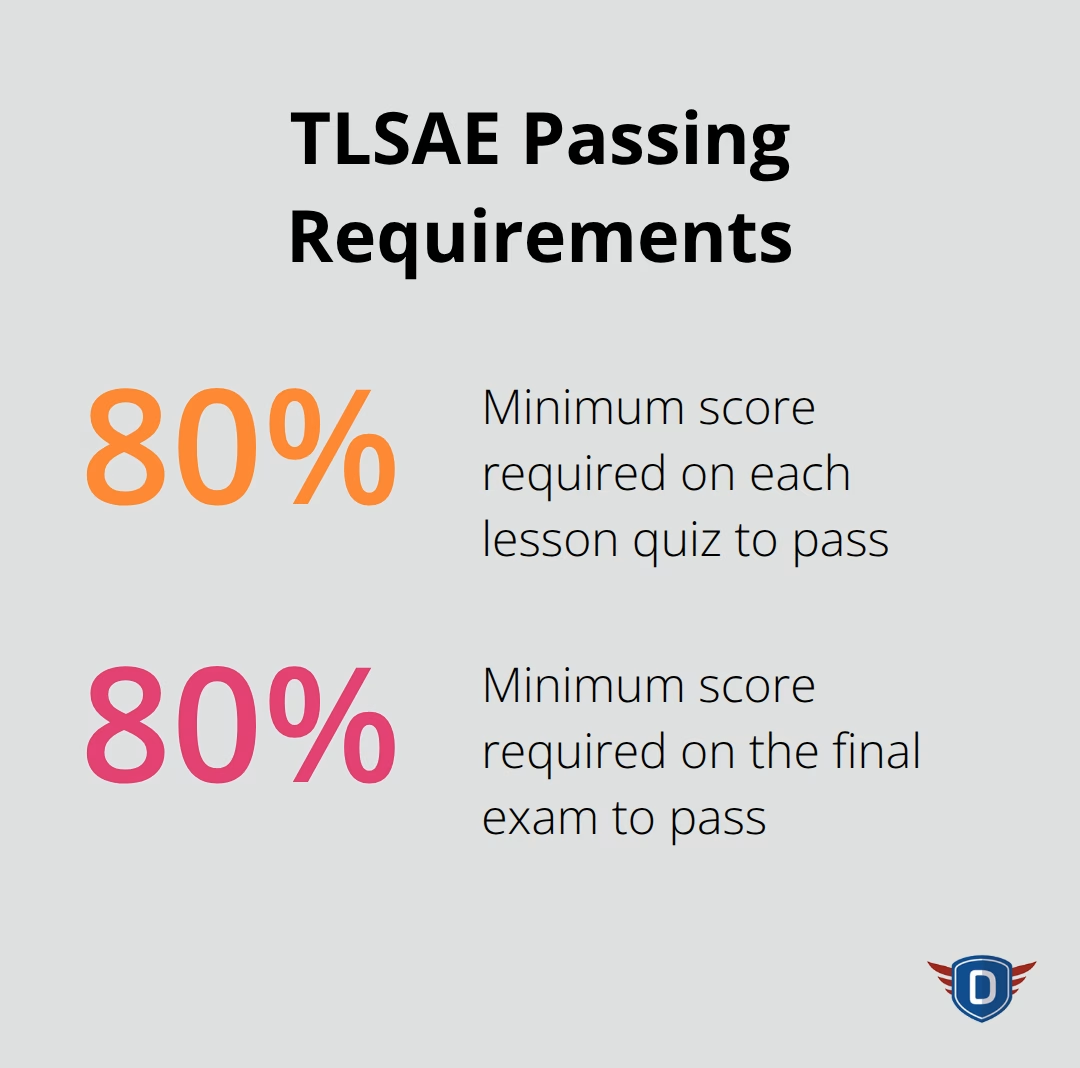
Drivers under 21 who receive a suspension notice for a blood alcohol level between 0.02 and 0.05 must finish TLSAE to reinstate their license on a hardship basis, which restricts driving to business or employment purposes only. The course consists of seven lessons covering physiological factors of substance use, psychological impacts, societal costs, effects on driving performance, and Florida’s major traffic laws organized across two parts. You’ll encounter seven lesson quizzes plus a final 40-question exam, and you must score at least 80 percent on each quiz and the final exam to pass (though you have unlimited attempts to retake any quiz or exam until you succeed).
TLSAE’s Role in Your Licensing Path
TLSAE sits at the beginning of Florida’s graduated licensing system as a mandatory checkpoint you must complete before scheduling your permit test, making it impossible to move forward in the licensing process without finishing it. The course content connects speed limits, right-of-way rules, and road signs to practical decision-making at intersections, roundabouts, and different road environments, with specific focus areas including road sign categories (Regulatory, Warning, Guide signs), school zone speeds of 20 mph, and urban or residential speeds of 30 mph.
What Happens After You Complete TLSAE
After you complete TLSAE, the FLHSMV automatically receives your completion electronically when you use an approved provider through Florida’s New Driver portal, and you’ll receive a downloadable certificate with a unique confirmation code to present when scheduling your permit test. Florida law requires a minimum of 50 hours of supervised driving practice after TLSAE before you earn your full license, so completing this course early prevents licensing delays and the stress of rushing through material later in the process. The final assessment is scenario-based, testing your ability to apply concepts to real driving decisions rather than simply recalling facts, and typically takes 30 to 45 minutes to complete.
Now that you understand what TLSAE is and why it matters, the next section covers the specific topics you’ll encounter in the course and how they prepare you for safe driving on Florida roads.
What You’ll Actually Learn in TLSAE
How the Seven Lessons Build Your Driving Knowledge
The TLSAE course breaks down into seven lessons that move beyond memorization into practical application. Lessons one and two focus on physiological factors of substance use, covering how alcohol and drugs affect absorption rates, motor skills, and vision. This information helps you understand impairment onset and recognize when you or others shouldn’t drive.
Lessons three and four examine psychological impacts and societal costs, showing you the real consequences of substance abuse through addiction patterns, legal problems, and economic damage. You learn how these factors play out in actual driving situations rather than through abstract warnings.
From Substance Effects to Traffic Laws
Lessons five through seven shift to driving reality: how alcohol and other drugs impair your ability to brake, steer, and make split-second decisions at intersections. The final two lessons cover Florida’s actual traffic laws addressing graduated licensing rules, insurance requirements, safety equipment, and the specific speed limits you’ll face on Florida roads.
What the Final Assessment Actually Tests
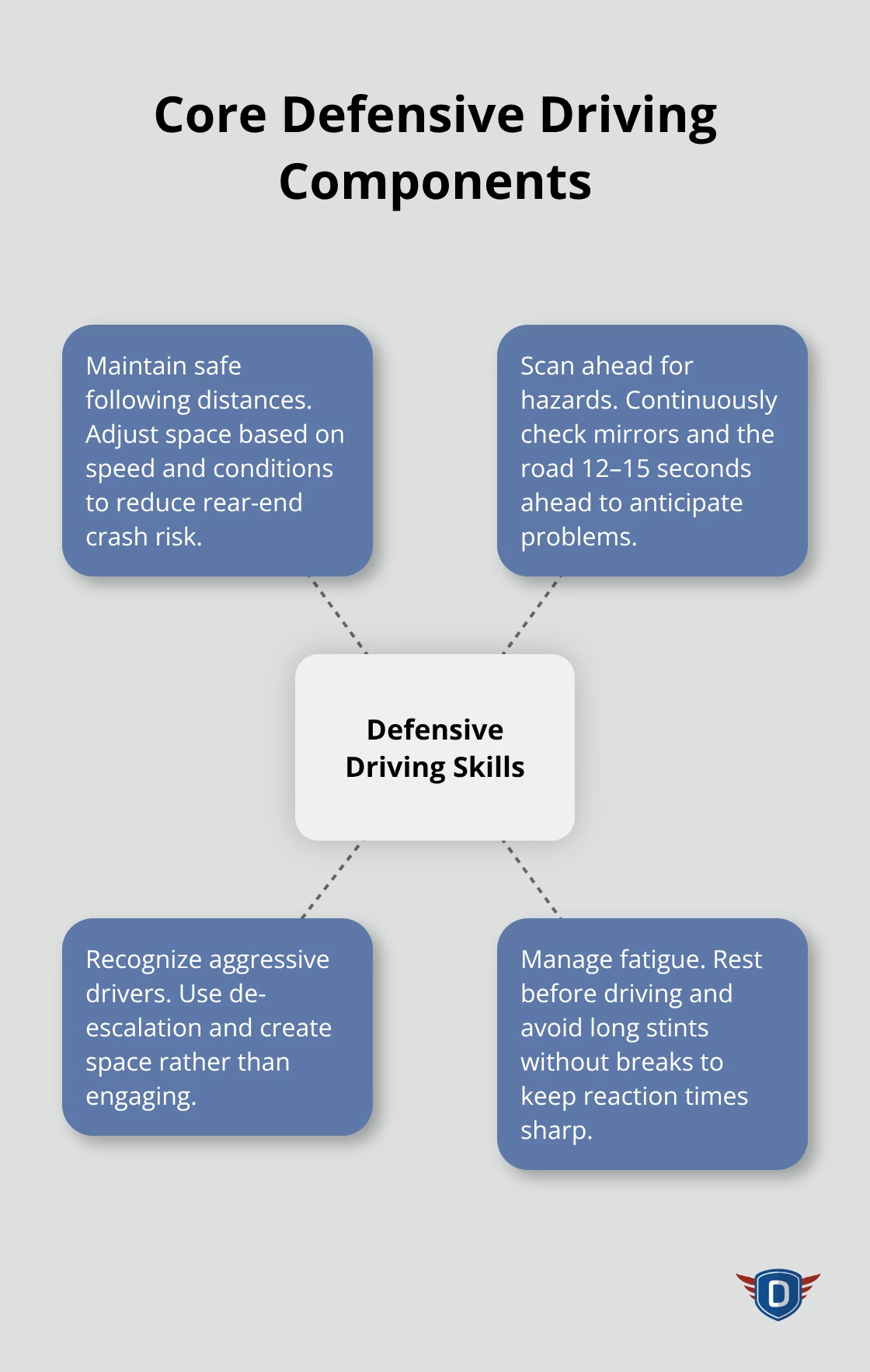
The final assessment tests scenario-based decision-making over raw recall. You won’t memorize road sign names but instead learn when to yield at four-way stops, how to handle aggressive drivers, and why following distance matters at different speeds. The Official Florida Driver License Handbook emphasizes defensive driving components including maintaining safe following distances, scanning ahead for hazards, recognizing aggressive driver behavior, and understanding how fatigue impacts your performance-skills that directly prevent crashes rather than just satisfy licensing requirements.
How You Pass and What Success Looks Like
You must score at least 80 percent on each of the seven lesson quizzes and the 40-question final exam. You get unlimited attempts to retake any quiz or exam until you pass, so the pressure isn’t about speed but about genuinely understanding how to make safer decisions on Florida roads. This structure means you focus on mastery rather than rushing through material.
With TLSAE content mapped out, the next section walks you through selecting an approved provider and structuring your study timeline to complete the course efficiently.
How to Complete Florida TLSAE Successfully
Selecting an Approved TLSAE Provider
Only FLHSMV-authorized courses report completion directly to the state, preventing delays that could push back your permit test by weeks. The official FLHSMV website lists all approved TLSAE providers, and you should verify your chosen provider appears on that list before enrolling. Providers like CyberActive, Aceable, DriversEd.com, and American Safety Institute all deliver the same state-mandated content but differ significantly in price, interface quality, and customer support responsiveness.
Costs typically range from $14.95 to $31.95 depending on sales and provider, plus a $3 state assessment fee that goes directly to Florida. Shopping around can save you $15 or more without sacrificing course quality. At floridadetscourse.com, we provide comprehensive driver education programs tailored to an excellent learning experience with certified instructors offering personalized guidance.
Understanding Your Time Commitment
The course requires four hours of instruction time, but you control your own pace and can spread completion across days or weeks depending on your schedule. Most new drivers complete TLSAE within three to five days of starting, taking one or two lessons per session rather than rushing through everything at once.
This approach improves retention and exam performance.
The course structure includes seven lessons with minimum time requirements to prevent skimming, followed by seven lesson quizzes and a final 40-question exam where you need 80 percent to pass. Unlimited retakes mean you focus on understanding rather than panicking about a single attempt.
How the Course Platform Works
Mobile-friendly platforms let you start a lesson on your phone during lunch, pause without losing progress, and resume later from your computer. You fit studying around work, school, or other commitments without sacrificing flexibility. The Student Center tracks your progress and lets you review completed chapters at any time.
Customer support is available during typical hours on weekdays and weekends for technical help or course questions. You can access the course 24/7 from any internet-enabled device with an internet connection.
What Happens During the Final Assessment
The final assessment takes 30 to 45 minutes and uses scenario-based questions testing real decisions-like how to handle an aggressive driver or what to do at a four-way stop. You won’t memorize road sign names or recite traffic code sections. Instead, you apply concepts to actual driving situations you’ll face on Florida roads.
You must score at least 80 percent on the 40-question final exam to pass. The assessment tests your ability to make safer decisions rather than your ability to recall facts from memory.
Final Thoughts
Completing TLSAE marks your first real step toward becoming a safe, licensed driver in Florida. The four-hour investment in learning traffic laws, substance abuse effects, and defensive driving techniques directly prevents crashes and saves lives on Florida roads. After you finish and receive your completion certificate, you can immediately schedule your permit test through the FLHSMV, keeping a digital or printed copy as proof at the DMV or tax collector office.
The defensive driving skills you learned in Florida TLSAE basics apply to every mile you drive for the rest of your life. You’ll maintain safe following distances, scan ahead for hazards, recognize aggressive driver behavior, and understand how fatigue impacts your performance-habits that protect you and everyone sharing Florida roads. Florida law requires a minimum of 50 hours of supervised driving practice after TLSAE before you earn your full license, so plan your timeline accordingly and avoid rushing through this essential phase.
If you want additional support beyond TLSAE, floridadetscourse.com offers comprehensive driver education programs with certified instructors who provide personalized guidance to build confidence and create lifelong safe driving habits. Start your TLSAE course today with an approved FLHSMV provider and move forward in your licensing journey.