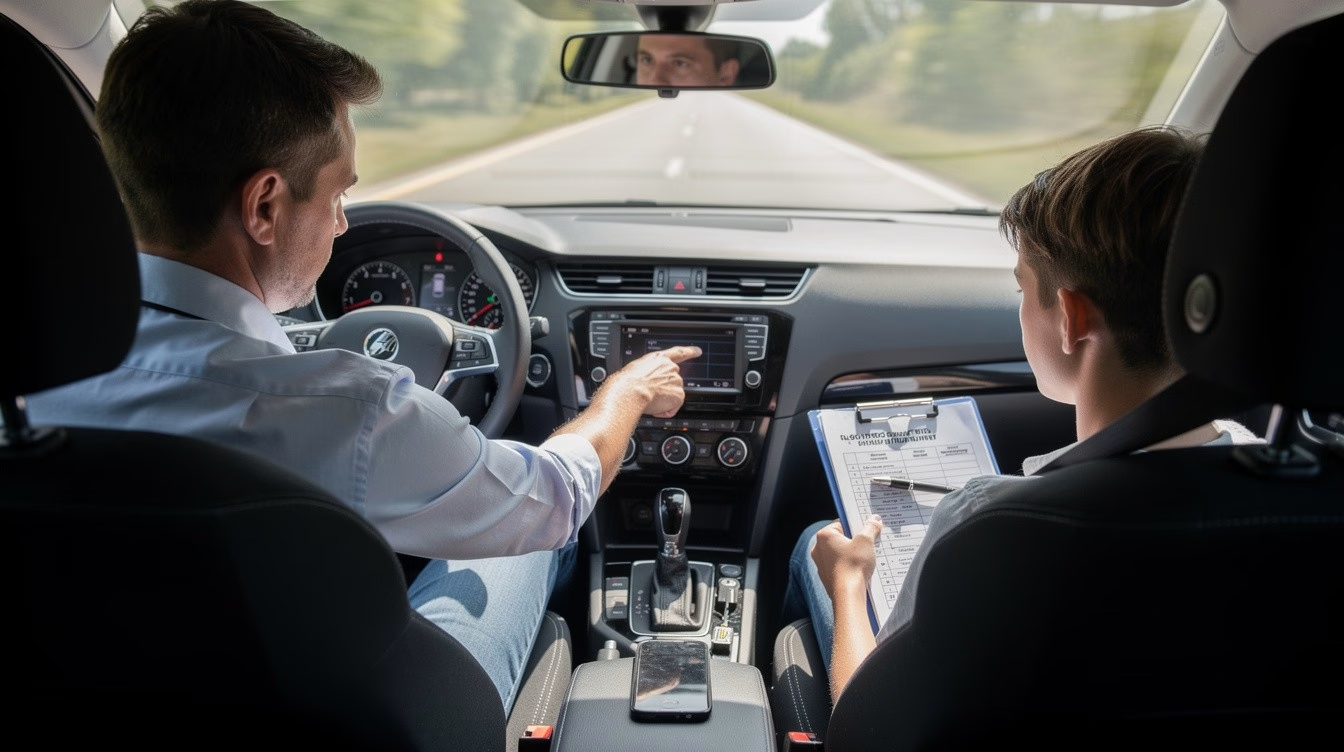
Most drivers think they’re safe until something goes wrong. The truth is that small habits-like maintaining proper following distance and scanning ahead-separate confident drivers from those who get into accidents.
We at floridadetscourse.com know that driver education safety tips work best when they’re practical and actionable. This post covers defensive techniques, common mistakes to avoid, and Florida traffic laws that keep you and others protected on the road.
The Three Habits That Stop Crashes Before They Happen
Most crashes happen because drivers react instead of anticipate. The National Safety Council reports that over 80 million drivers have completed defensive driving courses since 1964, and those who master the core techniques reduce crash risk significantly.
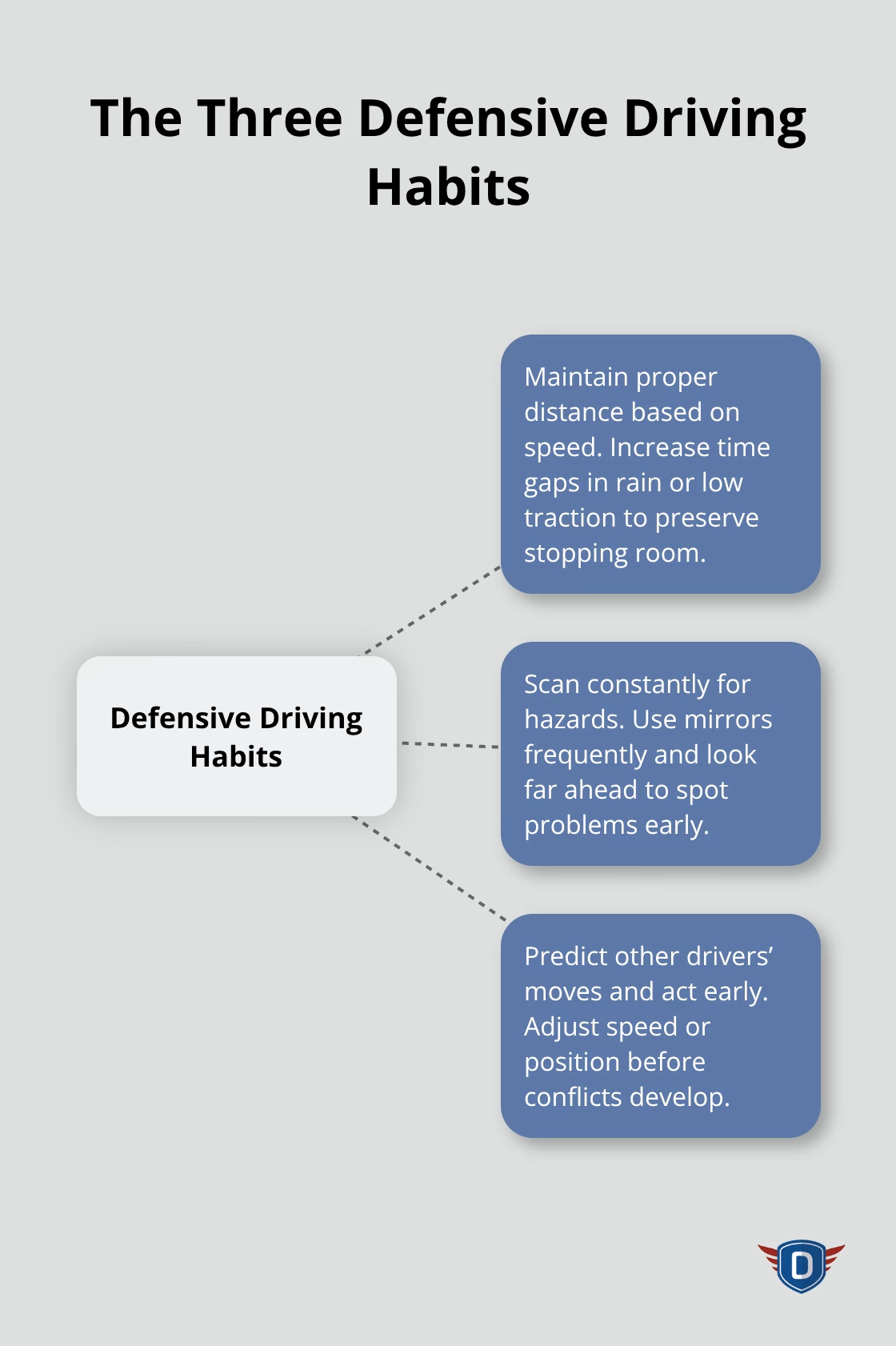
The difference between a safe driver and one who gets into accidents comes down to three specific habits: maintaining proper distance based on speed, scanning constantly for hazards, and predicting what other drivers will do before they do it. These aren’t complicated skills, but they require discipline and awareness that most drivers never develop.
Distance That Matches Your Speed
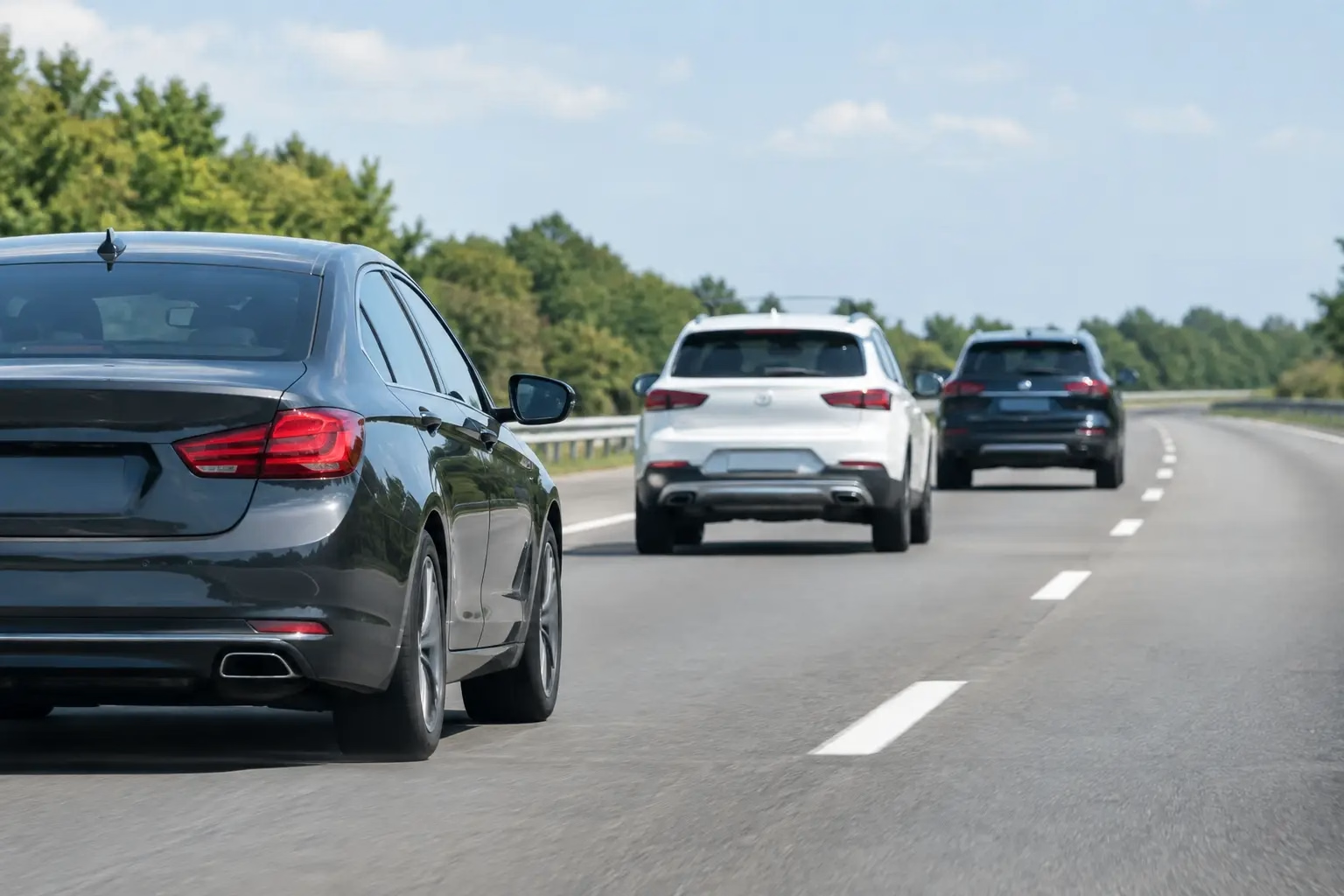
The three-second rule is the baseline, but it’s not enough. At normal highway speeds above 55 mph, a three-second gap equals roughly 120 feet, yet most drivers keep far less space. In wet conditions, increase to four to five seconds because rain reduces tire grip and extends stopping distance. On icy roads, you need 20 to 30 mph slower speeds just to maintain control. A naturalistic study found that rear-end crashes often involved following too closely, making this a common crash factor. At 60 mph, you travel 88 feet per second-if someone brakes suddenly and you’re only two car lengths back, you will hit them. Count the seconds between when the car ahead passes a fixed point and when your car reaches it. If you can’t count to three, you’re too close.
Scanning and Peripheral Awareness
Check your mirrors every five to ten seconds and look 20 to 30 seconds ahead, not just at the car in front of you. Use your peripheral vision to catch movement on the sides of the road and turn your head before changing lanes to spot blind spots that mirrors miss. At night, headlights illuminate about 250 feet at 60 mph, which means your reaction time is severely limited. Scanning ahead gives you time to adjust speed or position before a hazard forces an emergency maneuver. Constant scanning catches weather changes, pedestrians, cyclists, debris, and brake lights three cars ahead so you can react early.
Predicting and Acting Early
Anticipation turns you from a reactive driver into a proactive one. Watch for brake lights in the distance and begin slowing down before the car directly in front of you brakes. Notice if a car drifts between lanes or has its turn signal on, and assume they will move into your path. Watch for pedestrians stepping off the curb and cyclists weaving through traffic. Anticipation prevents angle crashes and other collisions caused by failing to yield. If you see a school bus, assume it will stop. If you see a parked car with a driver inside, assume they will pull out. Early action gives you space and time, which are the only tools that prevent crashes.
Why Most Drivers Fail at These Three Habits
Overconfidence kills. Most drivers believe they’re above average, yet they skip the mirror checks, tailgate in traffic, and assume other drivers will do what they expect. Distractions make it worse-one in three teens text while driving, and dialing increases crash risk 6 times while texting increases it 23 times. You can’t scan ahead if your eyes are on your phone. You can’t anticipate if you’re not paying attention. The three habits only work when you eliminate distractions and commit to the discipline they require.
These defensive techniques form the foundation of safe driving, but they mean nothing if you don’t know the specific traffic laws that govern Florida roads. The next section covers the rules that protect you legally and practically.
Common Driving Mistakes That Kill
Your phone is more dangerous than a drunk driver, and Florida traffic data proves it. The National Highway Traffic Safety Administration reports that 3,208 people were killed in motor vehicle crashes involving distracted driving, with dialing increasing crash risk 6 times and texting 23 times. One in three teens text while driving, turning a two-second glance into a weapon.
Distracted Driving: The Silent Killer
Put your phone in the glove compartment before you drive, not on the seat or dashboard. Set your GPS destination and audio preferences before you move, eliminating the urge to fidget while driving. If you must use navigation, mount your phone in a hands-free holder and use voice commands only. Your eyes belong on the road, not on a screen.
Speeding in Residential Areas and School Zones
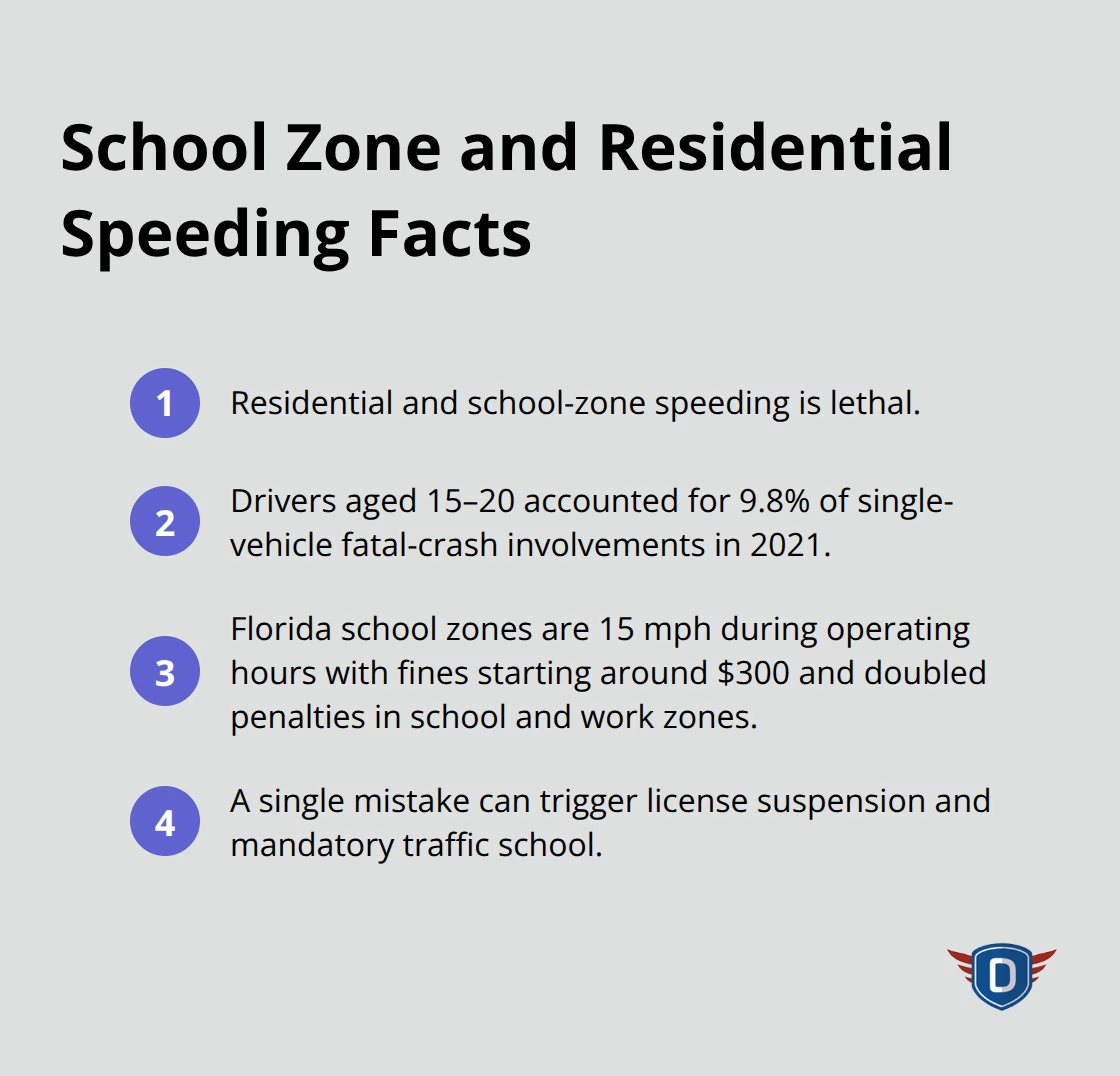
Speeding in residential areas and school zones isn’t just illegal-it’s lethal. The 15- to 20-year-old age group accounted for 9.8 percent of all drivers involved in single-vehicle fatal crashes in 2021. Florida school zones are typically 15 mph during operating hours, and speeding fines start around $300 plus points, with penalties doubling in school and work zones. A single mistake triggers license suspension and mandatory traffic school.
School zones demand respect because children are unpredictable. Their reaction time is slower, and they dart between parked cars without warning. Slow down, stay alert, and assume every child near a school will step into traffic.
Aggressive Maneuvers and Tailgating
Aggressive driving stems from impatience and ego, not necessity. Tailgating saves seconds, not minutes, and costs lives. A naturalistic study of 1,691 teen crashes found that 36% of rear-end collisions involved following too closely-meaning the driver behind had zero reaction time when the car ahead braked.
Pass only when it’s legal and safe (use a passing lane, ensure clear oncoming traffic, and signal before moving). Unsafe passing in residential areas or near school zones violates Florida law and increases your insurance premiums. The real problem is that most drivers treat these violations as minor inconveniences rather than crash predictors.
Drowsy Driving and the Cost of Fatigue
Drowsy driving killed about 644 people in 2024 according to NHTSA data. If you feel sleepy, pull over and rest-no arrival time is worth a crash. Fatigue impairs judgment as much as alcohol does, yet drivers ignore warning signs and push forward anyway.
These mistakes form predictable patterns, and Florida traffic laws exist to prevent them. Understanding the specific rules that govern your driving-from right-of-way at intersections to seatbelt requirements-transforms knowledge into compliance and safety.
Florida Traffic Laws That Protect Your Driving Record
Florida traffic laws exist for one reason: to prevent crashes and protect drivers who follow the rules. At intersections, right-of-way determines who moves first, and violations cause angle crashes that injure or kill. Understanding these rules transforms your driving from reactive to compliant and safe.
Right-of-Way at Intersections and Roundabouts
At a four-way stop, the first vehicle to arrive has the right to proceed; if two vehicles arrive simultaneously, the one on the right goes first. Left turns on green require that you have a clear path through oncoming traffic or a dedicated left-turn arrow; if you turn without confirming the intersection is clear, you’re liable for the crash and the injuries. Yield to pedestrians in crosswalks and cyclists on the road, even if you have a green light-they have the right to cross safely, and Florida law holds you responsible if you hit them.
Roundabouts operate differently from traditional intersections. You yield to traffic already in the circle and enter when safe, moving counterclockwise and exiting when your street approaches. Most drivers panic in roundabouts because they’re unfamiliar, but the rule is simple: yield first, enter second, exit when your turn comes.
Speed Limits Across Different Zones
Speed limits vary by zone because different areas demand different reaction times. Residential areas are typically 25 mph; school zones are 15 mph during operating hours, and fines start around $300 plus points with penalties doubling in school and work zones. A single speeding violation in a school zone can trigger license suspension and mandatory traffic school.
Highway speeds above 55 mph demand that you adjust your following distance to at least 120 feet; on wet roads, increase to 160�180 feet because stopping distance extends dramatically when traction decreases. Wet pavement reduces tire grip and forces you to slow down to maintain control. Icy roads require 20�30 mph slower speeds just to maintain stability.
Seatbelts and Child Safety Seats
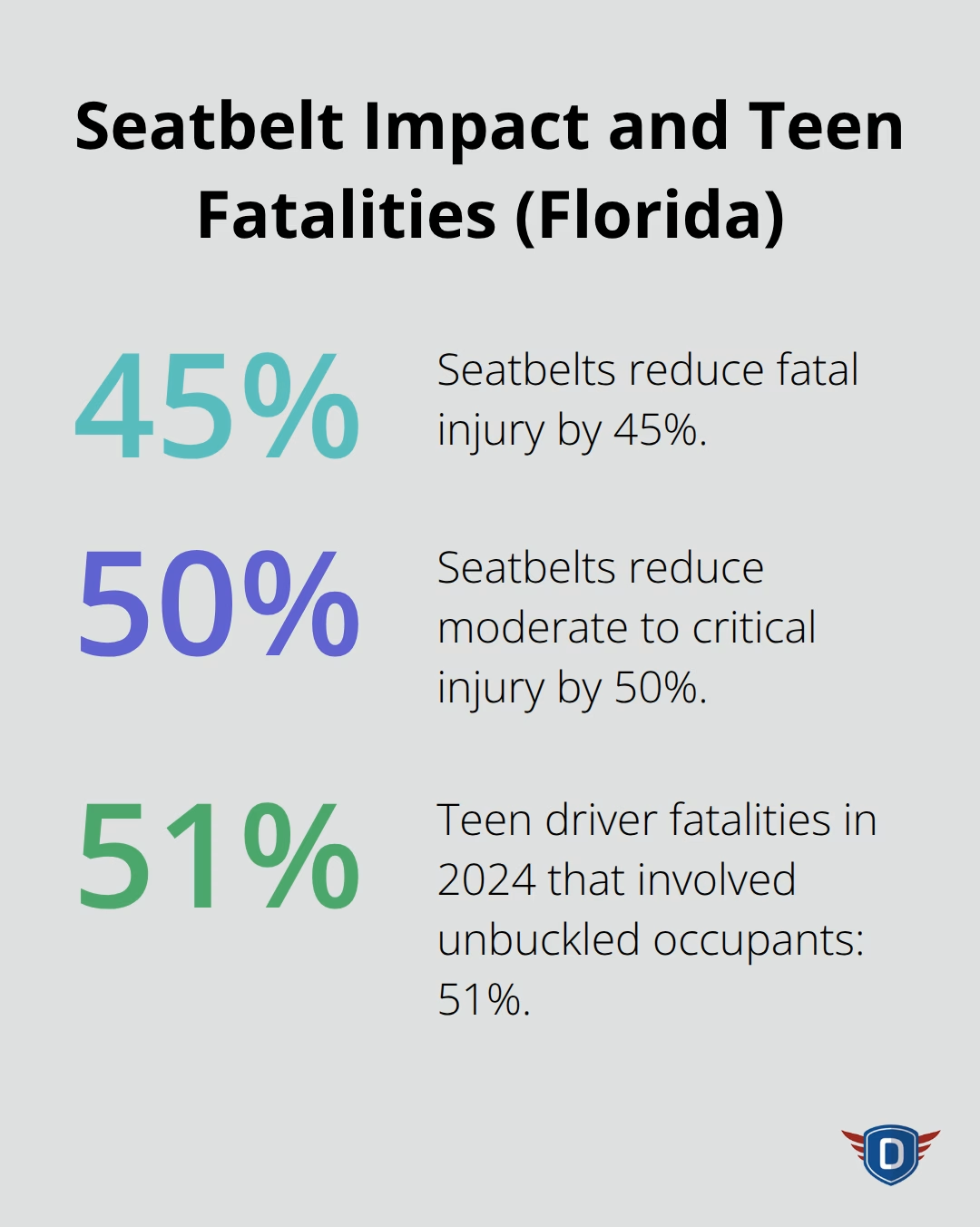
Seatbelts save lives-they reduce fatal injury by 45 percent and moderate to critical injury by 50 percent. Florida law requires seatbelts for all occupants; in 2024, 51 percent of teen driver fatalities involved unbuckled occupants, meaning they died in crashes where a seatbelt would have prevented the injury. Children under six must use an appropriate car seat or booster; rear-facing seats are required until age two because they protect the spine and neck during frontal crashes. Violations carry fines and points on your license.
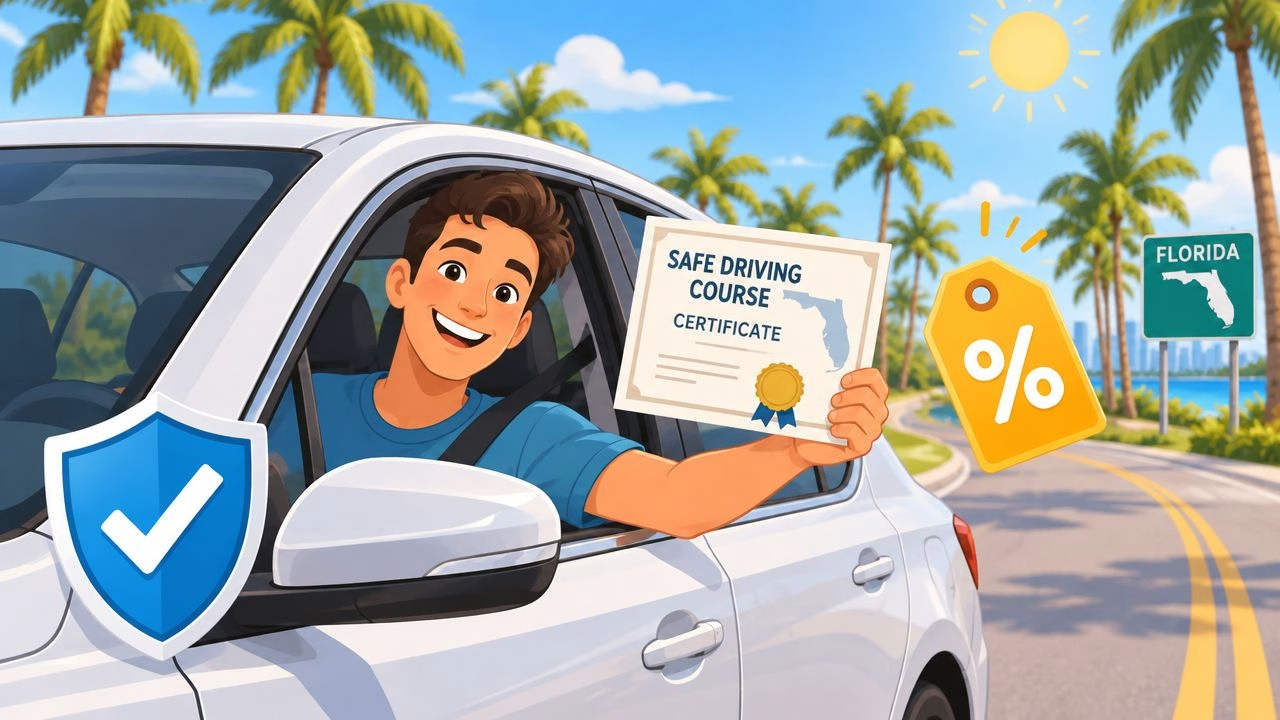
If you’re cited for a seatbelt violation or speeding in a school zone, completing an approved traffic school course can help reduce points and potentially lower your insurance premiums. Many insurers offer discounts for completed safety training, and the cost of the course often pays for itself within a single policy year through those savings.
Final Thoughts
Safe driving habits form through repetition, not intention. The defensive techniques in this post-maintaining proper distance, scanning ahead, and anticipating other drivers’ moves-work because they give you time and space to react before a crash happens. Florida traffic laws reinforce these habits by setting clear rules for intersections, speed limits, and seatbelt use, and when you follow them consistently, you reduce crash risk and protect your driving record.
Driver education safety tips transform knowledge into real behavior change. The National Safety Council reports that over 80 million drivers have completed defensive driving courses since 1964, and those who master the core techniques reduce crash risk significantly. Completing an approved course rewires how you think about the road and helps you spot hazards before they force a reaction.
If you’ve received a traffic citation or want to strengthen your knowledge of current traffic laws, we at floridadetscourse.com offer Florida-approved traffic school courses that help you become a safer driver. Our programs blend clear explanations with real-life scenarios, and certificates are issued electronically and reported directly to the Florida Department of Highway Safety and Motor Vehicles.