Florida drivers who want to reduce points on their license or simply become safer on the road need quality training. The DETS course overview shows why this program stands out from standard traffic school options.
At floridadetscourse.com, we’ve seen firsthand how defensive driving education transforms how people handle real-world driving situations. This guide walks you through everything you need to know about enrollment, curriculum, and certification.
What is DETS and Who Needs It
DETS stands for Driver Education Traffic Safety, and it’s a mandatory 6-hour online course that Florida requires for anyone under 18 applying for a learner’s permit. As of August 1, 2025, this requirement replaced the older 4-hour TLSAE course, marking a significant shift in how the state approaches teen driver education. The Florida Department of Highway Safety and Motor Vehicles designed DETS to address modern driving hazards that the previous curriculum didn’t adequately cover. Unlike generic traffic school programs that focus on point reduction or court compliance, DETS targets the specific risks that young drivers face: distracted driving, drowsy driving, impaired judgment, and poor hazard recognition. The course content emphasizes defensive driving techniques, real-world decision-making, and the physiological effects of alcohol and drugs on driving ability. This isn’t theoretical material-it’s practical knowledge drawn from crash data and behavioral research about teen drivers.
Who Must Complete DETS
Florida law is clear: if you’re under 18 and have never held a driver’s license, you must complete DETS before you can apply for a learner’s permit. This applies to first-time drivers only. If you already hold an out-of-state license and are transferring to Florida, you’re exempt. If you completed TLSAE before August 1, 2025, you’re grandfathered in for one year after completion. However, if you completed TLSAE on or after August 1, 2025, you now must take DETS unless you’re enrolled in an approved substitute like DELAP or the FDOE Traffic Safety Classroom course. Adults 18 and older follow a different path entirely-they must complete the 4-hour TLSAE course, not DETS. The distinction matters because the two courses address different developmental stages and driving risks. DETS acknowledges that teen brains process risk differently than adult brains and builds curriculum around that scientific reality. State-approved providers like Aceable and American Safety Council deliver DETS online with 24/7 access, allowing students to complete the course on their schedule across any device. The course typically takes 6�8 hours to finish, depending on how quickly you work through the modules.
How DETS Stands Apart
DETS differs fundamentally from standard defensive driving courses or point-reduction traffic school programs. Those programs exist primarily to help drivers reduce insurance points or satisfy court orders-important goals, but narrow ones. DETS exists to prevent crashes before they happen by equipping new drivers with safety knowledge at a critical moment.
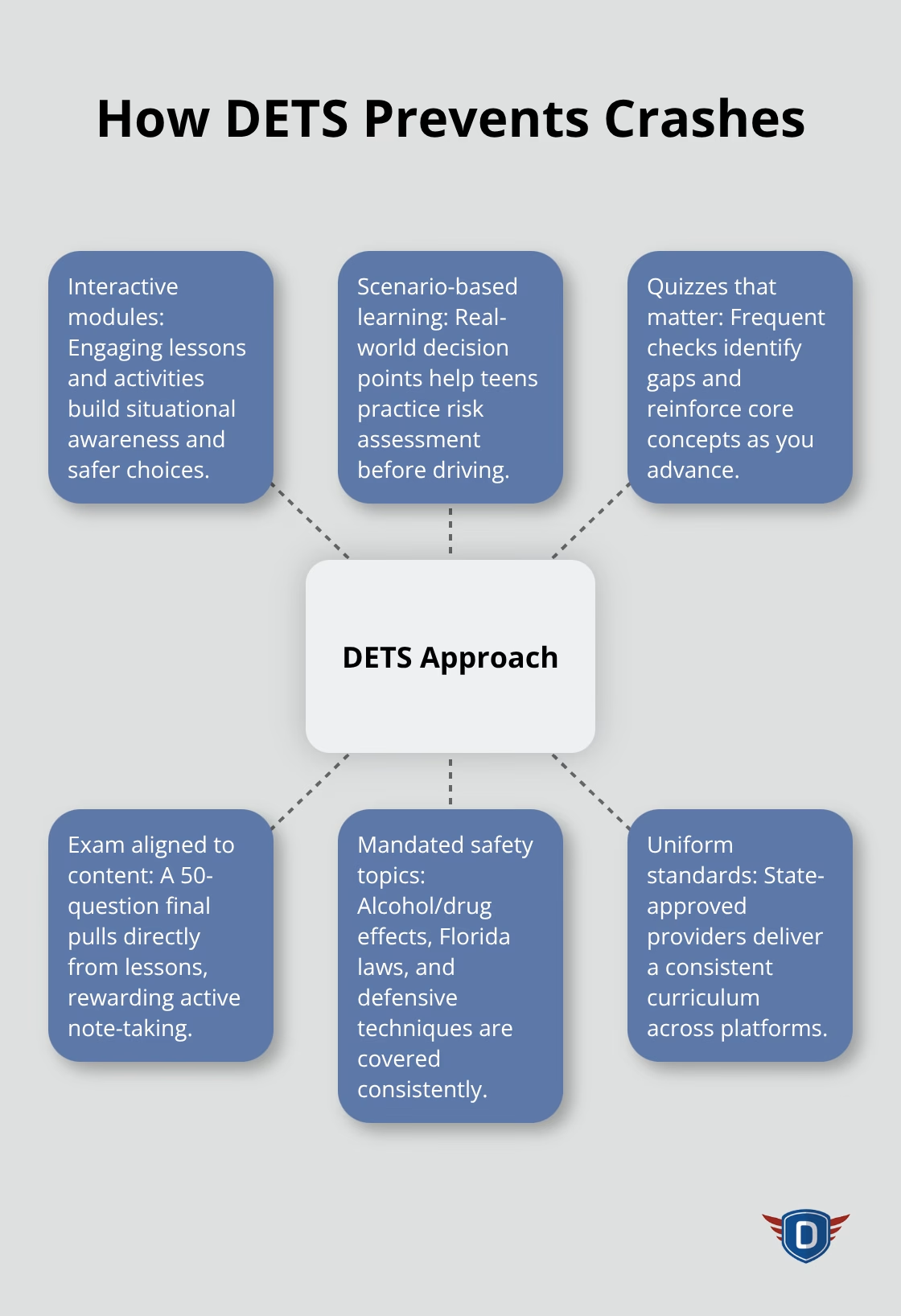
The curriculum integrates interactive modules, scenario-based learning, and quizzes that force you to think through real decisions you’ll face on the road. The final exam contains 50 questions drawn exclusively from course material, so active note-taking during lessons directly impacts exam performance. This approach means you’re not memorizing disconnected facts; you’re building decision-making frameworks. DETS also mandates coverage of specific topics-effects of alcohol and drugs, Florida traffic laws, defensive techniques, and risk awareness-ensuring consistency across all approved providers. Standard traffic school courses vary widely in depth and approach.
What Makes DETS Content Different
The curriculum integrates interactive modules, scenario-based learning, and quizzes that force you to think through real decisions you’ll face on the road. The final exam contains 50 questions drawn exclusively from course material, so active note-taking during lessons directly impacts exam performance. This approach means you’re not memorizing disconnected facts; you’re building decision-making frameworks. DETS also mandates coverage of specific topics-effects of alcohol and drugs, Florida traffic laws, defensive techniques, and risk awareness-ensuring consistency across all approved providers. Standard traffic school courses vary widely in depth and approach, but DETS maintains uniform standards that reflect what teen drivers actually need to know.
Moving Forward With Your DETS Journey
Now that you understand what DETS is and who must complete it, the next step involves understanding the actual course content and how it prepares you for real-world driving situations. The curriculum covers far more than just traffic laws-it addresses the psychological and physiological factors that influence how young drivers make split-second decisions on the road.
What You’ll Actually Learn in DETS
The Five Core Areas of DETS Training
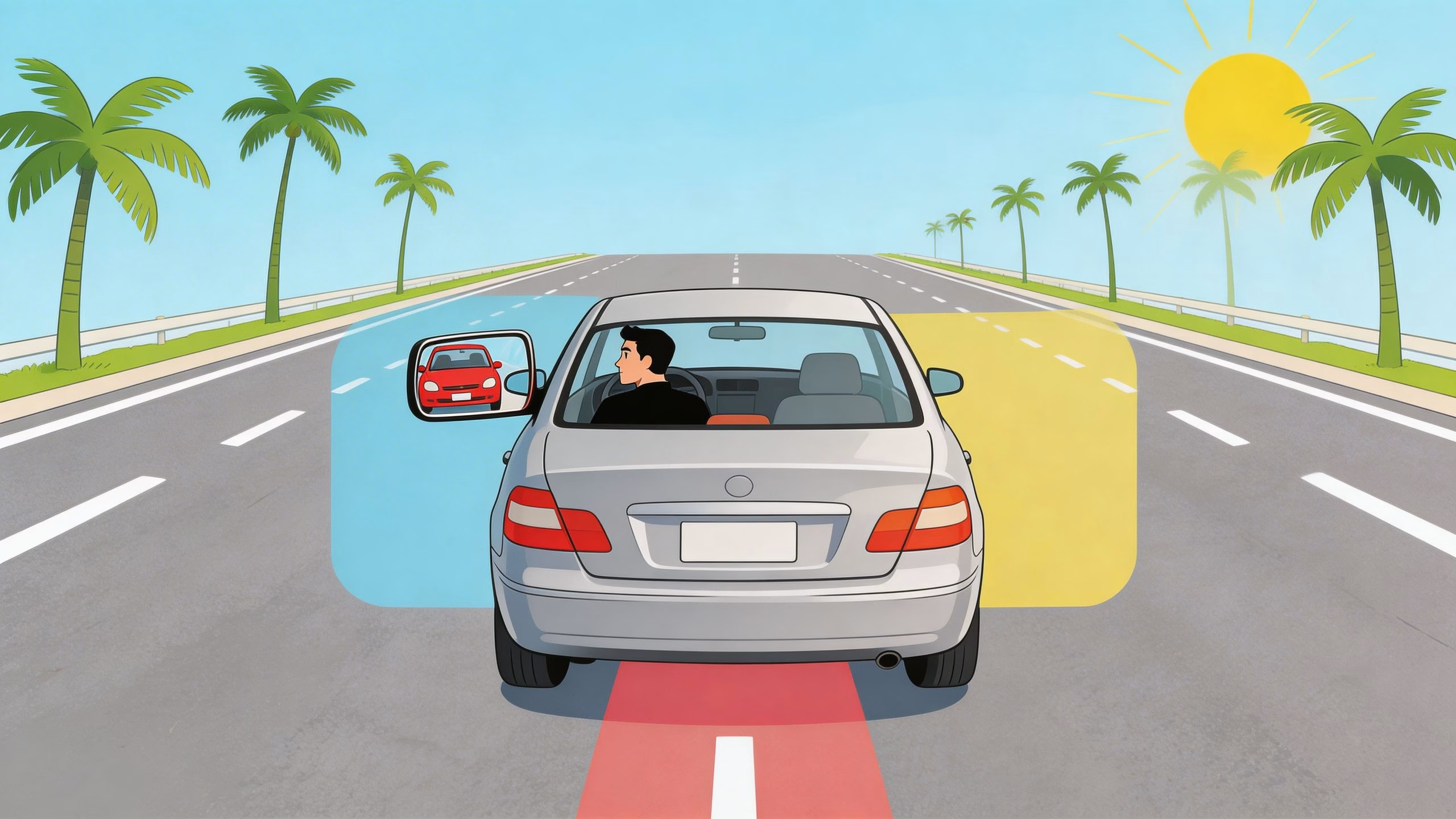
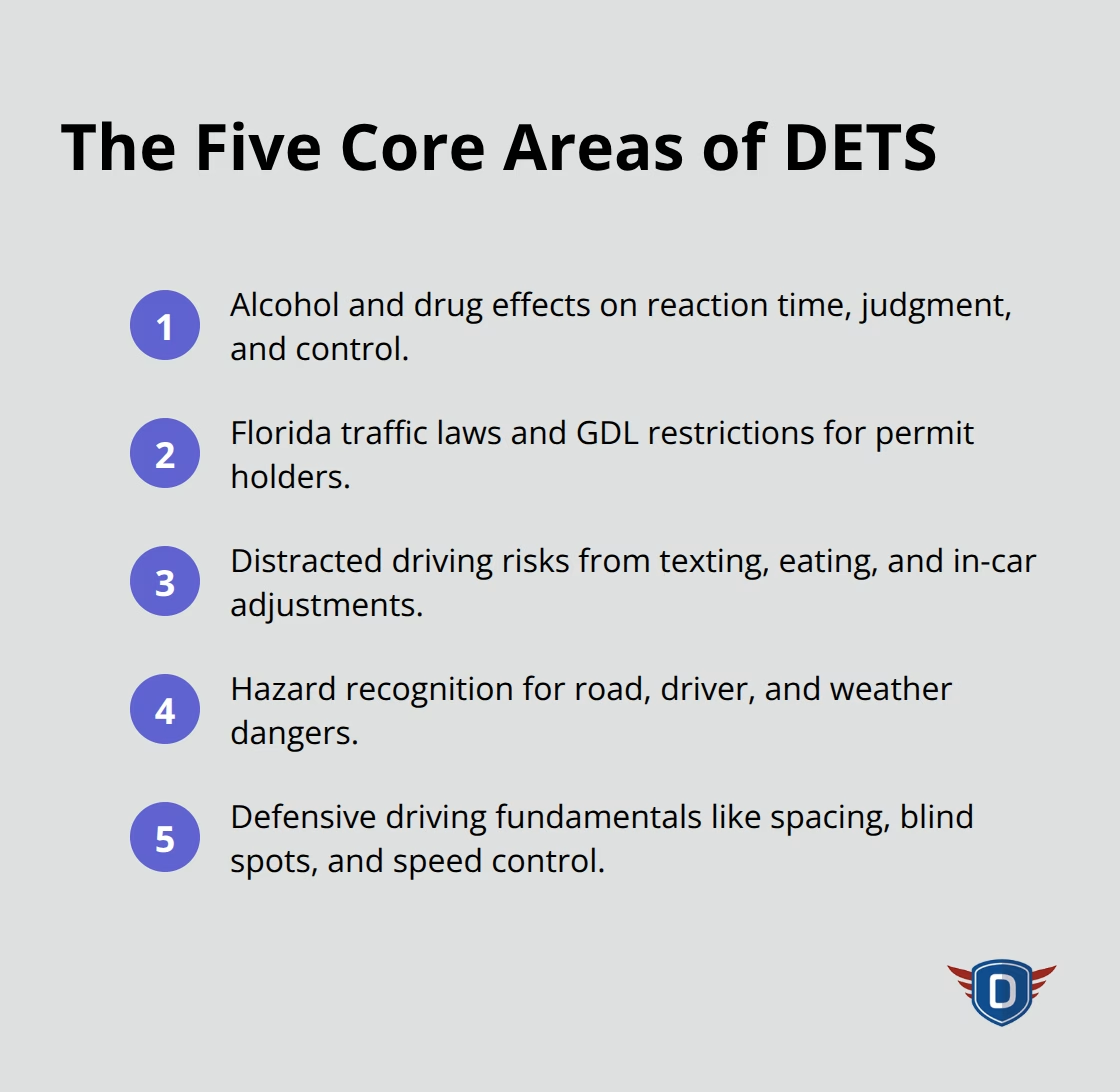
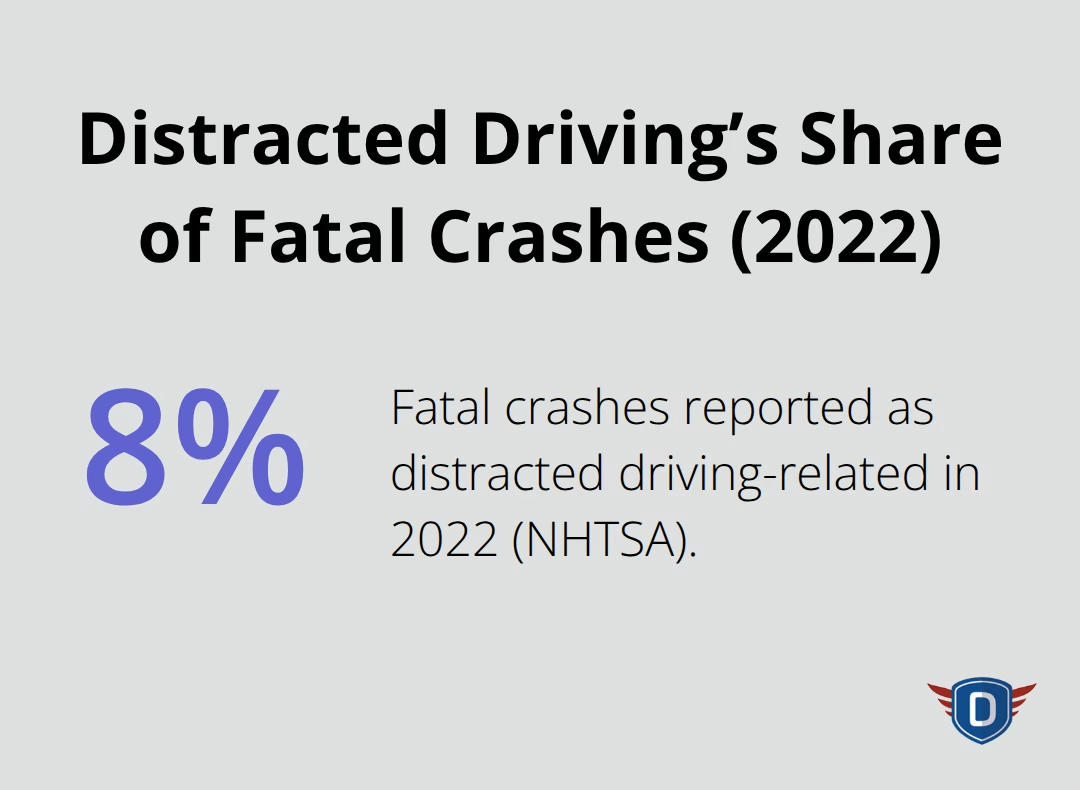
The DETS curriculum focuses on five core areas that directly impact how teen drivers handle real situations. First, the course covers physiological effects of alcohol and drugs on reaction time, judgment, and vehicle control. Students learn how impairment affects driving performance and decision-making in critical moments. Second, DETS teaches Florida traffic laws with emphasis on graduated driver licensing restrictions that apply to permit holders, including passenger limits and nighttime driving curfews. Third, the curriculum addresses distracted driving through scenario modules showing how texting, eating, or adjusting the radio increases crash risk. The National Highway Traffic Safety Administration reports that eight percent of fatal crashes in 2022 were reported as distracted driving-related, making this content vital for new drivers. Fourth, DETS covers hazard recognition-teaching students to identify dangerous road conditions, aggressive drivers, and weather impacts before they become emergencies. Fifth, the course includes defensive driving fundamentals like maintaining safe following distances, understanding blind spots, and adjusting speed to road conditions.
Interactive Learning and Scenario-Based Questions
Each module uses interactive elements rather than passive reading. You’ll encounter scenario-based questions asking what you would do if a car suddenly cut you off or if visibility dropped during rain. The final exam pulls 50 questions directly from this material, so active note-taking during lessons isn’t optional-it’s the difference between passing and retaking the course. This approach forces you to think through real decisions you’ll face on the road instead of memorizing disconnected facts. You build decision-making frameworks that apply to actual driving situations.
How Assessment Reinforces Learning
The assessment structure reinforces learning rather than just measuring it. Progress quizzes after each module let you identify weak areas immediately and review that content before moving forward. This approach prevents knowledge gaps from accumulating.
Some approved providers offer practice exams that mirror the final test format, helping you become familiar with question style and pacing. The 50-question final exam tests comprehension, not memorization-questions ask you to apply what you learned to new situations rather than recall specific facts.
Certificate Issuance and State Reporting
Once you pass, the provider reports your completion directly to the Florida Department of Highway Safety and Motor Vehicles within 24 hours, eliminating the need to manually submit paperwork. Your certificate becomes immediately available for download, and you can proceed directly to schedule your knowledge permit test. This efficiency matters because Florida law requires you to complete DETS before applying for a learner’s permit, so any delays slow your entire licensing timeline. With your completion certificate in hand, you’re ready to move forward with the next critical step in obtaining your learner’s permit.
Getting Started With DETS Enrollment
Quick Registration and Instant Access
Enrolling in DETS takes minutes if you’re under 18 and pursuing your first Florida driver’s license. Visit a state-approved DETS provider’s website-options include Aceable, American Safety Council, and others listed on the Florida Department of Highway Safety and Motor Vehicles website-and complete the simple registration form. You’ll provide basic information like your name, date of birth, and email address. No complex paperwork or in-person appointments stand in your way. The course opens instantly after enrollment, and you can start working through modules on any device with an internet connection.
Flexible Pacing That Fits Your Life
Most students complete the 6-hour requirement in two to three sessions spread across a few days, though some finish it in a single day if they dedicate uninterrupted time. The self-paced format puts you in control of your schedule entirely. If you work part-time or carry heavy school commitments, you can complete one module before work and another in the evening. The mobile-friendly design works on phones, tablets, and computers, so you stay free from desk constraints. You progress through material at your own speed without pressure or rigid deadlines.
Affordable Pricing and Bundle Options
Pricing varies by provider, but you’ll typically pay between $30 and $50 for the course itself. Some providers bundle DETS with the 50-question knowledge exam needed for your learner’s permit, which costs around $45 total for both-a practical option that consolidates two mandatory steps. State fees like the assessment fee and processing fee arrive later when you visit the driver license service center with your completion certificate. This structure keeps upfront costs low while you focus on course completion.
Automatic State Reporting and Certificate Access
After you pass the final exam, your provider automatically reports completion to FLHSMV within 24 hours, and your certificate downloads immediately to your account. This direct reporting eliminates the frustration of manually submitting paperwork to the state. You become immediately eligible to take the official knowledge exam for your learner’s permit, either through your provider’s online portal or at a service center. The entire process from enrollment to certificate-in-hand typically takes three to five days if you work steadily through the material.
Timing Matters for Your Licensing Timeline
Starting the DETS course early matters because Florida law requires completion of driver education before permit application, and any delays push back your entire licensing timeline. If you plan to drive during summer or for a specific event, don’t wait until the last week of July to enroll. The sooner you complete DETS, the sooner you move forward with obtaining your learner’s permit and beginning behind-the-wheel practice.
Final Thoughts
The DETS course overview shows why this 6-hour program matters for teen drivers in Florida. Unlike older traffic school formats focused on point reduction or court compliance, DETS addresses the specific hazards that cause crashes among young drivers: distracted driving, impaired judgment, and poor hazard recognition. The curriculum builds decision-making frameworks through interactive modules and scenario-based learning rather than passive memorization, so you practice how to respond when real situations unfold on the road.
Completing DETS opens the path to your learner’s permit and establishes safer driving habits from day one. The course content on alcohol and drug effects, Florida traffic laws, and defensive techniques applies directly to decisions you make behind the wheel. State-approved providers deliver the course online with flexible pacing, so you control when and how you complete it, and most students finish within a few days.
Starting early matters because every day you delay pushes back your entire licensing timeline. If you’re under 18 and pursuing your first Florida driver’s license, enroll now and complete DETS before summer driving season or any specific deadline you’re targeting. Visit floridadetscourse.com to get started with your driver education today.