Not every driver needs a DETS course. Your violation, court order, or insurance requirements might point you toward a different training path entirely.
We at floridadetscourse.com know that DETS course alternatives exist for good reason-they’re tailored to specific violations, schedules, and learning preferences. This guide walks you through your real options so you can pick the right fit.
What is DETS and Why You Might Need Something Else
Understanding DETS and Its Scope
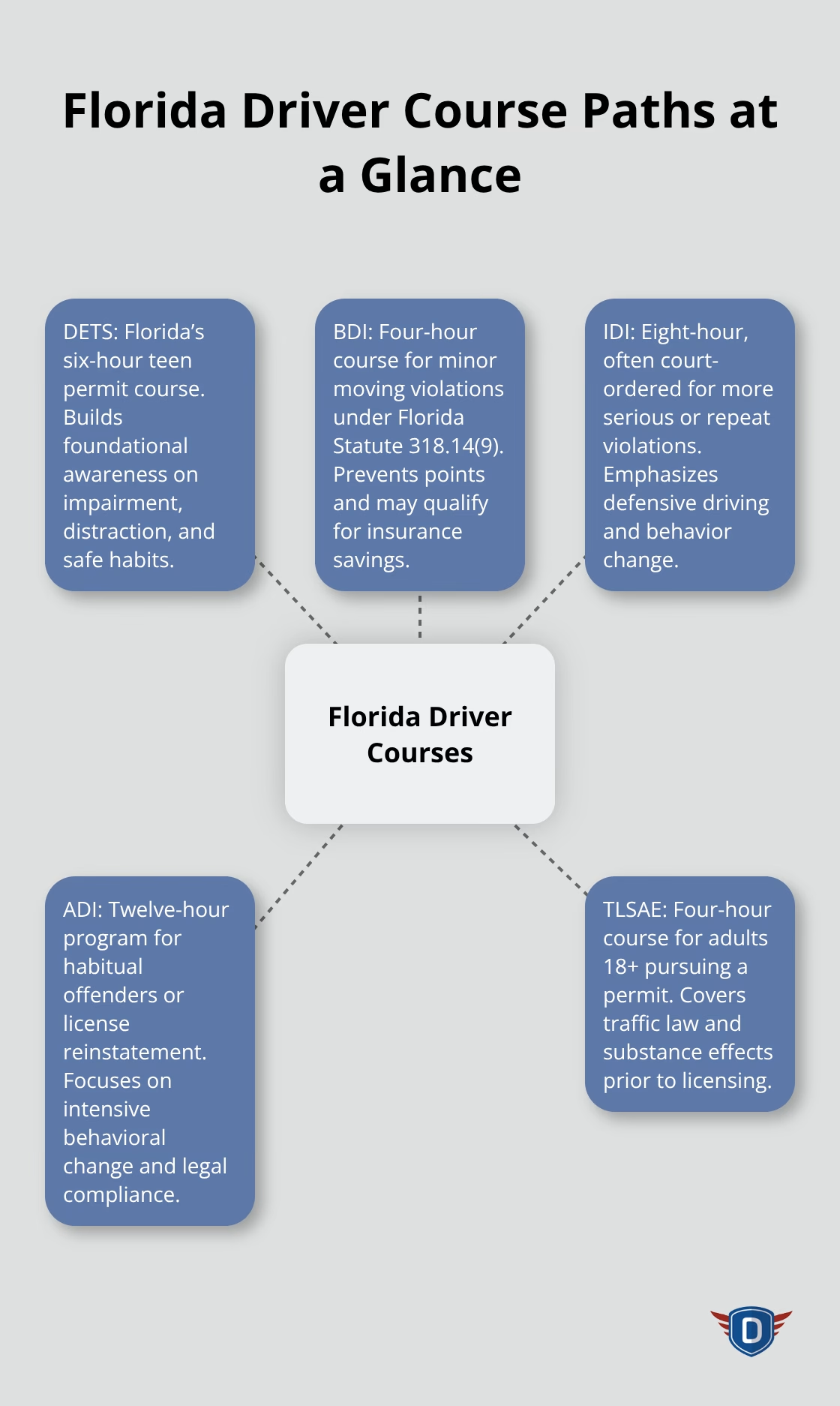
DETS is Florida’s six-hour Driver Education Traffic Safety course, required for teens under age 18 seeking a learner’s permit. The course covers impaired driving dangers, distraction risks, drowsy driving awareness, and safe driving habits through real-life scenarios and current statistics. However, DETS isn’t the only path forward. If you received a traffic ticket, face a court order, need to remove points from your record, or want an insurance discount, a different course fits your situation better. Adults 18 and older still use the four-hour TLSAE course for permit requirements, while drivers cited for violations need Basic Driver Improvement or more specialized programs.
Why One Course Doesn’t Fit All Drivers
The World Health Organization reports approximately 1.19 million road-traffic deaths annually, underscoring why states offer multiple education pathways to address specific driving behaviors and violations rather than one-size-fits-all training. Your reason for taking a course determines which option serves you best. If you received a minor moving violation in Florida, the four-hour Basic Driver Improvement course under Florida Statute 318.14(9) prevents points from being added to your license and may qualify you for insurance savings. You can take BDI once every 12 months and up to five times in your lifetime.
Matching Violations to the Right Course
If a judge ordered more intensive training, the eight-hour Intermediate Driver Improvement course provides deeper instruction on traffic laws and defensive driving. For serious violations or license reinstatement after suspension, the 12-hour Advanced Driver Improvement course addresses behavioral change and habitual offender requirements. The key difference is scope: DETS builds foundational safe driving habits for new teen drivers, while violation-specific courses address existing driving problems and legal consequences. floridadetscourse.com offers Florida DHSMV-approved options with instant certificate delivery to courts and licensing authorities across all 67 Florida counties.
Finding Your Next Step
Choosing the right course means understanding your violation type, court deadlines, and whether your goal is permit eligibility, points reduction, or license reinstatement. Each path serves a distinct purpose, and selecting the wrong one wastes time and money. The next section walks you through how to assess your specific situation and compare the courses that actually apply to your case.
What Your Violation Type Really Determines
Minor Violations and the Four-Hour BDI Path
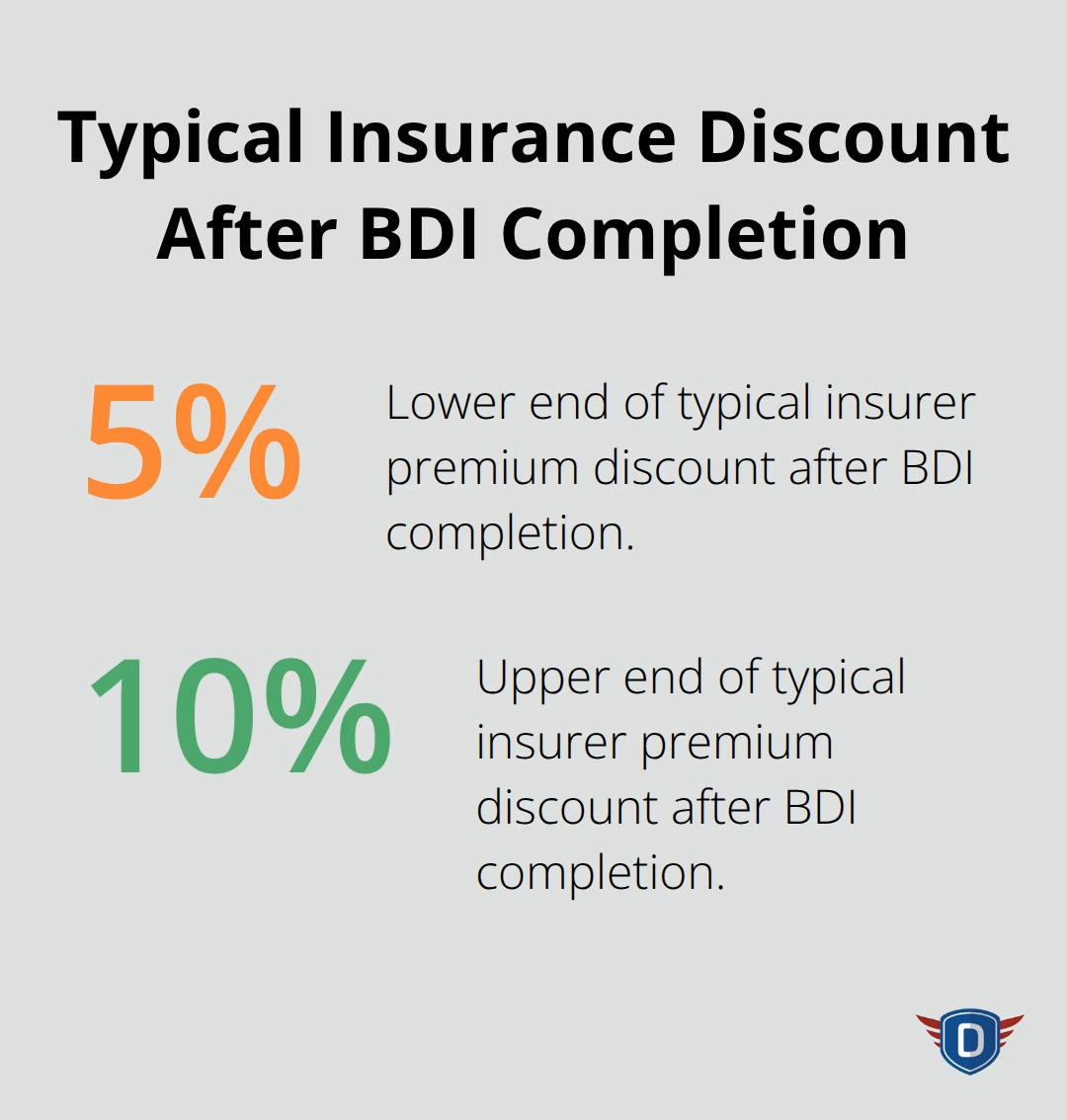
The Basic Driver Improvement course handles Florida’s most common moving violations. Speeding, running a red light, or unsafe lane changes all qualify for BDI under Florida Statute 318.14(9). This course prevents points from landing on your license-a significant practical advantage. No points means your insurance rates stay stable, and you avoid creeping toward the 12-point threshold that triggers license suspension. You can take BDI once every 12 months and up to five times across your driving lifetime, making it your go-to option if you receive occasional citations. The course runs four hours entirely online, and you receive an instant certificate upon passing the final quiz. Courts across all 67 Florida counties accept BDI certificates, so submission happens fast. Costs typically run between $30 and $50, and many insurers reward completion with a 5 to 10 percent premium discount that often covers the course fee within a year.
Court-Ordered Programs: IDI and ADI
When a judge orders you into traffic school, they typically assign either the eight-hour Intermediate Driver Improvement program or the 12-hour Advanced Driver Improvement course. IDI applies to more serious violations or repeat offenders within a 12-month window. This program teaches defensive driving techniques, space management, hazard recognition, and the psychology behind aggressive driving. ADI serves as the intensive option-reserved for habitual traffic offenders, license reinstatement cases, or convictions tied to alcohol or drug impairment. Both programs run fully online and self-paced, so you work around your schedule without missing employment. Certificates issue instantly after passing, and FLHSMV reporting happens automatically.
How These Courses Differ from DETS
The core difference separates behavioral correction from foundational awareness. DETS builds safe driving habits in new teen drivers seeking their first permit. IDI and ADI target drivers with documented violations who need to change existing behaviors. These court-ordered programs address the specific driving problems that led to citations, whereas DETS establishes baseline safety knowledge before a teen ever gets behind the wheel. The content reflects this distinction-violation-specific courses emphasize real-world consequences and decision-making under pressure, while DETS focuses on awareness and habit formation.
What Happens After You Complete Your Course
Instant certificate delivery sets the tone for what comes next. You pass the final quiz, and your certificate generates electronically. Courts receive it directly, deadlines get met, and your record begins to improve. Insurance companies recognize completion and apply discounts within your next billing cycle. The practical outcome matters more than the course name-points stay off your record, your rates hold steady, and you move forward without the financial or legal burden of an unresolved violation. Understanding which course applies to your specific situation determines how quickly you resolve your case and return to normal driving.
Your violation type and court order point toward one clear path. The next section walks you through how to verify that your chosen course meets state requirements and actually gets accepted by the authorities handling your case.
Choosing the Right Course Before You Enroll
Verify Your Court Requirements First
Start with your court documents or violation notice-this single step determines everything that follows. Your citation paperwork specifies whether you face a minor moving violation, a court order, or license reinstatement requirements. Florida Statute 318.14(9) governs which violations qualify for the four-hour Basic Driver Improvement course, and your citation will indicate if you fall under this statute.
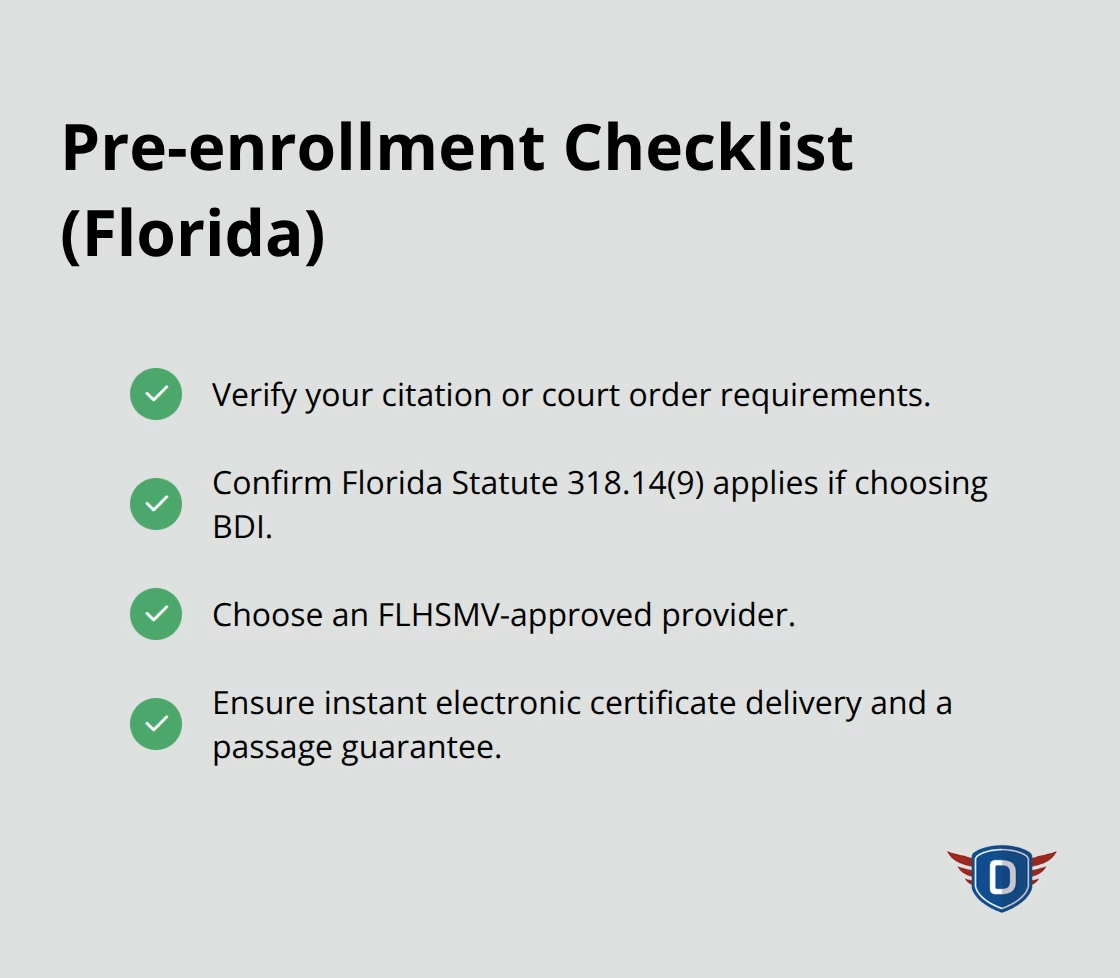
If a judge ordered you into traffic school, the paperwork explicitly states whether you need the eight-hour Intermediate Driver Improvement program or the 12-hour Advanced Driver Improvement course. Do not guess or assume based on the violation type alone-the court order is your actual requirement.
Many drivers waste time and money enrolling in the wrong program because they skip this verification step. Contact your local clerk of court if your citation doesn’t clearly specify which course applies. Florida has 67 counties, and each clerk’s office can confirm your exact requirement within minutes.
Check FLHSMV Approval Status
Once you know your mandated program, verify that the provider you choose holds FLHSMV approval by checking the official Florida Department of Highway Safety and Motor Vehicles website. Unapproved courses will not satisfy court deadlines or prevent points from landing on your license, rendering completion useless regardless of cost or time invested. This verification takes five minutes and protects your entire investment in the course.
Evaluate Course Format and Completion Timeline
Course format and duration matter less than approval status and court acceptance, but they affect your ability to complete on time. The four-hour BDI course fits into a single afternoon if you have uninterrupted focus, while IDI and ADI require planning across multiple sessions. Drivers have 90 days from the citation date to complete the required school.
Fully online, self-paced programs eliminate commute time and scheduling conflicts that plague classroom-based traffic schools. Electronic certificate delivery the moment you pass your final quiz allows immediate submission to courts or insurance companies. This instant delivery prevents missed deadlines and removes the stress of waiting for physical certificates. Some providers mail certificates, adding five to ten business days to your timeline. If your court deadline falls within 30 days, avoid any provider that doesn’t issue certificates immediately.
Confirm Passage Guarantees and Provider Reliability
Check the provider’s completion guarantee-reputable FLHSMV-approved schools guarantee passage on your first attempt or offer retesting at no additional cost. Verify this guarantee exists before enrolling, as it protects your investment if you struggle with the material. A solid guarantee signals that the provider stands behind its course quality and instruction.
Final Thoughts
Your violation type and court order point directly to the right solution. The four-hour Basic Driver Improvement course stops points from hitting your record for minor violations, while the eight-hour Intermediate Driver Improvement program handles court orders for serious infractions. The 12-hour Advanced Driver Improvement course addresses license reinstatement and habitual offender requirements, making DETS course alternatives each serve a specific purpose that matches your actual situation.
Before you enroll, verify your court requirements through your citation paperwork or by contacting your local clerk of court. Check that your chosen provider holds FLHSMV approval on the official state website, and confirm the provider issues certificates electronically the moment you pass your final quiz. A passage guarantee protects your investment if the material proves challenging, so look for this protection before you commit.
The practical outcome determines everything-points stay off your license, insurance rates hold steady, court deadlines get met, and you move forward without legal or financial burden. floridadetscourse.com offers FLHSMV-approved BDI, IDI, and ADI programs with instant electronic certificate delivery across all 67 Florida counties, fully online and self-paced to fit your schedule.