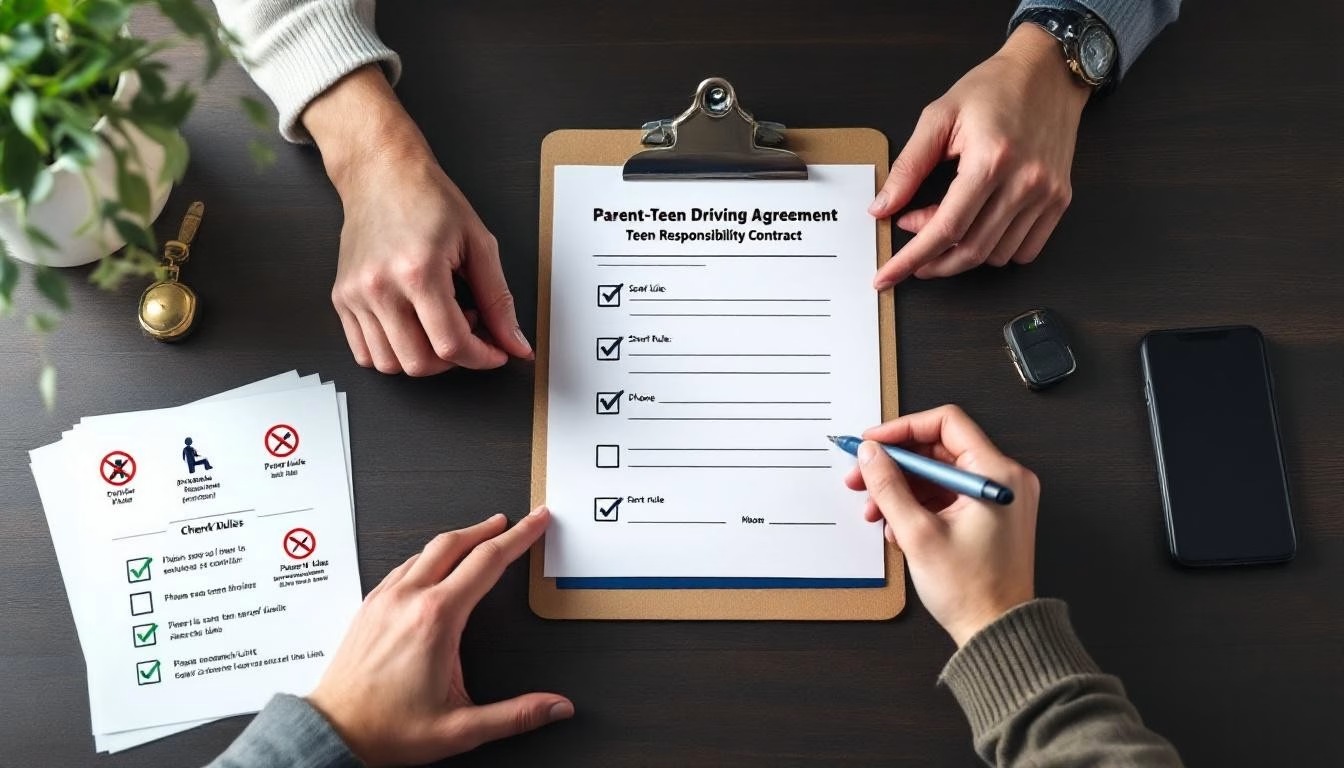
Teenage drivers cause roughly 1 in 5 fatal crashes in the United States, according to the CDC. A teen responsibility contract between you and your teen can cut that risk significantly by setting clear expectations from day one.
We at floridadetscourse.com know that written agreements work. They eliminate confusion about rules, consequences, and safety priorities-and they give both parents and teens something concrete to reference when questions arise.
Why Written Agreements Actually Work
The Data Behind Formal Agreements
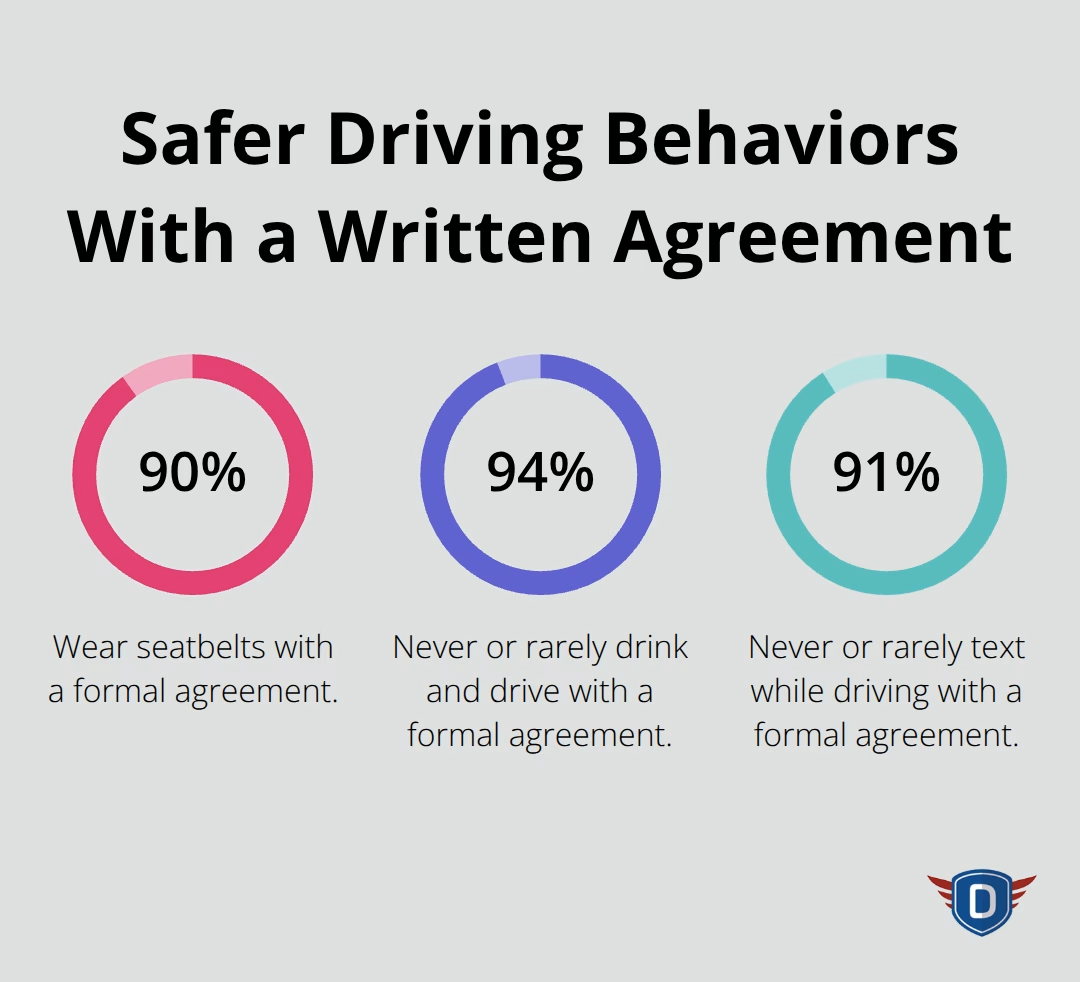
In 2023, teen occupant fatalities reached 2,707 according to NSC analysis of NHTSA data, and motor vehicle crashes remain the leading cause of preventable death for U.S. teens. Research from SafeKids Worldwide reveals that teens with a formal driving agreement behave measurably differently behind the wheel. About 90% of teens with an agreement wear seatbelts compared to just 53% without one. For alcohol and drug use, the difference is even more dramatic-94% of teens with an agreement never or rarely drink and drive versus only 39% without. On distracted driving, 91% of teens with a written agreement never or rarely text while driving, compared to 61% without.
How Written Agreements Create Accountability
These numbers exist because written agreements create accountability that conversations alone cannot provide. When your teen signs a document that spells out specific rules and specific consequences, the agreement becomes a reference point rather than a vague expectation. The CDC reports that teens ages 16�19 have a fatal crash rate per mile driven almost three times higher than drivers 20 and older, and inexperience is the root cause. A formal agreement directly addresses inexperience by establishing guardrails before bad habits form.
Shifting From Enforcement to Partnership
The agreement also shifts the dynamic between parent and teen from enforcement to partnership. Your teen knows the rules before they get behind the wheel, which removes the surprise and resentment that often follows a violation. Instead of a parent making a reactive decision about punishment, both of you have already agreed on what happens if rules are broken (speeding, texting, curfew violations). This clarity reduces conflict and builds the kind of trust that actually keeps teens safer on the road. The next step is identifying which specific rules matter most for your family’s situation.
What Rules Actually Prevent Teen Crashes
Phone Use Demands Your Strictest Rules
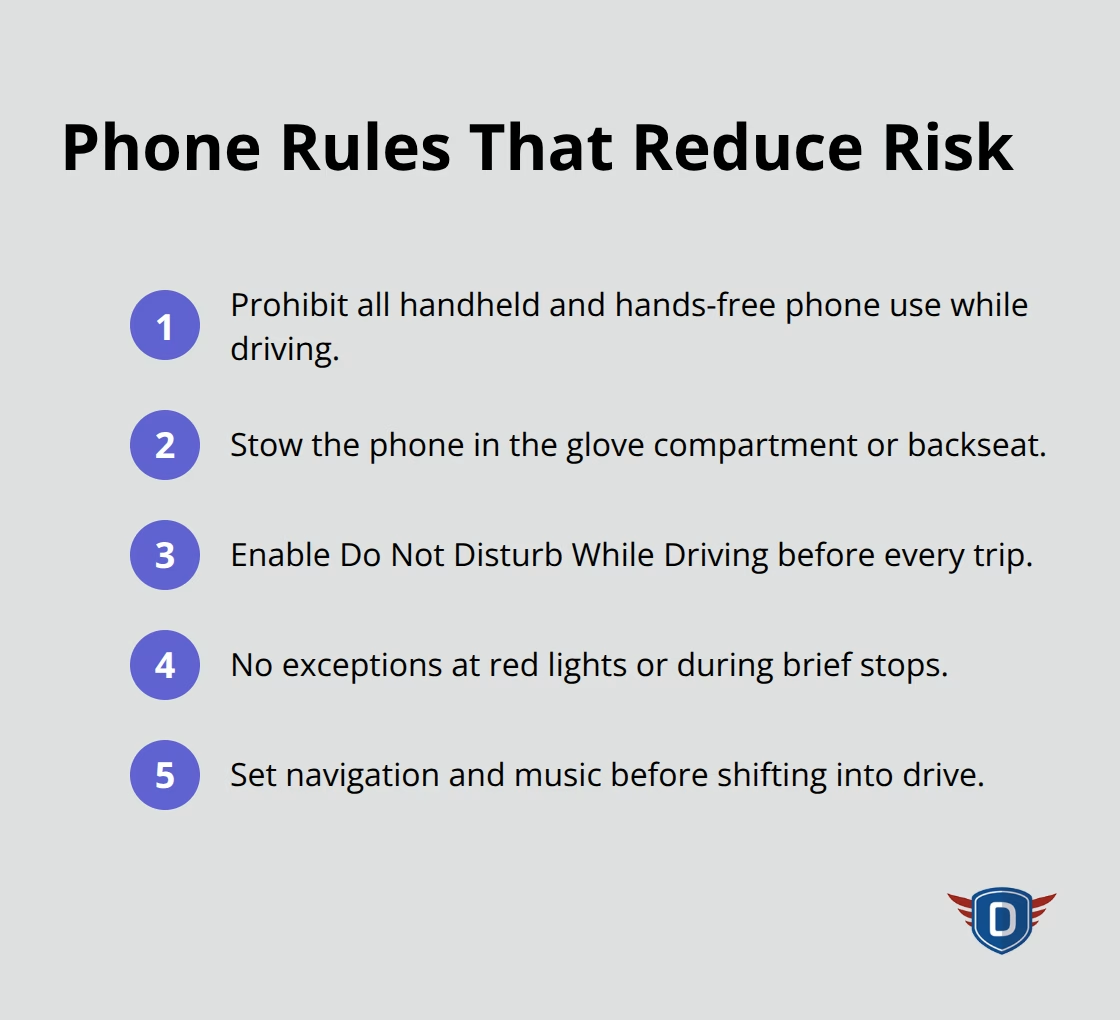
Phone use while driving stands as the single most dangerous distraction for teen drivers, and it demands the strictest rules in your agreement. About 39% of high school drivers reported texting or emailing while driving at least once in the prior 30 days, yet teens with a formal agreement reduce texting while driving to just 9% of incidents. Your agreement should prohibit all handheld phone use, including hands-free calls and music adjustments, because the mental distraction of texting or navigating maps affects reaction time more than the physical act of holding a device. Specify that phones stay in the glove compartment or backseat while the car is moving, with no exceptions for red lights.
Passenger Limits and Curfews Address Peak Risk Windows
Passenger limits matter just as much because passenger limits and nighttime driving directly impact crash risk for unsupervised teen drivers. The CDC confirms this pattern across research, and your agreement should restrict passengers to one non-family member for the first six months, then gradually allow additional passengers as your teen demonstrates consistent safe driving. On average, eight U.S. teens die in car crashes every day, with many of these crashes occurring during peak risk windows. Set a hard curfew at 9 pm for the first year, with exceptions only for work or school-related travel. This single rule cuts nighttime crash risk dramatically because fatigue and peer pressure compound during late-night drives.
Consequences Must Be Specific and Enforceable
Consequences must be specific and enforceable to maintain the agreement’s credibility. Vague penalties like losing driving privileges indefinitely create resentment and lose their deterrent effect within weeks. Instead, establish graduated consequences: texting while driving equals two weeks without driving, speeding equals one week suspension, carrying extra passengers equals three days off the road. If your teen violates the same rule twice within three months, double the penalty. SafeKids Worldwide research shows that teens take agreements seriously when consequences are proportionate and immediate, not arbitrary.
Model Every Rule You Expect From Your Teen
The agreement also works better when you define consequences for your own behavior as a parent, because teens notice inconsistency instantly. If you text while driving or exceed the speed limit regularly, your teen will view the agreement as unfair rather than protective. Establish that you will model every rule you expect from your teen, and include a commitment in the agreement that both of you will follow the rules without exception. This shift from one-directional enforcement to mutual accountability changes how your teen perceives the entire agreement.
Keep the Agreement Active Through Regular Reviews
Review the agreement together every three months during the first year, adjusting curfews and passenger limits as your teen gains experience and demonstrates safe habits. This ongoing conversation keeps the agreement alive rather than letting it become a forgotten document stuck to the refrigerator. As your teen progresses through the first year without violations, you’ll have concrete evidence of which rules work best for your family-and which ones need adjustment based on real-world driving patterns. The next step is learning how to implement these rules in a way that strengthens your relationship rather than creating conflict.
Building Your Agreement Step by Step
Start the Conversation Before Unsupervised Driving Begins
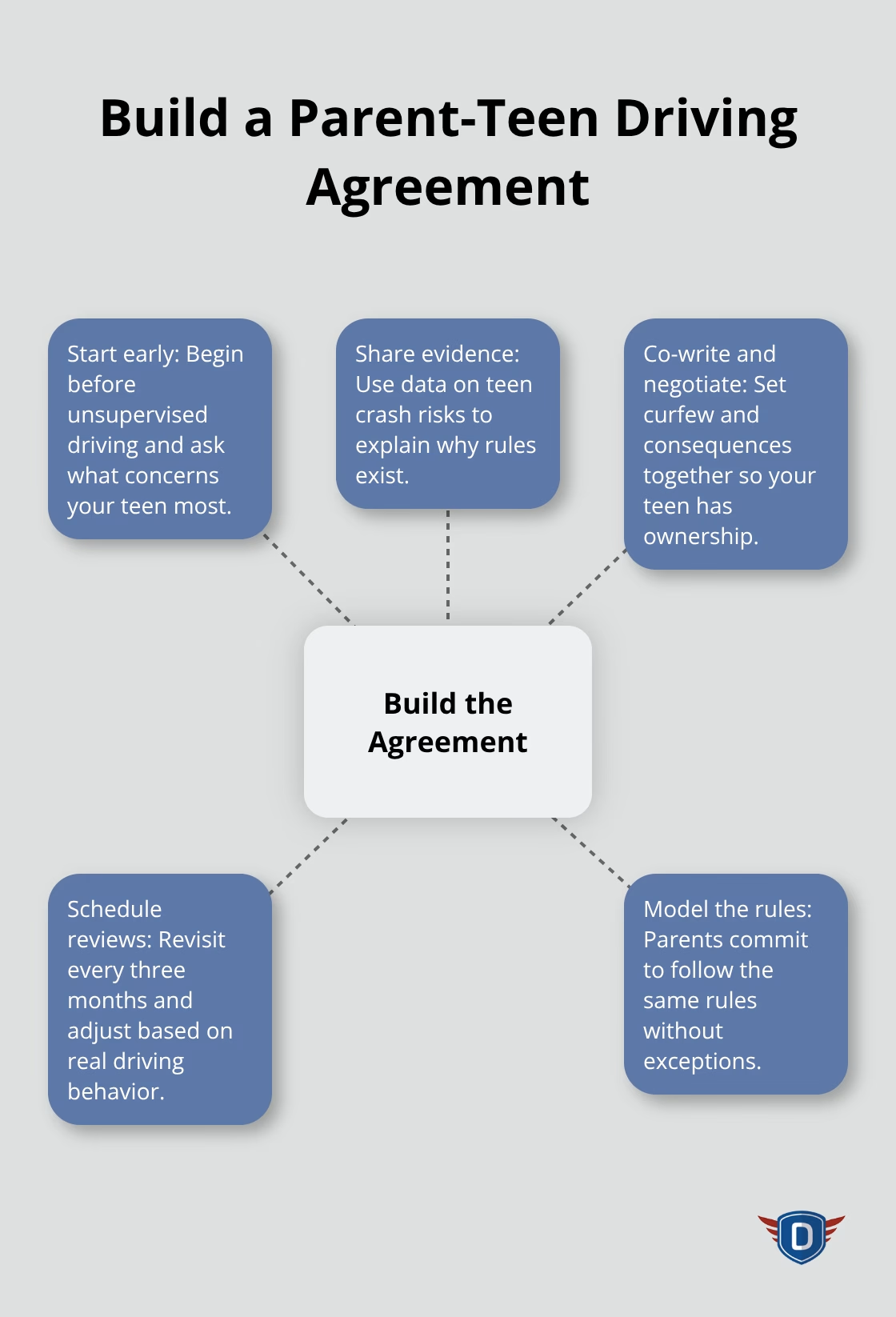
Initiate this conversation when your teen has their learner’s permit but before they drive unsupervised, not after they’ve already gotten behind the wheel. Sit down without distractions and phones off the table, then ask your teen what safety concerns worry them most about driving. This approach works because teens who voice their own fears take the agreement seriously-it addresses their actual concerns rather than just parental anxiety. Listen for patterns: fear of nighttime driving, concern about peer pressure with passengers, worry about phone distractions. Write these down.
Share Data-Backed Safety Priorities
Share your own safety priorities based on evidence rather than authority. Tell your teen that eight U.S. teens die in car crashes every day and explain which rules directly address this statistic. Most teens respond better to evidence than to rules imposed from above, so reference research showing that risky driving, traffic violations and crashes are lower among teens whose parents apply restrictions. This conversation should take 45 minutes to an hour, not five minutes before bed.
Write the Agreement Together With Real Negotiation
Write the formal agreement on drinking and driving together in a shared document where you both can edit, debate specifics, and reach actual agreement on consequences. Do not hand your teen a pre-written agreement that feels like punishment. If your teen wants a 10 pm curfew and you want 9 pm, negotiate to 9:30 pm with the understanding that curfew extends to 10 pm after six months without violations. This negotiation process gives the agreement real power because your teen has ownership. Print the final version and sign it together, then post it somewhere visible like the kitchen or near car keys where you will both see it regularly.
Review and Adjust Every Three Months
Schedule a 15-minute review every three months during the first year, not as punishment but as a checkpoint. Ask your teen which rules feel realistic and which ones need adjustment based on their actual driving experience. If your teen has driven 500 miles without a single phone violation, you can relax that rule slightly. If speeding violations have occurred, tighten the consequences. This flexibility shows your teen that safety is the goal, not control, and it keeps the agreement alive instead of letting it become a forgotten document. The regular review and adjustment conversation also opens a natural discussion about any risky driving patterns you have noticed or any close calls your teen has experienced.
Final Thoughts
A parent-teen responsibility contract works because it creates shared accountability between you and your teen, not because it punishes them. Teens with a formal agreement wear seatbelts more often, avoid alcohol and drugs behind the wheel, and text while driving far less frequently than peers without one. These behavioral shifts separate safe drivers from crash statistics, and they happen because both of you signed a document that spells out expectations and consequences before your teen ever drove unsupervised.
The agreement only delivers results if you treat it as a living document that you review and adjust every three months. Your teen watches how you drive far more closely than they listen to what you say, so model every rule you expect from them without exception. Each review session opens a conversation about close calls, risky situations they encountered, and how they handled peer pressure-this ongoing dialogue builds the trust that actually keeps teens safer on the road.
We at floridadetscourse.com know that safe driving habits start early and stick for life. Our comprehensive driver education programs help teens and adult drivers develop the skills and mindset needed to navigate roads responsibly. Your commitment to a written agreement today shapes your teen’s driving behavior for decades to come.