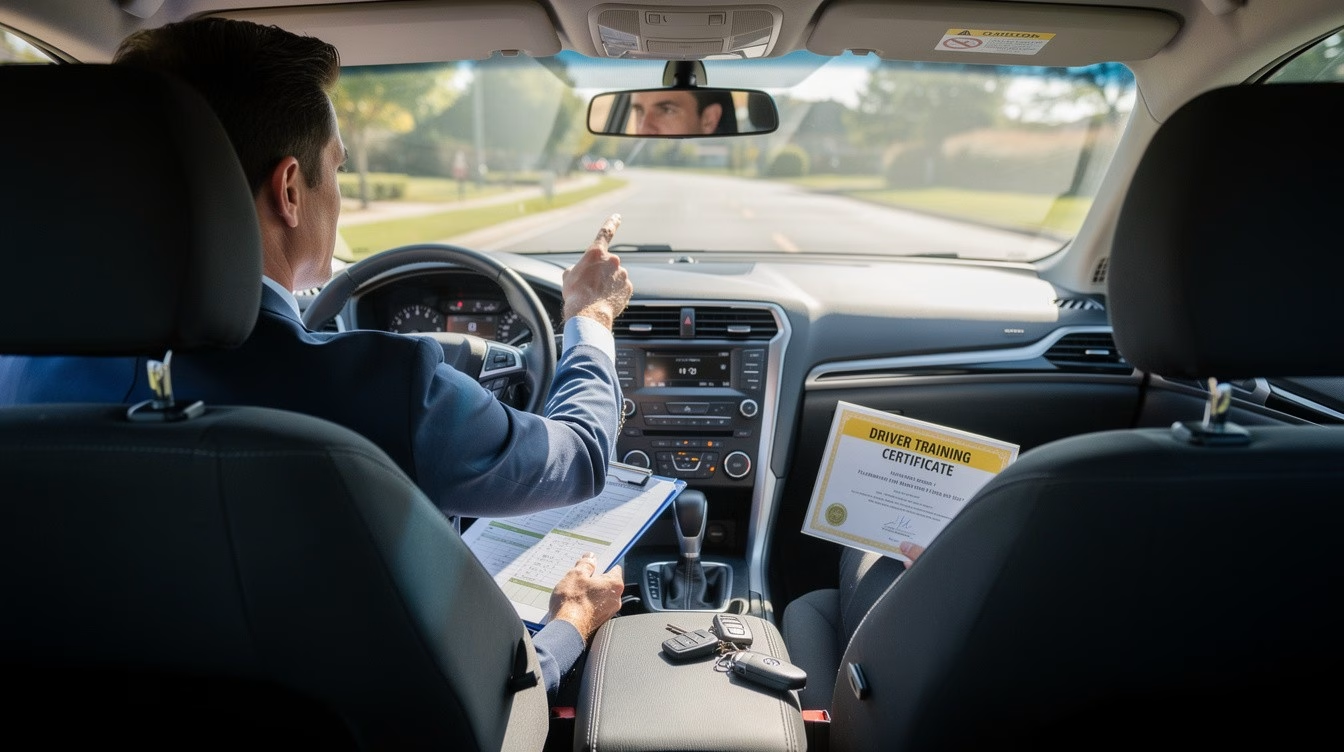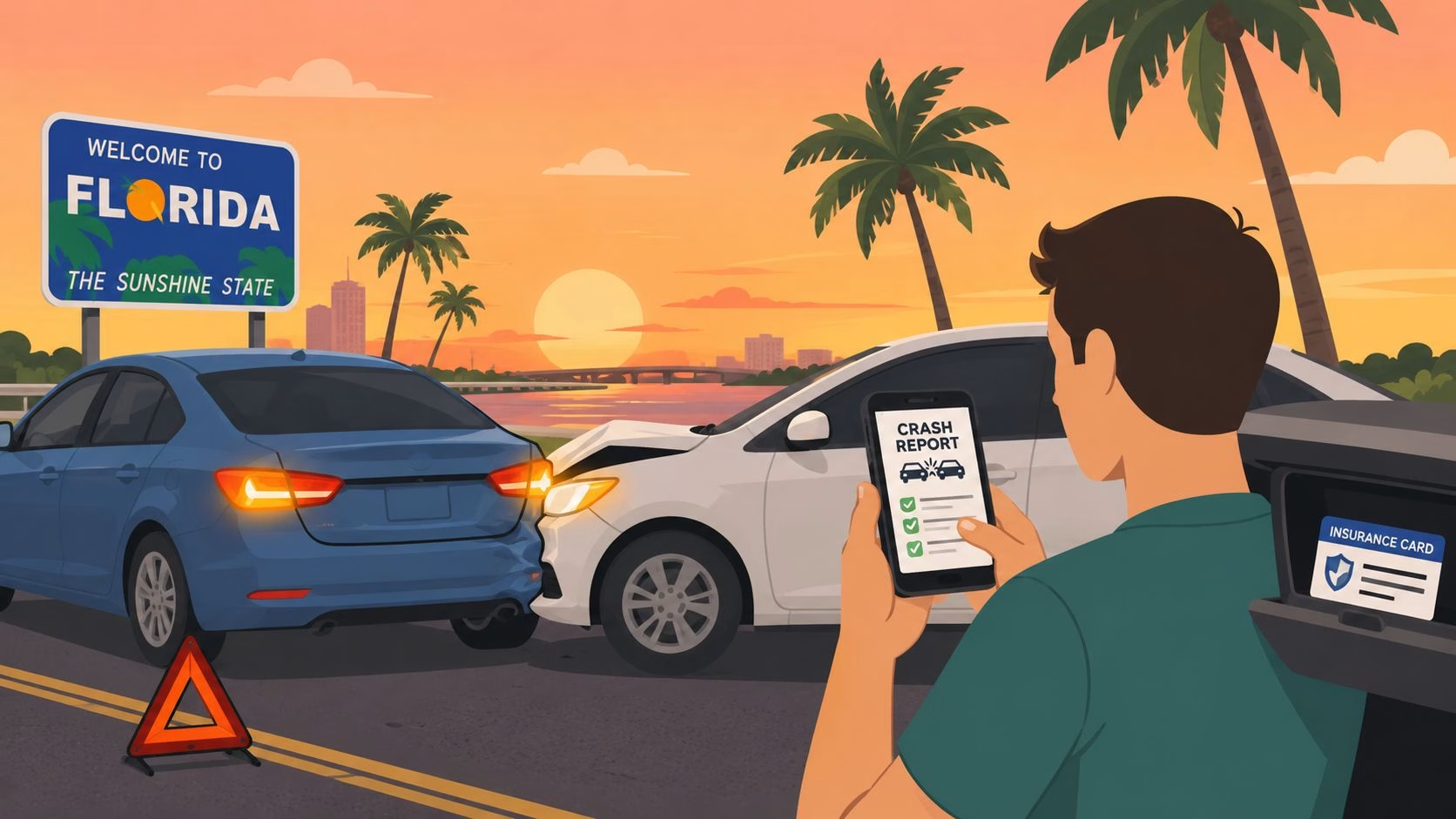

Every year, nearly 1.3 million people die in road crashes worldwide, according to the World Health Organization. Most of these accidents are preventable with the right crash avoidance strategies and awareness behind the wheel.
At floridadetscourse.com, we’ve built our courses around the techniques that actually work-scanning habits, hazard recognition, and split-second decisions that keep you safe. This guide walks you through the real-time methods that separate safe drivers from those who end up in dangerous situations.
The Three Crash Scenarios You Must Prevent
Rear-End Collisions: The Spacing Problem
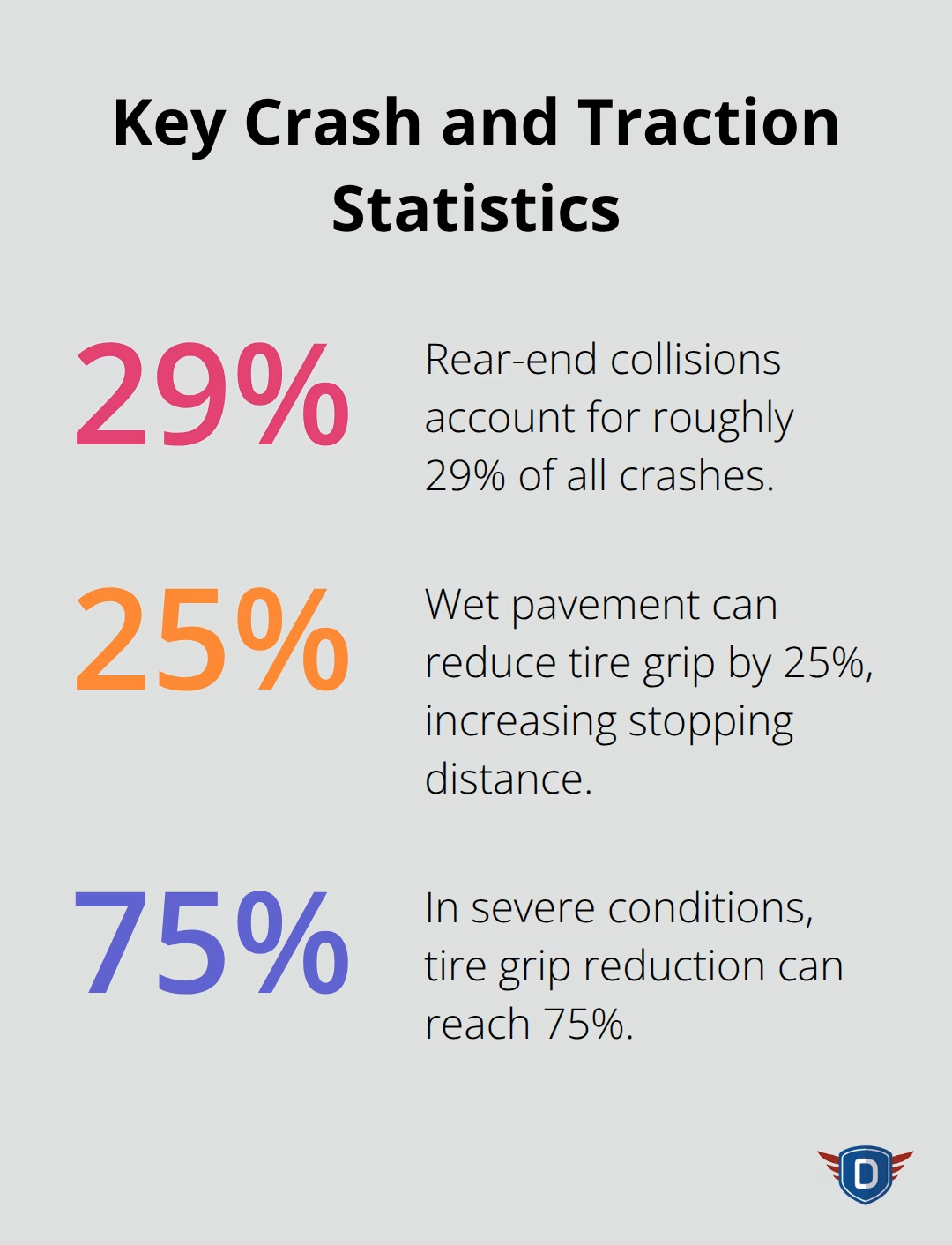
Rear-end collisions account for roughly 29% of all crashes according to NHTSA data, and they’re almost entirely preventable with proper spacing and attention. The core issue isn’t speed-it’s reaction time. When a vehicle ahead brakes suddenly, you have approximately 1.5 seconds before impact if you’re following at typical highway speeds. Most drivers dramatically underestimate this gap.
Maintain at least a three-second distance on dry roads by picking a fixed point ahead, watching when the car in front passes it, then counting how long until you reach that same point. On wet roads, extend this to five seconds minimum. Wet pavement reduces tire grip by 25% to 75% depending on conditions, which means your braking distance increases proportionally. If you’re following a truck or large vehicle, add another second because you can’t see the road ahead clearly enough to spot hazards early.
Intersection Crashes: Assuming the Worst
Intersection crashes kill more people than rear-end collisions despite happening at lower speeds, primarily because occupants have no protection from side-impact forces. Right-of-way rules exist, but they don’t prevent crashes-they just assign blame afterward. The real protection comes from assuming other drivers will violate right-of-way and positioning yourself accordingly.
When you approach an intersection, scan left-right-left in the final three seconds before entering, even if you have a green light. Look specifically for vehicles that accelerate toward the intersection from cross streets; these represent the highest risk. When turning left across traffic, wait until oncoming vehicles are clearly slowing or stopped, not just when you think they will stop.
Loss of Control: Speed Adjustment on Slippery Surfaces
Loss of control on wet or slippery surfaces happens because drivers maintain speeds appropriate for dry conditions. Roads lose traction in rain, ice, or loose gravel, but most drivers don’t adjust speed downward until they’re already sliding. Reduce speed by 1/2 on snow-packed roads and by 1/3 on wet roads-rain, fog, construction zones, or unfamiliar roads all warrant this reduction.
If your vehicle begins to slide, steer in the direction you want the front of the car to go while avoiding sudden braking, which locks wheels and prevents steering control. These three scenarios demand different responses, yet they share one common element: your decisions in the seconds before impact determine the outcome. Understanding how to recognize and respond to each situation is what separates drivers who avoid crashes from those who experience them.
What Your Eyes Should Do Before a Crash Happens
Extend Your Visual Horizon to Stay Ahead
Your vision controls your reaction time, and reaction time controls whether you crash. Most drivers look only 1 to 1.5 seconds ahead, which is far too close when traveling at highway speeds. At 60 mph, you cover 88 feet per second, meaning a 1-second glance puts you reacting to hazards that are already dangerously near. We at floridadetscourse.com teach drivers to extend their visual horizon to at least 8 to 10 seconds ahead, which translates to roughly 500 to 700 feet on a highway. This extended scan gives you time to recognize threats and adjust speed or position before they become critical.
Use a Deliberate Scanning Pattern
Peripheral vision handles the sides and immediate surroundings while your central vision focuses on the road ahead and potential hazards. Train yourself to move your eyes in a deliberate pattern: far ahead (8-10 seconds), middle distance (3-5 seconds), immediate area (0-2 seconds), and mirrors. This scanning sequence takes only a few seconds but captures the full picture of what’s approaching. On wet or unfamiliar roads, slow this pattern down and spend more time on the middle and far distances since hidden hazards like standing water or loose gravel demand earlier detection.
Actively Identify Threats, Don’t Just Notice Them
Hazard recognition happens only when you actively look for it, not passively stare at the road. Specific threats include brake lights appearing multiple vehicles ahead, sudden lane changes without signals, pedestrians near curbs in residential areas, and vehicles entering from side streets with building sight lines. Research from traffic safety organizations shows that drivers who consciously identify and name potential hazards respond faster and more decisively than those who simply drive. The difference between naming a threat-such as saying to yourself that truck is drifting between lanes-and just noticing it is measurable in reduced reaction time.
Adjust Speed Before Conditions Force Hard Braking
Adjust your speed downward before conditions force you to brake hard; this means reducing speed when you enter construction zones, encounter rain or fog, or drive on unfamiliar roads where hazards are less predictable. On wet pavement, reduce speed by one-third from what you’d drive on dry roads; on snow-packed surfaces, cut speed by half. This isn’t about being cautious-it’s about maintaining your ability to steer and brake effectively.
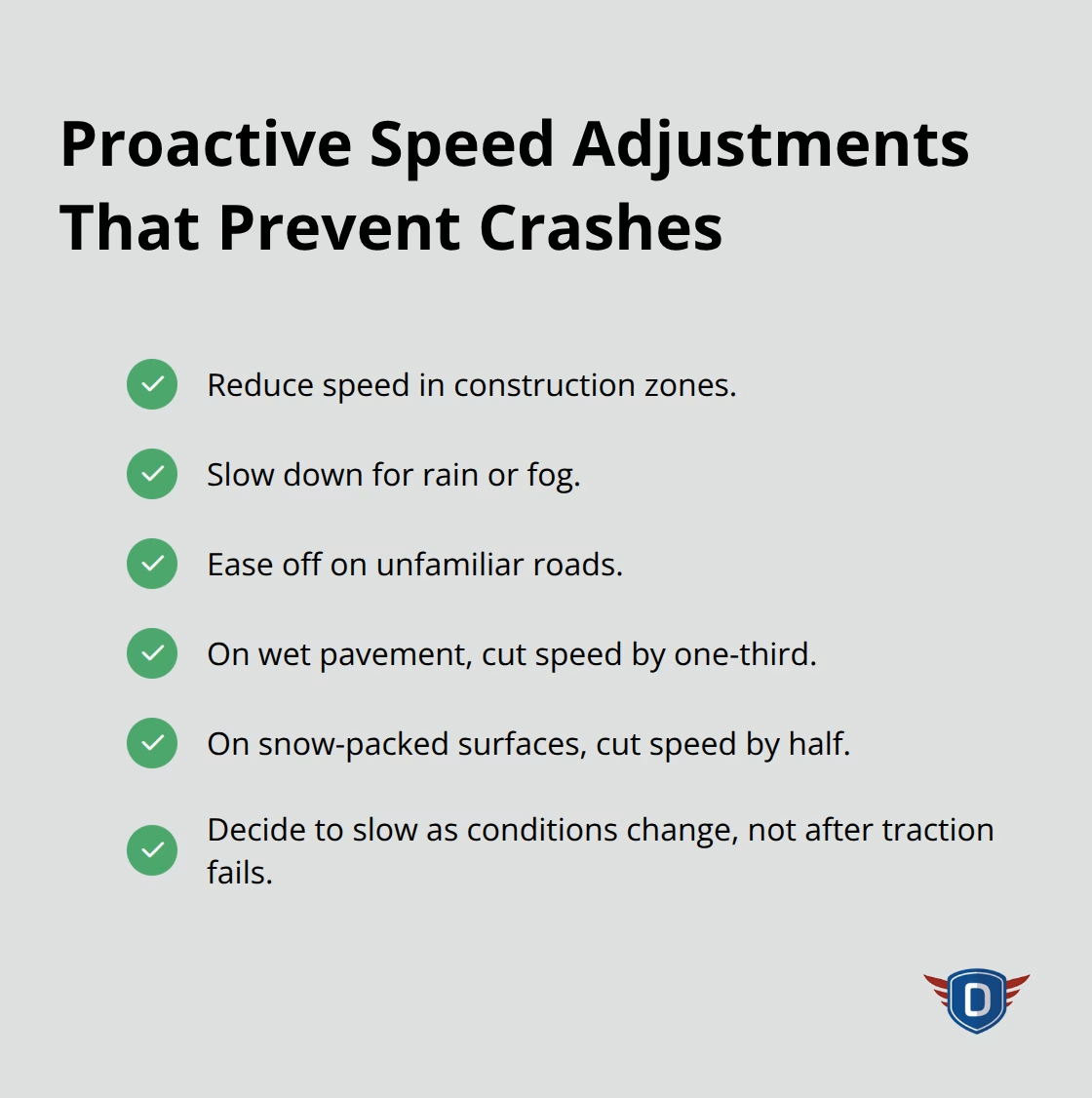
Many drivers wait until their vehicle begins sliding before they reduce speed, which is already too late. The decision to slow down happens when conditions change, not after your traction fails. These visual habits and speed adjustments form the foundation of real-time decision-making that determines whether you avoid a crash or experience one.
How to Control Your Vehicle When Seconds Matter
Stopping Distance and Braking Pressure
The difference between avoiding a crash and experiencing one often comes down to how you manage your vehicle in the critical seconds before impact. Most drivers have never practiced emergency braking at realistic speeds, which means their first attempt happens during an actual emergency when panic clouds judgment. On dry pavement at 55 mph, you need approximately 216 feet to stop from the moment you perceive a hazard and apply full braking pressure. This accounts for perception distance, reaction distance, and braking distance combined.
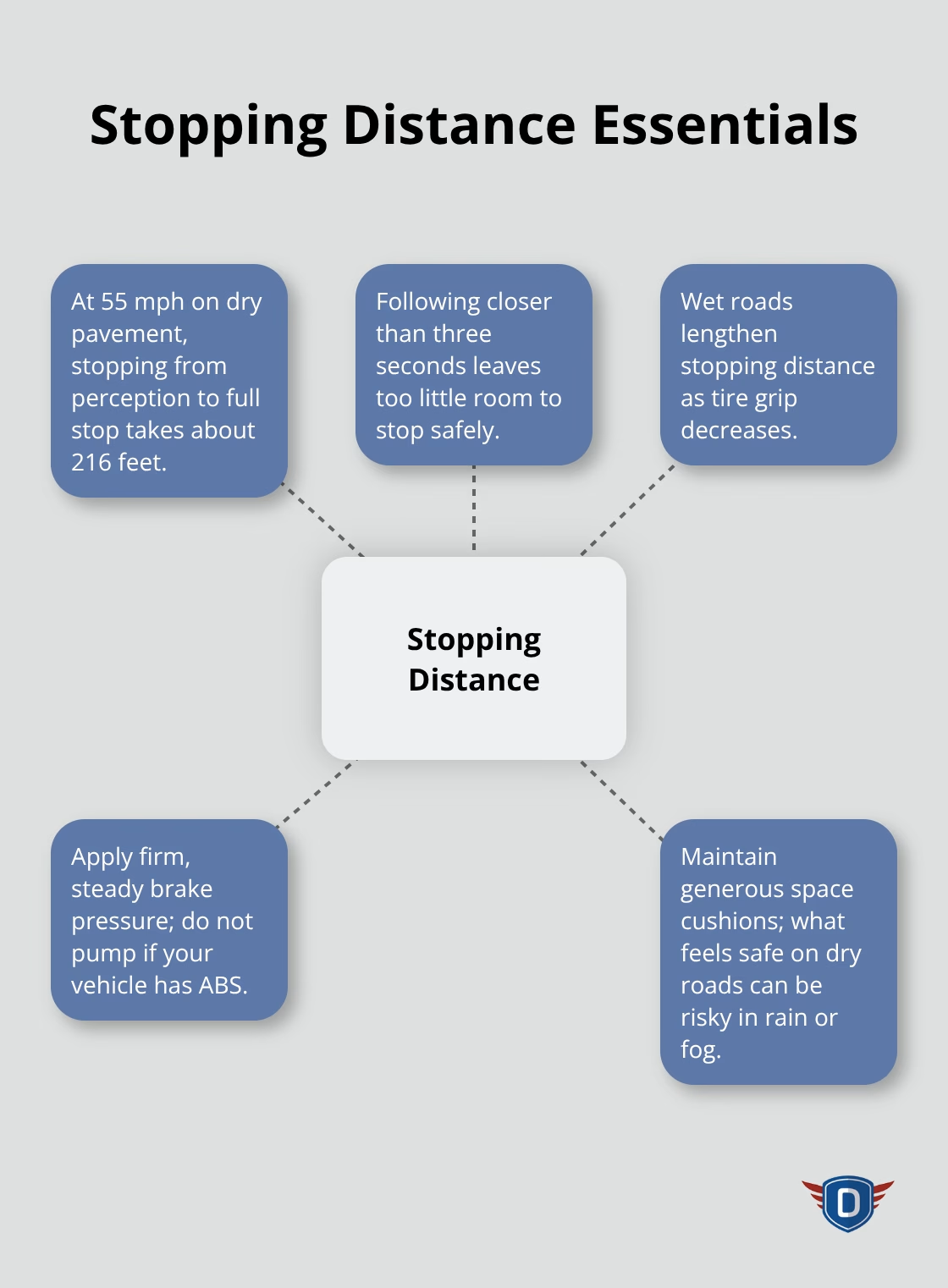
If you follow closer than three seconds, that stopping distance exceeds the space available, and a collision becomes unavoidable regardless of how hard you brake. Wet roads extend this distance significantly because tire grip decreases, meaning your deceleration rate drops substantially on wet surfaces. The practical implication is stark: following distances that feel safe on dry roads are dangerously inadequate in rain or fog.
When you must brake hard, apply steady pressure rather than pumping the pedal unless your vehicle lacks anti-lock brakes (extremely rare in modern cars). Vehicles with ABS automatically pulse the brakes at rates far faster than any human can manage, so your job is to press firmly and maintain that pressure while steering toward safety.
Emergency Steering and Vehicle Positioning
Emergency steering requires equally deliberate technique. When swerving becomes necessary, steer decisively to the side offering the best escape path, then immediately counter-steer to prevent overcompensating and sliding into another hazard. Many drivers freeze or steer too gently when faced with an obstacle, which means they hit it anyway.
Positioning your vehicle within your lane provides the foundation for all these maneuvers. Stay centered in your lane rather than drifting toward the edge, which limits your ability to swerve left if needed. On multi-lane roads, avoid sitting beside other vehicles in their blind spots because a lane change forces you into a collision or a panic maneuver. Instead, move ahead or drop back so you have clear space to escape if another driver drifts into your path.
In heavy traffic, maintain a position that keeps at least one lane of escape available at all times, which often means staying in the middle lanes rather than the rightmost lane where you’re trapped if hazards appear on the shoulder.
Brake Failure and Escape Routes
If your brakes fail entirely, downshift to a lower gear to use engine braking and look for an escape route like an open shoulder or uphill terrain that naturally slows your vehicle. This technique buys you time and distance to find a safe place to stop. Engine braking works by using the resistance of the engine to slow your vehicle, which is far more effective than coasting in neutral.
Mental Rehearsal and Muscle Memory
These vehicle control techniques only work if you practice them mentally before they’re needed. Visualize the correct response as you drive: if a car ahead brakes suddenly, mentally rehearse your three-second check, brake application, and steering adjustment. This mental practice accelerates your actual response time when a real emergency occurs. The goal isn’t to become a race car driver but to respond with clarity rather than panic when circumstances demand split-second decisions.
Final Thoughts
The crash avoidance strategies covered throughout this guide require consistent daily practice before an emergency forces you to apply them. Extending your visual horizon, maintaining proper following distances, and positioning your vehicle defensively become automatic responses only through repetition. The three-second rule, deliberate scanning patterns, and speed adjustments for wet conditions work because they provide you with time and space to react when hazards appear.
We at floridadetscourse.com teach these life-saving techniques through comprehensive driver education programs designed around real-world crash scenarios. Our courses blend clear explanations with practical guidance on defensive driving, safe following distances, and the decision-making skills that separate drivers who avoid crashes from those who experience them. Whether you complete a Basic Driver Improvement course or seek deeper knowledge through our Intermediate Driver Improvement program, each curriculum focuses on building the habits and awareness that protect you and everyone sharing the road.
Start by practicing the two-second scanning pattern on your next drive, then extend it to the full eight to ten seconds ahead. Adjust your speed before rain or fog forces you to brake hard, and position yourself to maintain escape routes in traffic. Visit floridadetscourse.com to explore our Florida-approved traffic school courses and discover how structured driver education reinforces the crash avoidance strategies that save lives.