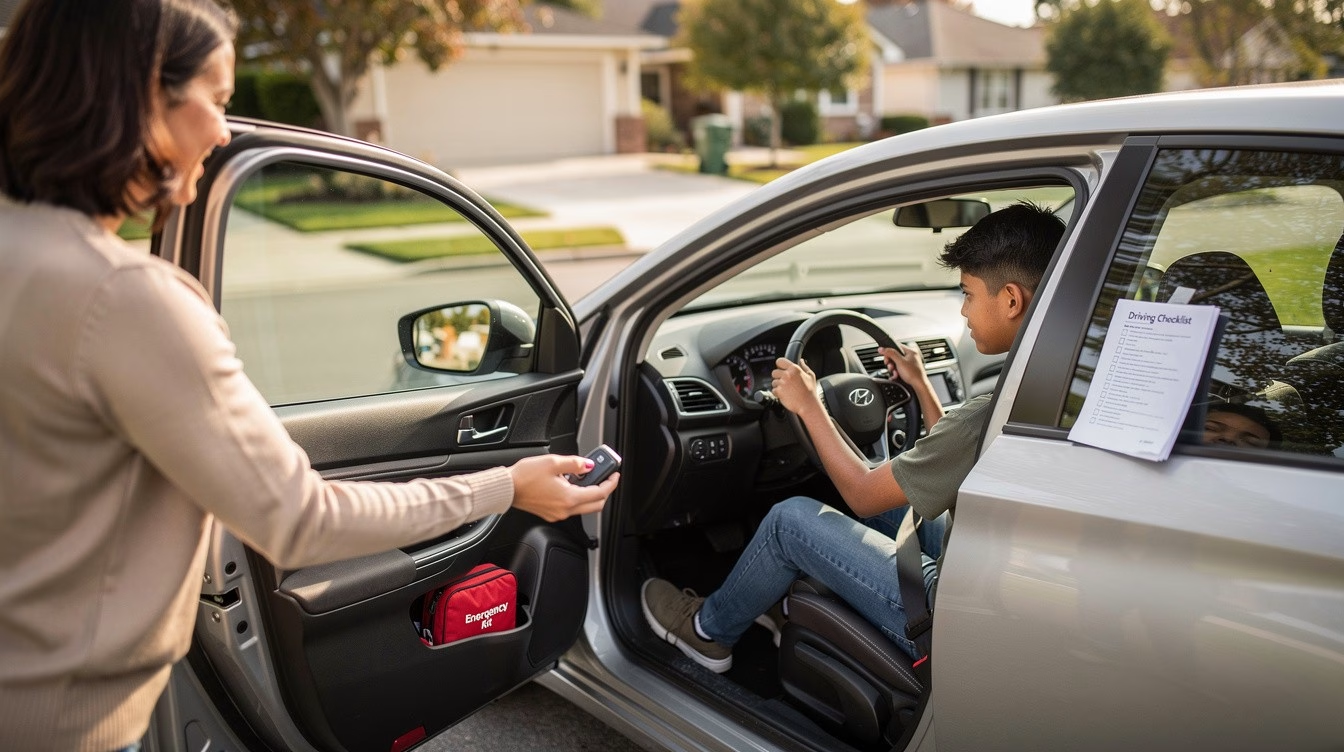
Your teen’s first solo drive is a milestone that triggers real anxiety-for both of you. The gap between passing a test and feeling ready to drive alone is where most parents struggle.
At floridadetscourse.com, we’ve seen that confidence doesn’t happen by accident. It builds through structured practice, clear communication, and realistic expectations about what your teen can handle on the road.
What Stops Teen Drivers From Feeling Ready
Most teens who pass their driving test still feel a jolt of fear when facing their first solo drive. The anxiety isn’t weakness-it’s a real neurological response to unfamiliar responsibility. Research shows that decision-making under pressure activates the amygdala, the brain’s threat center, which triggers hesitation or overcautious reactions on the road. A teen gripping the steering wheel too tightly or second-guessing every turn experiences genuine cognitive load from processing multiple variables at once without a supervising adult to share the mental workload. Speed management becomes harder, attention narrows, and reaction time actually slows when anxiety spikes. The controlled test environment-a predictable route, a familiar examiner, and lower perceived stakes-disappears instantly once your teen drives alone.
Why the Test Doesn’t Predict Real-World Readiness
The gap between test performance and real-world readiness exists because the test strips away the complexity your teen will face on actual roads. Solo driving removes the structure that made the test manageable. Your teen passed under conditions that won’t repeat: a known route, an examiner who follows predictable patterns, and an artificial sense of lower stakes. Real roads present variables the test never covered-unexpected traffic, weather changes, navigation decisions, and the weight of solo responsibility.
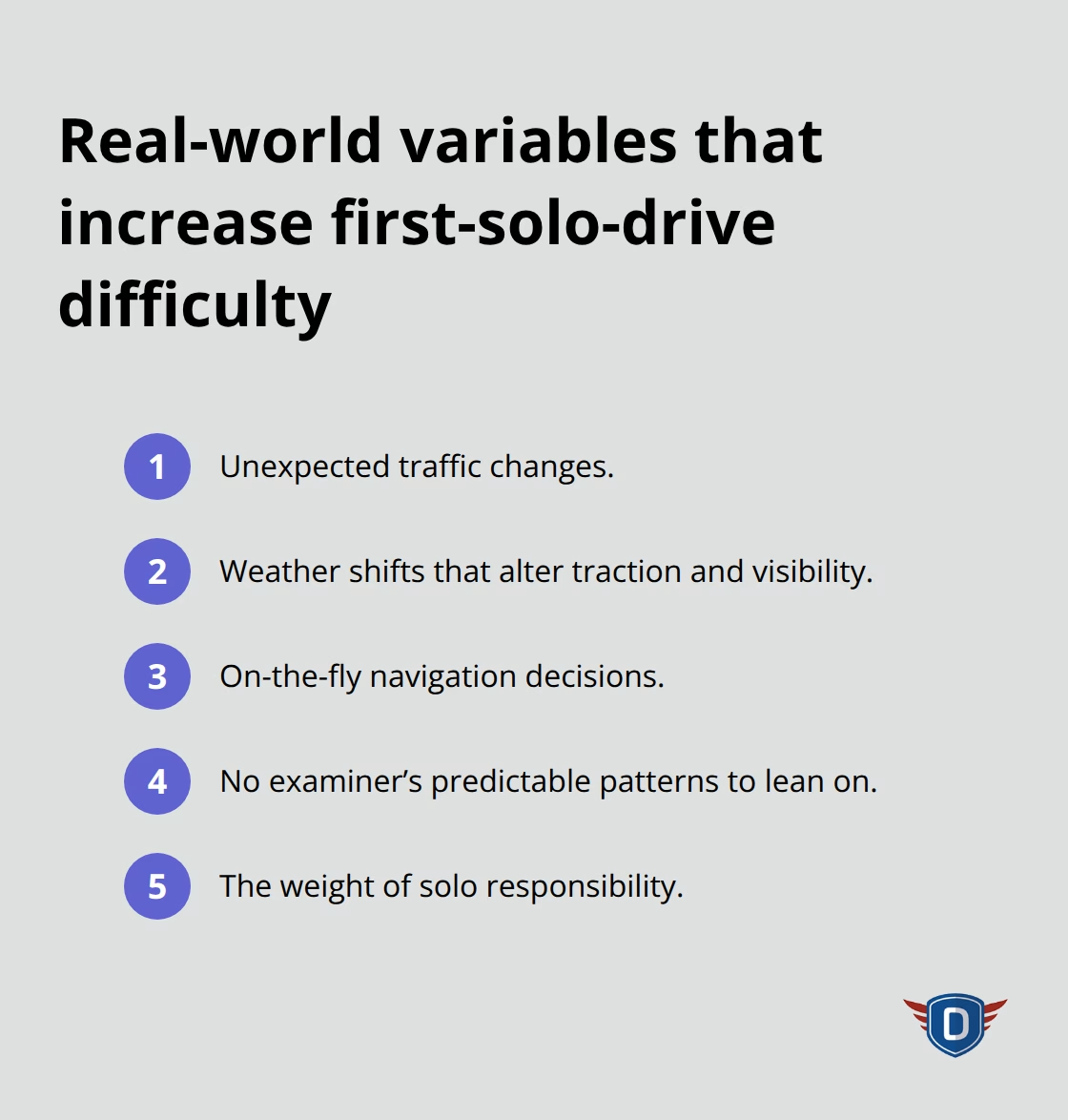
This mismatch explains why a teen who aced the driving test can still feel paralyzed before their first solo trip.
Incomplete Skill Transfer Creates the Real Barrier
The actual barrier isn’t courage; it’s that teens haven’t practiced enough varied scenarios to build automaticity. When parking, merging, or handling left turns feels like a conscious calculation rather than muscle memory, cognitive resources get consumed by basic tasks. This leaves little mental space for hazard scanning or decision-making about distracted drivers or unexpected road conditions. A teen who practiced only residential streets with an adult never learned how their car handles at highway speeds, how merging feels under time pressure, or how traffic flow actually moves. When they face those situations alone, the brain treats them as novel threats, not learned skills.
How Gradual Exposure Rewires the Nervous System
Gradual independence matters because it allows the nervous system to adapt progressively. Starting with short drives around quiet neighborhoods, then gradually extending to longer routes and busier streets, desensitizes anxiety while building genuine competence. Structured practice across different weather conditions, traffic densities, and road types creates mental templates your teen’s brain can recognize and respond to automatically. The nervous system stops treating every drive as an emergency once it encounters familiar patterns repeatedly. This isn’t about forcing confidence through pep talks; it’s about accumulating evidence through repeated successful experiences that your teen can handle what the road presents.
The Role of Automaticity in Confidence
Real-world pattern example: if your teen practices only residential streets, they’ve never built the muscle memory for highway driving or the mental framework for high-speed decision-making. When they face those situations alone, their brain has no reference point. Confidence emerges when automaticity in driving skills develops-when your teen’s hands know how much to turn the wheel without conscious thought, when their foot knows the brake pressure needed for different speeds, and when their eyes scan for hazards automatically rather than as an afterthought. This automaticity frees up mental resources for the actual challenge of driving-managing unexpected situations and making split-second decisions. Your teen’s readiness for solo driving depends less on bravery and more on whether their nervous system has learned to recognize and respond to the patterns they’ll encounter on real roads.
How to Build Real Driving Competence
Start with Familiar Routes and Short Distances
Your teen should practice on routes they already know well-the drive to school, the grocery store, the park. These familiar streets eliminate navigation stress and let your teen focus purely on vehicle control and basic hazard awareness. Keep the first five to ten drives under fifteen minutes and restrict them to times with minimal traffic, like early mornings or late evenings.
This isn’t coddling; it’s strategic. Your teen’s brain has limited processing capacity, and removing variables like heavy traffic, unfamiliar intersections, and time pressure frees mental resources for learning how the car responds to their inputs. After your teen completes ten to fifteen successful short drives without anxiety spikes, extend the route by a few blocks or add one new street. Increase distance gradually over weeks, not days.
Real competence builds through accumulated repetition in progressively challenging conditions, not through sudden exposure to complex scenarios. The goal is for basic vehicle operation to become automatic so your teen’s attention can shift to threat detection and decision-making.
Practice Across Weather and Road Conditions
Weather and road conditions matter far more than most parents realize. A teen who practices only on dry, clear days faces genuine shock when they encounter rain, fog, or wet pavement. Rain reduces tire grip and extends stopping distances-facts your teen needs to experience firsthand, not learn from a lecture.
Start wet-weather practice during light rain on quiet streets where mistakes carry low consequences. Have your teen feel how the car drifts slightly during turns, how the brakes require longer distances, and how visibility changes behind wet windows. Progress to moderate rain on busier streets only after they’ve built that muscle memory. Include practice in dawn or dusk conditions where glare and reduced visibility demand adjusted scanning patterns.
Defensive driving techniques-maintaining three-second following distances, scanning mirrors every five seconds, checking blind spots before lane changes-must become habits, not conscious checklists. The only way to build habits is repetition across varied conditions. A teen who practices defensive positioning only in calm daylight will revert to unsafe spacing and scanning the moment conditions change or pressure increases. Assign specific focus for each drive: one day is mirror-checking practice, another is following-distance management, another is smooth braking technique.
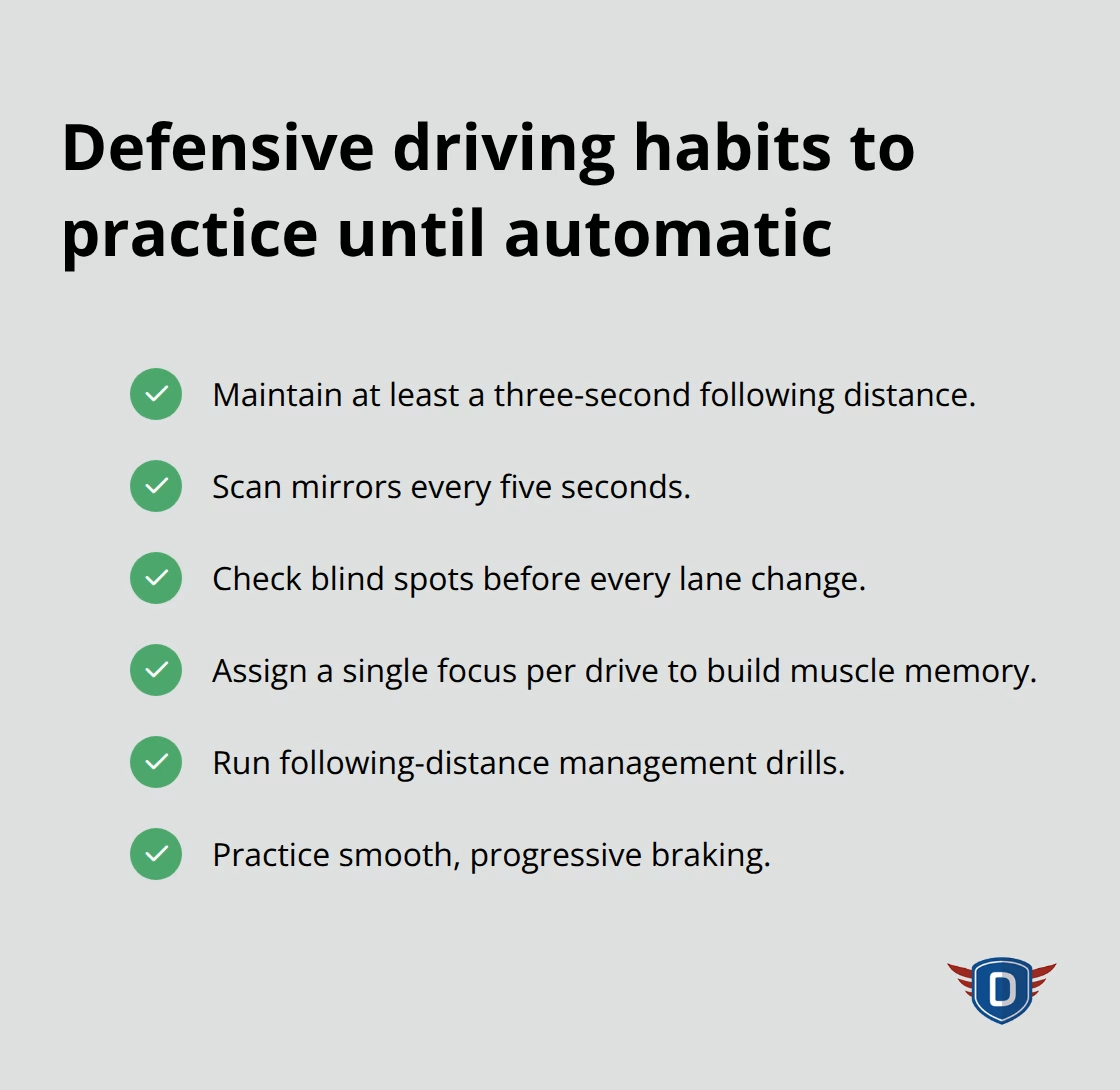
This targeted repetition accelerates automaticity far faster than general practice.
Build Problem-Solving Through Real-World Scenarios
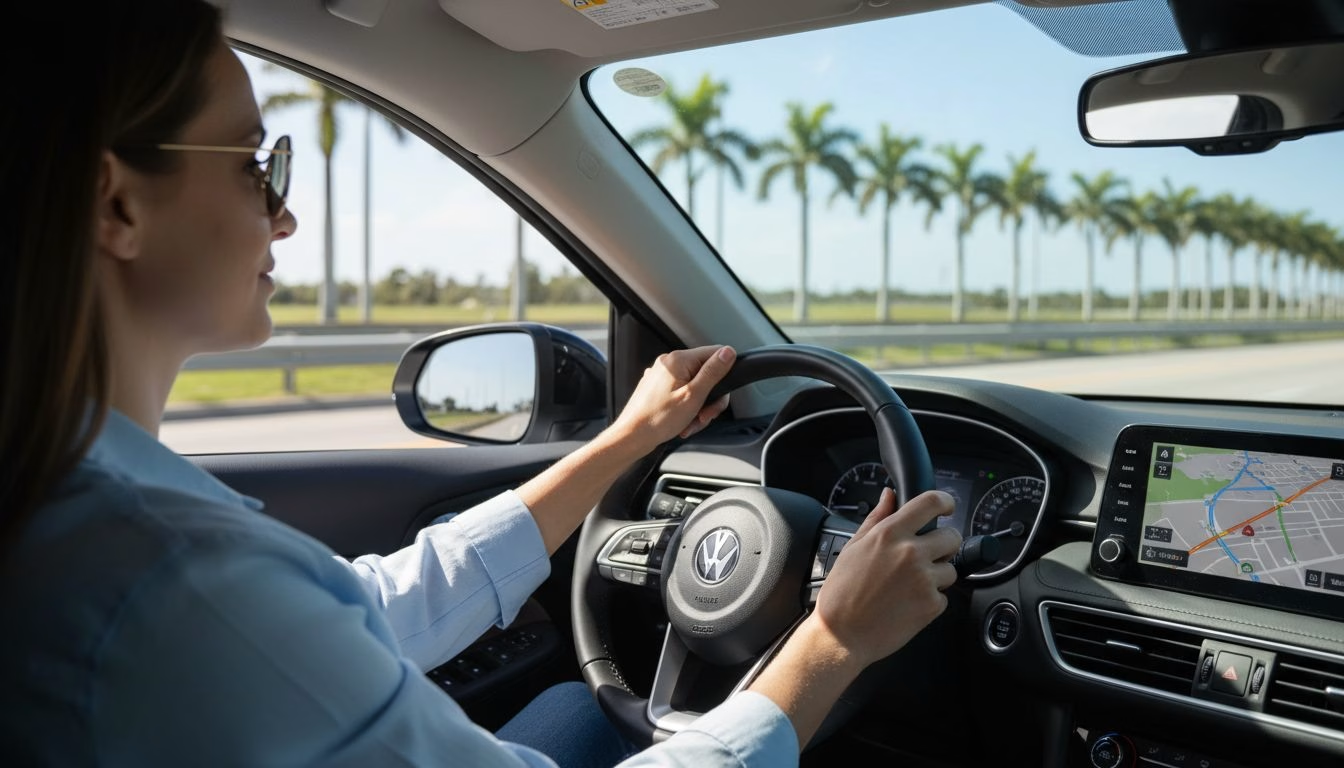
Real-world problem-solving requires your teen to face situations that demand actual decisions, not just execution of memorized steps. Have your teen navigate to a destination they’ve never visited using GPS, then discuss the route choices and why the app selected that path. Practice left turns at busy intersections where they must assess oncoming traffic gaps rather than relying on turn arrows. Introduce merging on moderately busy highways where they feel traffic flow and learn how much space they actually need.
Parking in progressively tighter spaces-starting in empty lots away from other cars, then busier parking areas, then parallel parking on quiet streets-builds the spatial awareness that test parking never develops. When your teen encounters a mistake during these practice scenarios, resist the urge to take over or criticize. Instead, ask them what they noticed and what they’d do differently next time. This develops actual problem-solving instead of compliance with parental direction.
Real-world readiness depends on your teen having made mistakes in low-consequence practice environments and learned from them. Once your teen demonstrates consistent competence across varied routes, weather conditions, and traffic scenarios, they’ve built the foundation needed to handle the unpredictability of solo driving. The next step involves preparing them for the specific hazards and emergencies they’ll face when no adult sits in the passenger seat.
Real Hazards Your Teen Must Know How to Handle
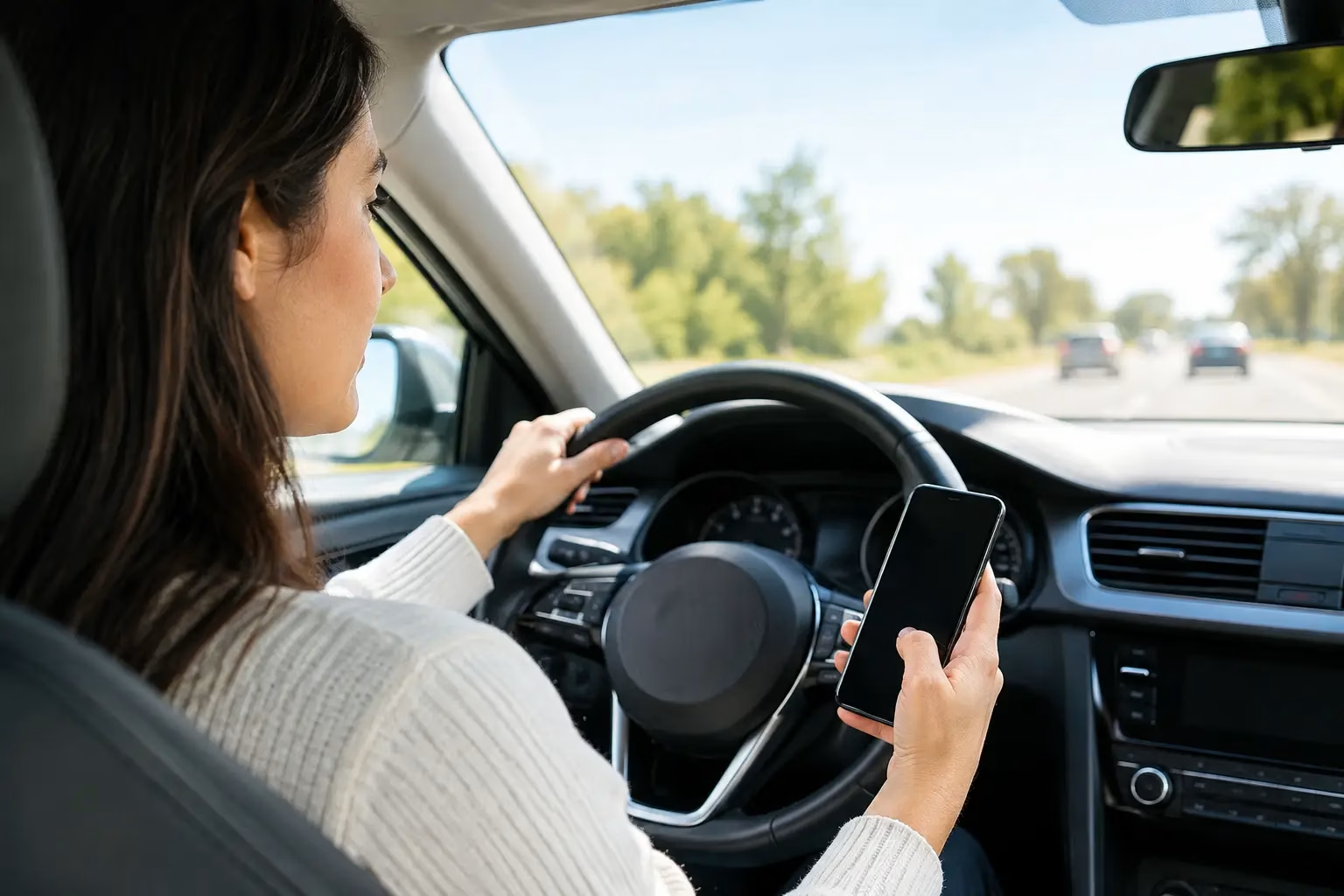
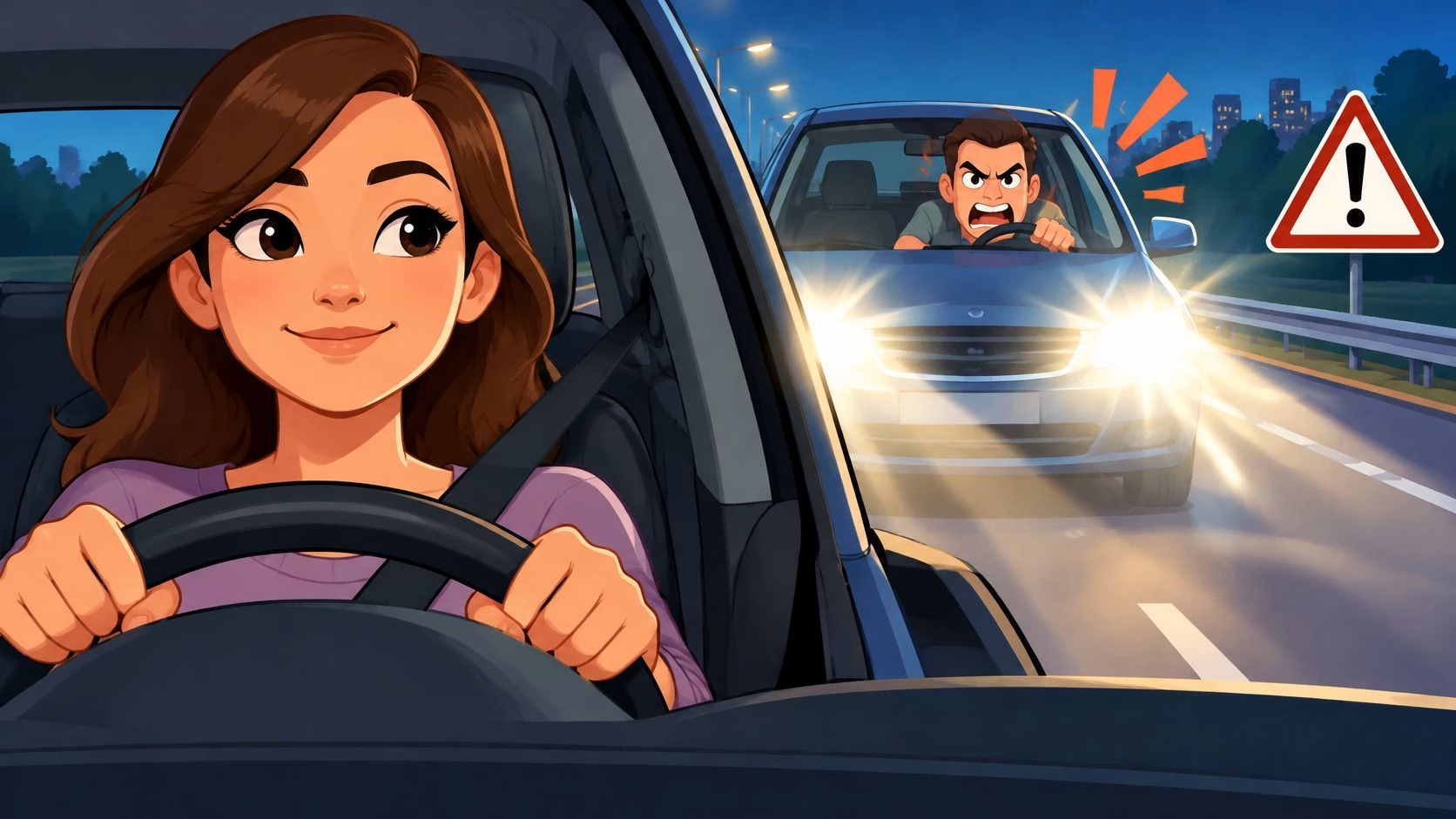
Your teen’s first solo drive will expose them to situations that supervised practice never fully replicated. Distracted drivers weave between lanes, sudden weather shifts occur without warning, unexpected road debris appears ahead, and aggressive horn honking from impatient drivers creates pressure that the controlled environment of a supervised drive simply doesn’t generate. The difference between knowing what to do and executing it under stress is enormous. Your teen needs specific response strategies for the hazards they’ll actually encounter, not generic safety advice.
Identifying and Responding to Distracted Drivers
When a distracted driver drifts into your teen’s lane, hesitation costs seconds. Teach your teen to identify distracted drivers by watching for inconsistent speed, drifting lane position, and delayed responses to traffic changes. Have them practice maintaining a four-second following distance instead of the three-second minimum, which provides extra reaction time when the driver ahead behaves unpredictably. This buffer zone transforms a potential collision into a manageable situation where your teen has time to react.
When brake lights suddenly illuminate ahead, your teen’s muscle memory for emergency braking determines whether they stop safely or panic. Practice emergency braking on empty parking lots at progressively higher speeds so your teen learns exactly how hard they can brake without locking the wheels and how their body responds to that force.
Managing Road Hazards and Obstacles
Road hazards like potholes, debris, or animals require a different response than collision avoidance. Teach your teen to scan the road surface ahead, not just watch the car in front, and to grip the steering wheel firmly but not rigidly so sudden corrections don’t jerk the wheel violently. Most importantly, establish that swerving to avoid a small hazard often causes worse accidents than braking hard and hitting the obstacle. Your teen should know that hitting a pothole or small debris is preferable to veering into oncoming traffic or rolling the vehicle.
Establishing Communication Protocols for Emergencies
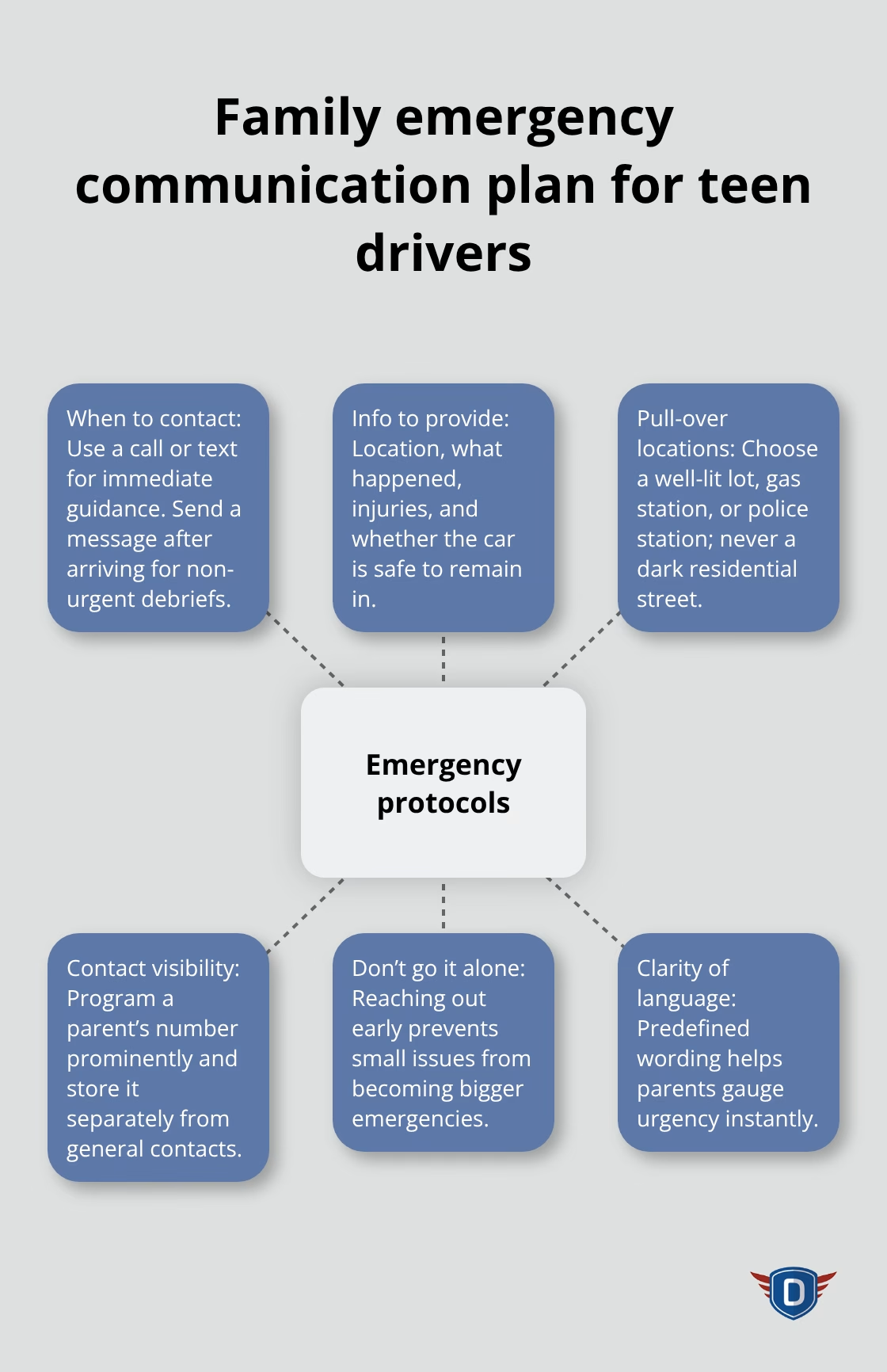
Clear communication protocols matter more than most parents acknowledge because they determine whether your teen reaches out for help or tries to handle emergencies alone. Establish specific language for different situations: a call or text means they need immediate guidance, while a message after arriving means they encountered something they want to discuss. Tell your teen exactly what information to provide in an emergency-their location, what happened, whether anyone is injured, and whether the car is safe to remain in. Program your phone number prominently and have your teen store it separately from their contacts in case their phone is damaged. Discuss where they should pull over if they feel unsafe or overwhelmed during a drive (a well-lit parking lot near other people, a gas station, or a police station, never a dark residential street).
Transforming Mistakes Into Learning Opportunities
Set realistic expectations about mistakes because perfectionism creates paralysis. Your teen will make driving errors: they’ll miss a turn, misjudge a following distance, or brake harder than necessary. These mistakes in real driving, unlike test driving, carry emotional weight and trigger self-criticism. Reframe mistakes as data. Ask your teen what they noticed about what happened, what they’d do differently, and whether they felt the correction worked. This transforms mistakes into learning moments instead of failures that shake confidence. After your teen completes their first solo drive successfully, resist the urge to interrogate them about every decision. Instead, ask what went well and what surprised them. This reinforces positive experiences and gives you insight into what challenges they actually faced rather than what you feared they might face.
Final Thoughts
Confidence for your teen’s first solo drive does not emerge from a single moment of bravery. It develops through weeks of structured practice where your teen accumulates evidence that they can handle what the road presents. Each short drive on a familiar street, each practice session in rain or fog, and each mistake corrected in a low-consequence environment builds the automaticity and problem-solving skills that transform anxiety into competence.
Passing the driving test proves your teen can execute specific maneuvers under controlled conditions, but solo driving readiness requires something deeper: the ability to manage unexpected situations, respond to distracted drivers, adjust to weather changes, and make split-second decisions without an adult in the passenger seat. The habits your teen builds now, the communication patterns you establish, and the way you respond to their mistakes shape how they will drive for decades. When you reframe errors as learning opportunities instead of failures and celebrate progress over perfection, you build a driver who prioritizes safety over ego.
We at floridadetscourse.com understand that safe drivers require more than passing a test-they need structured guidance that develops the skills, habits, and decision-making patterns that keep them safe long after they earn their license. Our comprehensive driver education programs focus on reinforcing defensive driving techniques and building the real confidence your teen needs for independent driving. Visit floridadetscourse.com to explore how we support your teen’s journey toward safe, confident driving.